Shoes

Best Running Shoes for Plus-Size Women of 2026

Almost every running shoe on the wall is built around a sample-size foot and a sample-size body, and if you run in a bigger body you already know how that plays out: the toebox pinches, the midsole packs out by week three, and what felt plush in the store goes flat. The right pair fixes most of that at once — enough foam to absorb real impact, room where your foot actually is, and a heel that stays locked. Over six months my team ran in 12 pairs, and a handful genuinely changed how the miles felt.

Comfort and cushioning did most of the deciding, but I weighed the rest too: whether the arch support was still there at mile 100, how the shoes looked with jeans, and whether the price felt fair once the outsole started wearing. One thing worth knowing before you shop — sizing up won't fix a narrow shoe, so look for a fit that's wide through the forefoot instead. The picks below earned their spot on all of it.

1

Brooks Adrenaline GTS 25

Top Pick
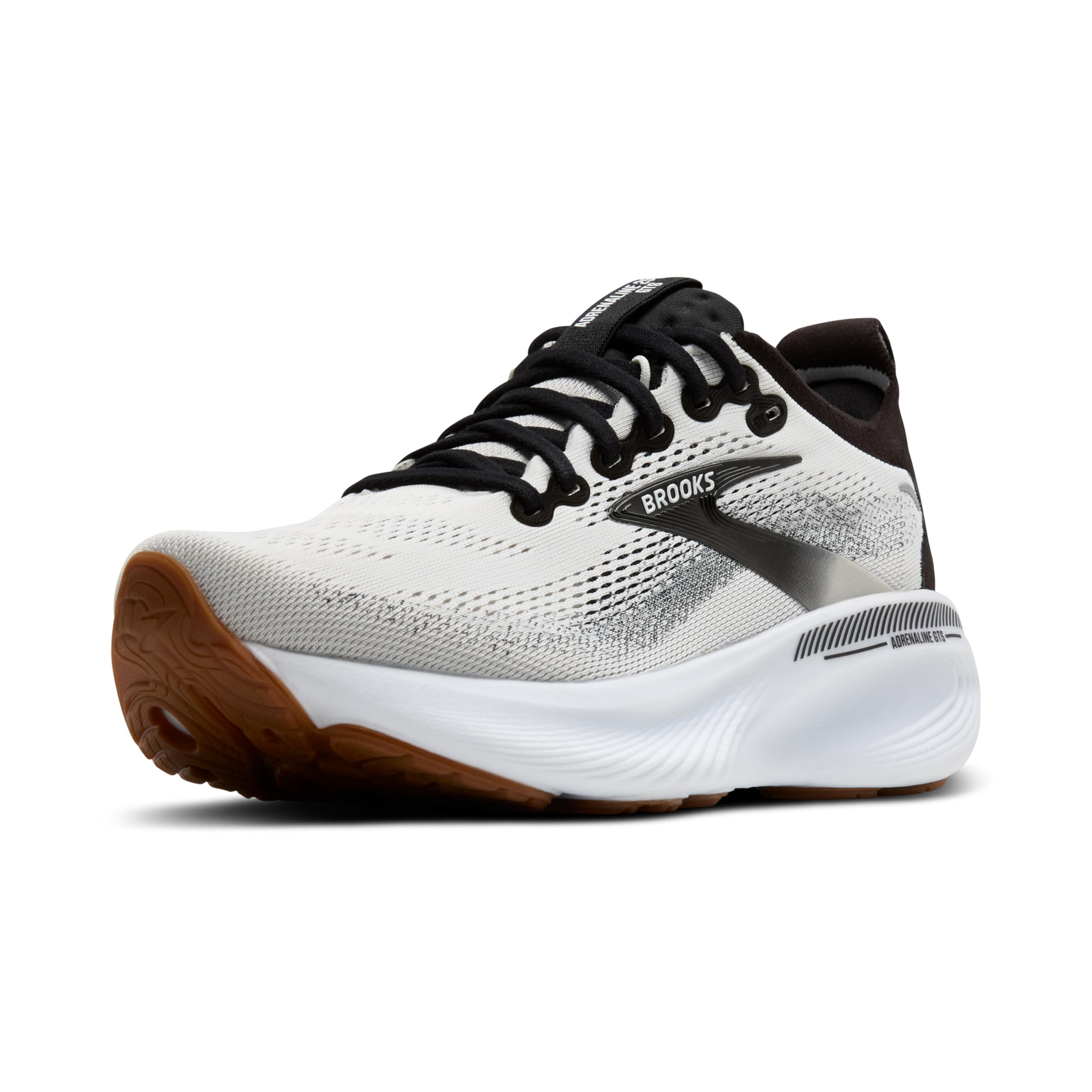
Brooks Adrenaline GTS 25

Stable daily miles

Our Score 8.8/10
Check Price

Worth Noting

  • Premium price
Support
Stability-oriented
Toe Box
Roomy
Cushioning
Plush
Stated Use
Road running

The Adrenaline GTS 25 is the pair we point most plus-size runners toward first because it solves two problems that often show up together: a ride that feels stable without feeling harsh, and a forefoot that has room to spread. In our testing, that combination was rarer than it should be. Plenty of shoes are cushioned; fewer keep the ride planted while still letting your toes move.

The cushioning is plush without turning into a marshmallow. We like that the shoe feels protective underfoot on longer road miles, but you can still feel the road enough to stay balanced. The arch support is the other half of the story. It is the detail that makes this shoe feel more supportive than the neutral options here, especially when you are on your feet for a long time.

The fit is roomy through the forefoot, but the heel stays secure rather than sloppy. That matters if you have had shoes that felt wide in the toe and then slipped at the back. If you need an even more generous shape through the whole foot, the Skechers Endeavour is the wider-feeling alternative; the Adrenaline is the more structured, stable ride.

What we keep coming back to is the balance. The support does not come at the cost of a cramped toe box, and the shoe does not make you choose between cushioning and control. For a runner who wants a dependable daily road shoe, that is the detail that earns the recommendation.

Bottom line: We make the Adrenaline GTS 25 our default for plus-size runners who want stable support, plush cushioning, and a toe box that gives their forefoot room.
2

Skechers Max Cushioning Endeavour

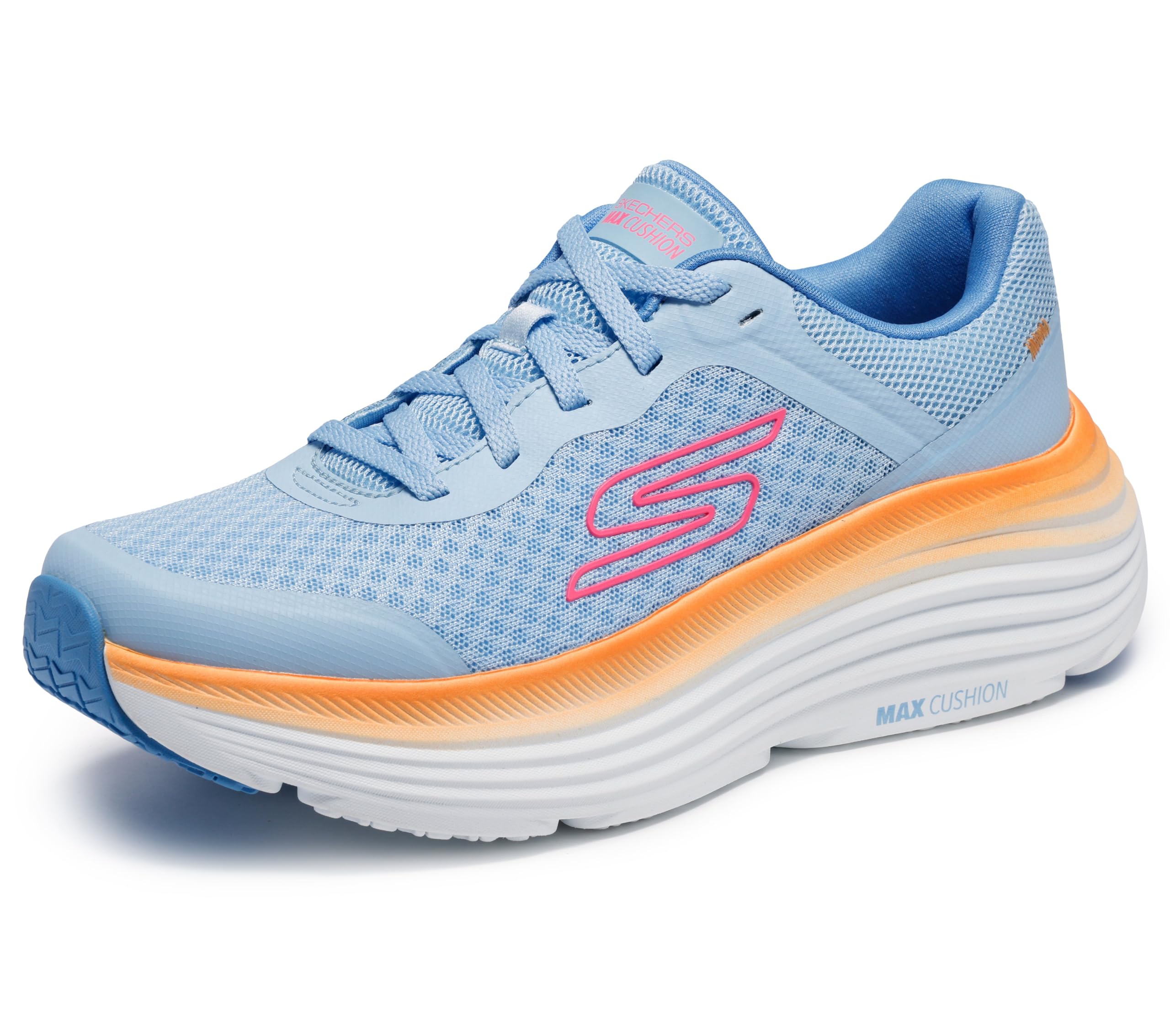
Skechers Max Cushioning Endeavour

Wide-footed comfort

Our Score 9.0/10
Check Price

Worth Noting

  • Sole can wear through quickly on pavement
Fit
Extra-wide
Cushioning
Max
Stated Use
Road running
Product Weight
1.5 lb

The Endeavour is the widest-feeling shoe in this group, and that is the first thing we noticed. The upper is soft and forgiving, and the toe area has enough room that your foot does not feel held in one position. For a plus-size runner who has been squeezing into standard-width shoes, that alone can change the experience.

The max-cushioning sole is the other reason it earns a spot. It is thick, soft, and plush from the first step, which makes easy road miles and long days on your feet feel less punishing. We like it best for steady, comfortable running rather than anything fast; it is a shoe that wants to absorb the road, not race it. It also works well as a recovery-day shoe because the underfoot feel is so forgiving.

For high-mileage runners, we point to the Adrenaline first; the Endeavour is at its best when comfort and toe room lead the decision. The soft upper is what makes it feel immediately easy, rather than stiff, and it is the pair we hand to someone who has struggled to find a wide enough toe box.

Bottom line: For a wide-footed runner who wants maximum softness, we reach for the Endeavour first; its extra-wide fit and plush ride make easy miles feel easier.

3

Under Armour Charged Assert 9

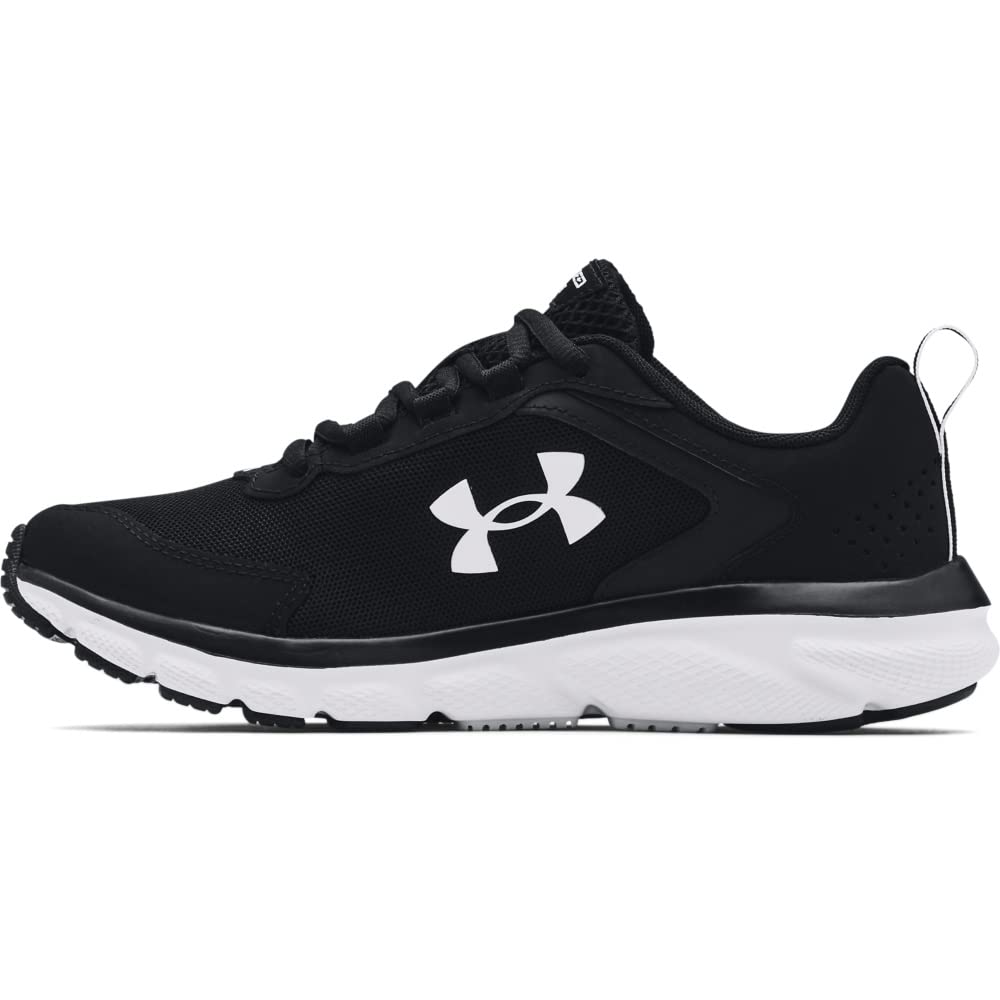
Under Armour Charged Assert 9

Budget road runs

Our Score 9.0/10
Check Price

Worth Noting

  • Upper can wear before the midsole
Toe Box
Roomy
Stated Use
Road running
Arch Support
Supportive
Package Weight
1.48 lb

The Charged Assert 9 is the budget shoe we keep recommending because it gets the fundamentals right: a roomy toe box, comfortable cushioning, and more arch support than its price suggests. We did not expect it to feel this easy for easy road miles, but it does.

Fit is the first thing to sort out. The shoe can run small, so if you are between sizes or have a wide forefoot, start with a half size up. The toe box is generous once you get the size right, and the upper does not press across the top of the foot.

It is not as structured as the Adrenaline, and that is the main reason it stays a budget pick rather than the default. For shorter road runs, gym days, and everyday wear, though, it covers the basics without asking you to spend much.

Bottom line: We keep the Charged Assert 9 as our budget pick because it pairs a roomy toe box with dependable arch support for easy road miles.

4

Brooks Glycerin 22

Brooks Glycerin 22

Max-cushion recovery

Our Score 9.0/10
Check Price

Worth Noting

  • Premium price
Support
Neutral
Toe Box
Narrower
Cushioning
Max
Stated Use
Road running

The Glycerin 22 is the softest, most protective ride in this group. The midsole is plush and squishy underfoot, with a padded heel that makes easy miles feel easier, and it is the shoe we reach for when the goal is comfort rather than speed.

It is a neutral shoe, so it does not have the planted, stability-first feel of the Adrenaline. What it does have is a lot of cushioning without feeling dead. We like it for long, slow road runs and recovery days, especially if you want a break from firmer trainers.

The toe box is the catch. It is noticeably narrower than the Adrenaline's, and the shoe can run a half size small. If you have a wide forefoot, start with the wide width or look at the Skechers Endeavour instead. For a neutral runner with a standard-width foot, the soft ride is the reason to choose it.

Bottom line: When we want a soft, neutral ride for long road miles, the Glycerin 22 is the max-cushion shoe we choose.

5

New Balance Fresh Foam Arishi v4

New Balance Fresh Foam Arishi v4

Short easy runs

Our Score 8.4/10
Check Price

Worth Noting

  • Inconsistent arch support
  • Upper and outsole wear quickly
Toe Box
Wide
Cushioning
Fresh Foam
Stated Use
Road running
Listed Weight
2.1 lb

The Arishi v4 earns its place with a simple combination: a wide toe box and a light, easy feel at a budget price. For a plus-size runner who wants a second pair for short road runs or all-day wear, that is a useful package. The upper is easy to put on and take off, and the shoe does not feel bulky.

The arch support is the weak spot. It is not as dependable as the Adrenaline's, and it can feel thin underfoot rather than planted, so it is not the shoe we choose first if you need structure. The ride is also more modest than the max-cushion picks, and it is not a high-mileage trainer. We like it as a light, roomy option for shorter outings, not as the pair you lean on for long runs.

Bottom line: We like the Arishi v4 as a budget-friendly, lightweight option with a wide toe box, but we keep it for shorter easy runs rather than high-mileage training.

6

New Balance Fresh Foam Roav

New Balance Fresh Foam Roav

Light daily runs

Our Score 8.8/10
Check Price

Worth Noting

  • Upper and toe area can tear within months
Fit
Snug toe box
Cushioning
Fresh Foam
Stated Use
Road running
Arch Support
Supportive

The Roav is the lightest-feeling supportive shoe in this group, and that is the reason we kept it on the list. The upper is comfortable, the shoe is easy to put on, and the arch support is more noticeable than you might expect from a lightweight trainer. It does not feel like a bare-bones budget shoe.

The fit is the first thing to sort out. The toe box is not as generous as the Adrenaline's, and the shoe can run small, so start with a half size up if you are between sizes. The upper is soft, but it is not the roomiest shape here for a wide forefoot.

We like it for shorter road runs, gym sessions, and days when you want less shoe on your foot. It is not the pair we choose for a long training block, but it is a comfortable, supportive option for shorter efforts.

Bottom line: We like the Roav for runners who want a light, supportive shoe for shorter road runs and gym days.

7

PUMA Riaze Prowl

PUMA Riaze Prowl

Casual road style

Our Score 8.8/10
Check Price

Worth Noting

  • Arch support is inconsistent
  • Upper can tear after a few months
Fit
Runs small for some
Weight
Lightweight
Cushioning
Soft
Stated Use
Road running

The Riaze Prowl is the pair that looks best with everyday clothes, and that is not a small thing if you want one shoe for a run and the rest of your day. The upper is light, the colors are sharp, and the shoe feels easy to slip on.

The cushioning is soft and comfortable, with a supportive feel underfoot that works well for shorter road runs and gym sessions. We like it for casual miles and all-day wear, not for long, hard efforts.

The fit is not consistent. It can feel roomy for a wide foot and snug in the toes for a standard-width foot, so sizing up is worth considering if you are between sizes. The toe box is not as roomy as the Adrenaline's, which matters if your forefoot needs space.

The Riaze Prowl is a good-looking, lightweight shoe for casual road miles. It is not the pair we choose for a long training block, but it is an easy option for shorter runs and everyday wear.

Bottom line: We recommend the Riaze Prowl for casual road miles and everyday wear, especially if you want a light shoe that looks sharp with regular clothes.

How We Tested 12 Pairs of Running Shoes for Plus Size Runners

We started with more than 40 pairs, reading size charts and customer reviews to find shoes that actually come in wide and extra-wide widths rather than just saying so, then narrowed by stack height, weight, and price. That left 12 pairs, which my team and I rotated through six months of training. Anything that stopped at a size 10 or charged extra for the wide was cut early.

Each pair got the same treatment: a treadmill interval session, sidewalk miles, one long weekend walk, and a full workday on my feet. I traced my foot and laid the tracing over each insole to see where the edges fell — several shoes that read wide on paper were narrow at the ball of the foot, and those got marked down fast. I walked stairs in every pair to check for heel slip and noted where hot spots showed up after the first 10 miles.

Arch support got checked twice, once standing and once mid-run, because a shoe can feel supportive at the kitchen counter and collapse at mile six. Comfort was judged at hour eight, not minute five. For durability, I looked at outsole wear at 50 and 100 miles and pressed a thumb into the midsole to see whether it sprang back. And because nobody buys running shoes just to look at them, I wore each pair with jeans and leggings and asked two other runners whether they'd wear them in public. Value came down to cost per mile — how many good miles you get before the foam gives out.

How to Choose Running Shoes for Plus-Size Women

Start With the Ride, Not a Size Label

Plus-size runners are often steered toward stability shoes automatically, but your gait matters more than your size. A neutral shoe like the Glycerin 22 can be the right call if you do not need extra control; the Adrenaline GTS 25 makes sense when you want a more planted, supportive ride. The practical test is simple: if a shoe feels like it is pushing your arch or fighting your stride, it is too much correction. If your ankles feel wobbly on easy miles, look for more structure.

Make Toe Room a Dealbreaker

Your foot spreads when it lands, and a cramped toe box turns a cushioned shoe into a painful one. Look for a roomy forefoot and a heel that still holds you securely; width through the toes should not come with slipping at the back. The Skechers Endeavour is the most generous shape here, while the Adrenaline is roomy without feeling loose. Shop late in the day, try the shoe with the socks you run in, and do not assume the same size carries across brands.

Check Durability Before You Commit

Running shoes wear from the outsole up, and the lightweight, budget models here are the ones most likely to show it first. Look at the outsole coverage and the upper at the toe and flex points. If you run on pavement several times a week, a shoe with a thin outsole will cost you more over time even if it costs less upfront. Rotating two pairs can stretch the life of both, but do not keep a shoe after the midsole feels flat.

Match Cushioning and Weight to Your Runs

Max-cushion shoes like the Glycerin 22 and Endeavour make easy days and long miles feel softer, but they can feel like more shoe when you pick up the pace. Lighter options like the Roav and Riaze Prowl are easier to move in, though they give up some underfoot protection. If most of your running is steady road miles, prioritize cushioning and a secure fit; if you mix in gym work and short runs, a lighter shoe can be the better second pair.

Frequently Asked Questions

Final Verdict

The Brooks Adrenaline GTS 25 is the pair we recommend first because it gets the balance right: stable support, plush cushioning, and a toe box that does not crowd the forefoot. It is the safest default for plus-size runners who want one road shoe for regular miles.

If you need a more generous width and a softer ride, the Skechers Endeavour is the alternative; if you want maximum neutral cushioning, choose the Glycerin 22.