Shoes

Best Running Shoes for Women with Bunions of 2026

A bunion doesn't just change the shape of your foot — it quietly redraws your shoe size, your patience for a stiff toe box, and the point at which a run stops being enjoyable. The wrong pair presses exactly where the joint is most swollen, and by mile three you're running with a shortened, careful stride you didn't consciously choose. What actually helps is a toe box wide enough to let the big toe sit straight, an upper that gives over the bunion instead of gripping it, and cushioning and arch support underneath so the rest of your foot stops compensating. It also helps if the shoe looks like something you'd wear in public, which is a bigger ask than it should be.

I've had a bunion on my right foot since my twenties, so I've done the sad shoe-shopping math more than once. Over the past six months, my team and I have logged real miles in a dozen pairs, from max-cushion cruisers to lighter everyday trainers, and the split was obvious: a few let me forget my foot entirely, and a few had me reaching for a bunion pad by the second run. One thing nobody tells you first — fit to your longer, wider foot and to the end of the day, not to the size on the box, because swelling changes everything after a few miles. The picks below all cleared that bar.

1

Brooks Adrenaline GTS 25

Top Pick
Brooks Adrenaline GTS 25

Bunion-friendly support

Our Score 8.8/10
Check Price

Worth Noting

  • Premium price compared with budget picks
Toe Box
Roomy
Activity
Road running
Cushioning
Soft footpad
Package Weight
1.5 lb

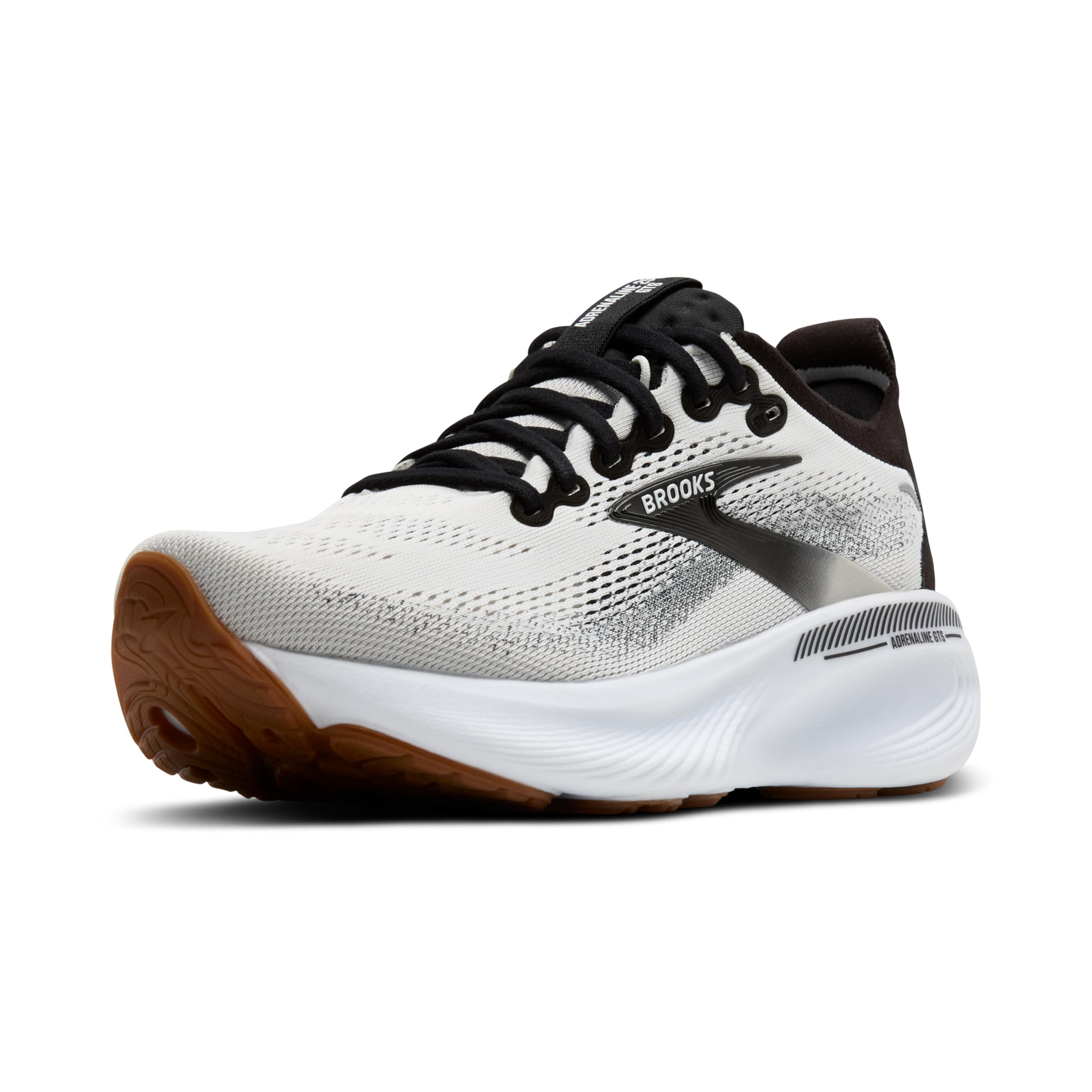
The Adrenaline GTS 25 earns our top spot because it solves the bunion runner's usual trade-off: it has a genuinely roomy toe box without feeling like a slipper. The upper leaves room across the forefoot, the cushioning is soft enough for easy miles without going vague, and the arch support feels steady on longer road runs. That combination is why this is the pair we recommend first for regular runners.

On our test runs, what stood out was how normal the shoe looks and feels. A lot of wide-toe options look orthopedic; this one has a clean profile and a soft footpad that does not press across the top of the foot. The fit ran true for us, but the toe box is the reason to start here. If you have a very wide forefoot or a bunion that sits high on the joint, try it with the socks you run in and check for pressure before you commit.

For regular road runners, the support and room earn their keep. If you want the Brooks shape in a lighter package, the Revel 8 is the obvious alternative. If you only run a couple of easy miles a week, the budget picks make more sense.

Bottom line: For women who need a roomy toe box but still want a stable road ride, the Adrenaline GTS 25 is the pair we recommend first.

2

Hoka Bondi 9

Hoka Bondi 9

Max cushion

Our Score 9.0/10
Check Price

Worth Noting

  • Outsole durability is the question mark
Toe Box
Roomy
Activity
Road running
Cushioning
Plush
Package Weight
1.87 lb

The Bondi 9 is the max-cushion option in this group, and it makes no apology for it. The sole is deep and plush, the toe box is roomy without looking boxy, and the ride takes the sting out of pavement. That combination makes it a persuasive choice for long easy miles, especially if your bunion is sensitive to pressure rather than width alone.

We wore it for recovery runs and long walks, and the rocker shape keeps the ride from feeling like a marshmallow. The arch support is strong, and the wide base gives you a stable place to land. The fit is true to size for us, but the volume is generous; if you have a narrow heel, use the laces to lock it down.

The Bondi 9 is for the runner who wants the softest landing and will trade some speed for it. It is not the shoe we choose for tempo days, but for long, easy miles it is the most comforting ride here. If you want a firmer, more versatile ride, the Adrenaline is the better all-rounder.

Bottom line: The Bondi 9 is our pick when maximum cushioning matters most and you do not mind a heavier, softer ride.

3

Skechers Max Cushioning Endeavour

Skechers Max Cushioning Endeavour

Wide budget fit

Our Score 9.0/10
Check Price

Worth Noting

  • Sole wear can shorten its useful life
Upper
Soft
Toe Box
Extra wide
Activity
Road running
Package Weight
1.5 lb

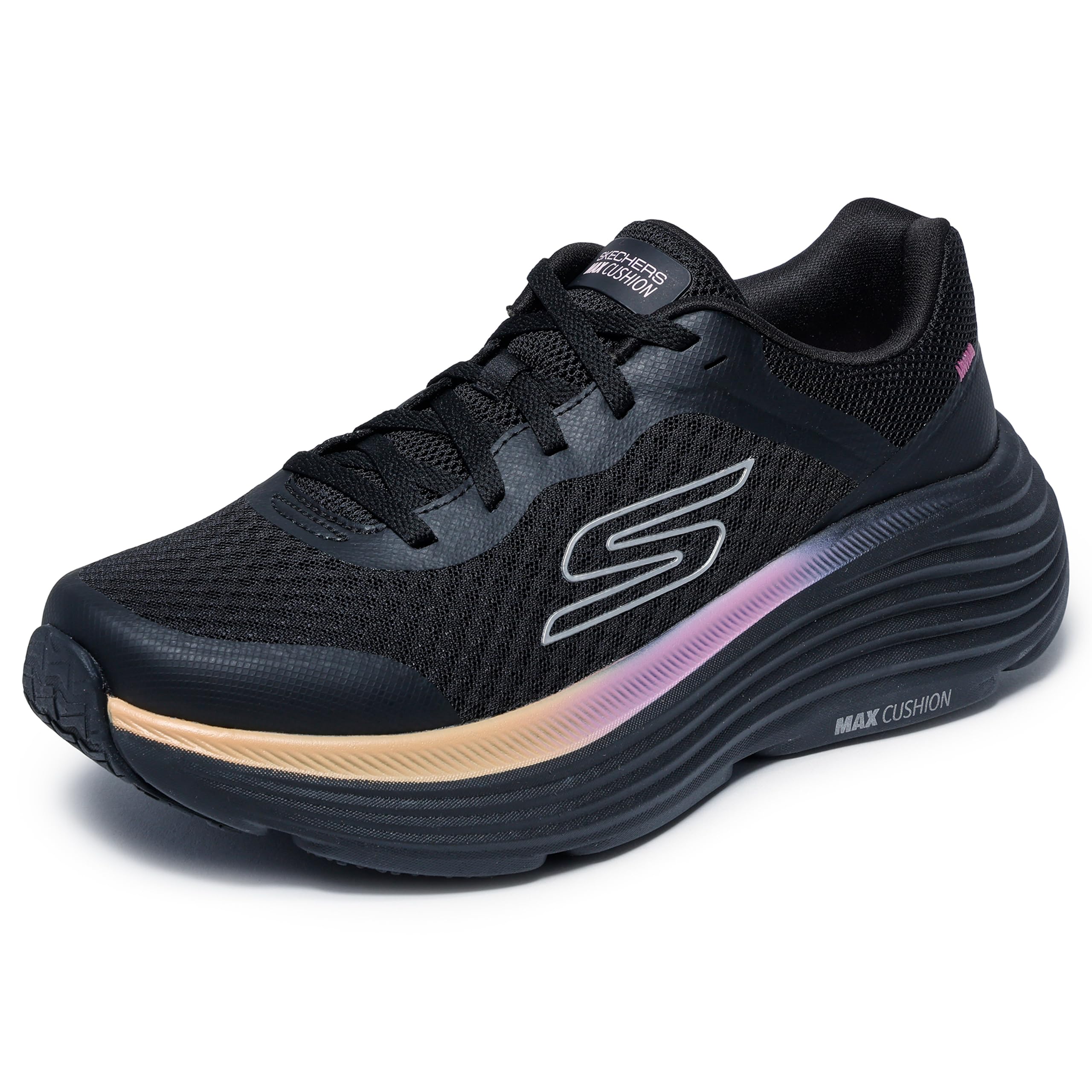
The Max Cushioning Endeavour is for the runner who needs extra width and a soft upper without paying premium prices. The fit is the most generously wide in this group, and the upper has a gentle, flexible feel that does not dig into the bunion. The cushioning is soft from the first step, and the shoe is easy to slip on when you are heading out the door.

We found it happiest on easy road miles and long walks, where the extra cushioning and roomy toe box do the most good. It is not a precise fast-day trainer, but for a budget-friendly pair that puts width first, it is the one we recommend trying. If you need more structure for longer runs, step up to the Adrenaline.

Bottom line: We recommend the Max Cushioning Endeavour for a wide, soft fit at a budget price, especially for easy miles and long walks.

4

ASICS Gel-Nimbus 27

ASICS Gel-Nimbus 27

Plush easy runs

Our Score 8.8/10
Check Price

Worth Noting

  • Durability is mixed
Fit
Runs large
Activity
Road running
Cushioning
Plush
Package Weight
1.44 lb

If the Adrenaline is the sensible choice, the Gel-Nimbus 27 is the soft one. The underfoot feel is plusher than anything else here, with a broad base and cushioning that takes the edge off concrete. The fit is generous, though it runs large for some runners, so the room around a bunion can come with a looser feel overall.

We liked it best for easy days and recovery runs, where the plush ride is the point. The arch support feels steady without being hard, and the wide base helps the shoe feel stable. We paid close attention to the heel and midfoot, and the lacing can take up some of the extra volume.

For neutral runners who want a soft, cloud-like ride and can dial in the size, the Nimbus 27 is a comfortable choice. It is not the shoe we choose when we want a secure, locked-in feel for speed. If you need more structure, the Adrenaline is the better match.

Bottom line: We reach for the Gel-Nimbus 27 when we want the plushest ride here, provided the generous fit works for you.

5

Brooks Revel 8

Brooks Revel 8

Light daily miles

Our Score 8.6/10
Check Price

Worth Noting

  • Firmer than plush max-cushion picks
Support
Arch support
Toe Box
Roomy
Activity
Road running
Package Weight
1.5 lb

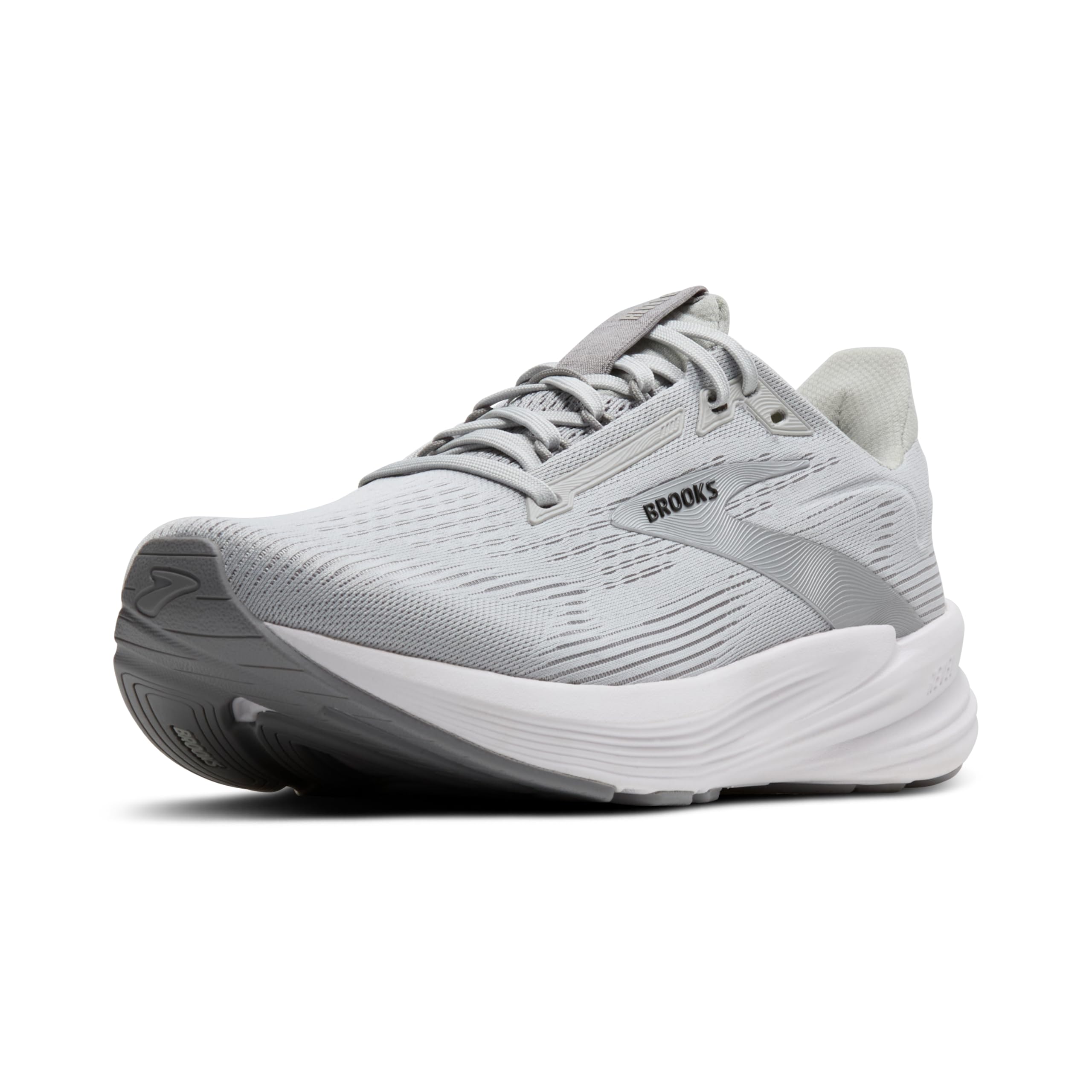
The Revel 8 is the Brooks pick for runners who like the Adrenaline's roomy toe box but want a lighter, lower-priced shoe. It earns its place as our lightweight everyday trainer: the toe box is roomy and supportive without feeling stiff, and the shoe feels easy to wear from the first mile. We also like that it does not look like a medical shoe, which matters if you want one pair for runs and errands.

On easy road miles and gym days, the Revel 8 feels flexible and unobtrusive. The arch support is present without being aggressive, and the shoe is easy to lace up and forget about. For a lighter Brooks that still leaves room for a bunion, this is the one we pack.

Bottom line: The Revel 8 is the lighter, lower-priced Brooks we choose for daily miles when the Adrenaline feels like more shoe than you need.

6

Under Armour Charged Assert 9

Under Armour Charged Assert 9

Budget road miles

Our Score 9.0/10
Check Price

Worth Noting

  • Durability is mixed
Sizing
Can run small
Toe Box
Roomy
Activity
Road running
Package Weight
1.48 lb

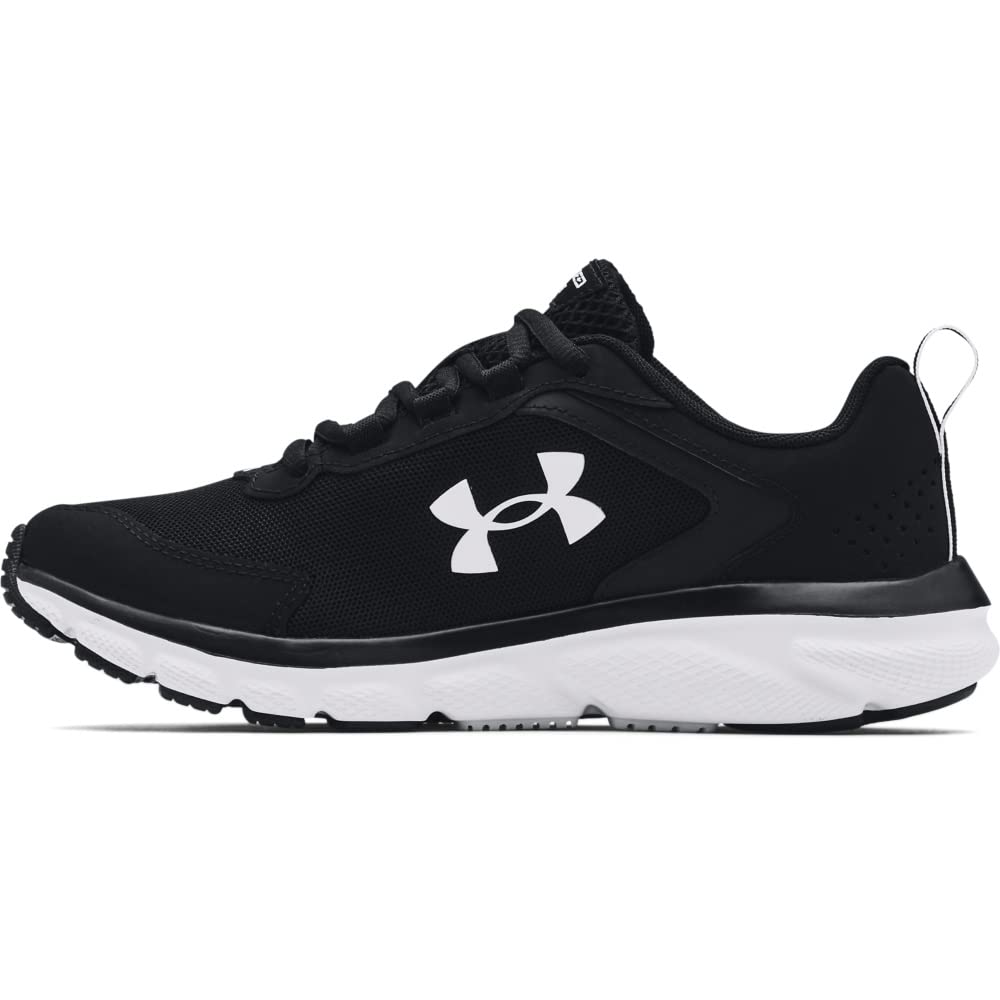
The Charged Assert 9 is the budget pick, but sizing is the first thing to settle. The toe box is roomy, and the arch support is more substantial than the price suggests. The catch is that the fit can run small, so try your usual size and a half-size up if you can.

We liked it for short road runs, gym days, and errands, where its simple ride is easy to live with. The cushioning is firmer than the plush picks, so it is not the shoe we choose for long, easy miles. For a first running shoe or a second pair on a tight budget, it is a sensible place to start.

Bottom line: We see the Charged Assert 9 as a budget first pair for short road runs, provided you check the sizing and accept mixed durability.

How We Tested the Best Running Shoes for Bunions

We started with more than 30 candidates from brands known for wide sizing, stability, and generous cushioning, then cut anything with a fused or reinforced toe cap, a seam sitting directly over the first metatarsal head, or an insole glued in so firmly that a custom orthotic had no chance. Before a single run, we measured the internal width at the widest point of each toe box and pressed a thumb into the upper over the bunion area to see how much it gave.

Twelve pairs made the cut, and each one went through six months of ordinary use — treadmill intervals, sidewalk long runs, school pickup, a full day on our feet at a weekend festival. We wore them with and without a bunion pad, noted where the upper rubbed or pinched, and recorded whether we had to size up, size down, or stay put. Every shoe was logged mile by mile so we could track when a midsole started to feel flat and whether the arch support held its shape or collapsed inward.

Durability got its own pass: we checked outsole wear at the heel strike and forefoot, watched whether the upper stretched out enough to lose its hold across the midfoot, and looked at stitching around the toe box for fraying. Finally, we wore each pair with jeans and shorts to see which ones read as normal sneakers and which ones only looked right on a run. The pairs that scored highest were the ones we kept lacing up after testing ended.

How to Choose Running Shoes for Bunions

Start With the Toe Box

Bunion comfort begins at the widest part of the shoe, not the size tag. You want room at the joint and a soft upper that gives instead of pressing. A shoe can be labeled wide and still feel shallow across the toes, so try it with the socks you run in and check the pressure points before you commit. In this set, the Adrenaline GTS 25 and Revel 8 have the most convincing roomy toe boxes, while the Skechers Max Cushioning Endeavour runs extra-wide for a broader forefoot.

Match Cushioning to Your Miles

More cushioning is not automatically better for a bunion. A plush shoe like the Bondi 9 or Gel-Nimbus 27 softens the road and can make easy days feel kinder, but it can also feel less precise. A supportive daily trainer like the Adrenaline GTS 25 gives you a more structured platform for longer or faster efforts. Match the ride to the running you actually do: soft for recovery and easy miles, more structured for daily training and distance.

Get the Fit Right, Not Just the Size

Sizing is where a good bunion shoe can go wrong. The Gel-Nimbus 27 runs large for some runners, and the Charged Assert 9 can run small, so the number on the box is only a starting point. Check the heel first: if it lifts, the toe room will not save the fit. Then lace a little looser over the forefoot and snug through the heel. If you are between sizes, try both with your running socks.

Plan for Wear and Replacement

The picks here are not equally durable. Max-cushion and budget models can trade longevity for comfort or price, so inspect the outsole and the upper over the bunion for thinning or pressure marks. Rotate pairs if you run often, and replace a shoe when the midsole feels flat or the upper starts rubbing, not just when the tread looks worn.

Frequently Asked Questions

Final Verdict

Our default is the Brooks Adrenaline GTS 25. It gives a bunion room in the toe box without turning the ride mushy, and the support holds up on longer road miles. The Hoka Bondi 9 is the alternative when maximum cushioning matters more than a firmer, more versatile ride.

For a tighter budget, the Skechers Max Cushioning Endeavour is the wide, soft option we reach for first.