Shoes

Best Walking Shoes for Women with Bunions of 2026

A bunion doesn't ask for a bigger shoe — it asks for a differently shaped one. Most shoes squeeze the joint from the side while the heel slips behind, so you end up choosing between pressure and blisters. The right pair widens and softens the toe box, holds the midfoot steady, and gives arch support that outlasts the walk to the mailbox — while still looking like something you'd wear in public.

Over the past six months, my team and I have walked in 12 pairs sold for exactly this problem, and the lesson was that 'wide' is the least useful word on the box. Plenty of them are generous at the ball of the foot and shallow over the instep, so room for the bunion comes with a heel that slips. Space is bought by a removable insole, a seamless upper over the joint, and laces or a strap you can fine-tune. The picks below earned their keep on those counts — and most of them read as ordinary sneakers.

1

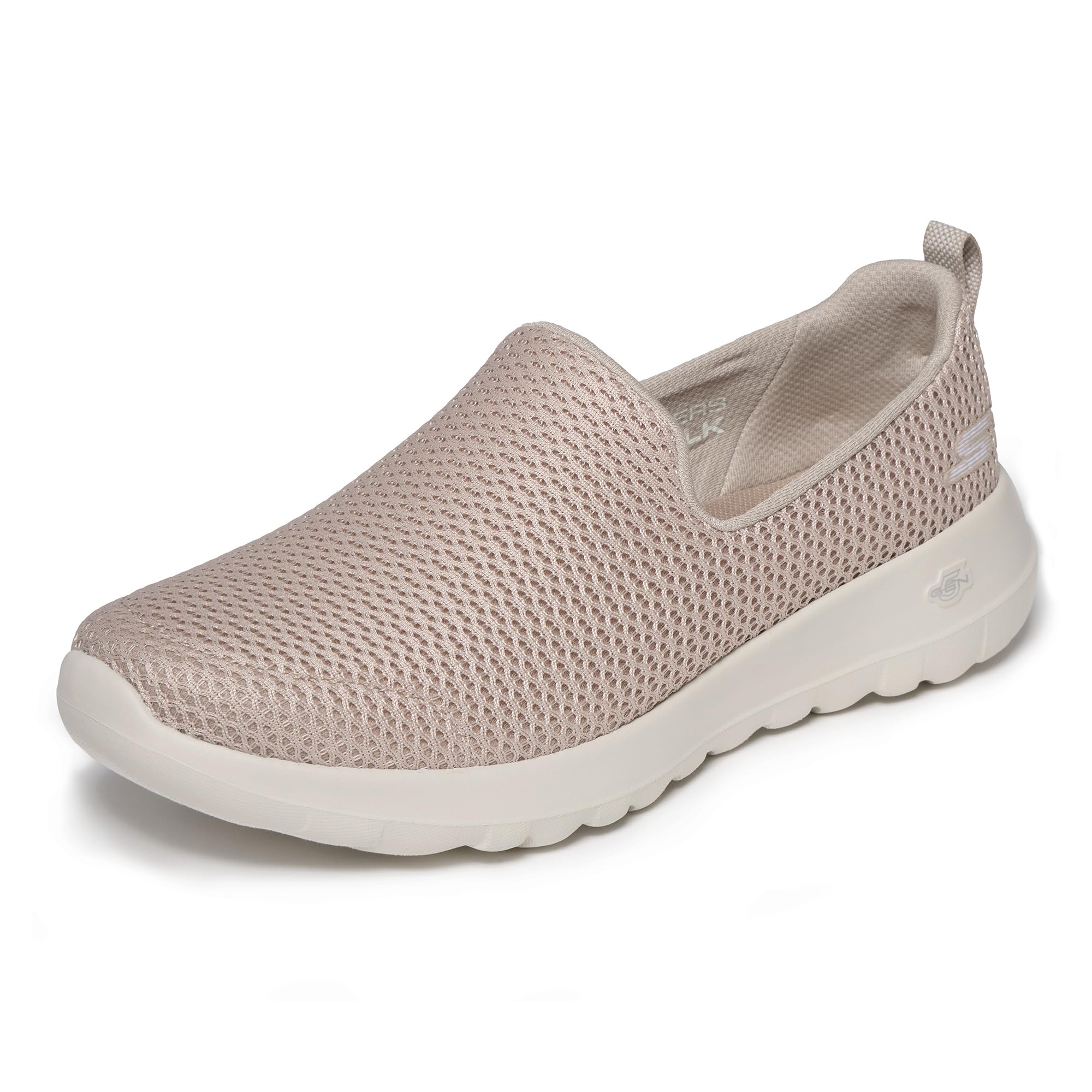
Skechers Go Walk Joy

Top Pick
Skechers Go Walk Joy

Everyday walking

Our Score 9.0/10
Check Price

Worth Noting

  • Sizing can run large
  • Arch support is soft, not firm
Style
Slip-on walking sneaker
Toe Box
Generous
Cushioning
Soft
Width Options
Wide available

A generous toe box and a slip-on upper are the two things that put the Go Walk Joy at the front of this list. That sounds simple, but it is exactly the combination that makes a bunion shoe easier to live with: there is less to press against the joint, and less fuss getting the shoe on when your feet are sore. The wide width option matters too; it gives you a second chance at a clean fit without going up a whole size.

We kept coming back to it because it is the least fussy way to get room and cushioning in one shoe. The ride is soft underfoot, and the flexible upper does not feel like it is clamping across the top of the foot. The slip-on collar is a real convenience if you have limited mobility or simply do not want to bend and lace up.

For a bunion walker who wants one shoe to cover the school drop-off, the grocery store, and a weekend trip, this is the most straightforward choice here. The wide width is the detail that makes it credible rather than just another soft sneaker.

Bottom line: We recommend the Go Walk Joy as the default bunion-friendly walker: a roomy toe box, cushioned ride, and easy slip-on entry cover most daily walks.
2

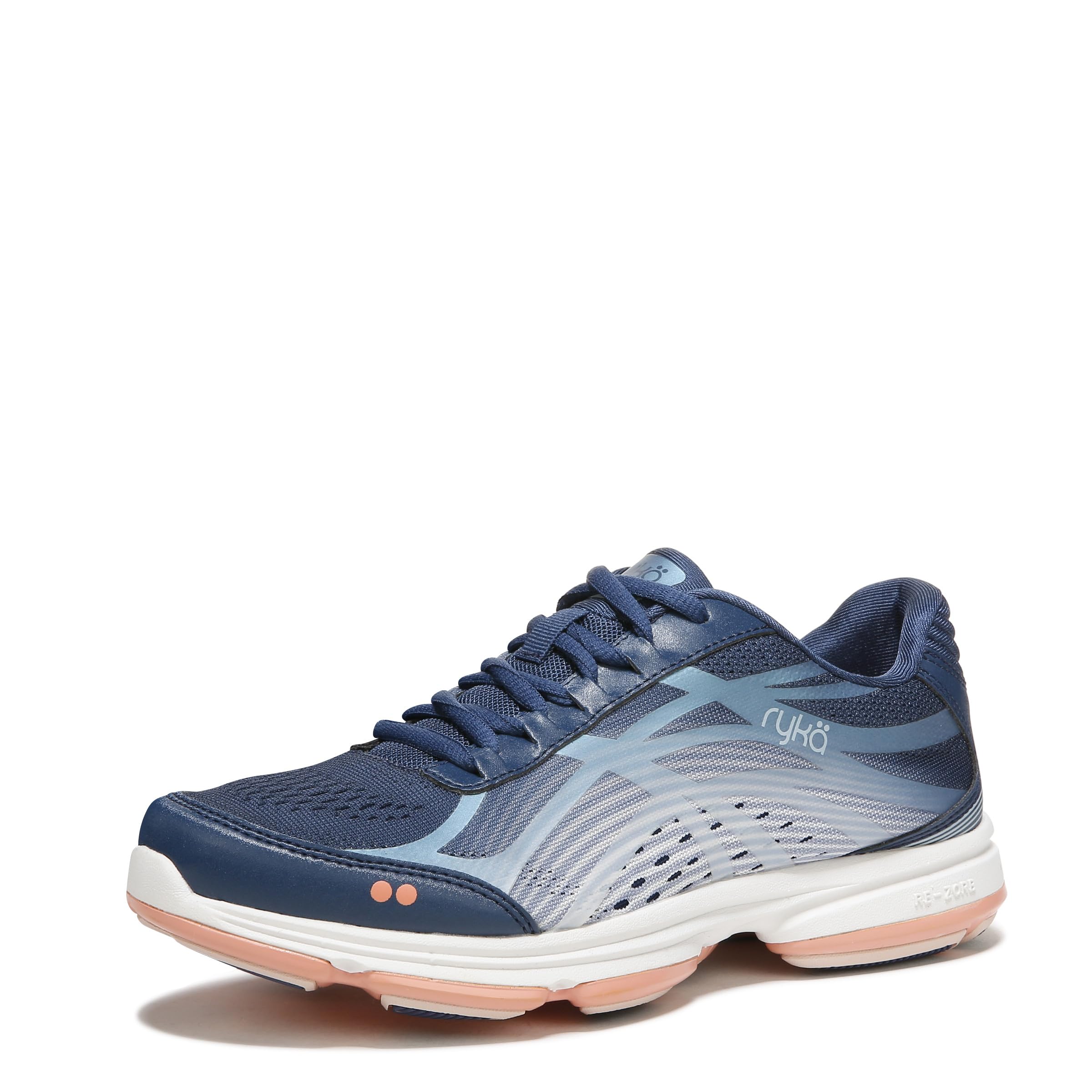
Ryka Devotion Plus 3

Ryka Devotion Plus 3

Long daily walks

Our Score 8.4/10
Check Price

Worth Noting

  • Outsole wears quickly with daily use
Style
Walking shoe
Toe Box
Wide
Cushioning
Plush
Arch Support
Supportive

If the Go Walk Joy still leaves your bunion feeling crowded, the Devotion Plus 3 is the next shoe to try. Its toe box is the most openly roomy of the walking models here, and the roomy forefoot gives your toes space without making the heel feel like it is swimming. That is the balance bunion shoes usually miss: room at the joint, not just extra length.

We like the cushioning for long days on pavement. It is soft enough to take the sting out of hard sidewalks but structured enough that the shoe does not feel vague underfoot. The arch support is a genuine part of the package, not an afterthought, which is why it suits walkers who want a little more under the midfoot. For long shifts or a full day of sightseeing, it is the more supportive of the roomy picks.

It is also one of the better-looking walking shoes in this group, so it does not feel like a compromise with everyday clothes. The trade-off is that it is not the lightest shoe here, which is worth knowing if you want a packable pair for travel.

Bottom line: We choose the Ryka Devotion Plus 3 when toe room comes first; its wide forefoot and cushioned support suit long daily walks.

3

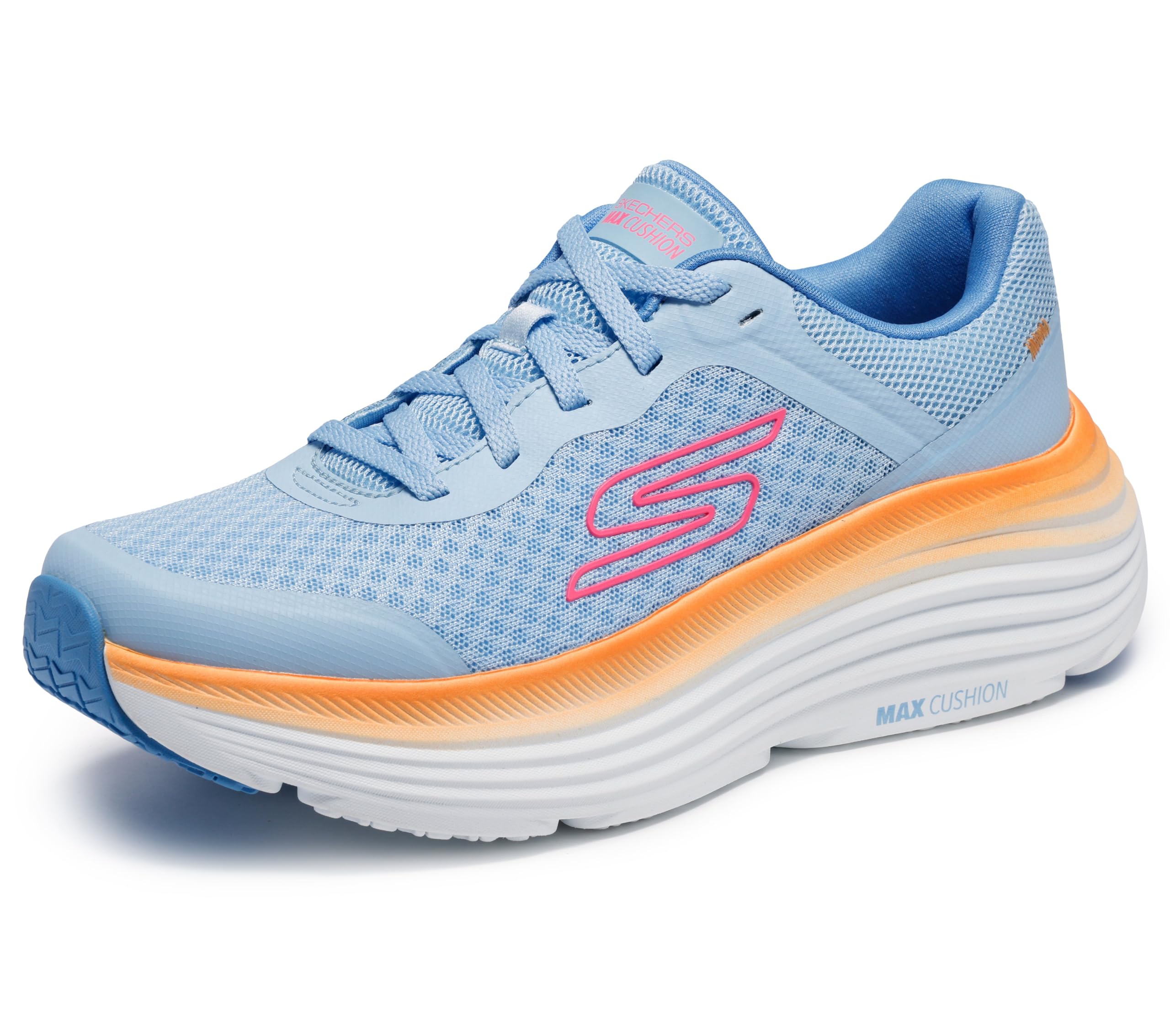
Skechers Max Cushioning Endeavour

Skechers Max Cushioning Endeavour

Maximum cushioning

Our Score 9.0/10
Check Price

Worth Noting

  • Outsole wears through with daily use
Fit
Extra-wide
Style
Max-cushion sneaker
Upper
Soft
Cushioning
Deep

The thick, soft sole is the whole reason to consider this Skechers. It is the plushest shoe in this group, and the upper has enough give that a bunion is not fighting a stiff panel. The extra-wide fit is the other half of the story: this is a shoe that makes room at the front instead of asking you to size up and live with a loose heel.

We were also impressed by how well it works as a walking shoe despite its running-shoe build. The cushioning is deep and springy, and the breathable upper keeps it from feeling like a padded boot on warmer days. For long stretches on pavement, it is the most forgiving ride here. That matters most at the end of a walk, when a firmer shoe starts to feel like it is pressing through the forefoot.

It is not the pair we choose for a quick errand when we want something light and unobtrusive. It is the pair we choose when the walk is long and the pavement is hard, because the extra foam is doing real work under the forefoot.

Bottom line: We recommend the Max Cushioning Endeavour for walkers who want the softest, widest ride here, especially on long days when forefoot pressure is the enemy.

4

ALLSWIFIT Slip-On Walking Shoe

ALLSWIFIT Slip-On Walking Shoe

Easy-on support

Our Score 8.6/10
Check Price

Worth Noting

  • Fit can run narrow or large
  • Toe box is not the roomiest here
Heel
Sturdy
Style
Slip-on walking sneaker
Cushioning
Soft
Arch Support
Supportive

A slip-on with real arch support is harder to find than it should be. The ALLSWIFIT is the one here that gets closest: the step-in collar is genuinely easy, and the footbed has enough structure that you are not trading support for convenience. That is a rarer combination than the price suggests.

We like it for errands, travel, and days when you are in and out of the car or house. The cushioning is not as deep as the Skechers Max Cushioning, but the shoe feels more planted, and the heel has a sturdier feel than a soft, floppy slip-on. The upper is also substantial enough that it does not collapse when you push your foot in, which makes the easy entry more useful for anyone with limited hand strength or a sore bunion. The easy entry is the feature we notice most, because it removes the daily ritual of laces without turning the shoe into a slipper.

For a walker who wants to step in and go without sacrificing all support, it fills a useful gap between a house slipper and a technical walker. It is the one we reach for when the day involves a lot of short trips and no patience for laces.

Bottom line: The ALLSWIFIT is the supportive slip-on we point to for easy entry and arch support, provided the fit works for your foot.

5

Scurtain Wide Walking Shoe

Scurtain Wide Walking Shoe

Adjustable width

Our Score 8.4/10
Check Price

Worth Noting

  • Very little arch support
  • Heel can slip on some feet
Style
Wide walking shoe
Weight
Lightweight
Closure
Adjustable hook-and-loop
Toe Box
Wide

The adjustable straps are the reason this shoe is here. Instead of a fixed upper, you can open the forefoot and midfoot and then snug it down around the shape of your foot, which is useful when a bunion or swelling changes from morning to evening. That is a different kind of fit from a wide size alone.

The toe box is genuinely wide, and the shoe is light enough to wear around the house or on errands without feeling clunky. We also appreciate that the closure is easy to work with stiff hands or limited mobility. The upper is soft against the foot, so there is less to break in.

It is not the shoe for a long, uninterrupted walk; the design is about adjustability and room, not a planted, propulsive ride. For travel days, swelling that changes through the day, or a foot that needs a custom-feeling fit, that trade is worth it. Start here only if adjustability is the priority.

Bottom line: We like the Scurtain for bunion-prone feet that need a customizable, adjustable wide fit, especially when swelling changes through the day.

How We Chose and Tested These Walking Shoes

We started with roughly 40 shoes sold specifically for bunions and wide feet, along with the wide widths from mainstream walking lines, then cut anything missing three things that matter more than a width letter: a rounded, roomy toe box; an upper that either stretches or adjusts; and an insole you can pull out and swap for your own orthotic. Anything priced beyond what its materials justified came off the list too. Twelve pairs made the cut.

Each pair logged at least 20 miles across six months — dog walks on pavement, concrete grocery aisles, a museum afternoon, treadmill sessions, stairs, and one long standing shift in a kitchen. We wore them with jeans and to the office to see if anyone clocked them as medical footwear, walked on wet tile and a polished ramp after rain to check whether the outsoles bit or skated, and paid attention to curbs and cracked sidewalk.

At the start, I measured the toe box at its widest point, ran a finger along the interior seams over the bunion to feel for ridges, and pressed each heel counter to see whether it held firm or folded. I bent every insole to check that the arch had real contour rather than a printed suggestion, and timed how long each pair took to pull on and off, including one-handed. At the end, we looked for outer-heel wear, lining holes, and uppers that had stretched out of shape — then asked the honest question of whether we'd buy a second pair at full price.

How to Choose Bunion-Friendly Walking Shoes

Start With the Toe Box, Not the Size

A bunion needs room at the first metatarsal, not extra length at the toe. We look for a wide or extra-wide fit with a rounded toe box, then check that your heel still stays put. Sizing up to get width is the common mistake: it gives you more room at the front but often leaves the heel sliding, which makes the whole shoe less stable. The Ryka Devotion Plus 3 is the clearest example here of a roomy forefoot paired with a secure fit; the Go Walk Joy is the easier, softer alternative.

Look for an Upper That Gives

A stiff leather panel over a bunion is a pressure point waiting to happen. Soft knit, mesh, or stretch panels help, but the upper still needs enough structure to hold the foot. Adjustable closures are the most flexible answer because you can open the forefoot in the morning and snug it down later. The Scurtain's hook-and-loop straps are the specialist here; the Max Cushioning Endeavour takes the soft-upper route. We prefer a little structure over a shoe that stretches out and stops supporting the foot.

Balance Cushioning With Support

Plush foam feels great in the store, but a bunion shoe still has to support the arch and keep the foot from rolling inward. Too much softness can make the shoe feel unstable, especially if you walk on uneven pavement. We look for cushioning that is deep under the forefoot but not so tall that the shoe feels tippy. The Max Cushioning Endeavour is the plushest pick here; the Ryka Devotion Plus 3 is the more balanced choice for long daily walks.

Check the Heel and the Entry

Slip-on shoes are a gift when bending down is painful, but a loose heel turns every step into a small correction. Step in, then walk a few paces: your heel should stay seated without you curling your toes. If it slips, try a smaller size or a different width before you reach for inserts. The Go Walk Joy and ALLSWIFIT show the useful version of easy entry; the Scurtain's adjustable upper is best when you can fine-tune the fit.

Plan for Fit and Wear

Sizing varies enough in this category that the same number can feel different across models. Order your usual size first, use the wide option for forefoot room, and test the shoe with the socks you actually walk in. Outsole wear is the other long-term cost: rotate your walking shoes and replace them when the midsole feels flat, rather than waiting for a hole.

Frequently Asked Questions

Final Verdict

We start with the Skechers Go Walk Joy if you want one easy, roomy shoe for most daily walks. It has the best balance here of toe room, soft cushioning, and slip-on convenience. If your bunion needs more forefoot space and you do not mind a shorter-lived outsole, the Ryka Devotion Plus 3 is the better fit. Choose the Max Cushioning Endeavour when cushioning matters more than a streamlined shape.