Shoes

Best Lightweight Running Shoes for Women of 2026

A lighter running shoe is a bargain with your legs: give up some foam, and you get a ride that feels quick and unbothered. Sometimes that trade is worth it, and sometimes the shoe that felt featherweight in the store has you feeling every curb by mile four, with an outsole worn smooth before the season turns. The version worth buying gives up nothing — enough foam under the forefoot, an upper that holds your midfoot without pinching, and a fit that stays true whether you're in thin socks or thick ones. That's what I went looking for.

I've run in a lot of women's running shoes, and I don't trust a try-on anymore. Over five months my team and I put 12 pairs through close to 400 miles — treadmill intervals, cracked sidewalks, one long weekend run, and the school pickup dash that doesn't count as running. One thing I'd tell a first-time buyer: get measured late in the day, when your feet are at their biggest, and go up a half size if you're between. The pairs below are the ones I kept reaching for without thinking.

1

Nike Run Swift 3

Top Pick
Nike Run Swift 3

Daily road miles

Our Score 9.0/10
Check Price

Worth Noting

  • Narrow through the midfoot for wider feet
Use
Running
Model
Run Swift 3
Terrain
Road running
Department
Women's

A daily running shoe should disappear once you start moving, and this is the pair here that does it most convincingly. The Nike Run Swift 3 feels airy, the upper lets heat out, and there is enough padding around the heel to take the sting out of a long walk home. The toe box has welcome room, so your toes can spread and settle instead of pressing against the front. For a shoe at this price tier, that combination is the reason it sits at the top of this guide.

The ride is more everyday trainer than race-day rocket. We found the cushioning soft enough for easy miles and a full day on your feet, but not so deep that you lose the road. On a run, that means a smooth, unobtrusive feel rather than a bouncy push-off. If you want a shoe that makes easy days feel plush, the Fresh Foam 520 V9 makes more sense; if you want a faster-feeling daily shoe that still protects, this is the balance we prefer.

Fit is the place to be deliberate. Start with your usual running-shoe size, wear the socks you run in, and test toe room before the first outdoor mile. If your toes brush the front, size up rather than hoping the upper gives. The heel is easy to lock down, and the laces do not create pressure across the top of the foot.

What keeps it here is how little it asks of you. There is no break-in drama, no fussy lacing, and no need to save it for special runs. We also appreciate that the upper stays breathable when the pace rises, which is not always true of budget-friendly running shoes. It handles the ordinary runs that make up most of a training week.

Bottom line: Our top pick is the Run Swift 3: it feels airy, fits a range of feet, and handles daily road miles without asking for a premium commitment.

2

ASICS Novablast 5

ASICS Novablast 5

Long road runs

Our Score 9.0/10
Check Price

Worth Noting

  • Runs large for some feet
Use
Running
Model
Novablast 5
Terrain
Road running
Department
Women's

Cushioning is where this shoe makes its case: it feels generous underfoot without turning into a marshmallow. The ASICS Novablast 5 has a bouncy, cloud-like ride that makes long road runs feel less like a pounding and more like a rhythm. The upper breathes well, and the shoe feels lively rather than bulky underfoot. That combination puts it near the top of this set for runners who want to cover distance without a firm, punishing ride.

We were pleasantly surprised by how easy it was to settle into the cushioning. It is soft, but not so mushy that you lose your footing; the shoe still feels stable enough for tempo stretches and long easy miles. The arch support is there without pressing aggressively, which is a useful balance for neutral runners. If you like a firmer, more ground-connected ride, the Trace 4 is the better match.

At a premium price, its value depends on how much you want that pillow-soft ride. It is not the shoe we send runners to when they need pronation support; the Adrenaline GTS 24 handles that job. For neutral runners who want to protect their legs on long road days, the extra cushioning is the point. The lively feel underfoot is the part that earns its space.

Bottom line: We choose the Novablast 5 when you want plush cushioning for long road runs and do not need stability features.

3

Brooks Adrenaline GTS 24

Brooks Adrenaline GTS 24

Supportive daily miles

Our Score 8.8/10
Check Price

Worth Noting

  • Sizing runs small and inconsistent
Use
Running
Model
Adrenaline GTS 24
Support
Supportive
Terrain
Road running

A steady heel and a supportive arch are the reasons to choose this shoe, and it delivers both without feeling like a medical device. The Brooks Adrenaline GTS 24 cradles the foot without a hard shelf under the arch, and the heel stays planted when you pick up the pace. For flat feet, tired arches, or anyone who wants a more secure ride, that stability is worth paying for.

We found the cushioning firmer than the Novablast 5 and the Fresh Foam 520 V9, but that firmness gives the shoe a sense of control. It is comfortable for long days on your feet, and the upper has enough structure to hold the foot without pinching. The ride feels more like a workhorse than a playful, bouncy trainer.

The Adrenaline is the pair we point to when support matters more than a soft landing. The steady heel makes it easy to trust on tired legs, and the arch support keeps the foot from feeling loose inside the shoe. It handles daily miles and long shifts on your feet without asking you to think about your feet.

Bottom line: The Adrenaline GTS 24 is our support-first recommendation for runners who want a steady, planted ride and excellent arch support.

4

ASICS Gel-Contend 9

ASICS Gel-Contend 9

Budget daily runs

Our Score 9.0/10
Check Price

Worth Noting

  • Outsole durability is inconsistent
Sole
Rubber
Model
Gel-Contend 9
Upper
Mesh
Terrain
Road running

Budget running shoes usually ask you to give something up; this one gives up less than most. We think the ASICS Gel-Contend 9 is the value leader here: the ride is comfortable, the toe box is roomy, and the shoe feels stable enough for daily road miles. It does not have the plush, bouncy character of the Novablast 5, but it also does not feel like a punishment.

The fit is one of its best features. The toe box gives toes room to spread, and the upper is comfortable right out of the box. It works well for wide feet and for runners who want a little less pressure across the forefoot. The cushioning is more traditional than deep, so it suits easy runs, treadmill sessions, and long walks as much as tempo work.

The shoe earns its place on versatility. It handles short road runs, treadmill sessions, and long days on your feet without asking for a second pair. The roomy fit does not come with a sloppy heel, which is often the trade-off in budget shoes. The roomy toe box is the detail that keeps it in the rotation.

Bottom line: For a first running shoe on a budget, we point to the Gel-Contend 9 for its roomy fit, comfortable ride, and sensible price.

5

Brooks Trace 4

Brooks Trace 4

Neutral daily miles

Our Score 9.0/10
Check Price

Worth Noting

  • Firmer cushioning than plush rivals
Use
Running
Model
Trace 4
Support
Neutral
Terrain
Road running

For neutral runners who want a straightforward daily trainer, this is the quiet overachiever of the group. The Brooks Trace 4 has a balanced ride, a comfortable upper, and enough arch support to feel purposeful without tipping into stability-shoe territory. The fit is true to size with useful room at the front, which makes it an easy shoe to order in your normal running size.

We appreciated the Trace 4 most on ordinary easy days, where its steady, predictable ride kept us moving without fuss. It is not the plush choice in this guide; the Fresh Foam 520 V9 is softer, and the Novablast 5 is bouncier. What the Trace offers instead is a fit that does not demand a break-in period and a ride that feels the same at mile one and mile five. The lack of break-in fuss is what makes it easy to keep by the door.

Bottom line: We keep the Trace 4 on this list for neutral runners who want a balanced, true-to-size daily trainer without a plush max-cushion feel.

6

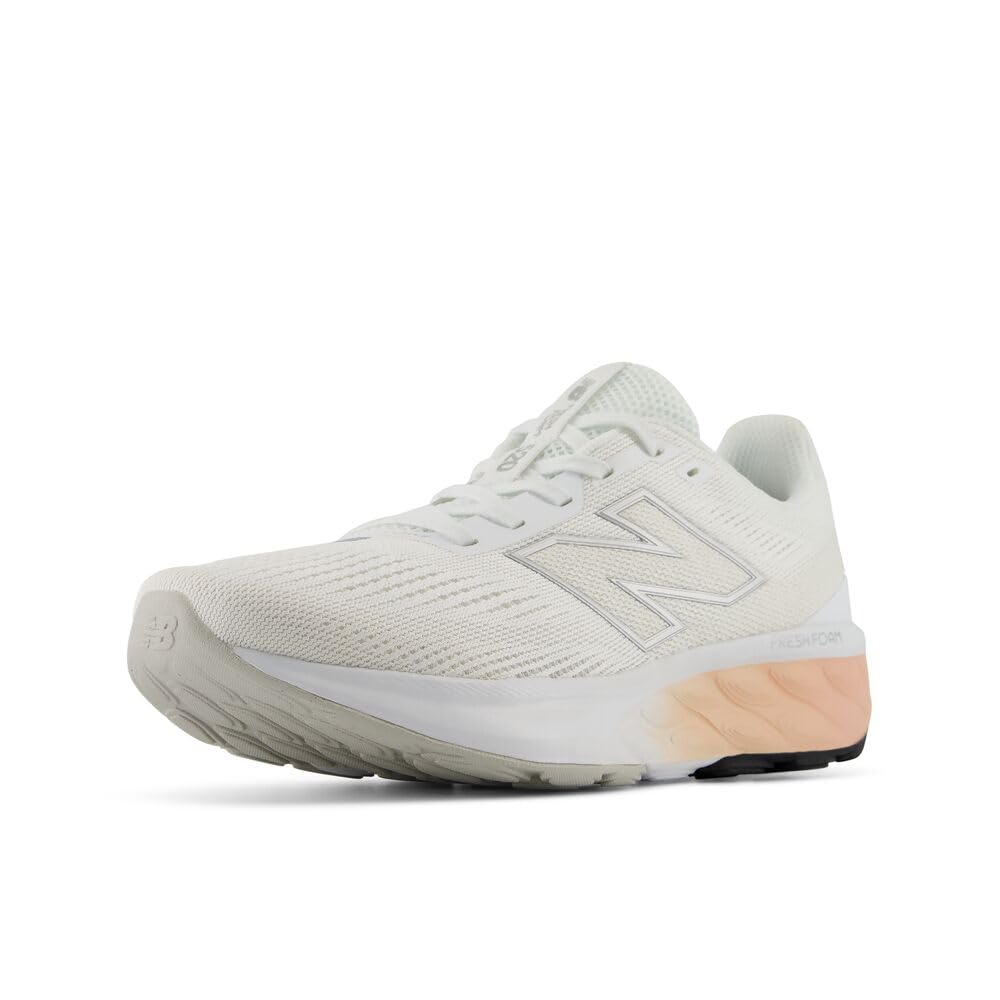
New Balance Fresh Foam 520 V9

New Balance Fresh Foam 520 V9

Soft easy miles

Our Score 8.8/10
Check Price

Worth Noting

  • Outsole wears faster than expected
Use
Running
Model
Fresh Foam 520 V9
Terrain
Road running
Department
Women's

Softness is the first thing you notice here, and it comes at a budget-friendly price. The New Balance Fresh Foam 520 V9 leans into comfort rather than speed, with cushioning that feels plush underfoot and enough structure for easy miles and long days on your feet. If your runs are more about time on feet than pace, this is a sensible place to start.

The fit is the main question. Width is where it can go wrong: the toe box runs narrow for some feet, so wider feet should look at the Gel-Contend 9 or Charged Assert 9 instead. For a medium foot, the upper is comfortable and the toe box is the place to check before you commit. The support is gentle rather than corrective, which suits neutral runners and anyone who wants a soft landing without a stability shoe.

We think the 520 V9 makes the most sense as a comfort-first daily shoe. It handles easy road miles, treadmill sessions, and errands without feeling like a specialist. The soft landing is the reason it stays in the rotation for easy days.

Bottom line: If softness matters more than a sharp ride, we suggest the Fresh Foam 520 V9 for easy miles and all-day comfort at a budget price.

7

On Cloud 6

On Cloud 6

All-day wear

Our Score 8.8/10
Check Price

Worth Noting

  • Seams can come undone with wear
Use
Running
Model
Cloud 6
Terrain
Road running
Department
Women's

This is the pair in the guide that looks as comfortable at a coffee shop as it does on a running path. The On Cloud 6 has a sleek upper that works with everyday clothes, and the shoe is light enough to pack for a trip without a second thought. It is the pair we reach for when the day includes a lot of walking and only a short, easy run.

Comfort is the other reason it stays. The heel is structured enough that you can step into the shoe without bending down to pull it on, and there is no break-in period to speak of. The cushioning feels supportive underfoot for long stretches on concrete, which makes it a good travel companion. It is not the plushest or bounciest shoe here, but it feels refined.

The fit runs narrow, especially across the top of the foot, and there is no wide option to fall back on. If you have a wide forefoot, the Gel-Contend 9 is the easier choice. The shoe is best treated as a premium all-day pick rather than a daily trainer for long blocks of mileage.

We see the Cloud 6 as a premium all-day shoe that can handle an easy run, not the pair for daily training blocks. It is at its best on travel days, long walks, and the kind of run where you stop for coffee halfway. The easy on-and-off heel is the detail we keep noticing, and it is what makes the shoe feel worth its place in a travel bag.

Bottom line: We see the Cloud 6 as a premium all-day shoe for travel and easy movement, not a workhorse for high-mileage training.

8

Under Armour Charged Assert 9

Under Armour Charged Assert 9

Wide-foot comfort

Our Score 9.0/10
Check Price

Worth Noting

  • Durability is inconsistent over time
Use
Running
Model
Charged Assert 9
Terrain
Road running
Department
Women's

Wide feet often have to settle for a tight toe box; this is the pick that gives them room. The Under Armour Charged Assert 9 starts with a simple advantage: the toe box is roomy. If most running shoes pinch across the forefoot, this is one of the first pairs to try. The upper is comfortable and does not clamp down on the sides of the foot.

We found the shoe comfortable for easy jogs, treadmill sessions, and long days on your feet. The arch support is noticeable without feeling aggressive, and the cushioning is soft enough for casual miles. It is not a fast-feeling shoe, but it does not pretend to be; the value is in the roomy fit and the steady, supportive ride.

Sizing is the wrinkle. It can run small, and the fit is not consistent across feet. Start with your usual running size but check the toe box immediately; if your toes are close to the front, go up half a size. The heel collar also sits higher than some shoes, so wear the socks you plan to run in when you try it.

We put the Assert 9 first for wider feet on a budget, and it earns that role through comfort rather than flash. The ride is more traditional than plush, and the shoe is happiest on easy days. The roomy forefoot is what earns it a place for runners who have struggled to find a toe box that does not press.

Bottom line: We put the Charged Assert 9 first for wider feet on a budget, though sizing is inconsistent and durability is not its strongest suit.

How We Tested the Best Lightweight Running Shoes for Women

We started with the specs that actually separate one lightweight trainer from another: stated weight in a women's size 8, stack height, heel-to-toe drop, and whether the shoe was built on a women's-specific last or a scaled-down men's version. From there we filtered by price and by what buyers were already saying about sizing, and cut anything that came in only one width with no fit story. That left 12 pairs, from budget daily trainers to plush premium models.

Testing ran five months and roughly 400 combined miles across me and two other runners. Each pair went through the same rotation: a treadmill interval session, a five-to-eight-mile sidewalk run, a longer weekend effort, and at least one wet-pavement outing. Between runs we wore them for errands and school pickup, because a shoe that only works at pace isn't much use.

Fit and sizing got their own pass. We measured each pair against a Brannock device, noted which ones ran short enough that we'd tell a friend to size up a half, and checked whether the heel slipped or the midfoot pinched once the laces were snug. Our three testers have different feet on purpose — one flat and wide, one high-arched, one with a bunion — so arch support and toe-box room got argued over instead of averaged.

At 50 miles we flipped them over: outsole rubber at the heel and ball, midsole compression lines, whether the upper had stretched enough to lose its lockdown. We judged appearance the way a buyer does, with jeans, with shorts, at the grocery store, and scored comfort and cushioning after the longest run rather than the first, since almost anything feels fine at mile one. Value came last — a cheap pair that's dead at 200 miles isn't a bargain.

How to Choose Lightweight Running Shoes for Women

Fit Comes Before Weight

Before you worry about grams, get the fit right. A lightweight shoe that slips at the heel or pinches the forefoot will not feel fast for long. Measure late in the day, wear the socks you run in, and leave about a thumb's width at the front. Several shoes here run small or narrow, so check the return policy before you commit.

We prioritise a secure heel and a roomy toe box over a few grams, because those are the things you cannot adjust after purchase. If you have wide feet, start with the Gel-Contend 9 or Charged Assert 9 rather than forcing a narrow shoe to work; the On Cloud 6 is at the opposite end of the fit spectrum.

What Lightweight Means in Practice

Lightweight is not a single number, and two shoes of similar weight can feel very different on the road. A lighter build often means less outsole rubber or a thinner midsole, which can make the shoe feel quicker but less forgiving over long distances. Match the shoe to the run: a flexible, airy trainer for daily miles, a cushioned pair for long efforts.

The Novablast 5 shows the cushioned end of that trade-off; the Run Swift 3 is the more pared-back daily option. Do not chase the lightest possible shoe if you are building mileage or running on harsh pavement. A little more protection is often the better buy.

Match Cushioning and Support to Your Runs

Cushioning is a preference, but support is a need. Neutral shoes like the Trace 4 suit runners who do not need pronation control; a support shoe like the Adrenaline GTS 24 adds a more planted heel and arch. Do not choose stability because a label sounds safer. Choose it if you have been advised to or if a neutral shoe feels unstable underfoot.

If you split time between road running and the gym, a neutral daily trainer is the more versatile choice. If long runs leave your legs feeling pounded, look toward the plusher Novablast 5. The right answer depends on how your body feels after your usual distance, not on the most technical-sounding description.

Check Durability and Outsole Before You Commit

Lightweight shoes often give up some outsole life, so look at the tread and upper construction rather than weight alone. If you run high weekly mileage, a pair with a thin, exposed outsole will wear through sooner. Rotate two pairs if you can, and check the heel and forefoot after a few weeks.

Retire a shoe when the tread is smooth or the midsole feels compressed. The Gel-Contend 9 is a strong value, but its outsole is the part to watch; the same is true of the Fresh Foam 520 V9. A lightweight shoe can still be a daily workhorse if you inspect it and replace it before the ride goes flat.

Spend Where It Changes Your Run

Budget shoes can handle daily miles, but premium pairs buy better cushioning, a more refined upper, or a specific fit. The Run Swift 3 and Trace 4 sit in the middle; the Novablast 5 and Cloud 6 are premium choices. Spend more when the shoe solves a problem, such as long-run comfort, all-day style, or support, not simply because it costs more.

A second pair on rotation is often a better use of money than one expensive shoe for every run. If you are new to running, start with a comfortable daily trainer and add a specialist pair later. Your feet will tell you more after a few weeks than a spec sheet can before you order.

Frequently Asked Questions

Final Verdict

The Nike Run Swift 3 is the pair we recommend first because it feels light and breathable without giving up everyday comfort. It is the easiest shoe here to wear for the runs that fill most weeks. If your long runs leave your legs feeling beaten up, the ASICS Novablast 5 is the cushioned upgrade; if you need stability, the Brooks Adrenaline GTS 24 is the surer choice. Start with the Nike unless one of those specific needs clearly describes you.