Shoes

Best Women's Running Shoes for Plantar Fasciitis of 2026

Plantar fasciitis announces itself before your feet even hit the floor — that tight, hot pull through the arch with the first step out of bed. By afternoon it fades to a dull ache, which is exactly why so many of us keep running in shoes that aren't doing us any favors. The right pair won't cure anything, but it can take load off the plantar fascia by cradling the arch and softening the heel strike, and that's often the difference between finishing a run and limping home from one.

Over the past six months, my team and I have run easy miles, tempo miles, and long slow Sunday miles in 14 pairs, plus all the standing around that happens afterward. The pattern was consistent: the shoes we fought over weren't the softest or the trendiest, they were the ones whose arch support actually met the foot and whose fit held steady when we switched socks. Below are the pairs that earned a permanent spot by the door.

1

Hoka Bondi 9

Top Pick
Hoka Bondi 9

Severe heel pain

Our Score 9.0/10
Check Price

Worth Noting

  • Outsole and seam durability are inconsistent
  • Premium price within this set
Fit
True to size
Toe Box
Roomy
Cushioning
Maximal
Arch Support
Strong

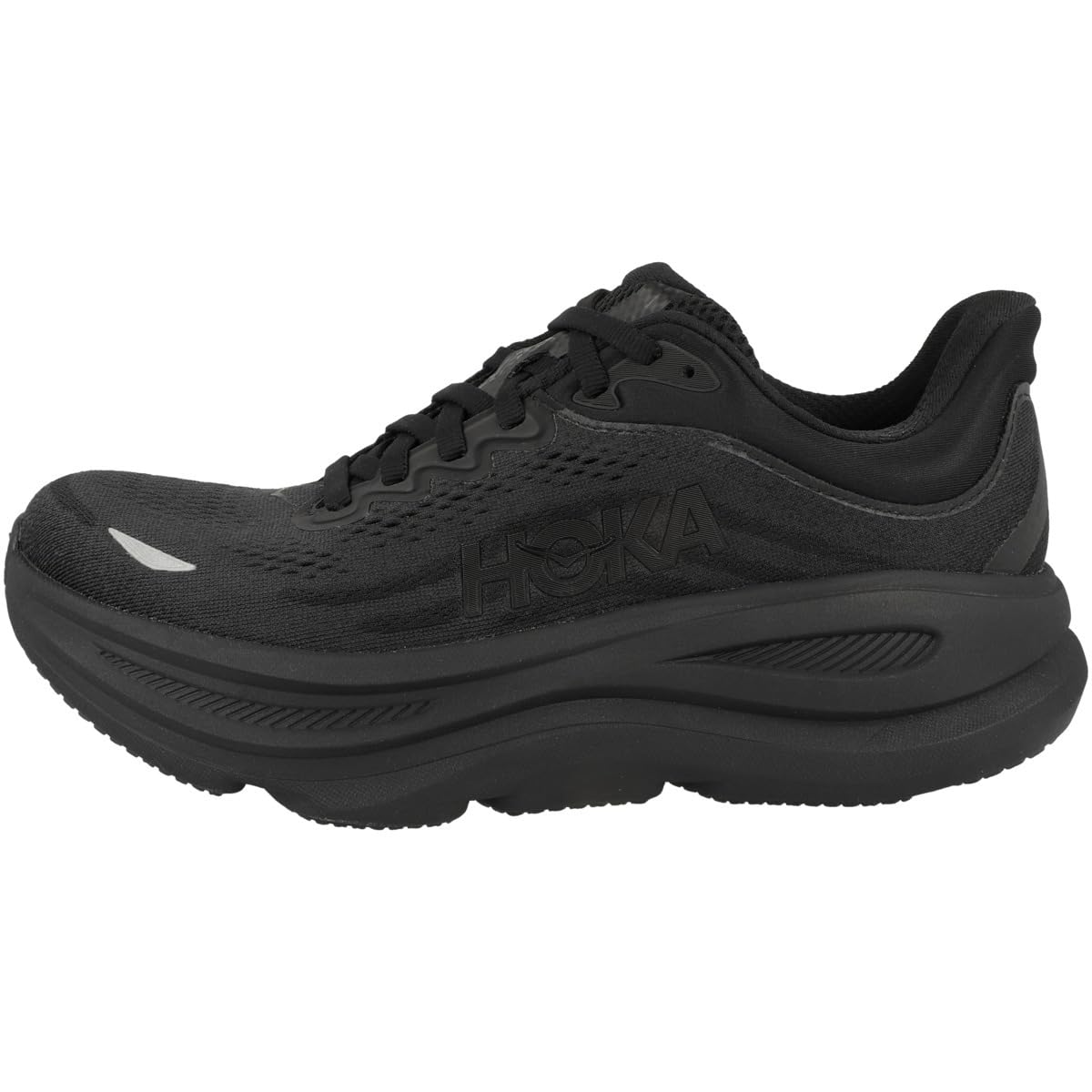
The Bondi 9 is the pair we reach for when a heel flare makes every step feel like a negotiation. Its cushioning is the plushest in this group, but what keeps it at the top for plantar fasciitis is the combination of that soft landing with a broad, stable base and arch support that does not fold away under weight. The toe box is roomy without looking like a medical shoe, which matters if you want to wear these for more than just runs.

We wore them for easy road miles and long errands, and the sum felt more protective than any other pick here. The wide platform gives the generous cushioning a grounded feel, and the plush midsole takes the edge off hard pavement without turning every step into a slog. If your plantar fasciitis is worst first thing in the morning or after a long day on your feet, this is the shoe that feels like a break.

The Bondi 9 is the pair we point to first for a severe flare or a job that keeps you standing. It is not the lightest shoe here, and it is not the one we choose for fast intervals, but for protection on easy miles it is the most complete package in this group.

Bottom line: We recommend the Bondi 9 first for a severe plantar fasciitis flare, because its plush cushioning and strong arch support protect a painful heel better than anything else here.

2

Brooks Ghost Max 3

Brooks Ghost Max 3

Cushioned daily miles

Our Score 8.6/10
Check Price

Worth Noting

  • Durability is inconsistent
Fit
True to size
Toe Box
Wide
Cushioning
Maximal
Arch Support
Moderate

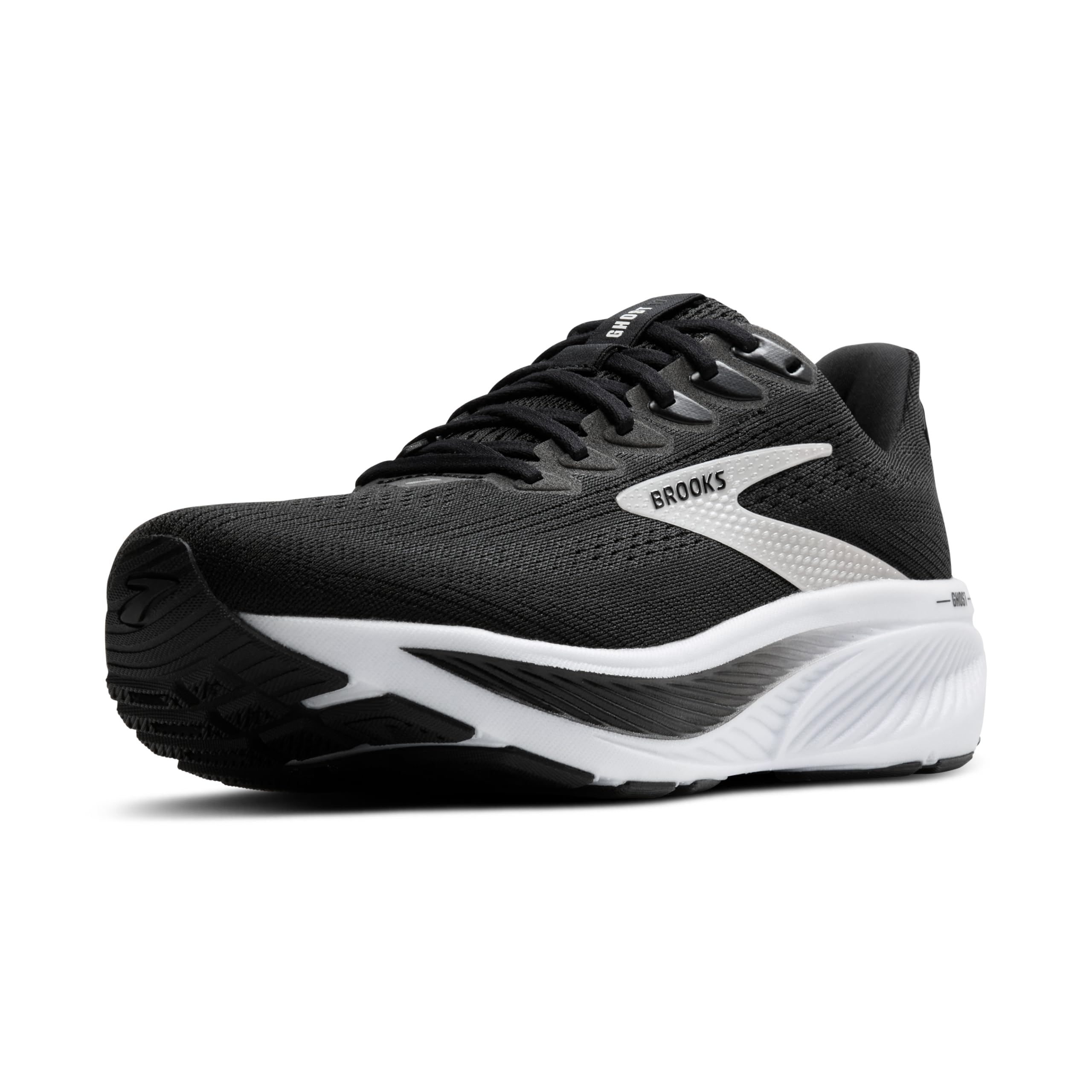
The Ghost Max 3 takes the max-cushion brief and trims the price. The platform is soft, the toe box is wide, and the shoe is built to swallow a long day on your feet. It also has room for a custom orthotic, which is not something every plush shoe manages.

We liked it best as a daily-mile shoe for runners who want cushioning without the Bondi's premium. The arch support is steady rather than dramatic, so it suits a mild-to-moderate flare better than a severe one. The wide toe box is the detail we kept coming back to: it gives your toes room to spread without making the shoe look oversized.

It is not the plushest shoe in the group, and it does not have the Bondi's bottomless cushioning, but it finds a useful middle ground. For a runner who wants one pair for easy miles and long shifts, it is the value pick we mention most often.

Bottom line: We recommend the Ghost Max 3 for a wide, cushioned daily trainer that gets close to our top pick without the premium, especially if you need room for an orthotic.

3

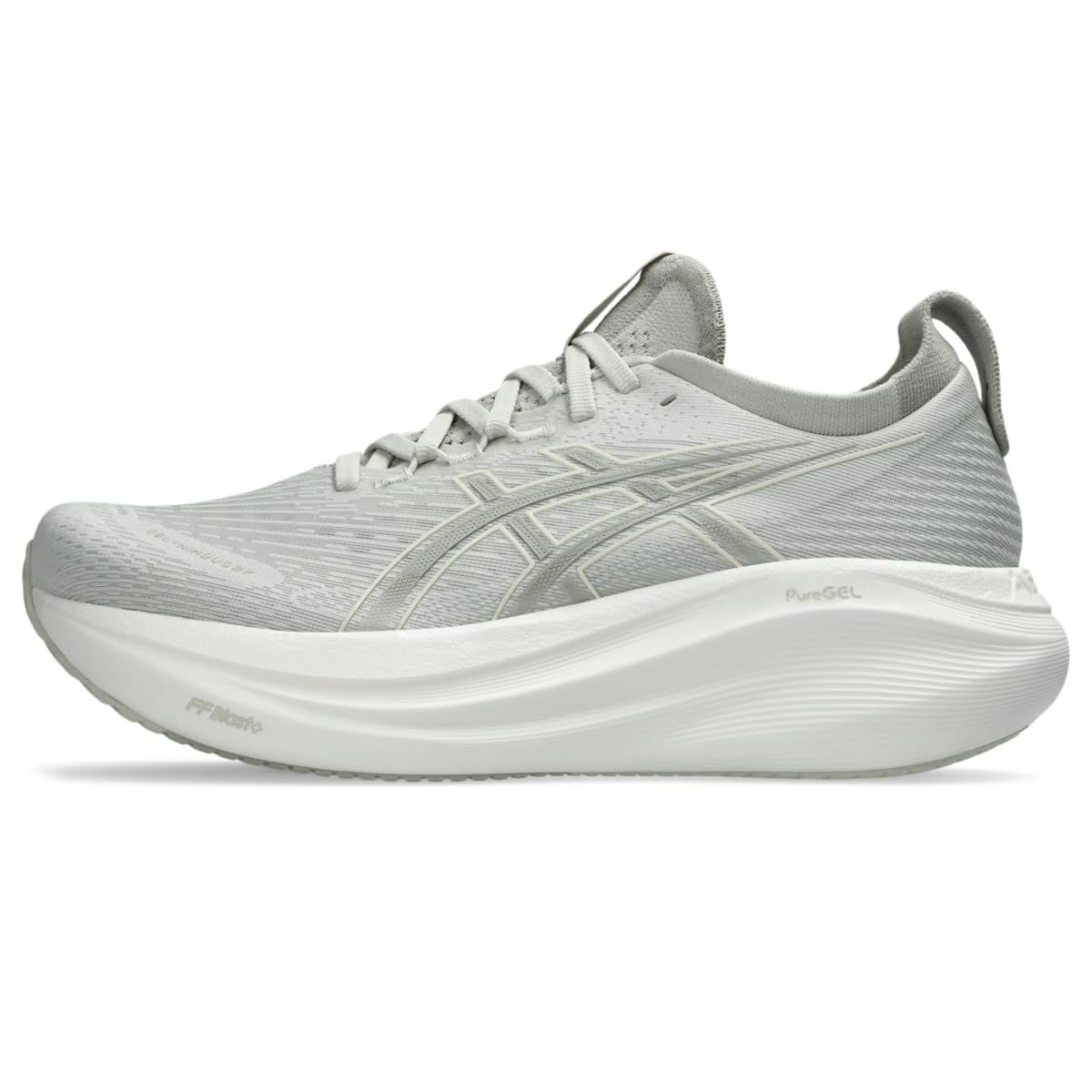
ASICS Gel-Nimbus 27

ASICS Gel-Nimbus 27

Long-distance comfort

Our Score 8.8/10
Check Price

Worth Noting

  • Durability is mixed
Fit
Generous
Toe Box
Standard
Cushioning
Plush
Arch Support
Balanced

The Gel-Nimbus 27 is the soft, quiet option in this group. Step in and the cushioning feels plush without the high, imposing stack of the Bondi 9, which makes it easier to wear for a mix of easy runs and long walks. The upper is breathable and the arch support is balanced rather than aggressive, so it cradles the foot instead of pushing at it.

The fit is the part to get right. It runs generous for some runners, and the toe box is more standard than the roomy shapes on the Hoka and Brooks Max. If you're between sizes, try the smaller one first; if you have a wide forefoot, this may not be the pair.

We liked the Nimbus 27 most for long, steady miles and days when you want cushioning without a max-cushion shoe's bulk. It is not the firmest or the fastest pick here, but it is one of the easiest to live with. If your plantar fasciitis is sensitive to hard landings and you want a softer, more flexible ride, this is a strong choice.

Bottom line: We recommend the Gel-Nimbus 27 for long, easy miles when you want plush cushioning and balanced arch support without a max-cushion shoe's bulk.

4

Brooks Ghost 17

Brooks Ghost 17

Everyday training

Our Score 8.8/10
Check Price

Worth Noting

  • Durability is inconsistent
Fit
Narrow
Toe Box
Narrow
Cushioning
Balanced
Arch Support
Strong

The Ghost 17 is not the plushest shoe here, and that's exactly why some runners will prefer it. It has a firmer, more grounded ride than the Bondi 9 or Nimbus 27, with arch support that keeps the ankle feeling stable without turning the shoe into a corrective device. We liked the neutral platform for everyday runs because it lets your foot do its own work.

The fit is the sticking point. The standard width can pinch across the forefoot, so if you have a wide foot or a bunion, start with the wide width. Cushioning is also a matter of taste: this is a shoe for runners who want some road feel, not a cloud. It's a sensible everyday trainer for mild plantar fasciitis, especially if you split your miles between this and a softer pair.

Bottom line: We recommend the Ghost 17 for runners who want a firmer, stable everyday trainer and do not need the plushest ride in the category.

5

ASICS Novablast 4

ASICS Novablast 4

Light daily miles

Our Score 9.2/10
Check Price

Worth Noting

  • Runs large for some feet
Fit
Runs large
Toe Box
Wide
Cushioning
Bouncy
Arch Support
Strong

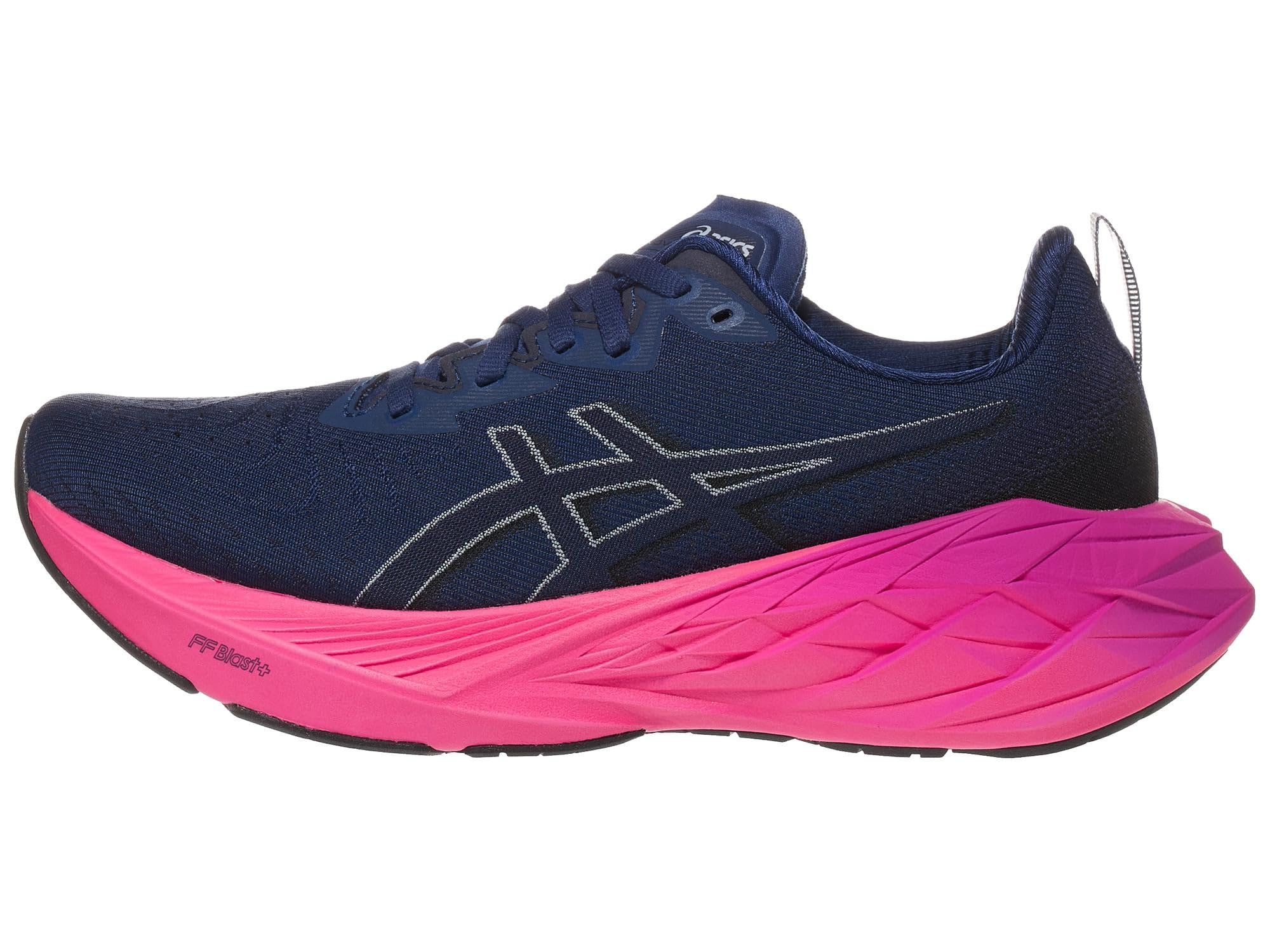
The Novablast 4 is the liveliest shoe in this group. It has a bouncy, breathable ride that feels lighter than the max-cushion picks, and the arch support is unusually strong for a neutral performance shoe. If you want to keep running through plantar fasciitis without feeling like you're wearing a recovery boot, this is the pair that makes that feel possible.

We liked it best for short, easy runs and days when the heel is calm but the legs feel flat. The cushioning is generous without being mushy, and the bouncy midsole keeps the ride from feeling flat. It won't protect a severe flare the way the Bondi 9 does, but it keeps the joy in a run better than most.

The breathable upper is a real plus in warm weather, and the shoe is light enough to wear for errands after a run. It is not the most stable pick for a very painful heel, but it is the one we choose when we want to feel quick without giving up cushioning.

Bottom line: We recommend the Novablast 4 for a lighter, bouncier ride with strong arch support, as long as you size it carefully and do not need maximum protection in a severe flare.

6

New Balance Fresh Foam 520 V9

New Balance Fresh Foam 520 V9

Budget daily runs

Our Score 8.8/10
Check Price

Worth Noting

  • Outsole durability is limited
Fit
Narrow
Toe Box
Narrow
Cushioning
Soft
Arch Support
Moderate

The Fresh Foam 520 V9 is the budget option that doesn't feel like a punishment. The cushioning is soft, the shoe is light enough for easy miles, and the arch support is better than the price suggests. It's the pair we hand to someone who wants to try a cushioned running shoe without committing to a premium one.

It works best for errands, easy jogs, and long stretches on your feet. The Fresh Foam midsole has a soft, almost springy feel, and the upper is comfortable from the first wear. It doesn't have the stable, planted ride of the Brooks Ghost Max 3, but it also doesn't ask you to pay for it.

We liked it as a second pair or a budget-first pick, not as the one shoe for a serious training block. The toe box runs narrow for some feet, so wide-footed runners should order the wide width or look elsewhere. For the price, it's a comfortable way to add cushioning without a big commitment.

Bottom line: We recommend the Fresh Foam 520 V9 as a budget-first cushioned shoe for easy jogs and long days on your feet, provided you can get the width right.

7

Under Armour Charged Assert 9

Under Armour Charged Assert 9

Budget wide fit

Our Score 9.0/10
Check Price

Worth Noting

  • Seam durability is inconsistent
Fit
Runs small
Toe Box
Wide
Cushioning
Moderate
Arch Support
Moderate

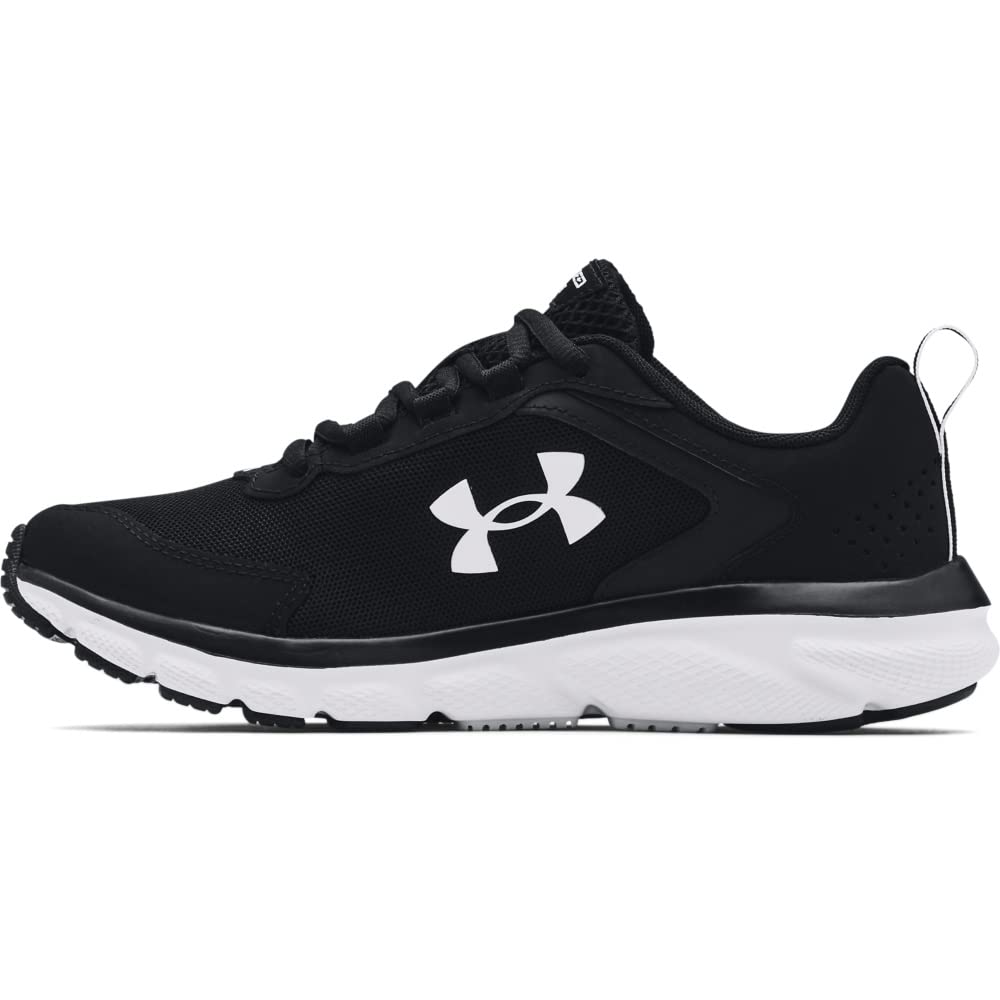
The Charged Assert 9 is cut wider through the toe than its budget price suggests, which is why it stays in our rotation for easy days. The upper is roomy enough for a broad forefoot, and the shoe has a lightweight feel that makes it easy to forget you're wearing a running shoe. It's not the plushest pair here, but it doesn't feel cheap either.

We noticed the heel collar sits higher than a low-cut sneaker, so a sock that covers the ankle is the comfortable choice. The cushioning is more moderate than max-cushion, which gives it a firmer, quicker feel on short runs. That makes it a decent choice for a runner who wants support without a lot of shoe around the foot.

The arch support is good for the price, and the wide toe box is the standout. It's also one of the few picks here that can double as a work shoe without looking too technical. The trade-off is that it runs small for some feet, so try a half size up if you're between sizes.

We liked it as an affordable wide-fit option for mild plantar fasciitis and easy miles, not as the one shoe for a severe flare. If you need maximum cushioning, go with the Bondi 9 or Ghost Max 3; if you want a roomy, budget-friendly pair for short runs and errands, this one earns its place.

Bottom line: We recommend the Charged Assert 9 as an affordable wide-fit option for mild plantar fasciitis and easy miles, not as a max-cushion solution for a severe flare.

How We Tested the Best Running Shoes for Plantar Fasciitis

We started by pulling every women's running shoe we could find that listed arch support or a stability-leaning design, then cut the list with three filters: a heel-to-toe drop under 10 millimeters, a midsole dense enough that a thumb press left a shallow dent rather than a crater, and a size run that actually includes wide widths. That left 14 pairs, which we bought ourselves and rotated through six months of training — no break-in exceptions, no saving the good ones for race day.

Every pair went through the same routine. Each tester wore hers for the first twenty minutes of the day, padding around the kitchen before the morning stretch, because that first-step pain is the whole point. From there: short treadmill runs, a hilly four-mile loop, a longer weekend run, and a full day on concrete at a soccer tournament or running errands. We wore each pair with thin and thick socks and noted where the heel slipped, whether the arch felt like support or like a pebble, and whether the toe box pinched after mile three. A few of us deliberately ordered a half size up to see if the extra room helped or turned the fit sloppy.

At 50 miles we flipped every shoe over and looked at the outsole at the lateral heel and the foam under the arch — some midsoles had already packed out into a flat pancake by then. Value came down to miles per dollar before the cushioning gave out, and appearance to whether anyone was willing to wear them to coffee afterward. By the hundredth mile we knew which ones we'd reach for on a bad-arch morning without thinking twice.

How to Choose Women's Running Shoes for Plantar Fasciitis

Start With Cushioning and Arch Support

A plush midsole can take the sting out of the first step, but it only helps if the shoe also holds the arch. We look for a broad, stable base and a supportive arch rather than a squishy foam that bottoms out. The Hoka Bondi 9 is the clearest example here: its max cushioning is paired with a wide platform. A bouncier shoe like the ASICS Novablast 4 can work too, as long as the arch still feels secure when you stand on one foot. Try the shoe on late in the day and stand on one foot; if the arch collapses, keep looking.

Get the Toe Box and Width Right

Plantar fasciitis often comes with a wider forefoot or a bunion, and a tight toe box can undo the comfort of a good midsole. Look for a shoe that lets your toes spread without pressing on the sides. The Under Armour Charged Assert 9 runs roomy for its price, while the Brooks Ghost Max 3 has one of the widest toe boxes in this group. If you are between widths, go wide rather than long: extra length can make the heel slip and force your toes to claw. Check that you can wiggle your toes and that the heel stays put when you walk.

Match the Ride to Your Miles

A max-cushion shoe is lovely for easy days and long shifts, but it can feel slow when you want to pick up the pace. A firmer, more grounded shoe like the Brooks Ghost 17 gives you more road feel and a quicker turnover. The ASICS Novablast 4 sits in the middle with a lighter, bouncier ride. Think about the runs you actually do, not the ones you hope to do: if most of your miles are easy, prioritize cushioning; if you mix in faster work, keep a firmer pair in the rotation. Choose one plush pair for recovery and one firmer pair for quicker days if you run often.

Plan for Wear and Replacement

Durability is the weak spot across this category. Uppers tear, seams separate, and outsoles wear smooth faster than the rest of the shoe looks tired. That does not mean you need to baby them, but it does mean you should rotate pairs and inspect the outsole every few weeks. A shoe with a compressed midsole or a smooth tread is done, even if the upper still looks fine. Keeping a second pair in the rotation spreads the wear and gives the foam time to recover. Retire running shoes when the tread is smooth or the midsole feels flat, and don't save a worn pair for long runs.

Frequently Asked Questions

Final Verdict

We recommend the Hoka Bondi 9 first for women whose plantar fasciitis flares under every step. Its max cushioning, broad base, and strong arch support make it the most protective shoe in this group, and the roomy toe box keeps it livable for long days. The Brooks Ghost Max 3 is the better call if you want a similar cushioned feel for less, while the ASICS Novablast 4 suits runners who want a lighter, bouncier ride. If your heel needs a firmer, more grounded shoe, choose the Brooks Ghost 17.