Skincare

Best Face Oils of 2026

A face oil can fail in two directions: too heavy and you spend the day shiny, too fragrant or poorly formulated and your skin protests by morning. The best ones soften that tight, post-cleanse feeling without leaving a film, and they layer under sunscreen without pilling. I read the ingredient list before the front label—single oils and blends behave very differently, and a pretty bottle tells you nothing about how something will sit on your skin. The right oil makes your routine feel more comfortable, not more complicated.

Over the past six months, I've put 14 face oils through my morning and evening routines, and my team has done the same on their own skin. What separated the standouts wasn't just glow: it was whether the scent came from the oil itself or added fragrance, whether reactive skin stayed calm, and whether a small bottle still felt reasonable ounce for ounce. The picks below were chosen for everyday use, not for a once-a-week experiment.

1

Cliganic Organic Jojoba Oil

Top Pick
Cliganic Organic Jojoba Oil

Daily all-skin care

Our Score 9.4/10
Check Price

Worth Noting

  • No treatment actives: hydration only
Size
4 oz
Skin Types
All skin types
Ingredients
100% pure cold-pressed jojoba

Jojoba is the oil we hand to anyone who has never used one. It behaves less like a pressed plant oil and more like the wax skin already produces, so it softens dry patches without leaving the film that puts people off oils for good. Cliganic's is a single ingredient, cold pressed, USDA organic and Non-GMO verified, sold in a four-ounce bottle with a dropper.

On combination skin that breaks out along the jaw, we found it the least eventful step in the routine, in the best way. Two or three drops pressed over damp skin disappear in a minute or two and leave a soft finish rather than a shine, which is why it also works first thing in the morning under sunscreen and makeup. Nothing about it announces itself, and that's the point of a bottle you'll reach for every day.

The texture is thin, close to water, so a full dropper will run down your chin before you've finished spreading it. Dispense into your palm, not onto your forehead. The bottle is generous enough that we stopped rationing it — a few drops for the face, the rest for cuticles, elbows, and the ends of our hair, all of which is fair use for an oil this plain.

If uneven tone or fine lines are what sent you looking, a rosehip pick will do more for you; jojoba is here to make skin comfortable and nothing beyond that. For everyone else, it's the safest four ounces in the category to start with.

Bottom line: The face oil we recommend first: one ingredient, a soft non-greasy finish, and enough in the bottle to use on your hands too.

2

The Ordinary Rose Hip Seed Oil

The Ordinary Rose Hip Seed Oil

Uneven tone, dull skin

Our Score 9.4/10
Check Price

Worth Noting

  • Earthy, hay-like scent won't suit everyone
Size
1 fl oz
Skin Types
All skin types
Ingredients
100% organic cold-pressed rose hip seed oil

Rosehip is what we reach for when skin looks tired rather than dry, and The Ordinary's is the bottle that convinced us it doesn't take a luxury price to see a difference. It's one ingredient, cold pressed, organic, and unrefined, which means nothing has been bleached or deodorized out of it: the oil is dark amber and feels closer to a light serum than a body oil between your fingers.

Three drops as the last step at night, which is what the label suggests, and skin looks less flat by morning and feels smooth rather than slick. It layers without pilling over a water-based serum, and it doesn't settle into the creases beside the nose the way a heavier blend can. The label is also the reason it makes a sensible first rosehip: patch test and keep it off broken skin.

One ounce looks stingy beside the four-ounce bottles here and isn't, for this oil in particular. Rosehip turns faster than jojoba or squalane, so a small bottle you actually finish beats a bargain you keep for two winters. Store it in a cupboard rather than on a sunny windowsill and it will smell the same at the end as it did at the start.

Bottom line: Our pick for dull, uneven skin: unrefined rosehip at a fair price, in a one-ounce bottle you'll finish before it turns.

3

Good Molecules Squalane Oil

Good Molecules Squalane Oil

Lightweight layering

Our Score 9.2/10
Check Price

Worth Noting

  • 13 ml bottle empties quickly with daily use
Size
13 ml
Finish
Lightweight, fast-absorbing
Skin Types
All, including sensitive
Ingredients
Squalane

If you've decided you hate face oil, squalane is what to test that against. It's a lightweight lipid that mimics skin's own moisture rather than a pressed plant oil, so it absorbs almost immediately and leaves nothing behind — no shine, no film, and next to no scent. Good Molecules keeps the formula to squalane alone, vegan and cruelty-free, in a 13-milliliter dropper bottle.

We used it over a hydrating serum and under moisturizer, and it's the pick that never changed how the next morning's makeup sat. Reactive skin tolerates it well: there's no added fragrance and nothing in it that needs a tolerance built up. Because squalane is stable, a bottle used a drop at a time also won't turn the way rosehip can, which is more than most small bottles here can promise.

Bottom line: For oily, reactive, or oil-averse skin, this is the one: weightless, nearly odorless, and easy to layer morning or night.

4

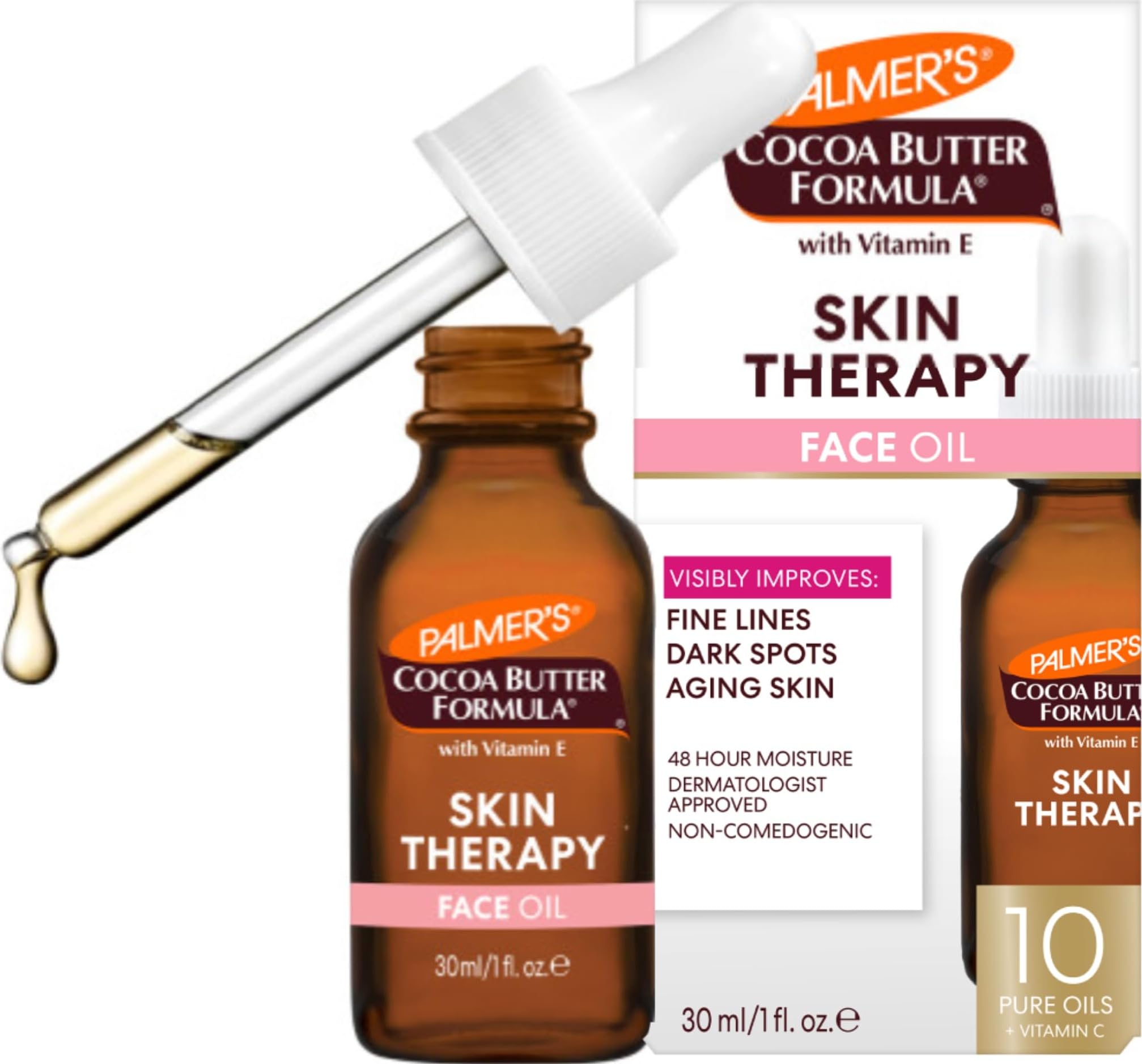
Palmer's Skin Therapy Face Oil

Palmer's Skin Therapy Face Oil

Fine lines

Our Score 9.2/10
Check Price

Worth Noting

  • Can trigger breakouts on acne-prone skin
  • Not for skin already using a prescription retinoid
Size
1 fl oz
Oil Blend
Ten plant oils including cocoa butter
Key Actives
Retinol and vitamin C

Palmer's treats this as skincare with an active in it rather than a plain moisturizing oil: ten plant oils including cocoa butter, plus retinol and vitamin C, aimed at fine lines and uneven tone. That makes it a different purchase from everything else on this list — you're buying a treatment that happens to be an oil.

It absorbs faster than that ingredient list suggests, with no heavy film, and the glow is there when you wake up. The scent is warm and cocoa-buttery and it lingers, which we enjoyed and anyone who avoids fragrance on principle won't. A few drops is plenty; the richness means more product just sits there.

We liked it most as the whole nighttime step on nights we couldn't be bothered with a serum, and the difference showed up around the eyes and the fine lines beside the mouth. Where we'd be careful is pairing it with anything else active — retinol doesn't need a second retinoid in the same routine.

Bottom line: Buy this if you want retinol and vitamin C in one nightly step and don't mind a rich, scented formula.

5

Kate Blanc Rosehip Seed Oil

Kate Blanc Rosehip Seed Oil

Gua sha, massage

Our Score 9.2/10
Check Price

Worth Noting

  • Natural scent varies from bottle to bottle
Size
1 fl oz
Texture
Lightweight, fast-absorbing
Ingredients
100% pure organic cold-pressed rosehip oil

A gua sha routine lives or dies on slip. Drag a stone over dry skin and the whole session is a wince; this is the oil we keep beside the tool. Kate Blanc's rosehip is thin enough to spread into a real glide layer but slick rather than sticky, so the stone travels up the jaw without skipping or pulling at the skin.

One ounce, organic and cold pressed, and it behaves more like a facial oil than a cooking oil — it sinks in after a minute or two, leaves skin soft rather than shiny, and doesn't leave the stone greasy to hold. We also used it as the final step on nights we skipped the massage, and skin looked calmer and more even the next morning.

As a first rosehip it's also a low-risk one: a single ounce, a price that doesn't sting, and a texture that tells you quickly whether your skin likes the oil at all. What it isn't is a bottle for someone who wants to oil their neck, chest, and hair as well — for that, go up to the four-ounce Cliganic.

Bottom line: The rosehip we reach for before a gua sha session: slick enough for the stone, light enough to sink in after.

6

Cliganic Organic Rosehip Seed Oil

Cliganic Organic Rosehip Seed Oil

Face and body

Our Score 9.2/10
Check Price

Worth Noting

  • More oil than a face-only routine will finish fresh
Size
4 fl oz
Purity
Hexane-free, third-party tested
Ingredients
100% pure cold-pressed rosehip seed oil

Four ounces is a lot of rosehip. Cliganic sells its organic, cold-pressed, unrefined version in a bottle four times the size of The Ordinary's, and that single fact decides who should buy it. The oil is hexane-free and third-party tested for purity, and it keeps the amber color and the fatty acids that make rosehip useful for dullness.

On the skin it's quicker than a four-ounce bottle suggests: a few drops spread easily, sink in without a tacky finish, and sit comfortably over a night cream without pilling. Mornings after using it, skin felt softer, and the dullness around the cheeks was the first thing to go.

Where this earns its place, for us, is anywhere you'd otherwise be stingy with a one-ounce bottle: the neck and chest, the backs of the hands, the ends of your hair, a few drops in a bath. Used that way, the big bottle works out cheaper per ounce than any of the small ones here, and we stopped treating it as a face-only purchase within a week.

Bottom line: The best value per ounce here, provided the rosehip is going on your neck, hands, and hair as well as your face.

7

NOW Sweet Almond Oil

NOW Sweet Almond Oil

Budget all-over oil

Our Score 9.4/10
Check Price

Worth Noting

  • Too thin for very dry or tight skin
Size
4 fl oz
Scent
Unscented
Absorption
Light, easily absorbed
Ingredients
Pressed sweet almond oil

Sweet almond is the thinnest oil here, and that's the whole case for it: pressed almonds, nothing added, and a texture that vanishes into skin almost immediately. NOW's version is unscented, Non-GMO, and sold in a four-ounce bottle.

We used it on damp skin straight out of the shower, the moment when a heavier oil would sit on top and transfer to a towel. It leaves skin soft and mostly matte rather than glossy, which makes it the bottle to hand someone who insists they can't stand the feeling of oil on their face.

There's no fragrance to clash with a moisturizer or sunscreen on top, and no active that limits when you can use it, so it layers under anything, morning or night. It's also the least expensive way into the category on this page, which matters if you want to find out whether a face oil suits you before spending more.

As a daily, no-fuss oil for normal-to-oily skin, it does what the expensive bottles do for a fraction of the money, and it's the one we replace without thinking about it. Dry, tight skin will want something with more body.

Bottom line: The cheapest way into a face oil: unscented, quick to vanish, and best for skin that dislikes anything sitting on top.

8

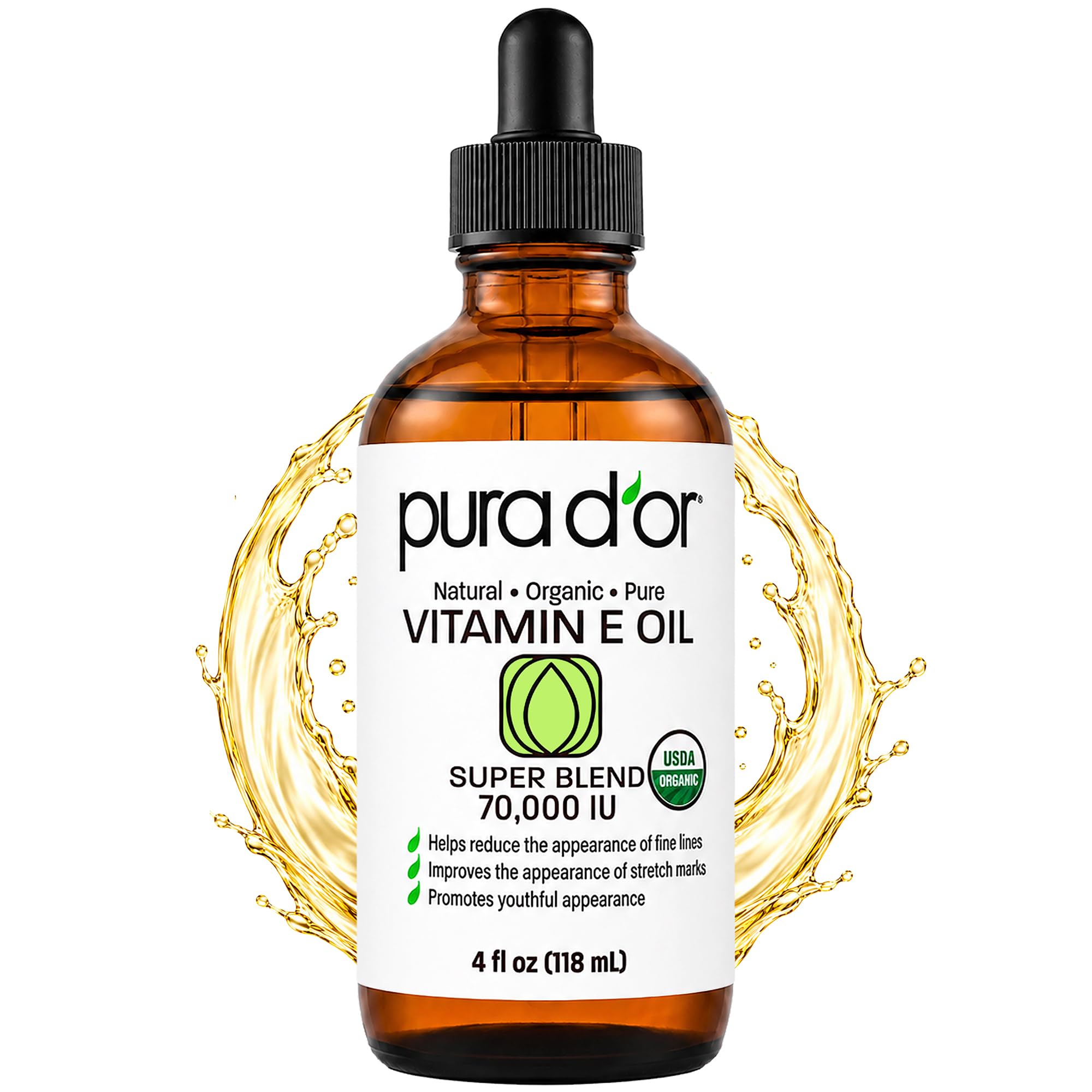
PURA D'OR Vitamin E Oil

PURA D'OR Vitamin E Oil

Rough, dry patches

Our Score 9.4/10
Check Price

Worth Noting

  • Not pure vitamin E, despite the name
Base
Seven organic plant oils
Size
4 fl oz
Free From
Parabens, sulfates, synthetic fragrance
Vitamin E
70,000 IU

Seventy thousand IU is the number on the front of the bottle, and it counts the vitamin E inside a blend rather than the strength of a pure oil. Behind it are seven organic plant oils — argan, jojoba, rosehip, apricot, sweet almond, avocado, and sunflower — with no synthetic fragrance, parabens, or sulfates added.

As a face oil it's the richest thing in this group. A drop or two pressed over moisturizer at night is enough; anything more and you'll feel it on the pillowcase. The scent comes from the oils themselves, soft and nutty, and it fades quickly.

Where it earned its place for us was everywhere else: elbows, heels, cuticles, the dry patch under a watch strap, a few drops in a bath. At this size and cost per ounce it's the one bottle here that handles the whole body without flinching, and that's worth having on the shelf.

It's the pick we recommend least often as a dedicated face oil, and the most often as the bottle that solves dry skin generally. If your face is the only thing you plan to oil, buy smaller.

Bottom line: A rich multi-oil blend that earns its keep on dry patches and rough heels as much as on the face.

How We Tested Face Oils in Real Routines

We built the shortlist by reading full ingredient lists, not just front-of-bottle claims. We started with roughly 30 oils, then narrowed to 14 based on ingredient transparency, whether fragrance appeared as an added ingredient, bottle size, and price per ounce. We kept a mix of single-ingredient oils and short blends so we could compare how each type behaved.

Testing ran for six months. In the first week, each tester patch-tested on the inner forearm and then the jawline for three nights, noting redness, tingling, or breakouts. After that, we used each oil in our normal routines: two to three drops after cleansing in the morning, again before bed, and sometimes under makeup or sunscreen on workdays. We applied it to damp skin and dry skin on separate days and noted whether it sank in or sat on top.

To judge moisturizing, we paid attention to tightness after cleansing and again mid-afternoon, especially in heated rooms and after workouts. For non-greasy feel, we pressed blotting paper to cheeks and forehead ten minutes after application and checked for residue; we also noted whether pillowcases felt tacky the next morning. For effectiveness, we tracked how skin looked and felt after four and eight weeks—softness, flaking, tone—rather than relying on first impressions. We smelled each oil straight from the bottle and again on skin to separate natural scent from added fragrance, and we stopped using anything that caused lingering irritation. Bottle size and value were judged by price per ounce and how many drops a full routine actually took, and we checked whether droppers leaked or dispensed too fast.

How to Choose a Face Oil

Start with richness, not your skin type label

Oil and oily skin aren't enemies. The two thinnest options here, jojoba and squalane, are the ones we point to for combination and breakout-prone skin, because they sink in and leave nothing to shine. Skin that feels tight after washing wants more body: the cocoa butter in Palmer's Skin Therapy or the seven-oil base in PURA D'OR. Normal-to-dry skin with a bit of dullness sits in the middle, where a single rosehip belongs.

The common mistake is buying the richest oil you can find because it sounds more nourishing. On oily skin it just sits there and ends up on your pillowcase.

Read the ingredient list, not the front label

A bottle can say rosehip in large letters while sunflower or safflower leads the list — a fine oil, but not the one you thought you bought. Single-ingredient oils name one thing and stop. Blends are a different product, and often a good one, but the active that matters can sit far down the list.

Vitamin E is the clearest example: a 70,000 IU claim counts the vitamin E inside a blend of seven oils, not the purity of the bottle.

Decide whether you want an active in it

Retinol and vitamin C turn a moisturizing oil into a treatment, which is a different purchase. If you want one nighttime step that does both, Palmer's is that product. If your skin is already on a prescription retinoid, or it reacts easily, a plain oil is the better partner — the treatment is already handled. Anything with retinol belongs at night, with sunscreen the next morning.

Take the scent seriously

Unrefined botanical oils smell like themselves: rosehip is earthy and sometimes hay-like, jojoba is close to nothing, sweet almond is faint and nutty. That's normal, and it shifts from bottle to bottle. Scented blends add another layer on top.

If your skin reacts easily, or you're layering this under a fragranced moisturizer or sunscreen, buy the plainest oil you can — the unscented almond or the squalane — and save the scented formulas for nights when it doesn't matter.

Buy a bottle you'll finish

Rosehip is the fragile one here, high in linoleic acid and quick to turn. A one-ounce bottle you use nightly is the right size; the four-ounce Cliganic makes sense only if the oil is also going on your neck, hands, and hair. Jojoba and squalane are stable and sit happily in a bigger bottle.

Whichever you choose, a dropper lets you dispense by the drop, which is the dose these products actually need — two or three, not a full pipette.

Frequently Asked Questions

Final Verdict

Start with Cliganic's jojoba. It's one ingredient, it sinks in without a film, and the four-ounce bottle is generous enough that you'll use it on your hands and hair as well as your face — which is exactly how a first face oil should go.

If dullness or uneven tone is why you're shopping, The Ordinary's rosehip is the better second bottle. If your skin is oily or reactive, go to the squalane instead. Add Palmer's when you want retinol doing a job in the same step.