Skincare

Best Face Serums for Women Over 50

Somewhere past 50, skin gets thirstier and thinner at the same time, and the ingredients that actually change something — retinol, vitamin C, a hyaluronic acid at a real concentration — are the same ones that can leave your face stinging by mid-afternoon. That's the tradeoff nobody puts on the box. A good serum is how you get the active in without the aftermath: it's the lightest, most concentrated step in the routine, and the formula built around the active matters every bit as much as the active itself. Get it right and your skin feels plump and comfortable within a week; get it wrong and you're back to the cream you were using before.

I've bought a serum off a magazine headline and handed it to my sister three days later, so I'm picky about the first week now. My team and I spent six months living with 14 of them, morning and night, under makeup and through a stretch of radiator-dry winter air. The ones that stuck around were gentle enough to use daily and hydrating enough that I stopped layering two other things on top. The picks below run from a starter retinol to a plain hyaluronic layer, and the right one for you is mostly about how much your skin will tolerate.

1

CeraVe Retinol Serum

Top Pick
CeraVe Retinol Serum

Fine lines, texture

Our Score 9.2/10
Check Price

Worth Noting

  • Leaves skin tight if you skip a cream on top
  • Too much too soon causes flaking
Size
1 oz
Fragrance
Fragrance-free
Key Active
Encapsulated retinol
Supporting Ingredients
Niacinamide, hyaluronic acid, three ceramides

Retinol is the only ingredient in this group that changes lines rather than temporarily plumping them, and most retinol serums force a choice between a formula strong enough to do something and one your skin will put up with. We think this CeraVe lands closer to both than anything else here. The retinol is encapsulated and released slowly through the brand's MVE delivery, then cushioned with three ceramides, hyaluronic acid and niacinamide — the supporting cast that keeps a 50-plus barrier from overreacting.

In the routine it's an evening serum, one pump for the face and whatever's left for the neck. We built up slowly, two nights a week and then three, and found it sits under a night cream without pilling. The ceramides are what sell us on it for this age group: they're the barrier lipids skin makes less of over time, so you aren't choosing between treating lines and keeping your face comfortable.

It is not a moisturizing serum and doesn't pretend to be. On its own it can leave skin feeling tight, particularly in January, so a cream over the top isn't optional. The other thing to respect is pace — this is the kind of formula that answers enthusiasm with flaking if you jump straight to nightly.

Set against the La Roche-Posay Retinol B3, which is the gentler and scented option at a higher price, this one brings ceramides into the base and costs less per bottle. That combination is why it's the one we point to for a reader who wants a single serum doing the aging work.

Bottom line: We recommend it as the default anti-aging serum for most women over 50: genuine slow-release retinol, buffered with ceramides and hyaluronic acid, and fragrance-free.
2

La Roche-Posay Hyalu B5

La Roche-Posay Hyalu B5

Dry, crepey skin

Our Score 9.2/10
Check Price

Worth Noting

  • Noticeable fragrance in a sensitive-skin formula
Targets
Fine lines, elasticity, moisture barrier
Testing
Allergy-tested
Skin Types
All, including sensitive
Key Actives
Hyaluronic acid, vitamin B5

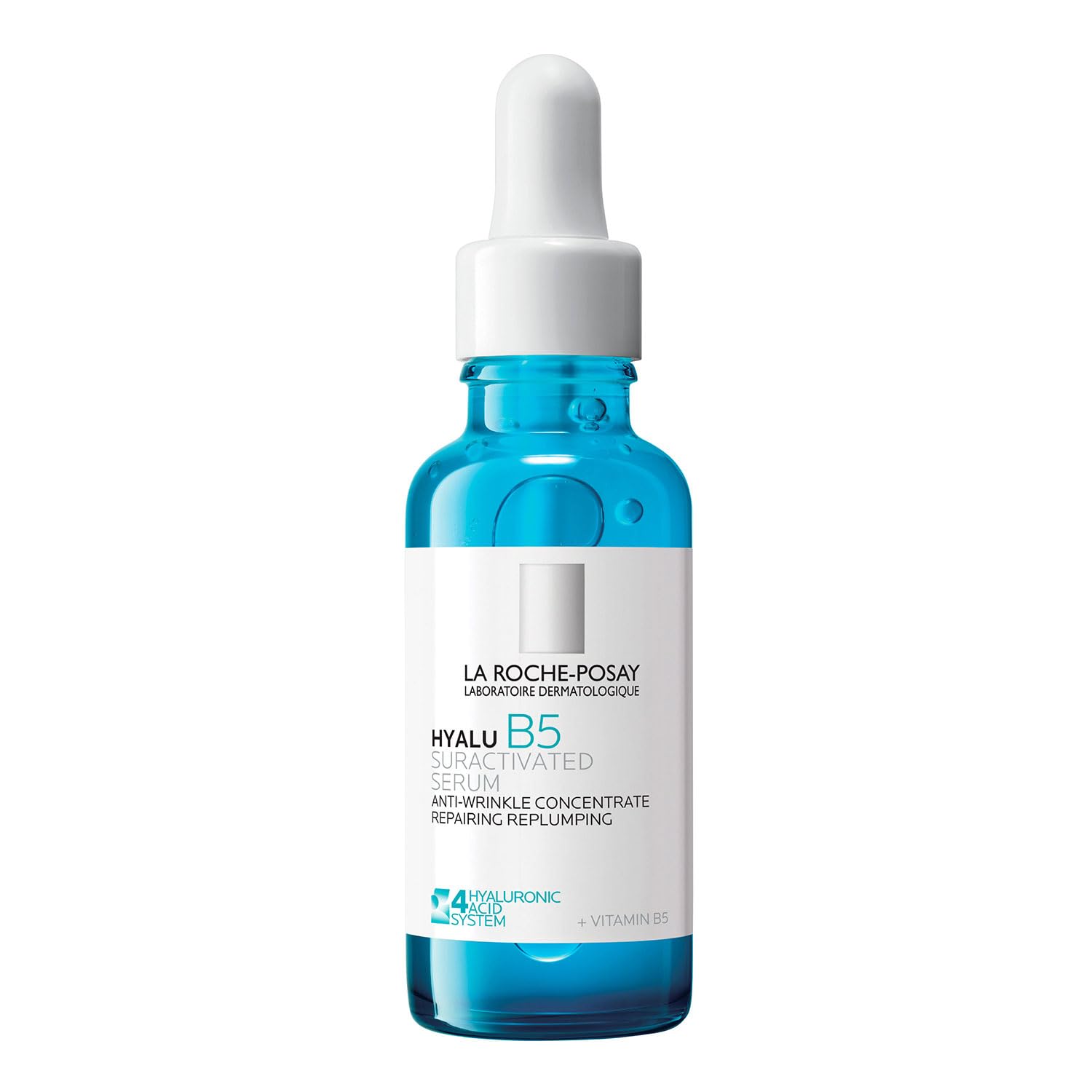
The first few pumps of this felt different from the water-light serums around it: thicker, faintly tacky for about a minute, then a cushioned, plumped finish that was still there at bedtime. For skin that's dry across the cheeks and starting to look crepey at the cheekbones, that weight is the whole point.

It's built on hyaluronic acid, glycerin and vitamin B5, and the B5 is why we rate it above the simpler hydrators here — it's the panthenol that leaves dry, slightly aggravated skin feeling soothed rather than merely wet. The percentages on the box come from user self-assessment, so treat them as a direction rather than a promise. What we can say is that the plumping is immediate and the softening around fine lines is what accumulates over weeks.

It's also allergy-tested and formulated for all skin types including sensitive ones, which matters if your face has become more reactive since your forties. Pair it with a plain moisturizer and it makes a complete routine for skin whose main complaint is water and comfort rather than laxity.

Bottom line: For dry, crepey, thirsty skin this is the richest and most comfortable hydration in the group, and the one we reach for the night after a retinol.

3

Vichy Minéral 89

Vichy Minéral 89

Sensitive, reactive skin

Our Score 9.2/10
Check Price

Worth Noting

  • Costly for a formula built on humectants
Use
Serum or light moisturizer
Fragrance
Fragrance-free
Skin Types
All, including sensitive
Key Actives
Hyaluronic acid, polyglutamic acid

Some serums answer a concern; this one answers a temperament. If your skin stings at the first sign of a new active, flushes in cold weather and turns pink after a hot shower, Vichy's booster is the most forgiving formula we tested in this group — fragrance-free, tested on sensitive skin, and light enough that you forget it's there.

The pairing is hyaluronic acid for immediate water and polyglutamic acid to hold onto it, plus the brand's mineral-rich volcanic water. In practice it sinks in within seconds with no stickiness, which is rarer than it sounds among hydrating serums at this level. It does the plumping job — the lines at the outer corners of the eyes look softer the next morning — without any of the tingle that comes with acids or vitamin C.

It's flexible, too. On a humid day it's enough on its own; in winter it's a layer under cream. One practical note from our testing: give it a full minute before sunscreen, because a hydrating layer this fresh can make some SPFs roll as you spread them.

Bottom line: Our pick for skin that reacts to everything: fragrance-free, featherlight, and hydrating enough to soften fine lines without a hint of sting.

4

TruSkin Vitamin C Serum

TruSkin Vitamin C Serum

Dark spots, tone

Our Score 8.8/10
Check Price

Worth Noting

  • Can sting skin that is already irritated
Size
2 fl oz
Texture
Lightweight, dries down completely
Key Active
Vitamin C (SAP)
Supporting Ingredients
Hyaluronic acid, vitamin E, aloe, jojoba

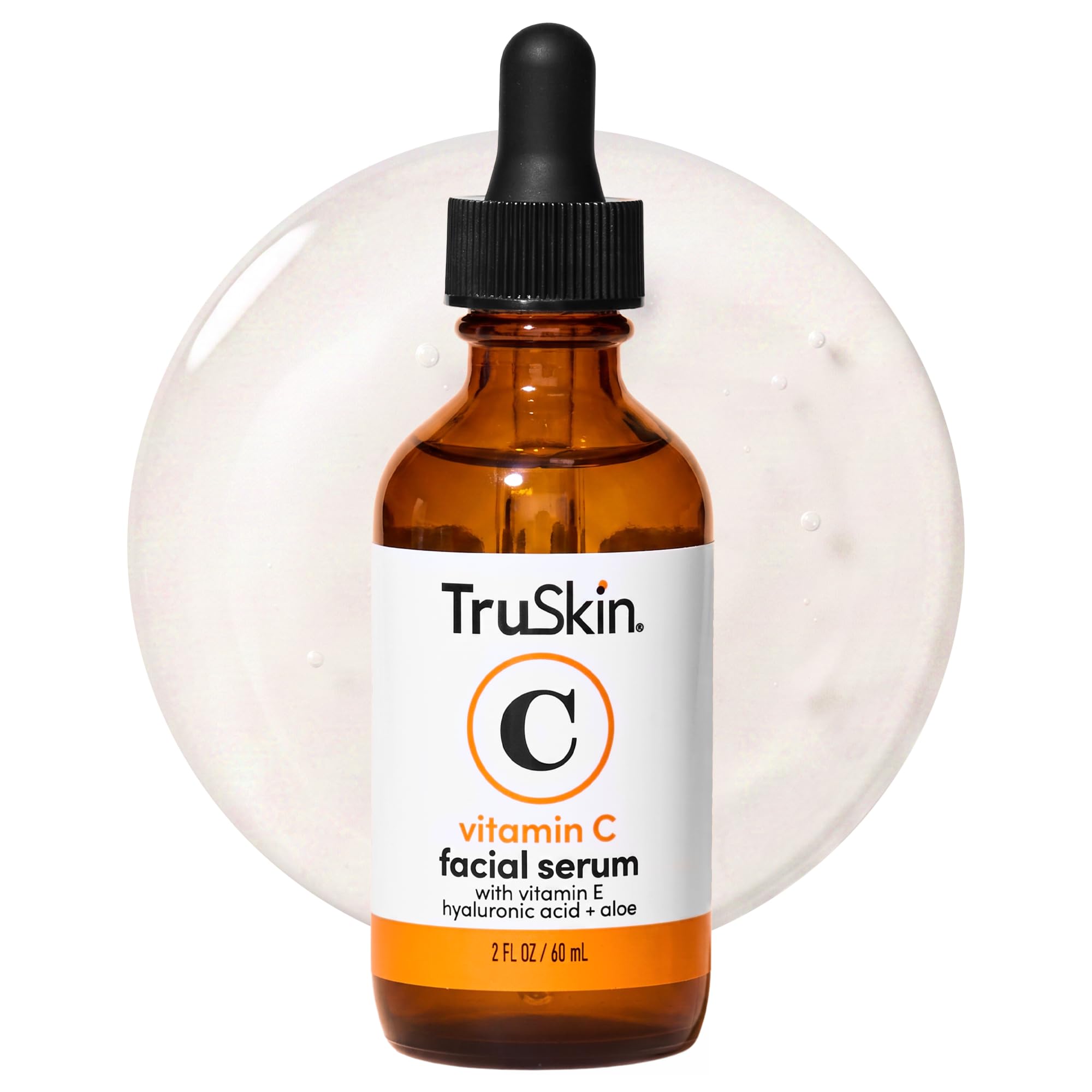
Two fluid ounces is double what most serums here give you, and it changes how you use the bottle. We were happy to carry this one down the neck and over the backs of the hands, which is exactly where a brightener earns its keep after 50 — and where most people stop applying anything because a one-ounce bottle feels too precious.

The vitamin C is sodium ascorbyl phosphate rather than the L-ascorbic acid that stings, a stabler form that converts in the skin. It's blended with hyaluronic acid, vitamin E, aloe and jojoba, so it hydrates while it brightens rather than leaving a tight film. On tone it's the most convincing thing in this set: uneven patches and old sun spots are what visibly soften, and the skin looks brighter rather than simply wet.

It's a morning serum — clean skin, two or three pumps, sunscreen over the top. We found it dries down completely with no tack and doesn't fight with foundation, which is more than we can say for most vitamin C formulas. Introduce it on alternate mornings before you go daily.

Here's where it lands for us. As a brightener it's the best of the group, and the bottle size makes it the most economical way to treat tone. But vitamin C is a tone ingredient first and a firmness ingredient a distant second, so if your main complaint is laxity rather than color, the CeraVe retinol will do more for you.

Bottom line: If dullness and spots bother you more than lines, this is the brightener we point to, and the generous bottle makes it easy to commit.

5

Good Molecules Hyaluronic Acid

Good Molecules Hyaluronic Acid

Budget hydration

Our Score 9.4/10
Check Price

Worth Noting

  • Hydration only, with no actives for lines or tone
Size
1 fl oz
Formula
Fragrance-free, vegan, cruelty-free
Key Active
Hyaluronic acid
Skin Types
All

The cheapest bottle here is also one of the few we reach for every day without thinking about it. Good Molecules has kept this plain — hyaluronic acid in a light water base, no fragrance, nothing to argue with — and it plumps the fine lines at the eye corners within minutes of going on. That combination of price and reliability is unusual.

The texture is the tell. It's thin and watery and disappears the moment it meets damp skin, so apply it to a just-splashed face, press it in, and seal it with cream. That is the entire technique, and it's what makes an inexpensive hyaluronic acid behave like an expensive one. Apply it to dry skin and you'll wonder what the fuss was about.

It layers under anything: retinol at night, vitamin C in the morning, sunscreen over the top. For something this light it also travels well, and the pump bottle means no waste at the end. Think of it as the water layer in your routine rather than the workhorse.

Bottom line: We keep this in the routine as the reliable, fragrance-free water layer — the best value here if hydration is what your skin is asking for.

6

La Roche-Posay Retinol B3

La Roche-Posay Retinol B3

First retinol

Our Score 9.2/10
Check Price

Worth Noting

  • Noticeable scent for a sensitive-skin formula
  • Most expensive pick in this set
Size
1 oz
Key Actives
Retinol, niacinamide, hyaluronic acid
Retinol Type
Pure, gradual-release
Formulated For
Sensitive skin, retinol beginners

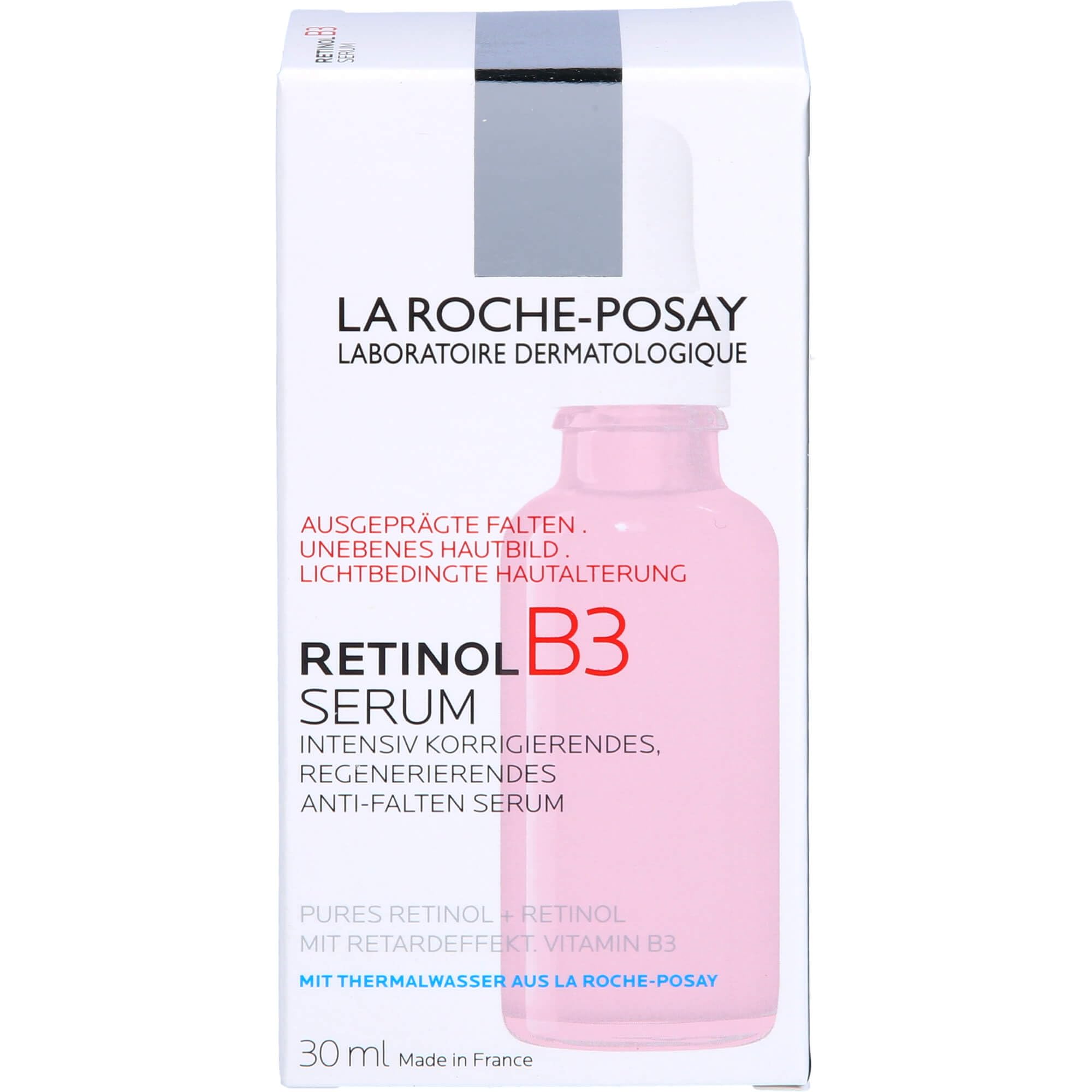
The CeraVe retinol is the value play; this is the cautious one. La Roche-Posay pairs pure retinol with a gradual-release mechanism, adds niacinamide and hyaluronic acid, and positions the result for people who have never got along with retinol. That's a real niche for over-50 skin, which is generally thinner and quicker to react than it was at 35.

We noticed the texture first: this is lighter and faster-absorbing than the CeraVe, closer to a fluid than a cream, and it vanishes under a moisturizer. Niacinamide is doing quiet work in the background, helping with tone and with the redness a retinol can provoke, and there's no oil in it to clog anyone up.

It's still a retinol, so the ramp-up rules apply — two nights a week to begin, cream over the top, sunscreen every morning. Where it earns its keep is in how little drama it causes. If the CeraVe leaves you pink, this is the version to try before deciding retinol isn't for you.

Our call: it's the best retinol in this set for a first-timer with sensitive skin, and the one we suggest for anyone who has tried retinol before and quit. If your skin already handles the ingredient without complaint, the CeraVe is the more straightforward buy.

Bottom line: The retinol we suggest for reactive or first-time skin: gradual release, buffered with niacinamide, and light enough to wear without thinking about it.

7

Neutrogena Hydro Boost

Neutrogena Hydro Boost

Oily, combination skin

Our Score 9.2/10
Check Price

Worth Noting

  • Added fragrance in a face serum
  • Too light for dry or very dry skin
Size
1 fl oz
Texture
Oil-free water gel
Key Active
Hyaluronic acid
Skin Types
Normal, oily, combination

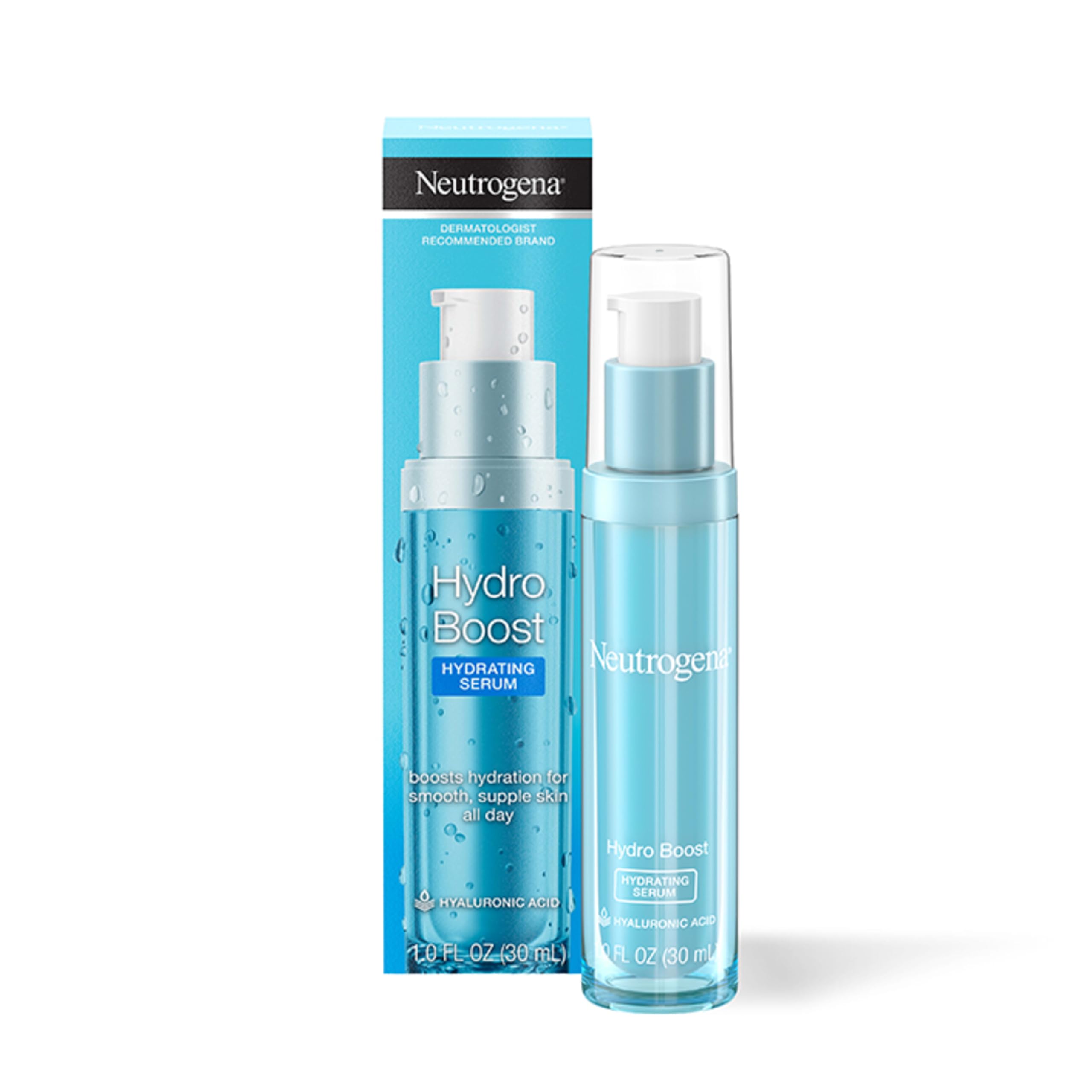
Mature skin isn't automatically dry skin. If yours still runs oily or combination — shiny by two in the afternoon but tight straight after cleansing — most of the rich hydrators in this guide will feel like too much on a warm morning. This is the gel for that face.

It's a water gel with hyaluronic acid, oil-free and non-comedogenic, and it absorbs fast enough that sunscreen can go straight over it. We found it refreshing rather than nourishing: cooling on contact, no residue, and a perfectly decent base under makeup in summer. A little goes a long way, so a small bottle lasts longer than the size suggests.

Where it fits for us is the hot-weather slot in a routine, and skin that breaks out around the chin while still feeling dehydrated. It's also the one we slip into a gym bag or a carry-on, since nothing about the packaging is precious. Just know what it is: a light hydrating layer, not the serum that will change your skin over a season.

Bottom line: For combination or oily skin that still feels tight, this is the lightest, fastest-absorbing option here, and easy to layer under sunscreen.

8

L'Oreal Revitalift HA Serum

L'Oreal Revitalift HA Serum

Layering under makeup

Our Score 9.0/10
Check Price

Worth Noting

  • Hydration and glow rather than line treatment
  • Thin formula needs a moisturizer over it
Size
1 oz
Texture
Lightweight gel
Key Active
1.5% pure hyaluronic acid
Supporting Ingredients
Vitamin C

Hyaluronic acid is the most oversold ingredient in skin care, and the percentage on the front of a box tells you less than the formulation behind it: the molecular weights, what it's paired with, and whether anything seals it in. Worth remembering before you pay a premium for a number.

The number here is 1.5%, split between low- and high-molecular-weight hyaluronic acid, with vitamin C in the mix and a light gel base that dries down without tack. It works best as a layer — three or four drops, then moisturizer, then sunscreen — and it behaves beautifully under foundation, which is more than most hydrating serums manage.

Our honest read: it's a good hydrating layer and a sensible mid-priced one for someone assembling a routine, but it isn't the serum that will change your lines. If your goal is plump, dewy skin and you'll add a retinol separately, it earns its place. If you want one bottle doing the aging work, buy the CeraVe instead.

Bottom line: A solid, light hyaluronic layer with vitamin C, best for someone who wants dewiness under makeup and plans to add a retinol separately.

How We Tested the Best Face Serums for Women Over 50

We started with roughly 40 serums and cut the field down by reading ingredient lists rather than labels — anything leading with fragrance, anything with alcohol near the top, and anything whose actives were listed after the preservatives. That left 14, spanning retinol, vitamin C, and straight hyaluronic acid across drugstore and department-store price points.

Three of us tested, ages 52 to 61, between us covering dry, sensitive, and combination skin, and every serum spent at least four weeks on at least two faces. We patch-tested each one on the inner forearm and along the jaw for two nights first, watching for redness, tightness, or that faint sting that shows up ten minutes after you've already committed. Fragrance got its own note: whether it was listed at all, and whether we could still smell it an hour later.

Because what these are really for is how your skin looks by mid-afternoon, we took a photo at application and another at 4 p.m., then compared cheeks for glow, flaking around the nose and mouth, and whether the uneven patches along the cheekbones looked any softer after a month. We noted whether each serum sank in or sat on top, whether it pilled under sunscreen, and whether foundation went on over it without rolling. We also counted drops per application and tracked how long a bottle actually lasted, since a formula that needs four pumps to feel like anything isn't a value at any price. The gentlest ones were the ones we could use twice a day from week one; anything that demanded a slow ramp-up got flagged as such rather than written off.

Bottles we finished and repurchased are marked in the picks below. The ones we quietly stopped reaching for didn't make the cut.

How to Choose a Face Serum for Skin over 50

Start With the Active, Not the Brand

Three ingredients do most of the work after 50. Retinol is the one that changes texture and softens lines, and it's the only one here that needs a slow introduction. Hyaluronic acid, glycerin and polyglutamic acid plump by holding water, which you notice within minutes and lose within a day. Vitamin C is a tone ingredient: it fades dark spots and evens color rather than lifting anything.

Decide which of those three problems you actually have before you compare labels. A hydrating serum sitting underneath a retinol is a routine; it isn't a substitute for one.

Read for Tolerance, Not for the Word Gentle

Barrier function declines with age, which is why the retinol that was fine at 40 can leave you flaking at 55. Look for retinol that's encapsulated or gradual-release, and for supporting ingredients — ceramides, niacinamide, panthenol — that sit in the base rather than in the marketing copy. The CeraVe and the La Roche-Posay retinol here are the two clearest examples of that thinking.

The trap is fragrance. Plenty of serums positioned for sensitive skin are scented, and a scent you can smell is a needless risk on reactive skin. Start any retinol two nights a week and build from there before you decide it doesn't suit you.

Hydration Needs Something on Top

Hyaluronic acid doesn't add oil. It pulls water toward the surface and holds it there, which on damp skin gives a plump, dewy finish and in dry indoor air with nothing over it can leave skin feeling tighter than before. Press these serums into a just-splashed face and seal them with cream.

If your skin is genuinely dry rather than just dehydrated — flaky along the jaw, rough to the touch — a richer formula does more than a second layer of something watery. That's the gap the Hyalu B5 fills.

Texture Decides Whether You Finish the Bottle

A serum you don't enjoy is a serum you abandon around week three. If you wear sunscreen and makeup every day, pick the lightest texture that still feels comfortable — the Neutrogena gel or the Vichy booster — and give each layer half a minute before the next. Pilling under sunscreen is almost always a layering problem rather than a bad product.

If instead your face feels tight and crepey by mid-afternoon, weight is what you want, and a gel will only disappoint you.

Do the Per-Ounce Math

Most serums here come in one-ounce bottles, with a couple of two-ounce exceptions, and the price tag hides that difference. The TruSkin bottle holds twice what the others do, which changes the value calculation entirely if you plan to use it on your neck and hands as well as your face.

A premium hydrating serum is also a lot to pay for water and humectants. That money goes further on a well-formulated retinol you'll use three nights a week for months.

Frequently Asked Questions

Final Verdict

If you buy one serum, buy the CeraVe Retinol. It's the only pick here that treats lines rather than just plumping them, the ceramides make it livable on mature skin, and the price means you can use it properly instead of rationing it.

Then add a hydrating layer underneath: Good Molecules at the low end, or the Vichy booster if your skin reacts to everything. If dark spots bother you more than lines, put TruSkin's vitamin C in the morning instead and keep the hydration at night.