Skincare

Best Serums for Face of 2026

A serum is the most concentrated step in a skincare routine: a small bottle of actives in a light base, applied before moisturizer to do one or two jobs well. The trouble is that "actives" covers everything from hyaluronic acid to retinoids, and the wrong formula can leave your face greasy, tight, or dotted with tiny bumps within a week. A good one simply puts the right ingredient where you need it, in a formula your skin will tolerate long enough to show you a difference.

I once bought a hyped serum on a whim and regretted it by day three, so I patch-test everything now. Over five months, my team and I ran 16 serums through real routines — morning layers under sunscreen, heavier nighttime stacks — and the ones that stuck were the ones we still reached for after the novelty wore off. Something first-time buyers rarely hear: a higher price doesn't mean a stronger formula, and a long ingredient list matters far less than how your skin handles the concentration. Whatever your face is asking for, the right bottle is below.

1

Good Molecules Hyaluronic Acid Serum

Top Pick
Good Molecules Hyaluronic Acid Serum

Daily hydration

Our Score 9.4/10
Check Price

Worth Noting

  • No acne or brightening active
Size
2.5 fl oz
Texture
Lightweight, water-based
Skin Types
All skin types
Key Ingredient
Hyaluronic acid

Good Molecules' hyaluronic acid serum arrived with a bigger bottle than we expected for a product this straightforward—2.5 fluid ounces, which is generous next to the usual one-ounce serums. It has a water-light gel texture that spreads easily on damp skin and disappears under moisturizer, sunscreen, or makeup. We didn't find ourselves rationing drops to make it last.

That everyday ease is why it's our top pick. It hydrates without the sticky finish that makes some hyaluronic serums a chore to layer, and it leaves skin looking plumper and fresher rather than coated. We like it best on damp skin, followed immediately by moisturizer, because that's where a hydrating serum does its best work. The formula is fragrance-free, vegan, and suitable for all skin types, and it stayed calm on the dry patches where we used it.

It's a hydrator first, and we treat it that way: a simple, well-tolerated serum is easier to pair with a separate treatment, and the large bottle makes it practical for face, neck, and a second layer at night. If your routine already has actives, this is the quiet step that makes them easier to wear.

Bottom line: The one we reach for when we want hydration without a learning curve: it's light, fragrance-free, and easy to layer, which makes it our default for most skin types.

2

The Ordinary Niacinamide 10% + Zinc 1%

The Ordinary Niacinamide 10% + Zinc 1%

Oily, blemish-prone skin

Our Score 9.4/10
Check Price

Worth Noting

  • Can sting sensitive or compromised skin
Use
Morning and evening
Format
Water-based serum
Key Actives
10% niacinamide, 1% zinc PCA

The Ordinary's niacinamide serum is the one we reach for when oil and visible pores are the complaint. Ten percent niacinamide is a high dose, and the added zinc PCA gives it a clear oil-control brief. We used a few drops on the oily zones rather than the whole face, and it sank in quickly with no heavy residue.

What we liked is how direct it is. It doesn't feel like a luxurious serum, and it doesn't try to be; it's a water-based treatment that gets on with smoothing texture and reducing shine. Over consistent use, skin looked less congested and more even, which is a lot to ask from a budget serum. The concentration is the point, so patch test before regular use if your skin is reactive.

We also noticed it layers well under a simple moisturizer, though it isn't hydrating enough to replace one. If your skin is oily, blemish-prone, and accustomed to actives, it's an easy recommendation; if your barrier is irritated, choose one of the gentler hydrators here first.

Bottom line: If shine and congested pores are your main complaint, this is the first serum we point to—just start slowly if your skin runs sensitive.

3

Vichy Mineral 89 Serum

Vichy Mineral 89 Serum

Sensitive skin

Our Score 9.2/10
Check Price

Worth Noting

  • No acne or brightening active
Use
Apply to damp skin
Formula
Fragrance-free
Skin Types
All, including sensitive
Key Ingredients
Hyaluronic acid, polyglutamic acid, volcanic water

Vichy Mineral 89 is the premium option here, and the price buys texture as much as ingredients. It's a fragrance-free booster built on hyaluronic acid, polyglutamic acid, and volcanic water, and it feels silkier than most water-based serums we tried. A little spreads over damp skin and dries down without stickiness.

We recommend it to people whose skin reacts to everything. It's fragrance-free, fast-absorbing, and comfortable enough to use morning and night, and it left our skin feeling plump rather than tight. The hydration is immediate, which makes it satisfying to use. You're paying for a cosseting texture and a short, gentle formula, and that's the trade.

If you love a luxurious serum and your skin is sensitive, that trade is easy to accept. If you want the most hydration for the least money, Good Molecules does the basic job for less. The Vichy is the one we reached for when skin felt dry and unpredictable and we wanted something that wouldn't add another variable.

Bottom line: We recommend this to anyone whose skin stings easily: it's fragrance-free, fast-absorbing, and hydrating, provided you're comfortable paying more for a simple formula.

4

CeraVe Resurfacing Retinol Serum

CeraVe Resurfacing Retinol Serum

Post-acne texture

Our Score 9.2/10
Check Price

Worth Noting

  • Can cause dryness or redness when overused
Size
1 oz
Formula
Fragrance-free, non-comedogenic
Key Ingredients
Encapsulated retinol, niacinamide, licorice root

CeraVe's Resurfacing Retinol is aimed at the aftermath of breakouts: the marks, rough patches, and uneven tone that linger after the pimple is gone. It pairs encapsulated retinol with niacinamide and licorice root, which is a sensible combination for texture and brightness in one step. We used it at night, starting a few times a week.

What makes it a runner-up is that it treats a real concern without asking for a complicated routine. The serum is fragrance-free and non-comedogenic, and it layers under moisturizer without pilling. We appreciated that the retinol is encapsulated, because it makes a slower start feel more manageable. It still isn't a product to rush: use it a few times a week at first and keep your moisturizer close.

If you're using salicylic acid or vitamin C, alternate rather than stacking everything on the same night. For post-acne texture, it's a practical, midrange way to add a retinoid, but reactive skin should look to the gentler hydrators here.

Bottom line: This is our pick for the retinol beginner who wants smoother texture and faded post-acne marks without a complicated routine.

5

COSRX Snail Mucin 96%

COSRX Snail Mucin 96%

Soothing hydration

Our Score 9.2/10
Check Price

Worth Noting

  • Can feel tacky before it dries
  • May cause breakouts on some skin
Size
3.38 oz
Texture
Lightweight essence
Key Ingredient
96.3% snail secretion filtrate

COSRX's snail mucin essence looks and feels unlike anything else here: a slippery, slightly gel-like serum that goes on wet and leaves a soft, glassy finish. The formula is 96.3% snail secretion filtrate, and the bottle is a generous 3.38 ounces. We liked it most as a soothing layer after a gentle cleanser, especially on days when skin felt tight.

It's not a treatment serum in the usual sense. It doesn't exfoliate or brighten with a targeted active; it cushions and hydrates, and that's why it earns a spot. Skin looked plumper and more reflective after we used it, and it sat comfortably under moisturizer. It's a comfort product first, and that's the role we judge it on.

What we can say is that it's a lovely, low-effort layer for dry, dull, or stressed skin. If you want a single serum to clear pores or fade marks, choose one of the actives instead.

Bottom line: We choose this when skin feels tight and looks dull; it's especially lovely under makeup, though blemish-prone skin should patch test first.

6

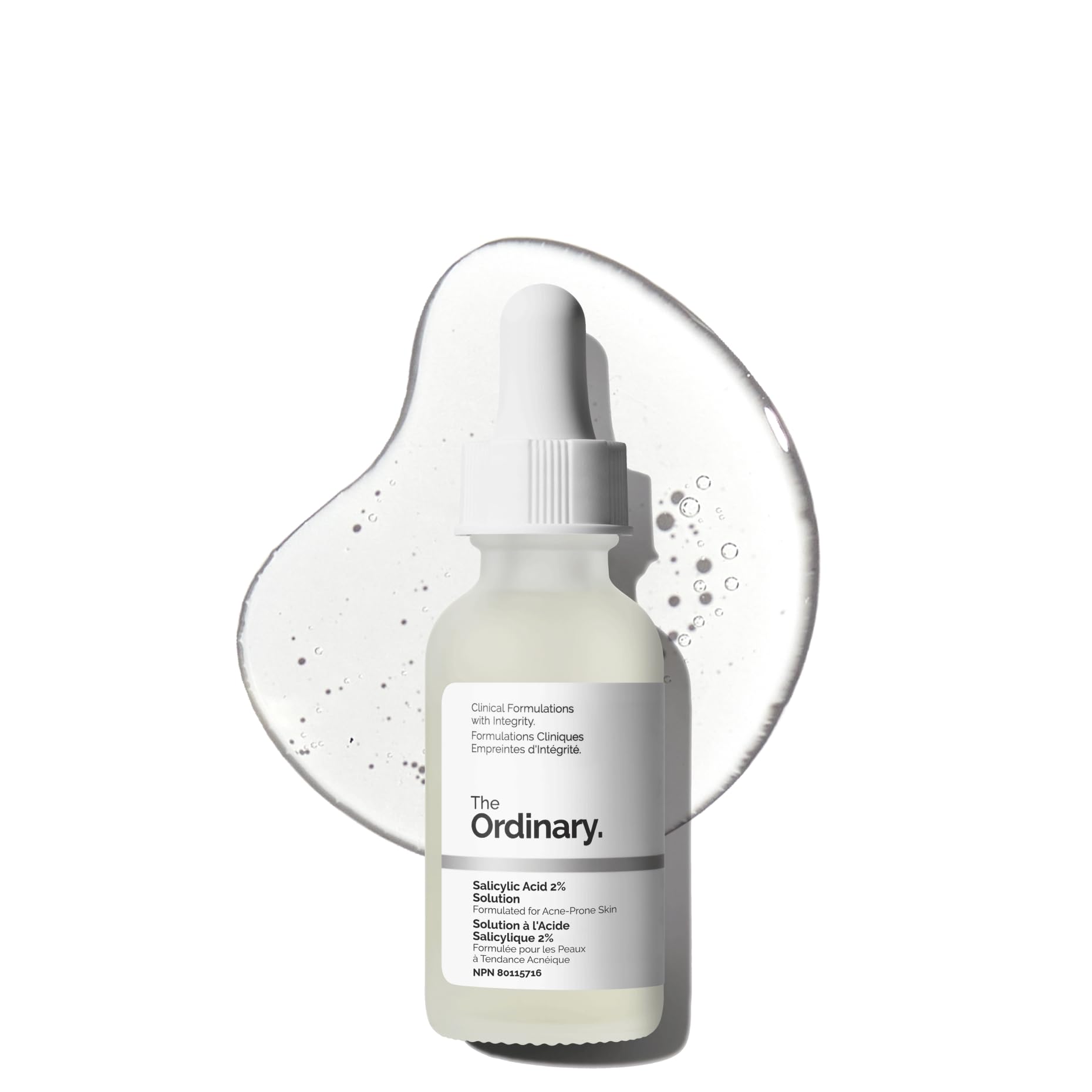
The Ordinary Salicylic Acid 2%

The Ordinary Salicylic Acid 2%

Acne-prone skin

Our Score 9.4/10
Check Price

Worth Noting

  • Can sting or dry skin when overused
  • May be too mild for stubborn blackheads
Use
1-3 times daily
Format
Oil-soluble solution
Key Active
2% salicylic acid

The Ordinary's salicylic acid solution is the most direct acne treatment in this group. Two percent salicylic acid is an oil-soluble exfoliant, which means it can get into pores rather than just sit on the surface. The bottle says to apply a thin layer one to three times daily, but we found that a little on the nose, chin, and individual breakouts was enough.

We like it because it doesn't pretend to be a moisturizing serum. It's thin, fast-drying, and easy to target, and it's a sensible option for oily skin that clogs easily. It also sits at the budget end, which makes it easy to try without committing to a whole routine.

Our approach was to start slowly and follow with moisturizer, and that's the way we suggest using it. It's a focused, affordable tool for congested pores, not an all-over hydrator. If your skin is sensitive, it's worth introducing it on one area first.

Bottom line: For clogged pores and active breakouts, this is the most direct fix in our set—budget-friendly, fast, and best used sparingly.

7

CeraVe Vitamin C Serum

CeraVe Vitamin C Serum

Brightening

Our Score 9.0/10
Check Price

Worth Noting

  • Can sting sensitive or compromised skin
Size
1 oz
Formula
Fragrance-free, non-comedogenic
Texture
Lightweight gel
Key Ingredients
10% L-ascorbic acid, hyaluronic acid

CeraVe's vitamin C serum is built around 10% L-ascorbic acid, the pure form of vitamin C, in packaging designed to protect it from light and air. That's a more serious brightening formula than the price tier suggests. It also includes hyaluronic acid and ceramides, so it's not just an antioxidant hit.

We used it in the morning before sunscreen and found the gel texture easy to spread. It absorbed quickly and didn't leave the greasy film we associate with some vitamin C serums. Over time, it's the kind of product that makes a difference to dullness and uneven tone rather than hydration alone.

The formula is fragrance-free, which helps, but we still suggest starting every other morning and following with a moisturizer. If your skin is actively irritated, wait until it settles before adding it.

For brightening, it's our pick: a stable, midrange option that pairs well with sunscreen and doesn't demand a complicated routine. If your skin is very reactive, start with the Vichy or Good Molecules instead and add this once your barrier is calm.

Bottom line: This is the brightening serum we suggest when dark spots and dullness are the priority and your skin already tolerates vitamin C.

8

medicube PDRN Pink Peptide Serum

medicube PDRN Pink Peptide Serum

Firming and glow

Our Score 9.2/10
Check Price

Worth Noting

  • Can cause breakouts on reactive skin
  • Can feel sticky on some skin
Size
1.06 oz
Texture
Lightweight pink serum
Key Ingredients
Salmon DNA PDRN, niacinamide, peptides

PDRN—salmon DNA—is the headline ingredient in medicube's pink peptide serum, and it's the reason this one feels more trend-driven than the others. The formula also includes niacinamide, peptides, and adenosine, so it's aimed at firmness, glow, and a more even look rather than simple hydration.

We liked the lightweight texture and the immediate radiance it gave skin. It spread easily and sat well under moisturizer, and it didn't feel like a heavy treatment. The combination of peptides and niacinamide makes it a reasonable choice if you want one serum to do a bit of firming and brightening at once.

What keeps it in the also-consider tier is predictability. The ingredient story is appealing, but it's not the most universal formula here, and we suggest patch testing and starting with a small amount. That's especially true if you're already juggling actives.

If you're curious about PDRN and want a glow-focused serum, it's worth a try. If you need a reliable first serum or have sensitive skin, the simpler hydrators here are the safer place to start.

Bottom line: We see it as a worthwhile experiment if firmness and glow are your goals and your skin is sturdy; reactive skin should sit this one out.

How We Tested Face Serums Over Five Months

We built the shortlist by reading full ingredient lists rather than front labels, pulling candidates from dermatologist explainers, ingredient databases, and the review sections of brands our testers already used. Anything whose headline active sat suspiciously low in the formula, or whose cost per ounce looked like pure marketing, got cut. That left 16 serums, which we tested for five months. Two of our testers have oily, blemish-prone skin and two run dry and reactive, so every formula was judged by both skin types before it earned a mention.

Testing happened where skincare actually happens: at 7 a.m. before sunscreen and a commute, at night after cleansing, and on slower weekend mornings when there was time to layer. Each serum went into a full routine twice a day for at least three weeks, which carried us through a humid stretch and the dry weeks when the heat came on indoors. We counted how many drops or pumps it took to cover a face and neck, noted whether it sank in or sat tacky, and paid close attention to whether moisturizer, SPF, or foundation pilled on top — a greasy film versus a smooth base shows up fast when you're rushing out the door.

Every two weeks we took bare-skin photos in the same window light, so texture and tone could be compared against day one instead of against memory. We logged stinging or redness in the first ten minutes, then watched for closed bumps, flaking, or tightness over the following weeks, and noted when layering a second active triggered a reaction. Anything with a noticeable scent got flagged, with our most reactive tester using it alone for a week to see whether the fragrance or the active was the culprit. Staying power counted too: a modest bottle that lasted six weeks and visibly calmed redness beat a spendier one that ran out in three and did nothing we could see.

How to Choose a Face Serum

Start With Your Main Concern

Hydration, oil control, brightening, and firming are different jobs. A hyaluronic serum like Good Molecules is the easy default for dehydration; niacinamide, as in The Ordinary's formula, suits oily and congested skin; vitamin C, as in CeraVe's serum, is for dullness and dark spots; retinol, as in CeraVe's Resurfacing serum, is for texture and post-acne marks. Don't expect one serum to do all four. Pick the concern you want to change first, then add a second only if your skin tolerates it.

Read the Active and the Strength

Percentages are not a scoreboard. Ten percent niacinamide is a real dose and can be too much for sensitive skin; two percent salicylic acid is standard for acne but still needs a slow start; encapsulated retinol is designed to release gradually, not to deliver an overnight peel. Match the strength to your experience. If you're new to actives, use them a few nights a week and keep the rest of the routine boring.

Texture and Layering Decide Whether You'll Use It

A serum can be effective and still end up in a drawer if it pills under sunscreen or feels tacky all day. Water-based hydrators such as Good Molecules and Vichy are the easiest to layer; richer formulas can be lovely at night but need more time to settle. Apply the thinnest product first, give it a minute, then follow with moisturizer. If a serum balls up, use less and pat it in rather than rubbing.

Match the Formula to Your Skin's Tolerance

Fragrance-free doesn't mean irritation-free, but it removes one common trigger. Vichy Mineral 89 and Good Molecules are the simplest choices for reactive skin; CeraVe's formulas are fragrance-free but still contain actives. Patch test behind the ear or on the jaw, and introduce one new serum at a time. If burning, swelling, or a rash appears, stop and let your skin settle before trying anything else.

Think About Bottle Size and Frequency

A large bottle is only a bargain if you'll use it. Good Molecules' 2.5-ounce size is generous for daily face-and-neck use, while a small retinol bottle used a few nights a week can last months. The cheapest serum is the one you finish, not the one that expires at the back of the shelf. If you're choosing between two similar formulas, check how often you'll actually reach for each one.

Frequently Asked Questions

Final Verdict

For most people, the best face serum is a hydrating one that gets out of the way, and Good Molecules earns our top spot because it does that with a generous bottle, a light texture, and no fragrance. If oil and shine are the problem, switch to The Ordinary Niacinamide 10% + Zinc 1%; if dark spots and dullness are the priority, CeraVe's Vitamin C serum is the more targeted choice. Start with one, give it several weeks, and add a second only if your skin asks for it.