Shoes

Best Pronation Shoes for Women of 2026

The wrong shoe for pronation rarely feels wrong in the store. It feels fine on carpet, then two miles into a walk your arch starts to ache and the inner edge of the shoe looks tired. A good pair does quiet work: it supports the way your foot lands without shoving your knee around, cushions the road, and still looks normal with jeans. That balance matters more than any single feature, because a shoe that only feels stable on a test treadmill often gets left in the closet.

I've worn supportive shoes through marathon training and through long days of errands, and the difference between a useful pair and a punishing one usually comes down to fit and how the arch support meets your foot. Over eight months, my team and I put 12 pairs through daily wear, short runs, and full workdays. Some ran narrow, some felt mushy under the forefoot, and a few looked so clunky I avoided them. The picks below are the ones that stayed in rotation, with notes on sizing, cushioning, and what held up.

1

Brooks Adrenaline GTS 24

Top Pick
Brooks Adrenaline GTS 24

All-day support

Our Score 8.8/10
Check Price

Worth Noting

  • Firmer underfoot than plush stability shoes
Fit
Runs small
Use
Road running and walking
Weight
1.5 lb
Support
Stability

The Adrenaline GTS 24 is the pair we treat as the default stability shoe in this group. It has the support most overpronators need without the brick-like feel that puts people off motion control, and it works for both running and long walking days. At 1.5 pounds, it has enough substance to feel planted, but not so much that it drags.

What earns it the top spot is the balance. The arch support is the part we trust most here, and the shoe is just as likely to be praised for all-day wear as for a run. We think that matters more than a long feature list: most people buying a pronation shoe want to put it on and forget about their feet.

The sizing is the one thing to get right. This model tends to run small, so start half a size up if you are between sizes or have a wider forefoot. The toe box is not especially roomy, and that is the main reason to try it on before a long run.

For a stability shoe you can wear for a morning run and then keep on for errands, this is the easiest recommendation here. If you want a softer landing, the Glycerin GTS 22 is the better match; if you need a narrower fit, look at the ASICS GT-2000 13. Otherwise, it is the pair that will suit the widest range of feet here.

Bottom line: For most women who overpronate, the Adrenaline GTS 24 is the stability shoe we recommend first: steady, comfortable for long days, and worth sorting out the sizing.

2

ASICS GT-2000 13

ASICS GT-2000 13

Narrow feet

Our Score 9.0/10
Check Price

Worth Noting

  • Firm forefoot for high-mileage runs
Fit
Narrow
Use
Road and treadmill
Weight
1.44 lb
Support
Stability

If your heel slips in wider stability shoes, the GT-2000 13 is the one we point to first. Its narrow cut is not an afterthought: the shoe hugs the midfoot and holds the back of the heel, which is why it earns a runner-up spot for narrower feet.

The support is the reason to choose it. Arch support is a strong point, and the ride stays stable without feeling like a correction device. The road-and-treadmill sole makes it easy to keep in a daily rotation.

The fit is the catch. This is a genuinely narrow shoe, and women with average or wide feet may find the toe box pinched. If you need room across the forefoot, the Adrenaline is the safer choice; if you have a narrow heel, this is the pair that will feel most secure.

At 1.44 pounds, it matches the lighter GT-1000 14, so the secure fit does not come with extra heft. It also costs less than the Adrenaline, which makes it a strong value if the narrow fit works for you.

Bottom line: Choose the GT-2000 13 if you have narrow feet and want steady heel support without a plush, heavy ride.

3

Brooks Glycerin GTS 22

Brooks Glycerin GTS 22

Maximum cushioning

Our Score 9.0/10
Check Price

Worth Noting

Fit
Runs small
Weight
1.5 lb
Support
Stability
Cushioning
Plush

The Glycerin GTS 22 is the plushest stability shoe in this group. The midsole is tuned for softness, and the heel padding adds to the comfort. It is still a GTS shoe, so the support is there, but the priority is comfort.

Support does not disappear in the softer package. The arch support is strong, and the shoe is a good match for long days on concrete. It keeps the foot steady without turning the ride firm.

It is the pair we choose when comfort matters more than road feel, and that is the trade-off: the Glycerin feels less grounded than the firmer Adrenaline. If you like a shoe that lets you feel the pavement, this one blurs it. That is the point of the cushioning, but it is worth knowing before you buy.

Sizing is the other thing to get right. This model runs small, so go up half a size, especially if you wear thicker socks. The upside is a comfortable, plush ride that makes long walks feel shorter; the downside is a little extra bulk at 1.5 pounds.

Bottom line: The Glycerin GTS 22 is the stability shoe for women who want maximum cushioning and don't mind a softer, less grounded ride.

4

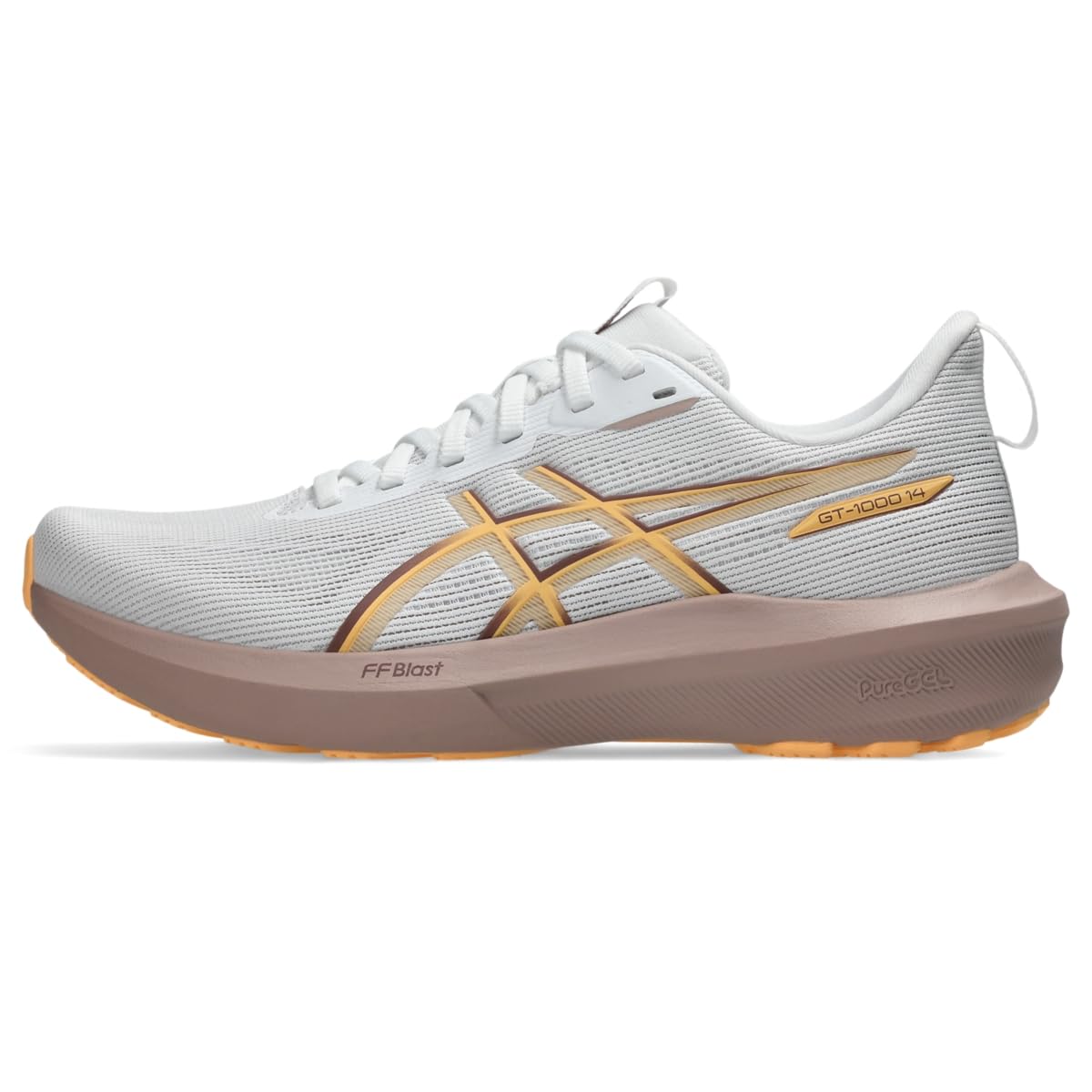
ASICS GT-1000 14

ASICS GT-1000 14

Budget stability

Our Score 9.0/10
Check Price

Worth Noting

  • Outsole separation can occur with wear
Fit
True to size
Weight
1.44 lb
Support
Stability
Cushioning
Cushioned

The GT-1000 14 is the budget stability shoe in this group, and it does not feel like a stripped-down compromise. The cushioning is soft and immediate, the arch support is secure, and the fit is more forgiving than the GT-2000's narrow cut.

What earns it a runner-up spot is the value. It gives you the stability and cushioning most overpronators need without the price of the Adrenaline, and it works for walking, workouts, and short runs. We think it is a sensible first stability shoe for someone who is not ready to spend a lot.

The outsole is the caveat. Soles have started to separate, so check the return window and keep an eye on the bottom after the first few weeks. For most buyers, the trade-off is worth it, but do not expect the outsole to outlast the rest of the shoe.

At 1.44 pounds, it is essentially the same weight as the Adrenaline, so you are not trading heft for the lower price. The simple upper is comfortable from the first walk, and the shoe is easy to wear right out of the box.

Bottom line: The GT-1000 14 is the pair we suggest for a first stability shoe or a tighter budget, as long as you keep an eye on the outsole.

How We Tested Women's Pronation Shoes

We started by sorting through stability and supportive running shoes marketed for women, narrowing by fit range, available widths, price, and whether the arch support was built into the shoe rather than added as a removable insert. After reading specs and customer reviews, we landed on 12 pairs. For eight months, those shoes lived in the same rotation: morning treadmill runs, neighborhood pavement miles, grocery runs, weekend errands, and long days on my feet. We wore them with thin socks and thick socks, tried our usual size plus a half size up or down where available, and tracked where each pair rubbed, pinched, or slipped.

Fit and size were checked before anything else. We measured our feet in the afternoon, slid each shoe on with the socks we actually wear, and noted heel slip, toe-box room, and whether the arch hit in the right spot instead of pressing behind it. Comfort got judged on real days, not just steps: commutes, standing through a work meeting, and an evening walk. Underfoot, we paid attention to whether cushioning felt springy or dead after an hour, and whether the shoe's support guided the foot without feeling like a correction.

Appearance and value came later, after the honeymoon phase. We wore pairs with jeans, leggings, and casual dresses to see if they looked like gym shoes only, and compared what each pair cost against how often we reached for it. Durability got the longest test: we logged miles, then checked the outsole at the heel and inner edge, looked for creasing in the upper, and noted whether the cushioning flattened before the tread wore out. The pairs that made the list were the ones that still felt supportive after months, not just on the first wear.

How to Choose Stability Shoes for Overpronation

Start With Stability, Not Maximum Support

Overpronation is not a problem solved by the stiffest shoe on the shelf. Most women do well with a light stability shoe that guides the foot without forcing it, which is the camp the Adrenaline and GT-2000 sit in. Motion-control designs are for more pronounced collapse and usually feel heavier and firmer. Try a light stability pair first; move to a firmer shoe only if you still feel your ankle rolling inward.

Fit the Width Before the Cushioning

Fit is the first filter, not the last. A stability shoe that is too narrow will press the arch and make the support feel like a correction; one that is too wide lets the heel slide. The ASICS GT-2000 13 is the narrowest here, while the Brooks picks run small and may need a half size up. Measure your foot late in the day, and check the return policy before wearing outside.

Sizing labels vary by brand, so do not assume your running shoe size carries over. If you are between sizes, go with the roomier fit for long walks and the closer fit for speedwork.

Match Cushioning to Your Day

More cushion does not mean more stability. The Glycerin GTS 22 is the plushest here, which is welcome if you stand or walk on hard floors; the GT-2000 13 is firmer and lighter, which suits runners who want road feel. We look for a shoe that feels stable before it feels soft. If you can press your thumb into the midsole and it bottoms out immediately, it may not hold up for long days.

Choose for Running, Walking, or Both

Most stability running shoes are fine for walking, but the balance changes if walking is your main activity. Prioritize a comfortable upper, a heel that does not rub, and enough forefoot cushion for push-off. The Adrenaline is our all-day pick; the GT-1000 is a lower-cost option for workouts and errands. Runners should still check the ride at pace, because a shoe that feels stable standing still can feel clumsy when you pick up speed.

Budget for Replacement, Not Just Purchase

Stability shoes wear from the inside out. The outsole can look fine while the midsole has lost the support that made the shoe worth buying. Replace them when the heel feels vague or the shoe leans inward more than it used to. The GT-1000 is the budget choice here; the Glycerin is the comfort-first one. Spending less upfront is fine if you plan to replace them when the support goes.

Frequently Asked Questions

Final Verdict

For most women who overpronate, the Brooks Adrenaline GTS 24 is the shoe to buy first. It has the best balance of steady support and all-day comfort in this group, and the sizing is easy to correct with a half size up. It is not the plushest shoe here, but that is part of why it feels so dependable.

If you have narrow feet, the ASICS GT-2000 13 is the better fit. If cushioning is the priority, the Glycerin GTS 22 is the plushest. And if you want to spend less, the GT-1000 14 gives you stability and cushioning for less than the Adrenaline and GT-2000, with the outsole as the one thing to watch.