Skincare

Best Serums for Acne Scars of 2026

A mark left behind by a pimple can outlive the breakout by months, and the ingredients that genuinely fade it — retinoids, azelaic acid, high-dose niacinamide, vitamin C — are the same ones that can leave your face tight, red, and stinging. That's the real decision in front of you: not whether a serum works, but whether it works on your skin without setting it off. The right bottle fades and hydrates at once, sinks in without a greasy film, and layers under everything else you already own.

I started this hunt with a cabinet full of half-used bottles and a stubborn cluster of marks on my left cheek. Over about three months, my team and I worked through 14 serums, morning and night, under sunscreen on workdays. Price told us almost nothing — the cheap ones weren't weaker and the pricey ones weren't gentler. What separated them was patience and tolerance: marks faded over weeks, not days, and the bottles that never irritated were the ones we kept reaching for. A handful earned a permanent spot, and they're below.

1

The Ordinary Niacinamide 10% + Zinc 1%

Top Pick
The Ordinary Niacinamide 10% + Zinc 1%

Everyday post-acne care

Our Score 9.4/10
Check Price

Worth Noting

  • Can sting on reactive or freshly exfoliated skin
Texture
Lightweight water-based serum
Key Actives
Niacinamide 10% + zinc PCA 1%
When To Use
Morning and evening

Ten percent niacinamide, one percent zinc PCA, and a water-light base: that is the whole formula, and it is the reason this is the bottle we tell most people to start with. Niacinamide works on tone and texture at once, which is exactly the pair of problems a healed spot leaves behind, and the zinc is there to slow the oil that feeds the next one. The published timeline is modest and, in our experience, honest: less oil within days, visibly less congestion around the nose and cheeks by the end of a month.

The finish is what keeps it in the routine. It goes on like water, disappears in seconds, and leaves nothing for moisturizer or sunscreen to fight with, so we never had to negotiate a morning and an evening slot around it. Over several weeks the change is quiet rather than dramatic: the pink-brown edges of old marks lose contrast, and overall tone reads more even before any single spot disappears.

Where it earns the top slot is breadth. It is a brightening step, an oil-control step, and a texture step in one bottle, and it does all three without demanding a night-only schedule or a sunscreen habit attached to it. Someone with stubborn marks and skin that already tolerates acids can layer more on top, but for most faces this is the piece doing the most work with the least fuss.

Bottom line: We recommend this one first because it fades post-acne marks, calms redness, and keeps oil in check in one step that costs less than anything else here.

2

CeraVe Resurfacing Retinol Serum

CeraVe Resurfacing Retinol Serum

Post-acne texture

Our Score 9.2/10
Check Price

Worth Noting

  • Peeling and redness during the first weeks
Size
1 oz
Formula
Fragrance-free, non-comedogenic
Key Actives
Encapsulated retinol, niacinamide, licorice root
Barrier Support
Three essential ceramides

Retinol is the only thing in this guide that changes texture rather than just tone, and it is the one ingredient here that asks something of you in return. CeraVe's version is the one we point to for that job because it wraps encapsulated retinol in ceramides and niacinamide, so the barrier gets some help while the retinol does its work.

The supporting cast matters more than a percentage the label does not advertise anyway. Licorice root adds a brightening step aimed squarely at post-inflammatory hyperpigmentation, the brown-red staining a healed spot leaves, and the formula is fragrance-free and non-comedogenic, which is the minimum you want on a face that is still breaking out. It is generous in the bottle too: a pea-sized amount covers the face, so a single ounce runs for months.

Our verdict is that this is the pick for marks sitting on bumpy, uneven texture rather than flat discoloration. It is slower than the niacinamide serums here, and the smoothing it produces is something a tone-only serum cannot imitate. Build up from two nights a week rather than going nightly from the start, and treat daily sunscreen as part of the purchase.

Bottom line: Buy this one if your marks sit on bumpy texture, since it is the only pick here that resmooths skin, provided you will use it at night with sunscreen.

3

Anua Niacinamide 10 + TXA 4 Serum

Anua Niacinamide 10 + TXA 4 Serum

Stubborn dark spots

Our Score 9.0/10
Check Price

Worth Noting

  • Breakouts can follow on acne-prone skin
Size
1.01 fl oz
Formula
Fragrance-free, no artificial color
Also Inside
Ceramides and hyaluronic acid
Key Actives
Niacinamide 10%, tranexamic acid 4%, arbutin 2%

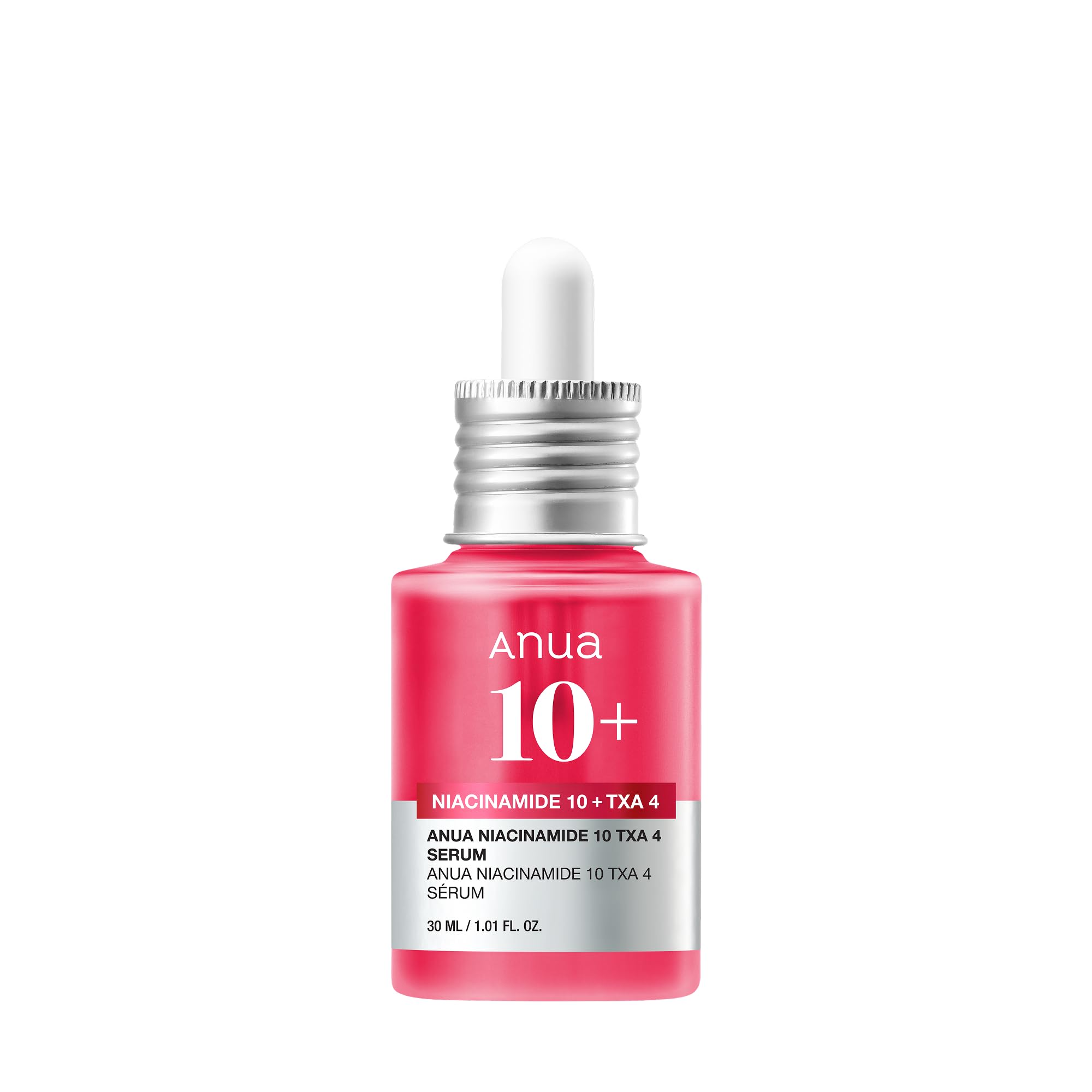
If the top pick is the broad, inexpensive first step, this is what comes next for marks that have already faded as far as niacinamide on its own will take them. Tranexamic acid at 4% and arbutin at 2% join the same 10% niacinamide, and the trio points straight at stubborn brown staining rather than all-over dullness.

That combination is why it holds a place here even at the higher end of this group. Tranexamic acid is what you reach for when a mark has stopped responding, and arbutin approaches the same problem from a second direction. The change we noticed over weeks was less contrast at the edges of old breakouts: the marks did not vanish so much as stop announcing themselves.

Ceramides and hyaluronic acid keep it from feeling like a chemistry experiment, and it is fragrance-free with no added color. The one thing to plan around is the finish, which stays a little tacky until it dries, so two drops at night, patted in and left to settle before moisturizer, suits it better than a rushed morning.

Bottom line: Our pick when a mark has stopped responding: the tranexamic acid and arbutin chase stubborn brown staining that niacinamide alone will not shift.

4

Naturium Niacinamide 12% + Zinc 2%

Naturium Niacinamide 12% + Zinc 2%

Oily, enlarged pores

Our Score 9.0/10
Check Price

Worth Noting

  • Stings on skin that is already irritated
Dose
1 to 2 pea-sized pumps
Size
1 fl oz
Skin Types
All skin types, patch test advised
Key Actives
Niacinamide 12% + zinc PCA 2%

The complaint behind a lot of post-acne texture is not the mark itself but the shine and the visible pores that outlast the breakout. Twelve percent niacinamide with two percent zinc PCA is the strongest oil-control pair in this guide, and it is the one we reach for when that is the problem in front of us.

The step up from 10% is small on paper and noticeable on oily skin. Zinc PCA is the salt that shows up in oil-regulating products, and at 2% it takes the sheen off a forehead by mid-afternoon rather than just at application. Alongside it, the niacinamide keeps working on the flat discoloration a spot leaves behind, which is what earns it a place in this guide rather than in a general skincare roundup.

It is thin, it calms down under sunscreen, and there is no adjustment period to plan around, so it can go on morning and night from day one. A pump is enough and two is plenty; past that it turns tacky and the extra buys you nothing.

Bottom line: For oily skin and visible pores this is the one we hand over: 12% niacinamide plus zinc takes the shine down while it works on tone.

5

SKIN1004 Tone Balancing Ampoule

SKIN1004 Tone Balancing Ampoule

Budget daily brightening

Our Score 9.2/10
Check Price

Worth Noting

  • Can irritate active breakouts
Size
3.38 fl oz / 100 ml
Texture
Lightweight capsule ampoule
Key Actives
Niacinamide, tranexamic acid, centella

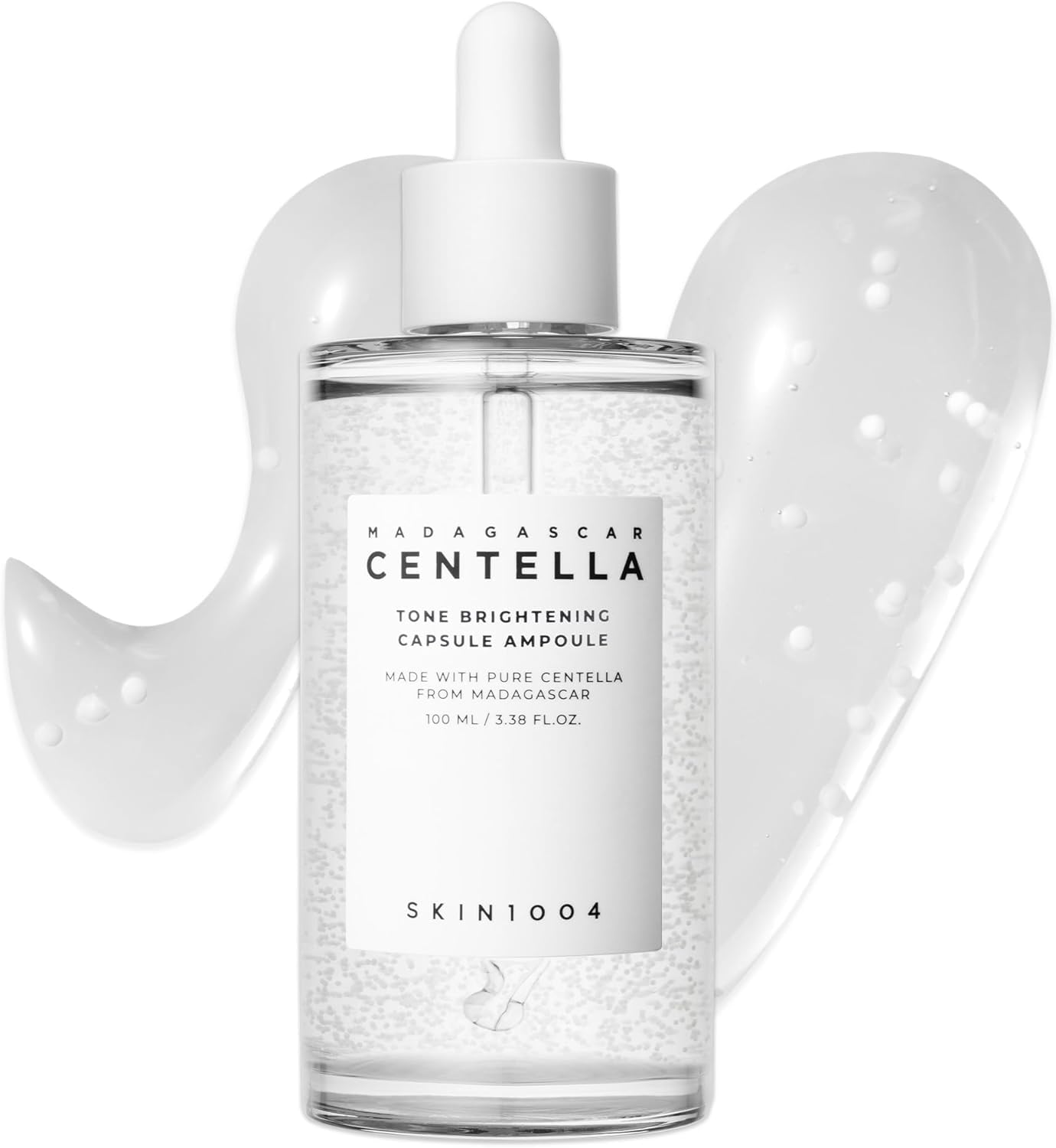
A hundred milliliters is roughly three times the size of most bottles in this guide, and it changes how you use a serum: no rationing, no saving it for the good weeks, no flinching at the thought of your neck and jaw. That the formula is worth using twice a day is the other half of why it is here.

The capsules are the visual hook, small beads that break down as you spread it, but the pairing underneath does the work: niacinamide for overall tone, tranexamic acid for the marks that linger, and centella to keep a reactive face calm. It is a formula built for the person whose skin objects to everything, which is most of the reason we keep it in the rotation.

It is hydrating enough to double as a light layer under moisturizer, and it is the least aggressive brightening option here. The texture asks for a little care: pat it in rather than rubbing, and use less than you think, because it goes tacky when it is piled on.

For anyone who goes through serum fast, this is the one that makes a twice-daily brightening step sustainable, and the centella means it suits a face that is still healing rather than just marking. Give it a few weeks before you judge it. The size makes patience cheap.

Bottom line: It is the bottle we keep for the months when brightening needs to be a habit, since 100 ml of niacinamide and tranexamic acid makes twice-daily use easy.

6

Anua Azelaic Acid 10 Serum

Anua Azelaic Acid 10 Serum

Redness-prone skin

Our Score 9.0/10
Check Price

Worth Noting

  • Can burn on sensitive skin
Size
1.01 fl oz
Key Active
Azelaic acid 10%
Also Inside
Three hyaluronic acids, panthenol
How To Start
1 to 2 drops, once or twice a week

Azelaic acid does two jobs at once. It fades the brown a healed spot leaves behind and it settles the redness around it, which is why it suits faces where marks and flushing arrive together. This is a straightforward 10% version, cut with three weights of hyaluronic acid and panthenol so it does not dry you out on the way.

The catch is pace. Azelaic works slowly and quietly, slower than the niacinamide serums here and far slower than retinol, so it is the wrong pick if you want visible change by the end of the month. What it does better than anything else in this group is the angry, blotchy, still-pink stage, and it is the one we choose for a face that flushes as well as marks.

The green tint is more than a gimmick: it knocks back visible redness while the acid works, which makes it wearable in daylight, and the watery texture disappears under moisturizer. Those instructions to start with a drop or two, once or twice a week, are worth following rather than skipping. This is a build-up product, not a load-it-on product.

Bottom line: The one we point to when marks arrive with flushing: azelaic acid fades the brown and settles the red, though it works in weeks rather than days.

7

Beauty of Joseon Glow Deep Serum

Beauty of Joseon Glow Deep Serum

Gentle daily glow

Our Score 9.0/10
Check Price

Worth Noting

  • Milder actives than the acid-led picks
Finish
Dewy, non-sticky
Texture
Silky, fast-absorbing
Key Actives
Alpha-arbutin and rice bran water

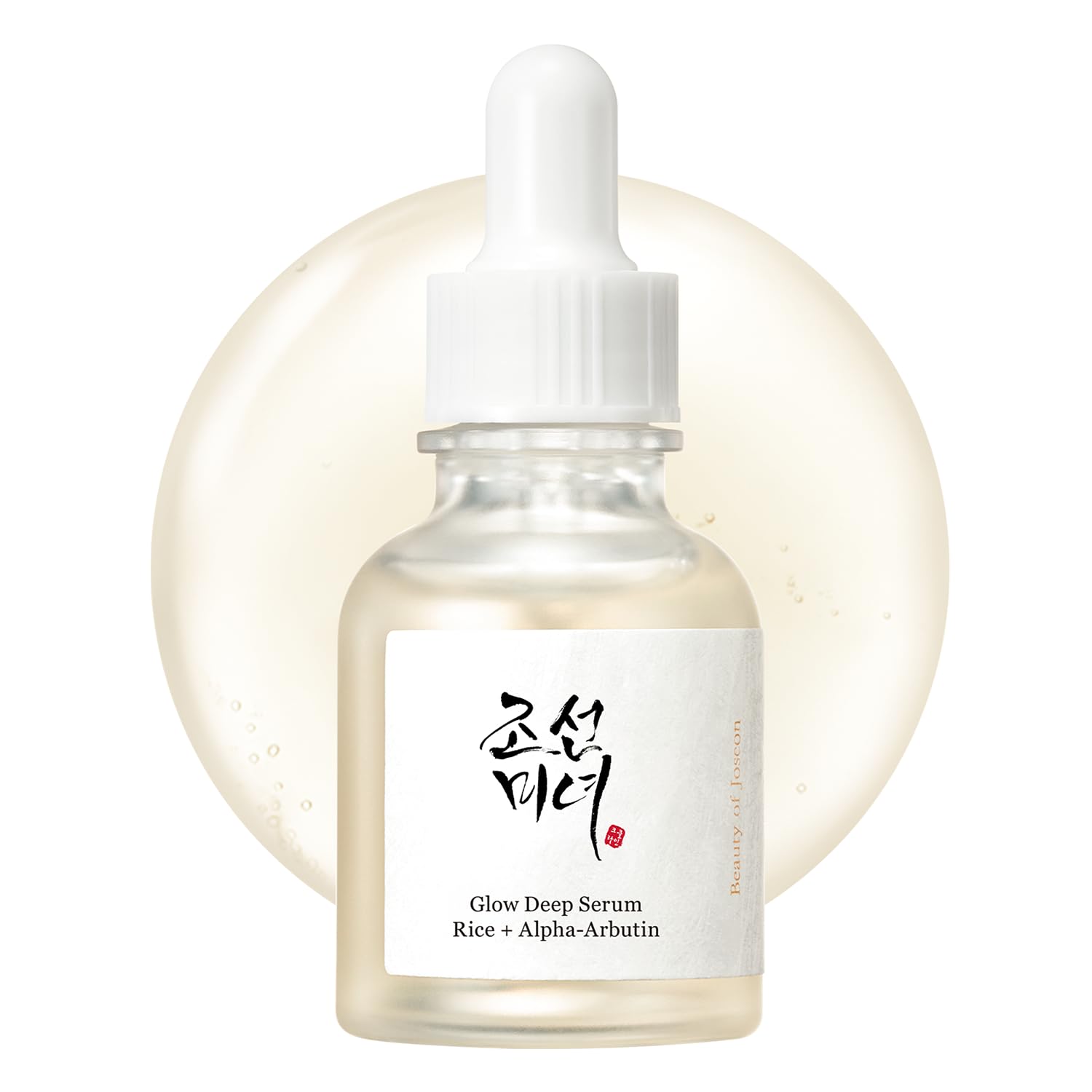
Most brightening serums leave something behind, whether a film, a tack, or a shine that makes you think twice about a morning application. This one finishes like water. That sounds like a small thing until it is the difference between using it daily and leaving it in the drawer.

The active is alpha-arbutin, a gentler route to the same job tranexamic acid does, buffered with rice bran water so the whole thing reads hydrating rather than astringent. It layers under sunscreen without pilling and it is light enough for humid weather, both of which matter more than they sound when you are committing to a daily step.

Our honest read is that this is a starter brightener. Arbutin is patient and the concentration is not the story here, so expect a more even, better-lit look rather than one specific mark lifting; if you have a single stubborn patch you are chasing, the Anua or the retinol will do more. As the first serum someone builds into a routine, though, it is hard to beat on feel.

Bottom line: We like it as a first brightening serum: the arbutin is gentle, the finish is invisible, and it will not frighten skin that is new to actives.

8

TruSkin Vitamin C+ Serum

TruSkin Vitamin C+ Serum

One-bottle routine

Our Score 9.0/10
Check Price

Worth Noting

  • Citrus scent will not suit reactive skin
  • Can sting, especially layered with other actives
Size
1 fl oz
Free From
Parabens and dyes
Key Actives
Five actives, including vitamin C and retinol
How To Start
2 to 3 nights a week

Five actives in one bottle, namely vitamin C, retinol, niacinamide, hyaluronic acid, and squalane, is either the most efficient idea in this guide or a recipe for a fight on your face. For people who will not build a four-step routine, it is the former.

The logic holds up. Vitamin C goes after dark marks and dullness, retinol handles texture and turnover, niacinamide evens and calms, and squalane and hyaluronic acid keep the whole thing from drying you out. It reads like a marketing list and behaves like a routine, which is rare enough that we noticed.

It is a night serum, because retinol sees to that, and the label's advice to start at two or three nights a week and build is the right way in. Sunscreen the next morning stops being optional, which is true of every retinol step and worth saying plainly here because you are getting one inside a bottle you might otherwise treat as a brightening serum.

If you will only use one thing, this covers more ground per drop than anything else on this list, and the hydration means it does not leave your face tight the way a bare vitamin C can. If your skin is reactive, the simpler picks above are safer company.

Bottom line: If you will only keep one bottle on the shelf, this is the one: vitamin C and retinol in a single step, at the cost of a scented formula.

How We Tested 14 Serums on Real Acne Marks

We built the shortlist by reading ingredient labels the way a shopper does: niacinamide, tranexamic acid, azelaic acid, retinol, or vitamin C in the top half of the list got a bottle in, and heavy fragrance or drying alcohol near the front kept it out. Because stinging comes up in reviews far more often than slow results, we leaned toward formulas with ceramides, hyaluronic acid, or centella buffering the actives. That left 14 serums, split among three testers: oily and clog-prone, dry and reactive, and combination with old post-acne marks.

Most of us ran one serum in the morning and another at night, and each formula stayed in rotation for at least four weeks, with a handful tested simultaneously by two people so we could see the same one on oily and dry skin. We photographed cheek and jaw marks every Sunday in the same bathroom light, logged any sting, itch, or flush along with the time of day it hit, and blotted each serum ten minutes after application to check for film before sunscreen went on.

Texture and compatibility got separate passes: we layered every serum under moisturizer, SPF, and foundation and noted pilling or slipping, then noted whether skin felt tight by mid-afternoon. For value, we tracked how many weeks a bottle lasted at twice-daily use and how many drops covered the face, since a watery serum can cost more per week than a thick one. Fading was judged on the marks themselves — brown to pink to faint — and how many weeks each shift took. Anything that stung on day three got a second try on the inner forearm before we wrote it off.

How to Choose a Serum for Acne Scars

Match the Active to What Is Actually on Your Face

Flat brown and pink marks are a pigmentation problem, and the actives that answer it are niacinamide, tranexamic acid, arbutin, azelaic acid, and vitamin C. Indented or raised texture is a different job, and retinol is the only thing in this group that meaningfully takes it on. A lot of faces have some of each, which is why a niacinamide serum used daily plus a retinol a few nights a week covers more ground than doubling up on one category.

Pick one primary active first and live with it for a month. Adding a second before you know what the first is doing just makes it harder to tell which one is working and which one is responsible for the sting.

Start Lower Than You Think You Need To

Niacinamide at 10% and above is where stinging starts for a lot of people, and anything layered onto freshly exfoliated skin will sting more. Patch test on the jaw for two nights, then build the frequency rather than starting at twice a day, and do not introduce two new serums in the same week. If something goes wrong you want to know which bottle did it.

Where a retinol is part of the plan, sunscreen in the morning stops being a separate step you might skip. Treat it as part of the purchase.

Read the Finish as Carefully as the Ingredient List

A serum you do not enjoy applying is one you stop applying, and finish is usually what decides that. Watery formulas disappear under sunscreen and makeup; anything with a tack needs a minute to dry down and suits a night routine better. If you wear foundation most days, the silky, thin finishes here are the ones that will not pill underneath it.

Work Out What a Bottle Actually Costs You

A small bottle at a low price and a large one at a higher price can cost the same per month. The 100 ml ampoule in this guide is the clearest example: a mid-priced serum that runs roughly three times as long as a standard ounce, which is exactly why it earned the value label.

Compare how many drops a dose takes and roughly how long the bottle lasts, not the number on the shelf. Two drops twice a day drains a small bottle far faster than the label suggests.

Frequently Asked Questions

Final Verdict

Our first recommendation is The Ordinary Niacinamide 10% + Zinc 1%. It fades marks, calms redness, and keeps oil in check in one step, it works morning and night without a sunscreen caveat, and it does all of that for less than anything else in this guide.

Change to the CeraVe retinol if your marks sit on bumpy texture rather than flat discoloration, and to the Anua tranexamic acid serum if a mark has stopped responding to niacinamide on its own.