Shoes

Best Running Shoes for Women with Wide Feet of 2026

Sizing up half a size has been the workaround for wide feet for about as long as running shoes have existed, and it works right up until your heel slides out the back on a downhill. A shoe built on a genuinely wide last gives you toe box room without the extra length, but "wide" means something different from one brand to the next. I have a wide forefoot and a narrow heel — its own special puzzle — and I spent years buying the wrong shoes for it.

Over the past nine months, my team and I have run in 13 pairs of women's wide running shoes, from budget trainers to max-cushion models, on pavement, treadmills, and the occasional reluctant trail loop. We wore them for long runs, tempo days, and everything after, and we tried each one in its wide width alongside the same shoe in standard to feel exactly what the extra room changed. The pairs that made the cut feel comfortable from the first mile, hold their shape and arch support past month three, and look good enough that you won't change shoes before coffee.

1

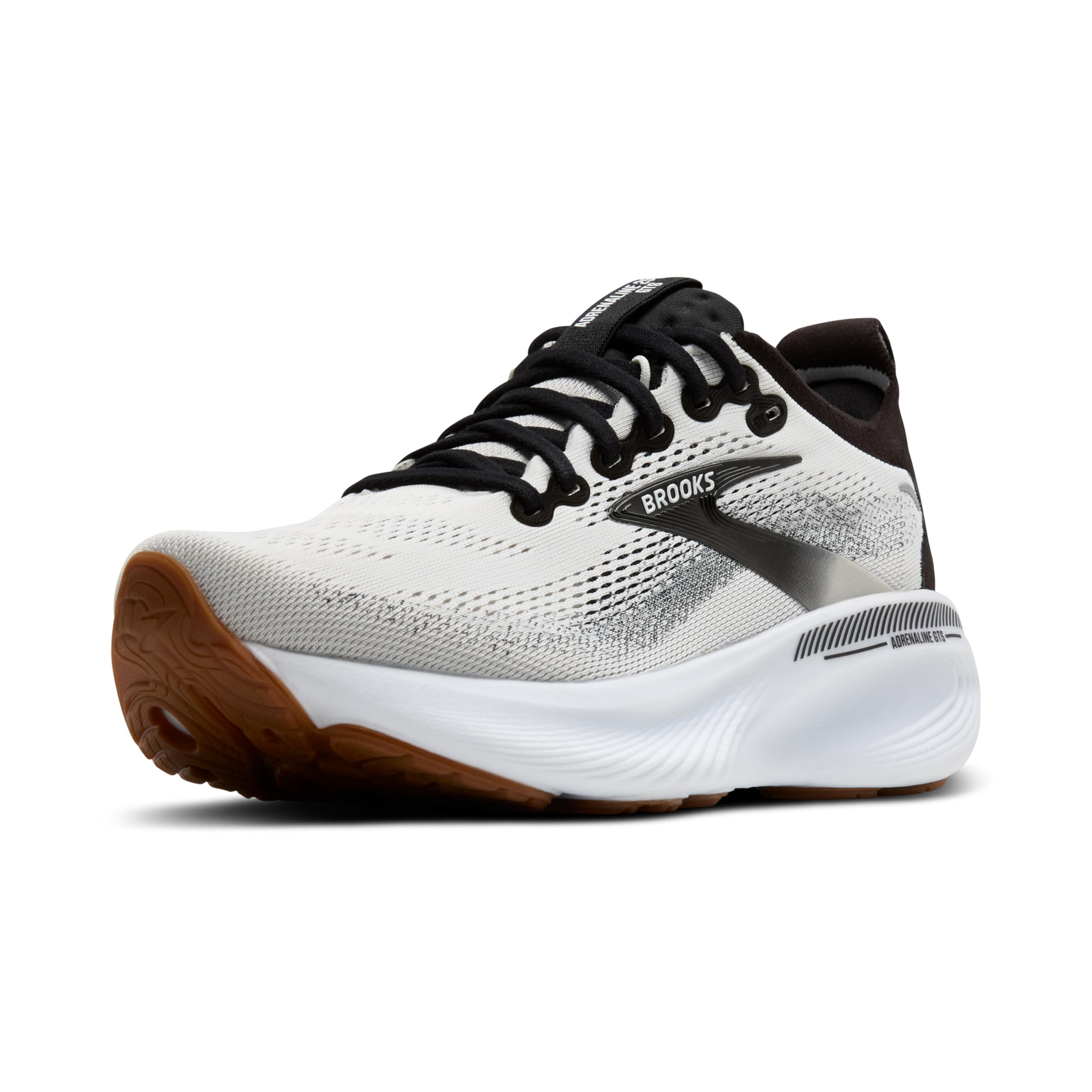
Brooks Adrenaline GTS 25

Top Pick
Brooks Adrenaline GTS 25

Stability daily miles

Our Score 8.8/10
Check Price

Worth Noting

  • Premium price
Support
Arch and ankle
Toe Box
Wide
Cushioning
Soft

The Adrenaline's toe box is the first thing we noticed: wide enough for toes to spread, but shaped so the heel still sits securely. That balance is why it became our default for longer road runs. The arch and ankle support are more substantial than the soft, neutral shoes here, and we felt the difference when we picked up the pace.

Cushioning is soft without turning mushy. The footpad takes the sting out of concrete, while the structure around the arch keeps the ride from feeling vague. We liked that the upper wraps the midfoot without pressing across the widest part of the foot, which is the failure point for a lot of wide-fit shoes. The ride is stable enough for daily training, not just short jogs.

The fit is consistent for most runners, and the wide sizes give the forefoot room without adding slop through the midfoot. We also like that the laces cinch down without creating a pressure point over the instep. On a long run, that combination kept our feet from sliding forward.

For one pair that handles easy days and longer efforts, it is the safest wide-fit choice here. If you want a more neutral ride, the Ghost is the better match.

Bottom line: We recommend the Adrenaline GTS 25 as the default wide-fit running shoe: it pairs a genuinely roomy toe box with the arch and ankle support that makes longer road miles feel easier.
2

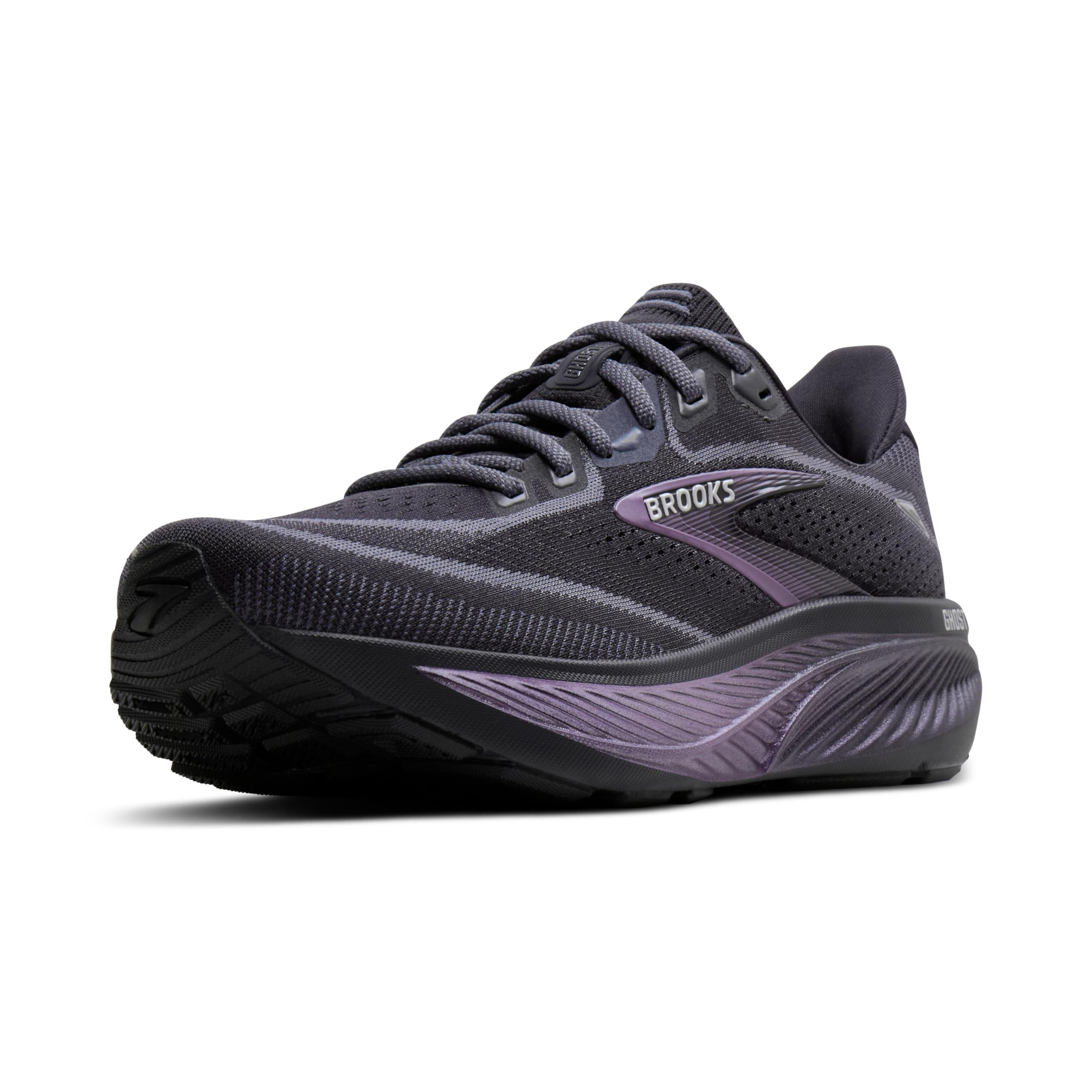
Brooks Ghost 18

Brooks Ghost 18

Neutral daily runs

Our Score 8.8/10
Check Price

Worth Noting

  • Premium price
Support
Side stability
Toe Box
Roomy at bunions
Cushioning
Balanced

If the Adrenaline sounds like more structure than you want, the Ghost 18 is the neutral alternative we reach for. The toe box leaves room around bunions and wider forefeet, and the upper has a soft, forgiving feel from the first wear. We did not need a break-in period.

The cushioning is squishy but supported, with a padded heel and enough side stability that the shoe does not feel tipsy. We liked the balance for easy runs and long walks; it takes the edge off hard surfaces without feeling like a marshmallow. The fit is true for most runners, with a roomy forefoot and a secure midfoot.

The Ghost is neutral rather than a stability pick, so runners who want firm arch support should stay with the Adrenaline. For everyone else, it is a comfortable, roomy daily trainer that looks good enough to wear beyond the run. The upper also has a clean shape that does not look like a wide-fit shoe.

We recommend it for daily miles and long walks, especially if bunion pressure is the reason you need room. It is the pair we hand to runners who want softness without a max-cushion stack.

Bottom line: For neutral wide-foot runners, the Ghost 18 is the easy choice: a roomy toe box, soft cushioning, and enough side stability to keep daily miles comfortable.

3

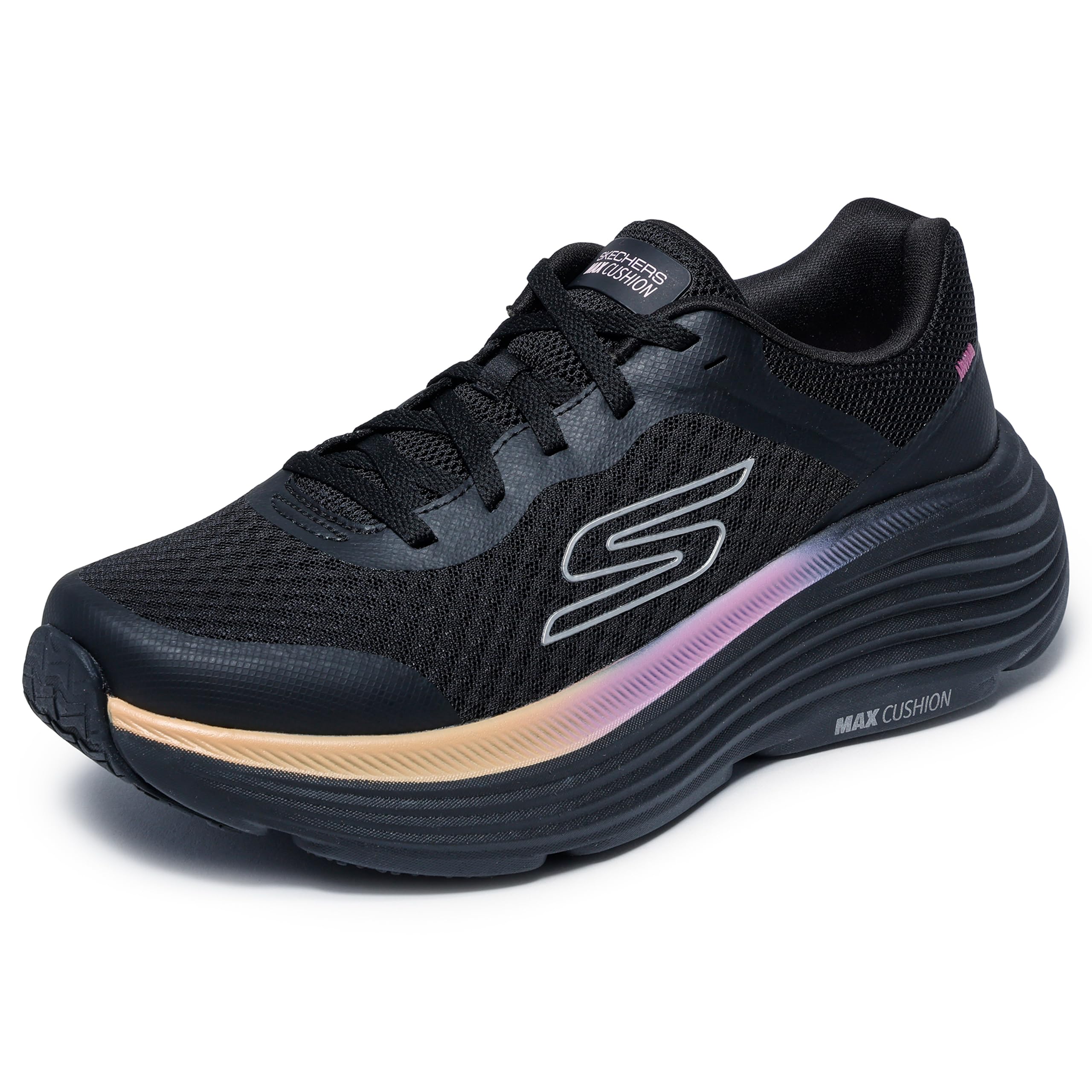
Skechers Max Cushioning Endeavour

Skechers Max Cushioning Endeavour

Max-cushion comfort

Our Score 9.0/10
Check Price

Worth Noting

  • Outsole can wear early
Fit
Extra-wide
Cushioning
Max
Listed Weight
1.5 lb

The Endeavour is the plushest shoe in this group. Its extra-wide fit and soft upper gave our toes room without a tight squeeze across the top of the foot, and the thick sole softened hard pavement on longer days. If you want a running shoe that doubles as a comfortable all-day pair, this is the one we point to first.

Cushioning is the headline. The foam is soft and flexible, with a slight bounce that keeps the ride from feeling dead. We noticed the upper breathes well, which matters on warm runs, and the slip-on shape is easy to get into. The heel is secure enough that the roomy forefoot does not turn into sliding.

The fit is the reason it stands out: the toe box is wider than most here, and the upper gives across the top of the foot instead of pressing. The soft upper has less structure than a knit trainer, so lace it firmly if you need a locked-in midfoot. That is a small adjustment, not a dealbreaker.

We like it for easy miles, long walks, and days when standing is the main event. Runners who need firmer support should look at the Adrenaline. The soft ride is the point, not a flaw; just do not expect a snappy toe-off.

Bottom line: We pick the Max Cushioning Endeavour for wide feet that want softness first: the extra-wide fit and plush sole make long days feel easier.

4

ASICS Gel-Nimbus 27

ASICS Gel-Nimbus 27

Soft neutral runs

Our Score 8.8/10
Check Price

Worth Noting

  • Premium price
Fit
Generous
Cushioning
Plush
Arch Support
Yes

Softness is the reason to choose the Nimbus. The footbed is plush and slightly springy, and the fit is generous - sometimes very generous. For wide feet, that extra room can be welcome, but runners between sizes should pay attention.

We liked the arch support and the cushioned landing on easy miles. The shoe is neutral, so it does not try to correct pronation, but the base feels stable enough for long days on pavement. The upper is comfortable against the foot, with no hard edges around the toes.

The weak spot is durability: the interior and heel area can break down before the cushioning does, so rotate this pair rather than wear it into the ground. That is the trade-off for the soft ride. If you want a plush neutral shoe and do not mind treating it as a rotation pair, it is a lovely option.

The fit is the other thing to watch: it runs large for some runners, so if you are between sizes, try the smaller one first. The generous toe box is a plus for wide feet, but it can feel too roomy for narrow feet.

Bottom line: The Gel-Nimbus 27 is our soft-cushion pick for neutral wide feet, with a generous fit and plush ride that suits easy miles and long days.

5

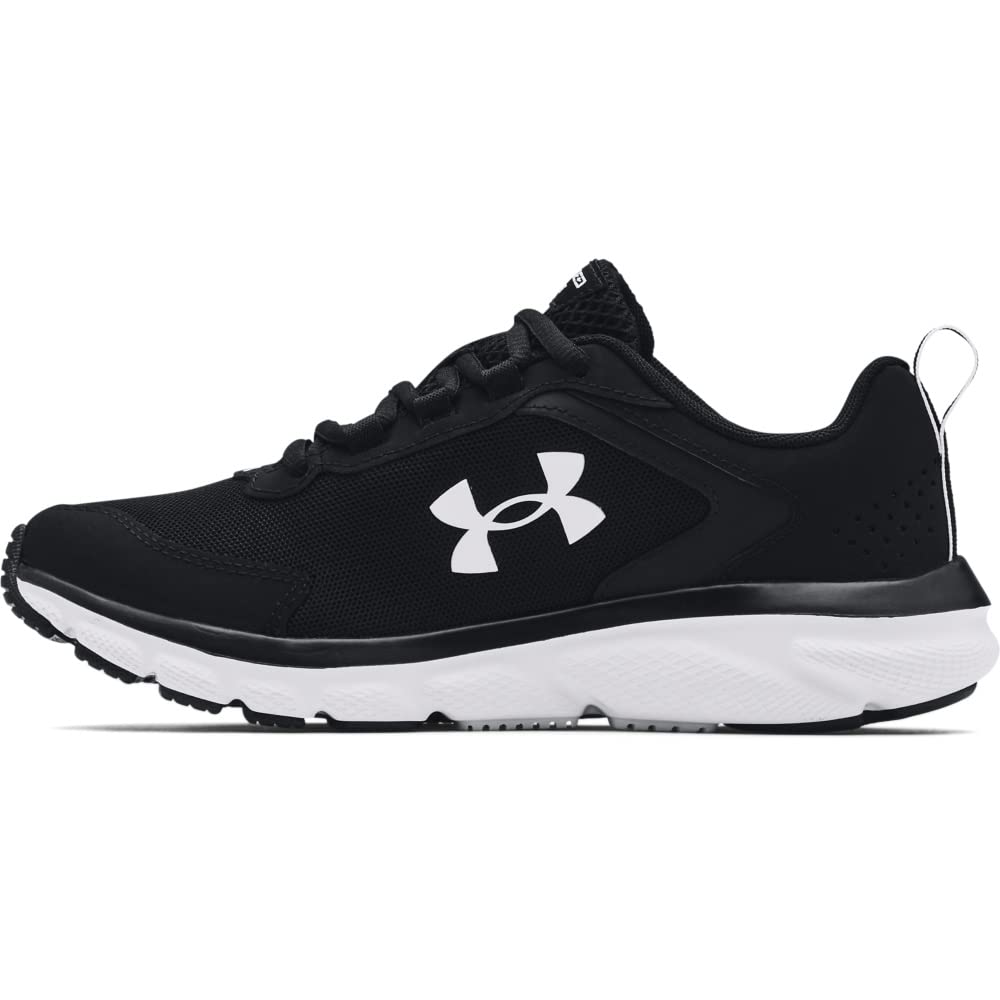
Under Armour Charged Assert 9

Under Armour Charged Assert 9

Budget wide runs

Our Score 9.0/10
Check Price

Worth Noting

  • Seams can separate
Support
Arch support
Toe Box
Roomy
Listed Weight
1.48 lb

Budget shoes often skimp on width. The Assert 9 does not. Its toe box is genuinely roomy, and the arch support is more than we expected at this end of the group. The cushioning is firmer than the max-cushion picks, which gives the shoe a slightly quicker feel.

We liked it as a first running shoe or a second pair for short road sessions. The upper is simple and breathable, and the shoe is easy to lace securely around a wider midfoot. Sizing is the catch: the fit runs small for some runners, so start with your usual running size and move up if your toes touch the front. That is a fit quirk, not a reason to skip the shoe.

For short, regular runs, the comfort-to-cost ratio is hard to beat. It is not the plushest shoe here, but it does the basics well, and the wide toe box is the reason to choose it over a generic budget trainer. If you run high mileage, spend more; if you are building a habit, this is enough shoe.

Bottom line: The Charged Assert 9 is the budget wide-fit pick we trust for short runs and everyday miles, with a roomy toe box and useful arch support.

6

Skechers Go Run Consistent

Skechers Go Run Consistent

Lightweight daily runs

Our Score 9.2/10
Check Price

Worth Noting

  • Less underfoot protection for long runs
Fit
Wide option
Weight
Lightweight
Cushioning
Cushioned insole

The Go Run Consistent is the lightest, most flexible shoe we kept in the wide-fit group. The wide version has a roomy toe box and a soft, cushioned insole, and it needed no break-in on the first run. It is the pair we grab for treadmill sessions and quick neighborhood miles.

The ride is soft and flexible. The upper is breathable and simple, and the laces hold the midfoot without pressure. We noticed the shoe disappears on the foot in a way the heavier max-cushion picks do not, which makes it fun for quicker efforts.

What we appreciate most is the value: it gives wide feet room and a comfortable step without the premium price of the Brooks or ASICS picks. The flexible forefoot makes it a natural gym companion, and the light weight is easy to live with. For a light daily pair, it is an easy yes.

The wide option is the key: it gives the forefoot room without the shoe feeling oversized. If you want one pair for every kind of run, look higher up this list. If you want a light daily pair, this is the one.

Bottom line: We like the Go Run Consistent for wide-foot runners who want a light, roomy shoe for shorter runs without spending much.

7

New Balance Fresh Foam Arishi V4

New Balance Fresh Foam Arishi V4

Budget toe room

Our Score 8.4/10
Check Price

Worth Noting

  • Modest arch support
Weight
Lightweight
Toe Box
Wide
Cushioning
Light

A wide toe box at a low price is the pitch, and the Arishi V4 delivers it. The forefoot is roomy, the shoe is light, and the upper is easy to put on and take off. We liked it for errands, short jogs, and days when we wanted less shoe.

The cushioning is light rather than plush. That makes it a better fit for shorter runs and everyday wear than for long training days. The ride is flexible and unobtrusive, which some runners will prefer to a stiff stability shoe. The heel is soft and the collar does not dig in.

Durability is the trade-off. The upper and outsole are the first places to show wear, so this is not the pair we choose for heavy mileage. The mesh across the toes is thin, and that is where trouble starts if you run in them often.

It earns a place for short runs, travel, and casual wear, not as the one pair you train in all season. The wide toe box is the reason to look, and the low price makes it an easy second pair.

Bottom line: The Fresh Foam Arishi V4 gives wide feet a roomy toe box and a light ride for a budget price, though we would keep it to shorter runs.

8

Adidas Galaxy 7

Adidas Galaxy 7

Short-run budget

Our Score 9.0/10
Check Price

Worth Noting

Fit
Wide-foot friendly
Toe Room
Extra
Cushioning
Soft

The Galaxy 7 is the price leader, and it does not ask much of your feet. The toe area has extra room, the sole is soft, and the upper is simple. We liked it for short road runs and gym days when we wanted something simple.

Cushioning is soft and marshmallow-like, which makes the first mile comfortable. The fit is the reason it is here: the toe area is wide-foot friendly, with enough room that toes do not feel pinched. It is not a stability shoe, and the upper is basic.

The ride is best kept to casual miles. It lacks the structure of the Brooks or ASICS picks, and the cushioning is not deep enough for long training blocks. At this price, that is a fair trade for a short-run shoe or a backup pair.

We recommend it when budget is the deciding factor and the run is short. It is also a sensible travel pair because it is soft and easy to pack. Just do not expect it to replace a dedicated daily trainer.

Bottom line: The Galaxy 7 is the cheapest wide-fit option here, and it is worth a look for short runs if you want a soft, roomy toe area.

How We Picked and Tested Women's Wide Running Shoes

We started by pulling every women's running shoe we could find that's actually sold in a wide or extra-wide width, not just a roomy standard, then filtered by what customer reviews kept circling back to: cramped toe boxes, heels that slip, arch support that flattens out, and outsoles that wear through in a season. From that pool we bought 13 pairs ourselves in sizes 7 through 11, mixing budget models with max-cushion trainers so the value question stayed honest.

Each pair went into the same rotation for nine months: weekday easy runs on pavement, weekend long runs, treadmill intervals when the weather turned, and the unglamorous stuff — standing at a stove, walking the dog, running to catch a bus. Every shoe got worn in both its wide width and the same model in standard, which is the only way to feel what the extra room actually changes and whether the sizing runs true.

We measured the toe box at its widest point and pressed a thumb across the forefoot to see where the upper gave, then noted where hot spots and blisters showed up in the first 10 miles and whether the heel counter held the foot or let it ride up. Arch support was judged after a full day on our feet, not just a run, and we tracked outsole wear at 50 and 150 miles to see if the midsole packed out or the upper creased — the quality you notice around month four rather than week one. Appearance got a simpler test: would we wear them to coffee afterward without changing shoes? We'll keep running in most of these and update as the miles add up.

How to Choose Running Shoes for Wide Feet

Start with the toe box, not the width label

A wide width gives extra volume, but the shape of the toe box decides whether your toes actually have room. Look for a forefoot that is wide at the ball of the foot and rounded at the front, not tapered to a point. The Brooks Adrenaline GTS 25 and Ghost 18 are good examples of roomy shoes that still hold the midfoot. Try them with the socks you run in and leave about a thumb's width in front of the longest toe. If the heel slips, adjust the laces before going down a size.

Match the ride to your support needs

Wide feet do not automatically need a stability shoe, but a wide platform can make a neutral shoe feel more secure. Choose a stability-oriented pair like the Adrenaline if your arch collapses inward or you want firmer support under the midfoot. Choose a neutral shoe like the Ghost or Gel-Nimbus 27 if you want soft cushioning and do not need correction. The Skechers Max Cushioning Endeavour is the most comfort-first option here, with a softer ride and less structure. We prioritize the shoe that keeps your knee and ankle aligned through the landing.

Do not ignore durability

Wide feet put more stress on the upper and the outsole, especially at the toe and the outer edge. Look for reinforced overlays, a sturdy heel counter, and an outsole that covers the forefoot. Soft max-cushion shoes can feel wonderful and wear through faster; the Skechers Endeavour and New Balance Arishi are both comfort-first picks where the outsole or upper is the first thing to watch. Rotate two pairs if you run often, and retire a shoe when the midsole feels flat or the upper tears.

Sizing is model-specific

A wide width from one brand is not the same as a wide width from another. The Under Armour Charged Assert 9 runs small for some runners, while the Gel-Nimbus 27 runs generous and the Skechers Endeavour is extra-wide. Start with your usual running size in the specific model, then adjust for the shape of your foot. If you are between sizes, choose the larger size only when the toe box is short; if the shoe is simply too voluminous, try a narrower width or a different model.

Frequently Asked Questions

Final Verdict

For most women with wide feet, the Brooks Adrenaline GTS 25 is the pair we recommend first. It has the roomiest toe box among the supportive shoes here, and the arch and ankle support make daily miles feel controlled rather than squishy. If you want a neutral ride and a bunion-friendly fit, choose the Ghost 18. On a tight budget, the Under Armour Charged Assert 9 gives you a genuinely wide toe box for less.