Skincare

Best Retinol Serums of 2026

Retinol has the longest paper trail in skincare and the worst word of mouth. It really does soften fine lines, fade dark marks, and make pores look smaller, but the stories you hear are about peeling, a red jawline, and flaking that arrives the morning of a wedding. The right serum gives you the smoother, more even skin without the recovery period.

Here's what took me a few bottles to learn: the base matters as much as the percentage. A retinol buffered in ceramides and hyaluronic acid is a different experience from one dissolved in squalane, and neither is automatically better — it depends on how dry or reactive your skin runs. My team and I have had 12 serums in rotation for four months, and the ones we kept reaching for shared a few things: they absorbed without sitting tacky, they didn't announce themselves with fragrance, and by the end my skin looked calmer and more even rather than angry. The ones below earned their place the slow way.

1

CeraVe Resurfacing Retinol Serum

Top Pick
CeraVe Resurfacing Retinol Serum

Beginners, uneven texture

Our Score 9.2/10
Check Price

Worth Noting

  • Results arrive over weeks, not days
Size
1 oz
Active
Encapsulated retinol
Fragrance
Fragrance-free
Supporting Ingredients
Niacinamide, licorice root, ceramides

If your complaint is the marks and rough patches left behind after breakouts rather than deep wrinkles, start here. The Resurfacing serum pairs encapsulated retinol with niacinamide, licorice root and three ceramides in a fragrance-free formula, and it is the one we point to whenever someone asks where to begin. Encapsulation slows the retinol's release, which is what makes a nightly habit realistic for skin that has never tolerated a retinoid. The post-acne framing undersells it: over time it works as much on texture and tone as on marks, so it earns top place on breadth as well as on value.

What we noticed in use is how unremarkable it is to apply, which is a compliment. It is a light gel-cream that sinks in fast, takes a pea-sized amount for the whole face, and layers under moisturizer without pilling, so it slots into a routine you already have instead of rewriting it. Sensitivity is the thing to watch. Skin meeting retinol for the first time can sting or flush in the opening week, and some people break out before they clear. Start every third night, buffer with moisturizer, and treat stinging as a signal to slow down rather than stop.

Against the other CeraVe on this list, this one leans on tone and texture, while the hyaluronic-acid version is the better fit for tightness and fine lines. Against the La Roche-Posay, you give up some elegance and gain a fragrance-free formula that costs far less per bottle. Buy sunscreen in the same order.

Bottom line: Our pick for most people: encapsulated retinol with niacinamide and ceramides, fragrance-free, gentle enough to build up slowly, and priced so you can keep replacing it.
2

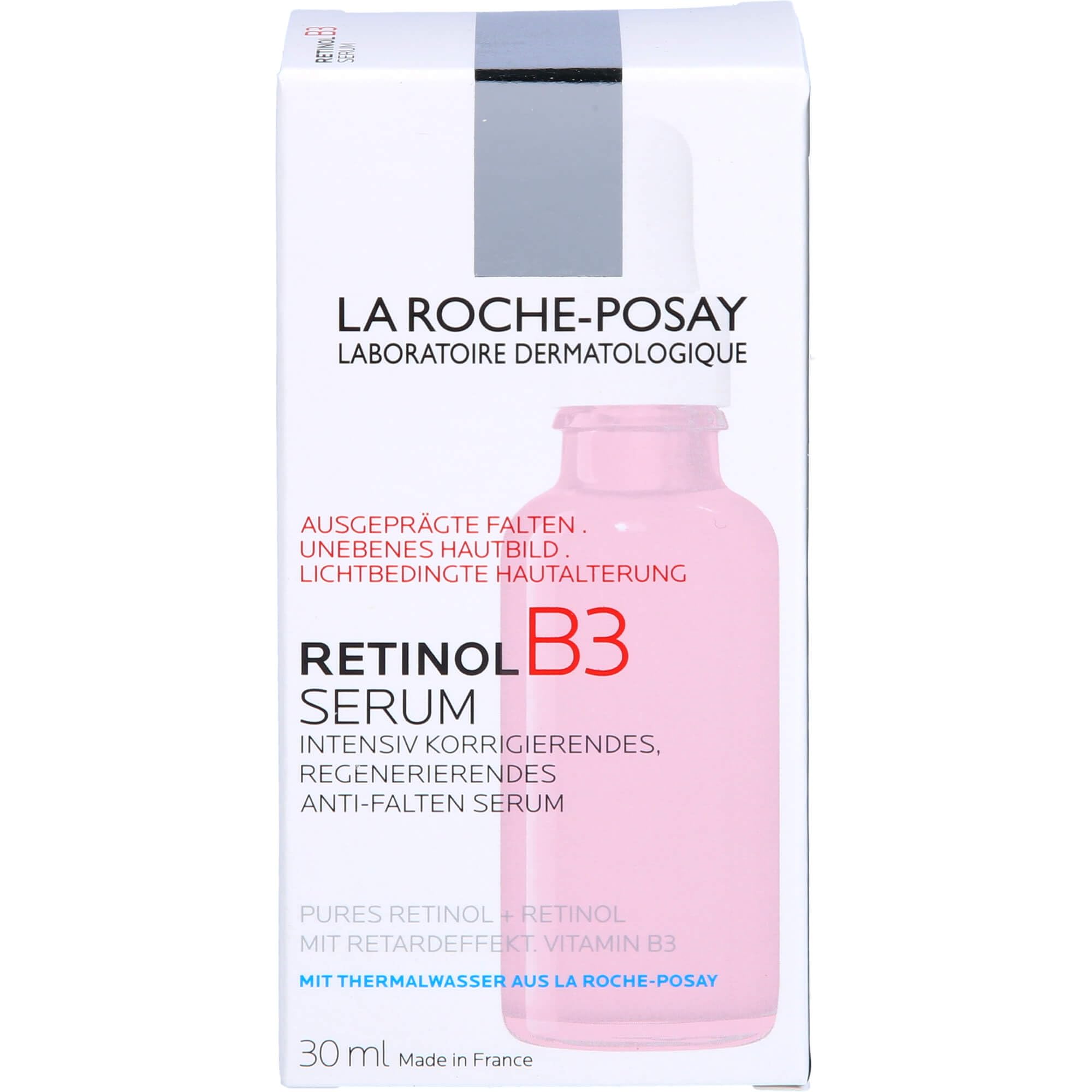
La Roche-Posay Retinol B3 Serum

La Roche-Posay Retinol B3 Serum

Sensitive, reactive skin

Our Score 9.2/10
Check Price

Worth Noting

  • The priciest serum in this group
  • Noticeable scent on application
Size
1 oz
Active
Pure retinol, gradual release
Texture
Lightweight, fast-absorbing
Supporting Ingredients
Niacinamide, hyaluronic acid

La Roche-Posay takes the opposite route to the budget picks: pure retinol rather than an encapsulated one, held in a gradual-release system and paired with niacinamide and hyaluronic acid. The idea is that the retinol arrives slowly enough for sensitive skin to stay on it, and the brand aims the serum squarely at first-timers and reactive complexions. It is also the only pick here that states both a pure retinol and a delivery mechanism.

Of everything we tried, this is the texture we enjoyed most: thin, almost watery, gone in seconds, with no film and no pilling under a cream. It was also the formula that felt most forgiving on skin already irritated from acids, with nothing stinging on application. That polish is why it holds a place here despite being the priciest serum in the group.

The catch is the scent. It is noticeable, and not everyone will want it on their face last thing at night, so patch-test first if fragrance has bothered you before, or choose one of the fragrance-free options instead. Keep it a finger's width from the lash line too, since the eye area is where retinol serums provoke the most stinging. For skin that flares easily, this is the most comfortable route to real retinol we found.

Bottom line: We reach for this when skin is already annoyed: pure retinol in a gradual-release formula with niacinamide and hyaluronic acid, in the lightest texture of the group.

3

CeraVe Retinol Serum with Hyaluronic Acid

CeraVe Retinol Serum with Hyaluronic Acid

Dry, tight skin

Our Score 9.2/10
Check Price

Worth Noting

  • Pump can fail before the bottle empties
Size
1 oz
Active
Encapsulated retinol with MVE
Fragrance
Fragrance-free
Supporting Ingredients
Hyaluronic acid, ceramides

Same brand, different job. Where the Resurfacing serum chases marks and texture, this one is built around hydration: encapsulated retinol on an MVE slow-release system, plus hyaluronic acid and the same three ceramides. If your skin feels tight and thin-looking rather than blotchy, this is the CeraVe to buy, and it is the one we hand to readers in heated houses and dry winters.

In use it is thicker than the Resurfacing serum and takes a little more work to spread. Once it settles, skin feels comfortable rather than taut, which is the point of the hyaluronic acid. Dry skin can still flake in the first weeks, and the finish stays tacky for a few minutes on some faces; a moisturizer over the top deals with both.

What keeps it on the list is the pairing of a slow-release delivery system with a genuinely hydrating base at a mid-range price, a combination that usually costs more. Give it a month of twice-weekly use before you judge it, and expect the pump to be the least charming part of the package.

Bottom line: The one we suggest when dryness comes with the fine lines: slow-release retinol with hyaluronic acid and ceramides, fragrance-free and cheaper than the pharmacy names.

4

L'Oreal Revitalift 0.3% Retinol Serum

L'Oreal Revitalift 0.3% Retinol Serum

Pure retinol fans

Our Score 9.0/10
Check Price

Worth Noting

  • Pure retinol can flake skin that starts too fast
Size
1 oz
Active
0.3% pure retinol
Fragrance
Fragrance-free
Supporting Ingredients
Hyaluronic acid, glycerin

0.3% is a number worth understanding. That is the stated concentration of pure retinol here, and pure retinol is the form skin can use without converting much, which means it acts faster than the derivatives in cheaper formulas and punishes overuse sooner. Very few serums in this group print a percentage at all, and we appreciate that this one does, along with a note that the retinol is stabilized against air and light.

The formula is fragrance-free, silicone-free and paraben-free, buffered with hyaluronic acid and glycerin, and it arrives with a trial-size night moisturizer that is genuinely useful during the ramp-up. Texture is a thin fluid that absorbs without a tacky residue, so it layers cleanly under a heavier cream.

The mistake is starting nightly. Two nights a week for a fortnight, then every other night, is the rhythm that worked for us, and it is the difference between a serum that smooths and one that sends you back to a barrier cream. If your skin is sensitive, the CeraVe or La Roche-Posay picks are the softer landing; if you have used retinol before and want a stated strength you can track, this is the mid-range answer.

Bottom line: For anyone who wants to know exactly what they are getting: 0.3% pure retinol, fragrance-free, with hyaluronic acid, and a formula that rewards going slow.

5

RoC Retinol Night Serum Capsules

RoC Retinol Night Serum Capsules

Pre-measured nightly use

Our Score 9.0/10
Check Price

Worth Noting

  • Fixed dose leaves no room to use less
Active
Encapsulated retinol
Format
30 single-dose capsules
Texture
Lightweight, dries silky
Fragrance
Fragrance-free

Thirty little capsules, one per night. You twist the tab, squeeze the serum into your palm, and there is no dropper to guess with and no open bottle of retinol oxidizing between uses. That sealed-until-use design is the entire argument for capsules, and it is why this box travels better than any bottle here: no leaks, no liquid allowance questions, nothing to knock over.

The serum itself is light and unscented, dries to a silky finish inside a minute, and one capsule covers face and neck with a little left for the backs of your hands. Encapsulated retinol is the active, so it sits at the gentler end of what we tried.

What we liked most is the consistency: the same amount every night, which is exactly what retinol needs and exactly what a dropper makes hard to achieve. The trade-off is control, since a night of stingy skin cannot be met with half a capsule, and the box is a 30-night supply, so it becomes a standing purchase rather than an occasional one. For travel, or for anyone who has ever over-applied because the bottle gave no clue, this is the format that solves it.

Bottom line: The one for anyone who wants the dose decided for them: one capsule of encapsulated retinol a night, fragrance-free and sealed until you twist it open.

6

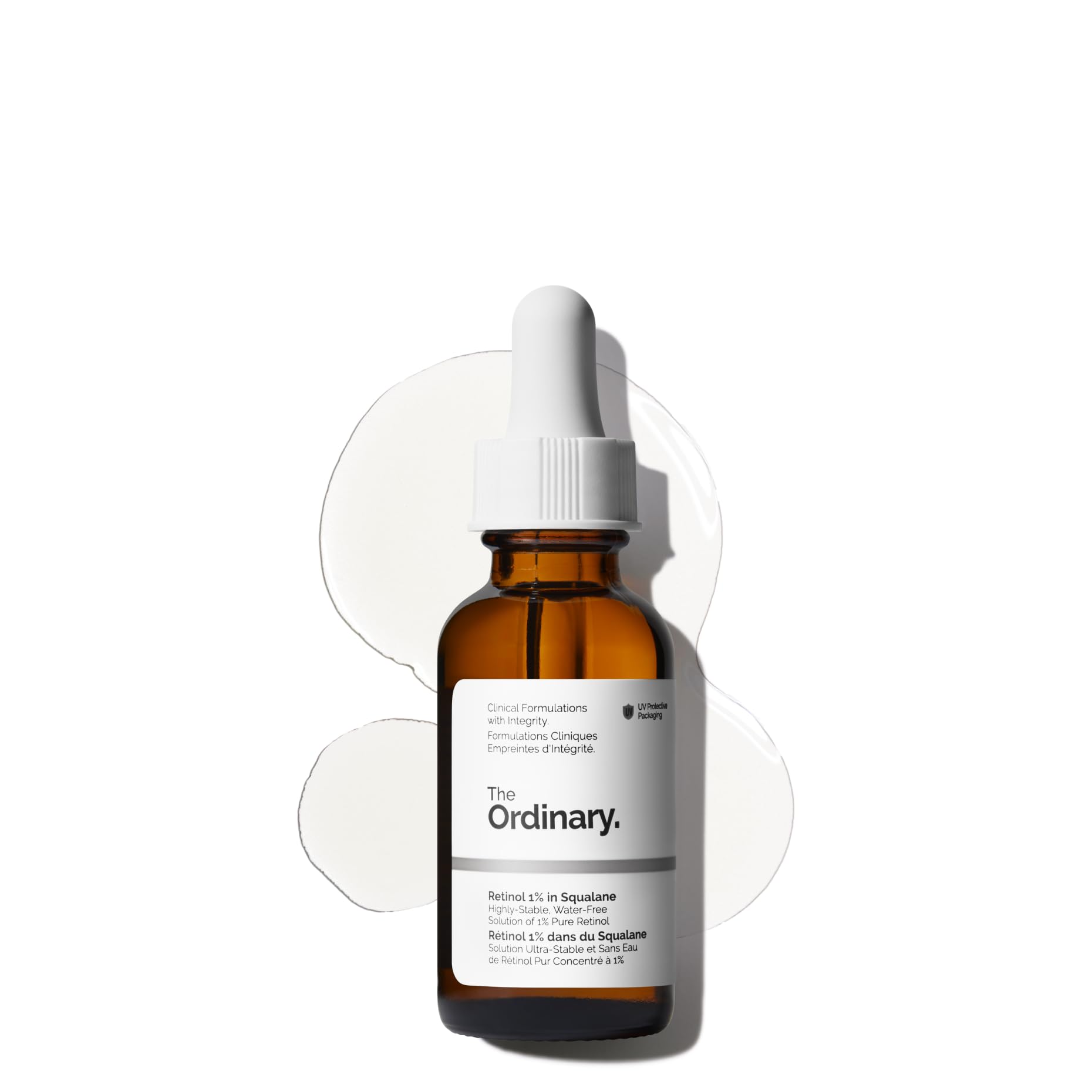
The Ordinary Retinol 1% in Squalane

The Ordinary Retinol 1% in Squalane

Experienced retinol users

Our Score 9.2/10
Check Price

Worth Noting

  • Oily finish that takes time to absorb
  • Must be refrigerated after opening
Base
Squalane
Active
1% retinol
Storage
Refrigerate after opening

This is the one to skip if you have never used a retinoid. One percent retinol is the highest stated concentration in this group, and the brand says plainly that it is for people who have built tolerance to lower strengths. The squalane base softens the experience, since squalane is a skin-friendly oil that offsets some of the dryness retinol brings, but it does not make the retinol itself milder.

Value is the reason it earns a place: it is the cheapest route to a high-strength retinol among these picks, and a few drops is a full application. It is also the oiliest. Squalane takes a while to sink in, and if you apply it and go straight to a pillow you will leave most of it on the case. We learned to give it ten minutes and to use it on nights when we were not rushing.

Two housekeeping points matter more than they sound. It needs refrigeration after opening, and it should not be stacked with another retinoid, both of which are on the label for good reason. Oily or acne-prone skin will do better with the granactive emulsion or a lighter fluid; dry, tolerant skin gets the most retinol for the least money right here.

Bottom line: The strongest stated retinol here and the least expensive way to get it, but only for skin that has already done its time with a gentler formula.

7

The Ordinary Granactive Retinoid 2% Emulsion

The Ordinary Granactive Retinoid 2% Emulsion

First-time retinoid use

Our Score 9.2/10
Check Price

Worth Noting

  • Gentle enough that results are slow and subtle
Size
1 fl oz
Active
2% Granactive Retinoid
Format
Emulsion
Anti-irritant
Tasmannia lanceolata extract

Granactive Retinoid is a different molecule from retinol: hydroxypinacolone retinoate, a retinoid ester that binds to skin receptors without needing to be converted first. The practical upshot is that it does its work with far less of the flaking and stinging that put people off retinol, which is why it is the ingredient to look for if your skin has reacted badly before.

This one is a milky emulsion rather than an oil, and it absorbs far quicker than the squalane version: a couple of pumps, a light film, then nothing. Skin looks plumped and slightly glowy the next morning, and there is no scent to speak of. Expect a thin consistency and tip the bottle rather than squeezing hard.

If you already use a retinol comfortably, this will feel like a step down, and the stronger picks here will do more for the same money. It is also not the formula to choose if you want a visible change in deeper lines before a specific date.

For a first retinoid, none of that matters. We point first-timers here because the cost of trying is low, the irritation risk is the smallest in this group, and the habit it builds, a thin layer at night and sunscreen in the morning, is the same habit a stronger serum will need later. Two pumps is plenty; the bottle lasts.

Bottom line: The gentlest way into retinoids on this list: a milky emulsion that rarely stings, costs little, and asks for patience instead of results by next week.

8

celimax Vita A Retinol Shot Serum

celimax Vita A Retinol Shot Serum

Firmer-looking skin

Our Score 9.2/10
Check Price

Worth Noting

  • Can sting on sensitive skin
Size
1.01 fl oz
Active
Pure retinol with 9-peptide complex
Texture
Lightweight, fast-absorbing

Most retinol serums here lean on one active. This one stacks a nine-peptide complex alongside pure retinol, and the peptides are the reason it reads as firming rather than simply resurfacing: they are the ingredients formulators reach for when the goal is bounce and elasticity instead of exfoliation. It is genuine Vitamin A, not a derivative, which puts it in a different category from the granactive emulsion.

The brand makes a lot of its particle size; what matters in practice is that the serum disappears into skin. It is thin and quick, with none of the oiliness of the squalane pick and none of the tackiness some retinol fluids leave behind, and it layers under moisturizer without pilling. On a warm evening it is the one we reach for without thinking.

Pure retinol means business, so the sensitive-skin framing on the box only stretches so far: stinging turns up for some skin, and a share of users see no change at all. Test it on the jawline for a week before committing your whole face, and keep it to alternate nights at the start.

What earns it a place is the balance of price and polish. It feels like a department-store serum, it layers beautifully, and the peptides give it a second job beyond smoothing, which is more than most formulas at this end of the list can claim. If you want a retinol that also feels like a small treat, start here.

Bottom line: A pure-retinol serum with a peptide boost that feels far more expensive than it is, and our pick if you want smoothing and firmness in a single step.

How We Tested: Four Months, 12 Serums, One Bathroom Mirror

We started with roughly 40 formulas — the ones that keep surfacing in dermatologist interviews, the ones with thousands of reviews, and a handful of quiet drugstore staples — then cut anything that didn't name its retinoid or that cost too much to use every night without wincing. That left 12, chosen to span the formats people actually buy: water-thin serums, squalane-based drops, a cream capsule, and an emulsion built for skin that can't tolerate straight retinol.

Each one went to a tester whose skin type matched what it was formulated for, and each got a three-night patch test behind the ear before it went anywhere near a cheek. From there we layered it in every third night and built to nightly over a month, applying to clean, dry skin. We timed how long each took to stop feeling wet, noted whether it pilled under moisturizer or sunscreen, and watched the places retinol shows up first: the corners of the mouth, the jaw, and the thin skin under the eyes.

Every Sunday we took photos in the same bathroom light and compared them side by side, and every morning we asked the same questions — did last night's application sting, did anything flake by afternoon, did skin feel tight after washing. We sniffed each serum at application, since a fragrance-free label doesn't always mean nothing is in there, and worked out cost per nightly use so value wasn't a guess. What we tracked most closely was the stretch between weeks two and six: that's when irritation usually peaks, and when we could tell whether a formula was buffered well enough for someone with sensitive skin to keep going.

How to Choose a Retinol Serum

Start with the retinoid, not the percentage

The number on the front of the box only means something once you know which molecule it is measuring. One percent retinol, 0.1% retinal and 2% granactive retinoid are not marks on one scale: retinal and hydroxypinacolone retinoate do their work at much lower concentrations, so a smaller-looking number can be the stronger product. Read the ingredient first, then the strength.

If you have never used a retinoid, begin with an encapsulated retinol such as the CeraVe Resurfacing serum or the granactive emulsion, and move to a pure retinol once your skin has stopped reacting to the gentle one.

Read the rest of the formula, not just the active

Retinol nearly always travels with company, and the company decides whether your skin tolerates it. Niacinamide and ceramides support the barrier, hyaluronic acid and squalane offset dryness, peptides add firmness. Fragrance is the ingredient most likely to turn a working serum into a stinging one, so if your face reacts easily, choose a fragrance-free formula and patch-test behind the jaw first.

Words like gentle or clean on the front label tell you nothing specific. The ingredient list, the fragrance-free note and a non-comedogenic claim do.

Texture and packaging decide whether you stick with it

A serum you dread applying is a serum you stop using, and that matters more with retinoids than with most skincare. Squalane-based formulas suit dry, tolerant skin but sit heavily on oily skin; emulsions and thin fluids disappear faster and layer under moisturizer.

Packaging belongs in the same decision. Droppers let you dial the dose, pumps are quicker, and single-dose capsules guarantee an exact amount while keeping the retinol sealed until the moment you use it. If you travel often, or you have over-applied a serum because the bottle gave no clue, capsules solve both problems at once.

Budget for the bottle and the routine around it

A pea-sized amount covers the whole face, so a one-ounce bottle is dozens of applications at two or three nights a week, and most of the serums here will last months. Capsules cost more per night but waste nothing. Decide which of those you prefer before you decide how much to spend.

Then budget for what makes retinol work: a plain moisturizer and a broad-spectrum sunscreen you will actually wear every morning. Skipping the sunscreen undoes more than the serum can fix.

Frequently Asked Questions

Final Verdict

Most people should start with the CeraVe Resurfacing serum. It puts a gentle delivery system, barrier ingredients and a fragrance-free formula in one bottle, and it handles the two things retinol buyers actually want: more even tone and smoother texture.

If your skin runs reactive, the La Roche-Posay is worth the step up; if it runs dry and tight, choose the CeraVe with hyaluronic acid. And if you have never used a retinoid at all, begin with The Ordinary's Granactive Retinoid and graduate once your skin stops noticing it.