Skincare

Best Retinol for Acne of 2026

Ask anyone who's used retinol for acne and you'll hear both halves of the story: the clearing, and the week-three peel that made them want to quit. The fear is fair. A retinoid speeds up cell turnover, so dryness, flaking, and a short purge tend to arrive before the calm — and if your skin barrier is already irritated, the whole experiment backfires. The right formula doesn't remove that risk, but it changes how much of it you actually feel.

I spent eight months with 14 formulas alongside my testers, and the differences came down to more than concentration. I applied each at night on clean skin and tracked how my chin and jawline behaved in week one versus week six; my team did the same on oily, dry, and easily offended complexions. What surprised me: the richest creams weren't automatically the gentlest, and price told us almost nothing about tolerance. The picks below are the formulas that cleared skin without leaving it angry.

1

CeraVe Resurfacing Retinol Serum

Top Pick
CeraVe Resurfacing Retinol Serum

Post-acne marks

Our Score 9.2/10
Check Price

Worth Noting

  • Gentler than adapalene, so slower on active cysts
Size
1 fl oz
Active
Encapsulated retinol
Fragrance-free
Yes
Supporting Ingredients
Niacinamide, ceramides, licorice root

Retinol and acne-prone skin make an awkward pair. The ingredient that speeds up cell turnover is also the one most likely to leave you flaking and red, which is the last thing an inflamed face needs. CeraVe built this serum around that tension: the retinol is encapsulated so it releases gradually rather than all at once, and it arrives with niacinamide, licorice root extract and the three ceramides the brand puts in everything. That combination is why it is the pick we make for most people.

None of that support comes at the expense of the job. The formula is non-comedogenic and fragrance-free, which sounds like the bare minimum until you read the back of a few retinol serums and find pore-clogging oils and perfume in products aimed at blemish-prone skin. Niacinamide does quiet work here too, calming the look of redness and helping with the flat brown marks that outlast a breakout. If your acne has moved from active spots to the aftermath, this is the stage it was designed for.

In our own use it sinks in fast, and it layers under a moisturizer without pilling, which matters more than it sounds when you are applying three things at night. A pea-sized amount covers the whole face. Building from twice a week to nightly is realistic, because the gradual release means you are less likely to hit the peeling stage that makes people abandon retinol in week two. Sensitive skin can still sting at the start, so go slower than you think you need to and take a few days off if your face stays angry.

What CeraVe is really selling here is the after-acne problem: the rough texture, the visible pores, the marks that hang around for months. For a face full of active, painful spots it is the wrong tool, since that is adapalene's job. For the long, unglamorous stretch of fading what is left behind, it does more than anything else here.

Bottom line: For most people with acne-prone skin, this is the retinol we reach for first: encapsulated retinol with niacinamide and ceramides resurfaces without stripping the barrier, and it is non-comedogenic and fragrance-free.

2

Differin Adapalene Gel 0.1%

Differin Adapalene Gel 0.1%

Active breakouts

Our Score 9.0/10
Check Price

Worth Noting

  • Drying and flaking while skin adjusts
  • Can look worse before it clears
Size
0.53 oz
Type
OTC acne treatment
Active
0.1% adapalene
Formula
Oil-free, water-based

Everything else on this list is a cosmetic retinol. Differin is a drug, 0.1% adapalene sold as an acne treatment, and that distinction shows in what it promises. The clinical claim is up to 87% fewer breakouts after 12 weeks, which is a different order of evidence from the smoother-looking-skin language on the serums. Adapalene normalizes how skin cells turn over, so it clears what is already blocking a pore and helps stop the next one forming.

It is not a spot treatment, and it is not gentle. Expect dryness and flaking, and expect a stretch where your skin looks worse before it settles as clogged pores surface. The way through is boring and effective: a pea-sized amount for the whole face at night, over moisturizer if your skin is reactive, and a real moisturizer plus sunscreen in the morning. Start every other night and do not add anything else irritating while you adjust.

Fifteen grams sounds like a sample next to a one-ounce serum, but adapalene is used so thinly that a tube runs for months, longer than a serum bottle at the same cadence. It is oil-free, alcohol-free and fragrance-free, so nothing in the base is working against the active, and the tube is small enough to travel without a second thought.

Of everything here, Differin has the clearest evidence for acne itself: a real drug claim, a real trial number and a formula that adds nothing irritating to the mix. We rank it above every retinol on this list for active breakouts, and the adjustment period is the price of admission rather than a flaw in the product.

Bottom line: If active, inflamed acne is the problem, this is the one we buy: adapalene is sold as an acne treatment rather than a cosmetic, and it has the clinical results to back that up.

3

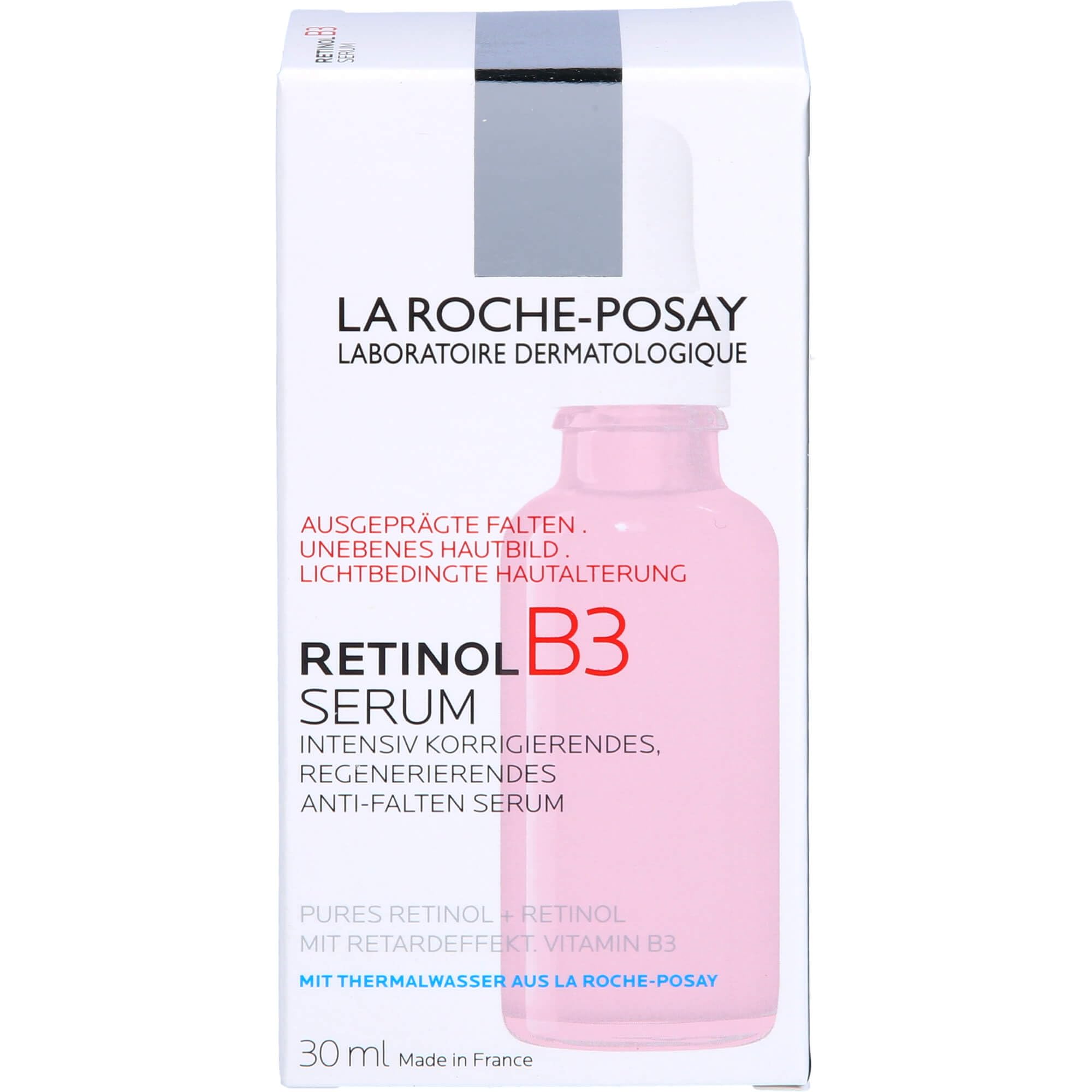
La Roche-Posay Retinol B3 Serum

La Roche-Posay Retinol B3 Serum

Reactive, dry skin

Our Score 9.2/10
Check Price

Worth Noting

  • Noticeable scent that sensitive skin may object to
Size
1 fl oz
Active
Retinol, pure and gradual-release
Key Ingredients
Niacinamide, hyaluronic acid
Non-comedogenic
Yes

La Roche-Posay aims this serum at retinol beginners and sensitive skin, and the design follows: pure retinol blended with a gradual-release form, cushioned with niacinamide and hyaluronic acid, and free of pore-clogging oils. It is non-comedogenic and dermatologist-tested, and the texture is deliberately light, closer to water than to the rich serums that sit on top of the face.

That texture is why it is our pick for reactive skin. It absorbs fast, layers under moisturizer without pilling, and does not leave the film that makes some retinol products unpleasant on oily skin. It is not a guarantee, because a formula marketed for sensitive skin can still sting on a compromised barrier and this one can if you start nightly. Twice a week for a fortnight, then build.

What you are paying for is comfort, not power. Nothing about it suggests faster clearing of active acne than a plain retinol, and it is the most expensive serum on this list. That premium buys a nicer texture and a gentler ramp, which is worth it if past retinols left you red and flaky, and not worth it if you are chasing stubborn breakouts. For that job the adapalene gels do more for less.

Bottom line: The one we suggest for skin that has already rejected a retinol: gradual-release retinol cushioned with niacinamide and hyaluronic acid, in a serum light enough to layer.

4

Good Molecules Gentle Retinol Cream

Good Molecules Gentle Retinol Cream

First-time users

Our Score 9.2/10
Check Price

Worth Noting

  • Mild formula, so slow on stubborn acne
  • Cream texture may be heavy for oily skin
Size
1 fl oz
Active
Retinol
Format
Night cream
Fragrance-free
Yes

Not everyone needs a serum. If your skin is dry, tight or already flaking from an acne treatment, a cream carries the retinol in something that moisturizes at the same time, and that is the case Good Molecules built this for. It is a night cream rather than a liquid, fragrance-free and vegan, sold as suitable for all skin types including sensitive, and it is the least expensive product here. As a first retinoid, that combination is hard to beat.

The gentleness holds up in practice. A few nights a week is enough, a little goes a long way, and the cream base means most people will not need a separate moisturizer on top, which matters when layering is what usually makes skin give up. It is the one we suggest to people whose routine already feels like a lot of work, because it slides into the step they are already doing.

Where it earns its keep is consistency. Nothing about it demands a ritual, just cleanse, cream, bed, and the tube is small enough to keep on the shelf instead of in a drawer. If you have started and abandoned three retinols, that ordinariness is the feature, and it is why this one tends to turn up in routines that actually last.

Bottom line: The low-risk way to find out whether retinoids agree with you: a gentle, fragrance-free retinol cream that costs less than anything else here and asks for three nights a week.

5

La Roche-Posay Effaclar Adapalene Gel

La Roche-Posay Effaclar Adapalene Gel

Longer supply

Our Score 9.2/10
Check Price

Worth Noting

  • Larger upfront spend than Differin
  • Same drying adjustment as Differin
Size
1.6 oz
Type
OTC acne treatment
Active
0.1% adapalene

Two adapalene gels are on this list because the active is identical and the choice comes down to size, cost and commitment. La Roche-Posay's Effaclar carries 0.1% adapalene in a 1.6 oz tube, roughly three times what the Differin tube holds. Lined up side by side, the case for the bigger one only holds once you know adapalene suits you.

The math is less dramatic than the shelf price suggests. You pay more up front for more gel, so per night the two are closer than the tubes look, and there is no formulation argument to make: the drug, the strength and the job are the same. What the extra buys is fewer reorders and a name whose other products are built for sensitive skin.

The experience does not change with the label. Dryness and flaking, a stretch where skin looks worse before it settles, and a real need to build up slowly with moisturizer morning and night. If you are new to adapalene, start with the smaller tube, because there is no reason to commit to a large one before you know whether your barrier will tolerate it.

Bottom line: Same adapalene as Differin in a tube that holds about three times as much, worth the bigger outlay only if you already know the ingredient works for your skin.

6

The Ordinary Granactive Retinoid 2% Emulsion

The Ordinary Granactive Retinoid 2% Emulsion

Very reactive skin

Our Score 9.2/10
Check Price

Worth Noting

  • A texture and tone product, not an acne treatment
Size
1 fl oz
Active
2% granactive retinoid
Format
Emulsion

Granactive retinoid is not retinol. It is hydroxypinacolone retinoate, a different molecule sold on the promise of retinoid results with less irritation, and The Ordinary pairs it with Tasmannia lanceolata extract, an anti-irritant, in a milky emulsion rather than an oil. If the greasy feel of an oil-based retinol has put you off before, the format alone is a reason to look here.

The texture is the part we appreciate most. It spreads thin, absorbs without a film, and sits under a moisturizer without pilling, which matters on acne-prone skin already producing plenty of its own oil. Use it at night, after cleansing and before anything heavier, and do not stack it with another retinoid.

The improvements are gradual and mostly textural, a smoother surface and a more even tone rather than a dramatic clearing, and the anti-irritant is doing exactly the job it was added for. Of everything on this list, this is the one we suggest to someone who has already had a bad reaction to a retinol and still wants the benefits. Gentle is the whole pitch, and it delivers on that.

Bottom line: The gentlest retinoid here and the one to try if retinol has left you red and peeling: a milky emulsion with an anti-irritant, though the results arrive slowly.

7

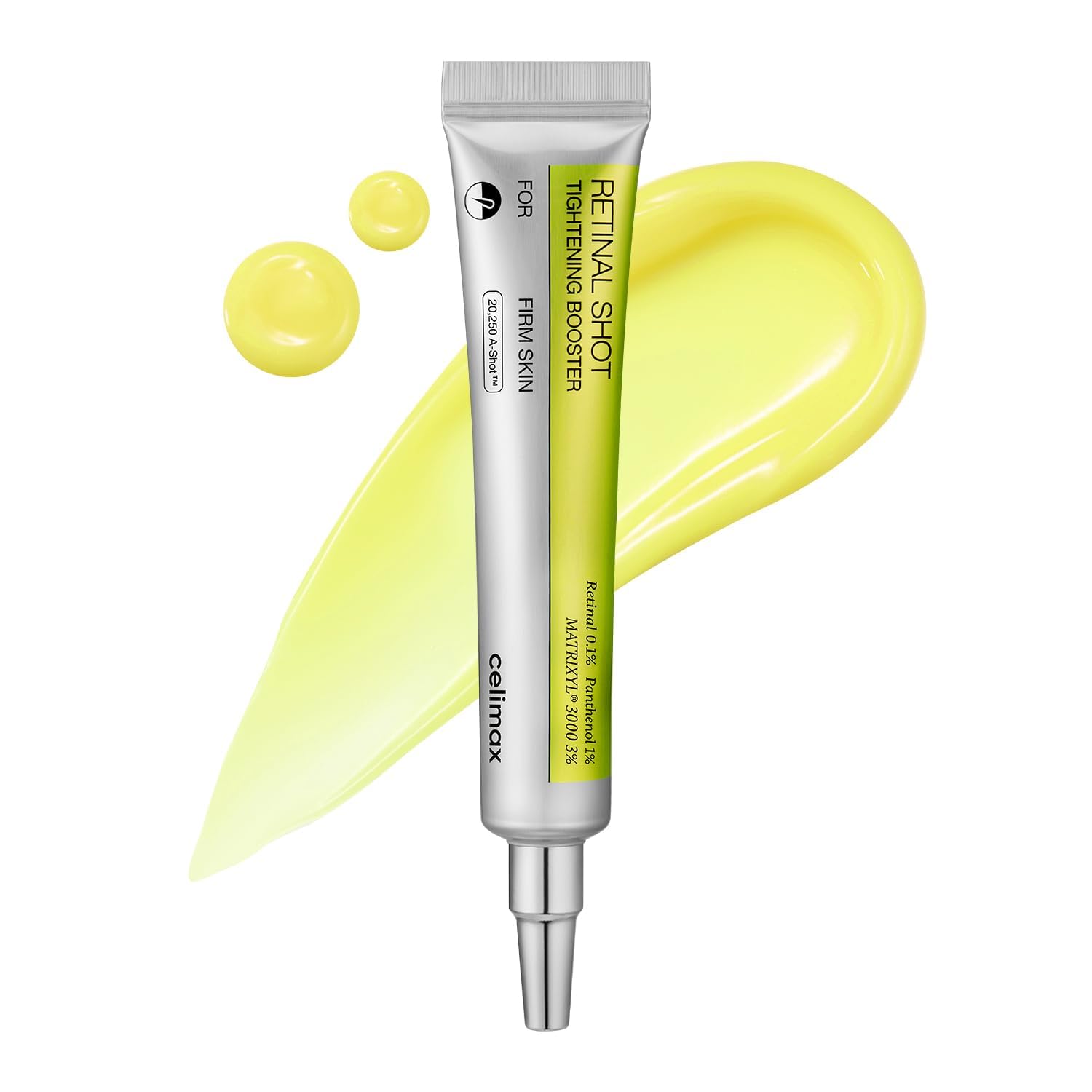
celimax The Vita A Retinal Shot Booster

celimax The Vita A Retinal Shot Booster

Texture and pores

Our Score 8.8/10
Check Price

Worth Noting

  • Small 0.51 fl oz tube that runs out quickly
Size
0.51 fl oz
Active
0.1% retinal
Key Ingredient
Matrixyl 3000

Retinal, or retinaldehyde, sits one conversion step closer to the acid skin actually uses than retinol does, so 0.1% retinal is a different proposition from 0.1% retinol. Celimax pairs it with Matrixyl 3000 and sells the booster on pores, texture and firmness, the standard retinoid wish list, delivered by a stronger starting ingredient.

The tube is the first thing anyone notices. At 0.51 fl oz there is less here than in almost anything else on this list, and a booster used every other night goes quickly. That is the trade: a more potent active in a smaller package.

It also is not the beginner's option. Celimax's own directions say every other night for the first two weeks, a small amount on the areas you are targeting rather than the whole face, and a moisturizer over the top if your skin complains. Irritation is the reason people stop, and retinal gives you less margin for error than a gradual-release retinol does.

Our take: this is the one to move to once a plain retinol has stopped doing anything for your texture. It is the strongest retinol-family product here short of the adapalene gels, and it earns its place on pores and on skin that is starting to look tired rather than on breakouts. Buy it knowing the tube is small and the frequency needs discipline.

Bottom line: A step up in potency from retinol, at 0.1% retinal, in a small tube that will not last long, best once your skin is used to retinoids and texture is the target.

8

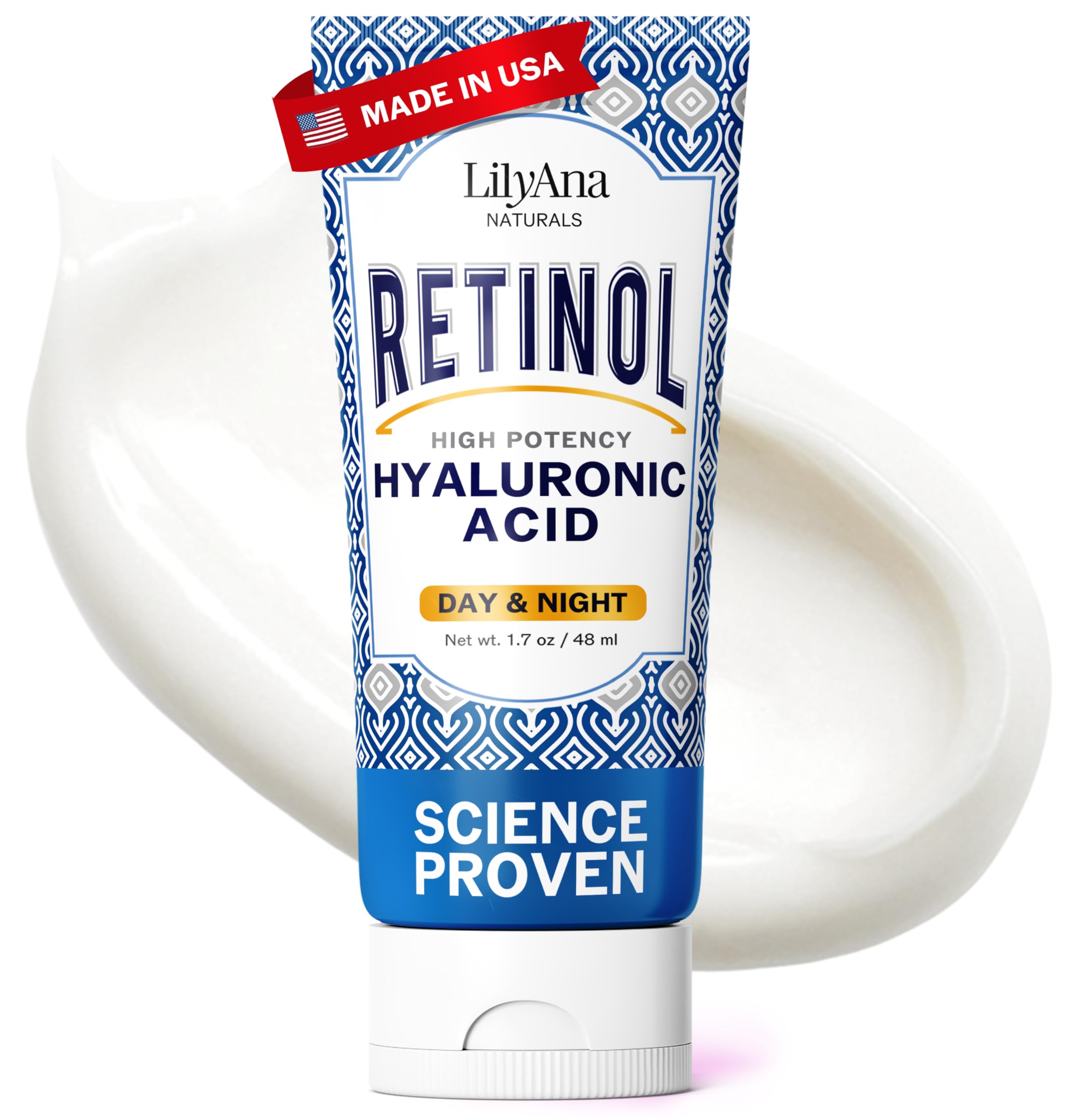
LilyAna Naturals Retinol Face Cream

LilyAna Naturals Retinol Face Cream

Dry, mature skin

Our Score 8.8/10
Check Price

Worth Noting

  • Too rich for oily, clog-prone skin
Active
Retinol
Format
Face and neck cream
Free From
Parabens, artificial fragrance

LilyAna's cream is aimed at faces past the breakout stage: drier, thinner, with lines and marks rather than active inflammation. It pairs retinol with hyaluronic acid and vitamin E in a thick cream you can use on your face and neck, and it is free of parabens and artificial fragrance. That makes it a better fit for skin already flaking from an acne treatment than for skin that is oily.

The texture is the selling point. It is creamy without being greasy, it absorbs well enough that you can go to sleep without a pillow sticking to your face, and it is rich enough that most people can skip a separate night moisturizer. Used on the neck as well as the face, it is the only product here designed to cover that much ground in one step.

Our honest read: this is a good cream with a modest amount of retinol in it, and it behaves accordingly, softening and moisturizing first and resurfacing second. That makes it the one to keep through a dry winter or a course of acne treatment that has left your face tight, and the one to put away in summer if your skin turns oily. Think of it as the retinol step inside a moisturizer rather than a treatment on its own.

Bottom line: The pick if your skin is dry and thinning rather than oily: a rich retinol night cream for face and neck that moisturizes as it works, with no added fragrance.

How We Tested 14 Retinol Formulas on Acne-Prone Skin

To build the shortlist, I started with the active itself — adapalene, encapsulated retinol, and retinal — then read every ingredient list looking for the buffers that make a difference: ceramides, niacinamide, hyaluronic acid, glycerin. Anything heavy on fragrance or light on actual retinoid got cut. From there I narrowed by price per ounce and by packaging, since an opaque tube or pump protects the ingredient better than a clear dropper, and landed on 14 formulas to test over eight months.

Every one went on at night after cleansing, starting three nights a week and building to nightly when skin allowed. I kept notes on the first ten minutes (stinging, tingling, nothing at all), the next morning (tightness, how makeup sat on top), and day four, when flaking tends to show around the nose and mouth. Because dryness is where most people quit, I used one side of my face without moisturizer for a week with each formula to see which could stand alone and which demanded a cream on top. For acne relief, I photographed my jawline weekly and counted active spots instead of trusting memory, then tracked how long inflamed bumps took to flatten and how quickly older marks faded.

Sun sensitivity and barrier damage got their own check: testers flagged any stinging when applying sunscreen or a second product, and I noted formulas that left skin reactive a month in. I also watched color — a serum that yellows in the tube has begun to oxidize, which says something about how the packaging holds up over months. Texture counted more than I expected; I logged which gels disappeared in seconds and which creams still felt like a layer at 10 p.m. Value, in the end, came down to cost per use rather than sticker price.

How to Choose a Retinol for Acne

Pick the Active by the Problem, Not the Percentage

Retinol, retinal, granactive retinoid and adapalene are not interchangeable, and the percentages on the front of the box do not translate between them. Adapalene is the one here sold as an acne treatment, with a clinical claim of up to 87% fewer breakouts after 12 weeks. Retinol and retinal are cosmetic ingredients aimed at texture, tone and marks left behind.

So start with what you are treating. Active, inflamed spots point to adapalene. Flat brown and red marks, rough texture and visible pores after the breakout has gone point to a retinol or retinal. If you are unsure, start with the gentler option, because a retinol you use nightly beats an adapalene you abandon in week two.

Plan for the Adjustment Period

Every retinoid here dries and stings to some degree in the first weeks, and most can make skin look worse before it settles as clogged pores surface. That is a reason to start at twice a week and add a night only when your skin stops complaining, not a reason to switch products.

Apply a pea-sized amount to dry skin at night, follow with moisturizer, and wear broad-spectrum sunscreen the next day, since retinoids leave skin more sun-sensitive. If you are reactive, moisturizer first and retinoid on top dulls the effect a little and the irritation a lot.

Read the Base as Carefully as the Active

A retinol suspended in a heavy, fragranced base can undo the good the active does on blemish-prone skin. Look for non-comedogenic and fragrance-free on the label, and treat a rich oil base as a poor match for a face already producing plenty of its own.

The vehicle also decides how much you will actually use it. Creams suit dry, tight, flaking skin; light serums and emulsions suit oily skin; gels like adapalene are the least moisturizing of all. Match the format to your face and you solve half the irritation problem before you open the bottle.

Work Out What a Bottle Really Costs You

Size matters more than the sticker, and the two do not move together. A pea-sized dose of adapalene means a 15 g tube runs for months; a serum used nightly empties faster than you expect; a 0.51 fl oz booster goes quicker still. Divide by how long the thing actually lasts, not by how the tube looks on the shelf.

Then add the supporting cast: a moisturizer you will use and a sunscreen you will reapply. Those are not optional extras with retinoids. They are the reason the active works instead of wrecking your barrier, and they belong in the budget from day one.

Frequently Asked Questions

Final Verdict

If you want one bottle and a low chance of a bad reaction, CeraVe's Resurfacing Retinol Serum is where we start: encapsulated retinol with niacinamide and ceramides, non-comedogenic, fragrance-free, and easy to build to nightly. It is built for the long stretch of fading marks and rough texture that follows a breakout.

The exception is active, inflamed acne, where adapalene is the better tool. Buy Differin for a first tube and move to the larger Effaclar gel once you know your skin tolerates it. Buy the retinol for what the breakouts leave behind, and the adapalene for the breakouts themselves.