Shoes

Best Neutral Running Shoes for Women of 2026

Miles three through six of an easy run should be the most thoughtless part of your week. Instead, a lot of us spend them noticing things: a heel that slips, a forefoot that feels a size short, an arch that never quite gets the memo. A neutral shoe is supposed to disappear underfoot, and the ones that don't turn a stress-relieving habit into a nagging one. I've run in pairs that felt fine in the store and awful by mile five.

Over the past six months, my team and I logged miles in 12 pairs of neutral trainers, from plush max-cushion models to lighter everyday options. Here's what nobody tells a first-time buyer: running shoes don't break in the way boots do. What you feel when you first lace up is roughly what you get at mile 200, which makes fit and arch support worth more of your attention than almost anything printed on the box. The picks below earned their places on comfort, sizing, durability, and value, and each one suits a slightly different foot.

1

Brooks Ghost 18

Top Pick
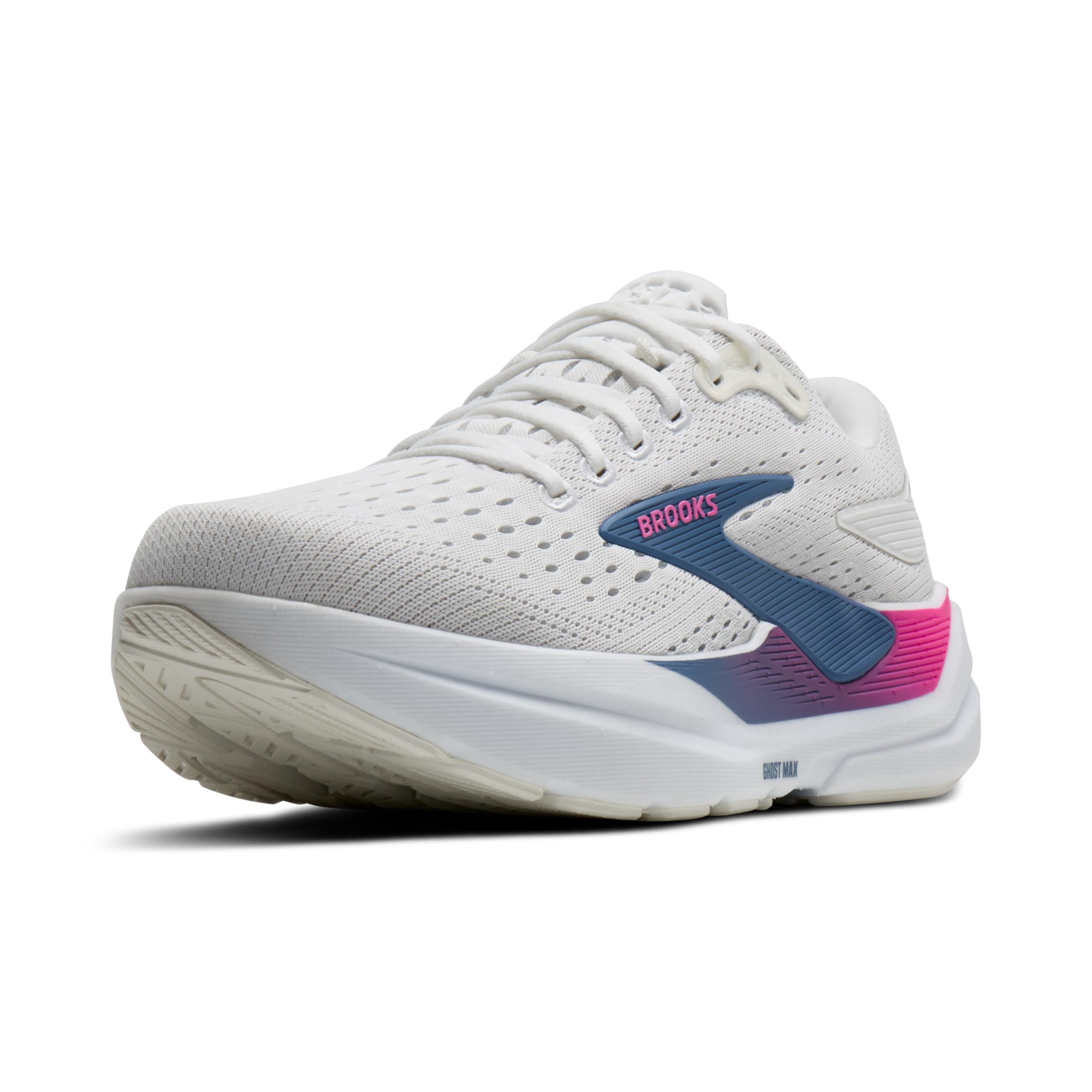
Brooks Ghost 18

Daily road miles

Our Score 8.8/10
Check Price

Worth Noting

  • Priced at the high end of this group
Model
Ghost 18
Terrain
Road
Listed Since
August 2025

Fit is the first thing we check and the last thing we want to think about at mile three, and the Ghost 18 is the one pair in this group that never gave us a reason to second-guess it. The size holds steady from colorway to colorway, which matters more than it sounds: once you know your number in this shoe, you can reorder in whatever color is still in stock and get the same fit. There's room in the toe box for a bunion or a wider forefoot, and the upper doesn't press anywhere it shouldn't.

Underfoot, the cushioning is the balance we keep coming back to for daily miles: soft enough to take the sting out of pavement, firm enough that you're not fighting the shoe for a little pace. It lands in the middle of this group rather than at the plush end — the Bondi 9 and the Ghost Max 3 both go further — and for treadmill runs, easy road loops, and the occasional longer effort, that's exactly where we want it. The ride feels stable without feeling heavy.

What you pay for here is the fit and the consistency, and the price reflects that. This sits at the high end of what we're recommending, and if that's more than you want to spend on a shoe you'll replace within a year, the Ghost Max 3 gives you more cushion for less and the Charged Assert 9 gets you out the door for much less. Neither fits as reliably, and that's the trade you're making.

Bottom line: For most women running roads and treadmills, this is the pair to buy: true sizing, a roomy toe box, and cushioning that stays supportive instead of going soft.

2

Hoka Bondi 9

Hoka Bondi 9

Max cushion comfort

Our Score 9.0/10
Check Price

Worth Noting

  • Midsole softens and can separate with heavy use
Listed Since
June 2025
Package Dimensions
12.36 x 9.84 x 5.28 in
Listed Package Weight
1.87 lb

The Bondi 9 costs more than anything else we're recommending, and what that buys is a shoe that puts more distance between your feet and the ground than anything else here. The stack is deep, the landing is soft, and the rocker rolls you forward instead of letting you sink. If your feet, knees, or back complain after a long day on pavement, that isn't a luxury — it's the whole point.

We reach for it on recovery days and on days when the sidewalk is the only option. The arch support is the most convincing in this set, and this is the shoe women land on when plantar fasciitis is the reason they're shopping at all. It isn't fast and it isn't subtle, but it commits to the one job harder than anything else on this page.

Order the width, not the size. The standard width is genuinely standard, and the roomy toe box this shoe is known for is mostly the wide version doing its job — a regular-width pair won't hand you that room for free. Get the fit right and the shoe fades under you in the way a max-cushion shoe rarely manages.

Bottom line: The plushest shoe in this group, and our pick when sore feet or long days on hard pavement need the most help.

3

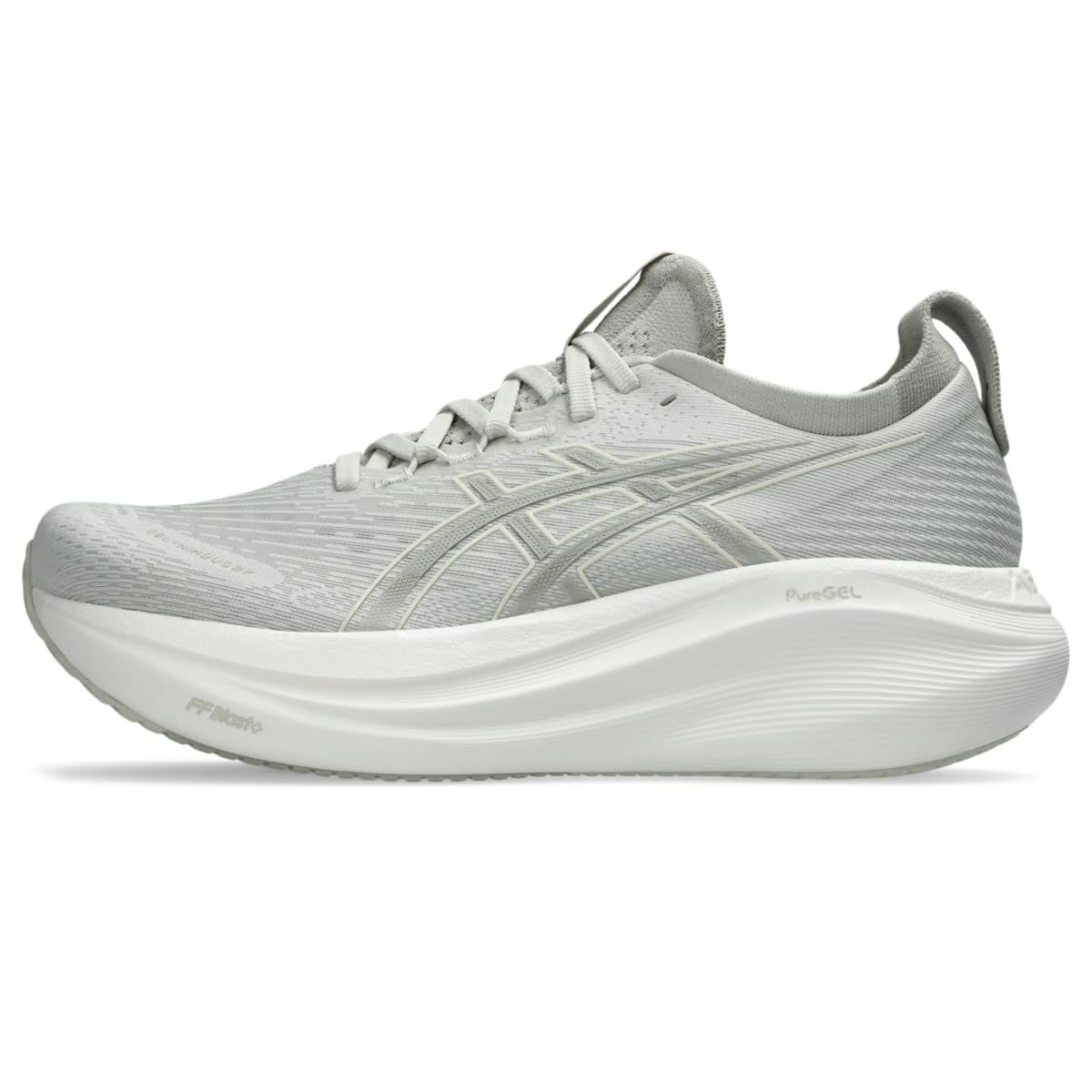
ASICS Gel-Nimbus 27

ASICS Gel-Nimbus 27

Easy long runs

Our Score 8.8/10
Check Price

Worth Noting

  • Cushioning breaks down within months of regular mileage
Model
1012B913.500
Listed Since
May 2024
Listed Package Weight
1.44 lb

Where the Bondi makes a production of its cushioning, the Gel-Nimbus 27 does the same job more quietly. The platform is soft and springy rather than sink-in soft, and the shoe feels lighter than the amount of foam suggests. We like it for easy miles and long days on your feet, and we like that it doesn't turn sluggish the moment you pick up the pace.

The arch support is the other reason it earns a place: it holds the middle of the foot without pressing, and the base is wide enough to feel planted on a treadmill belt. The fit runs roomy rather than snug, so if you're between sizes, take the smaller one. One small thing worth knowing: the tongue label wraps far enough around to touch bare skin, which is invisible in a sock and noticeable without one.

It sits in the middle of the price range here, which for a soft, light neutral trainer is a fair place to be. This is the shoe we point to when someone wants the plush feel of a max-cushion model but doesn't want to carry that much shoe for an hour.

Bottom line: Our pick for easy miles and long days on your feet: soft underfoot, light in the hand, and supportive enough to keep the cushion from feeling vague.

4

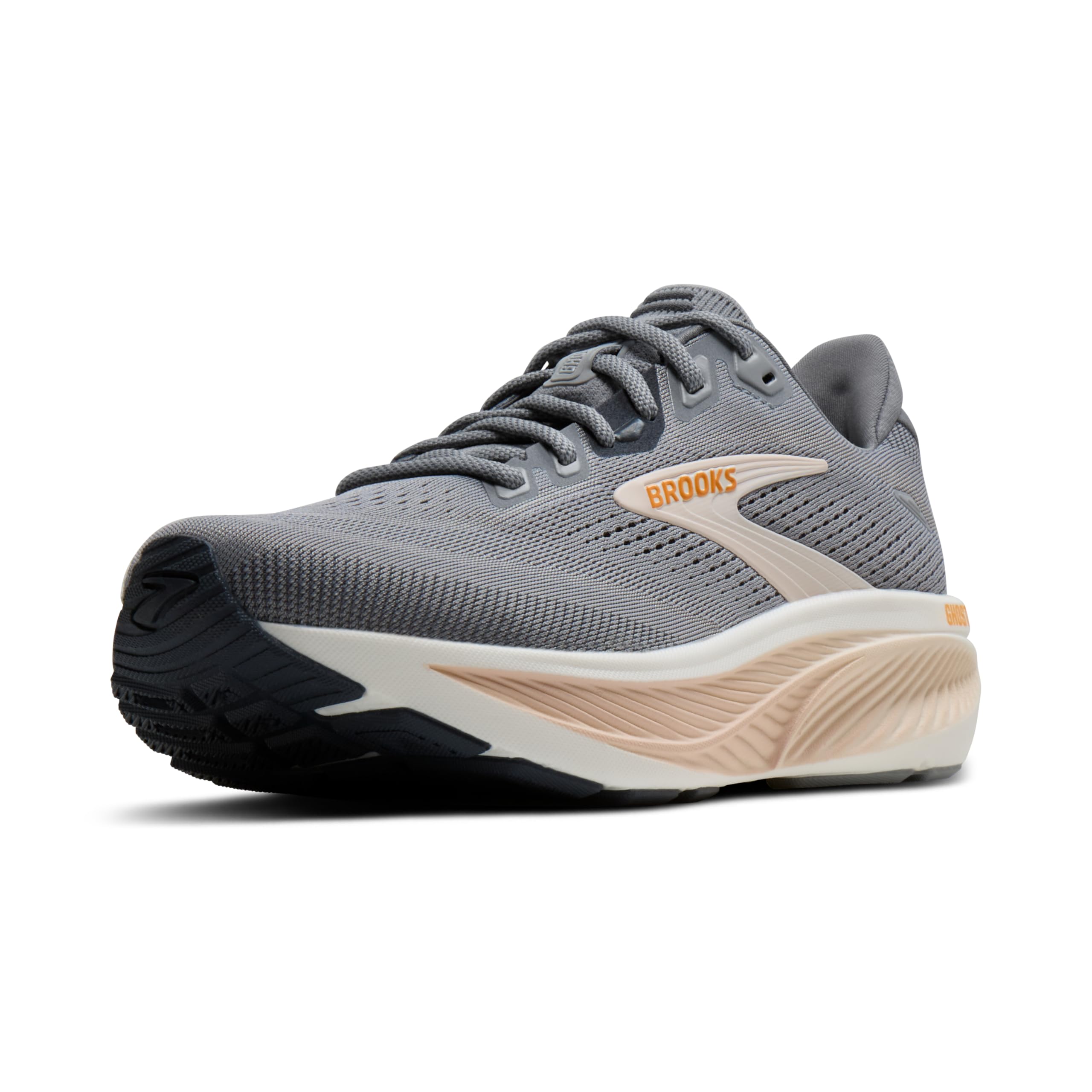
Brooks Ghost Max 3

Brooks Ghost Max 3

Value max cushion

Our Score 8.6/10
Check Price

Worth Noting

  • Toe and outsole show wear early on some pairs
Model
120457
Listed Since
November 2024
Listed Package Weight
1.5 lb

The first thing we noticed about the Ghost Max 3 is the toe box. It's wide enough that a bunion or a splayed forefoot has somewhere to go, and the shoe doesn't look like a medical device because of it. Wide sizes are genuinely stocked here, which not every pick on this page can claim.

The ride is the plushest Brooks in this group — deep and level, soft without the sinking feeling that makes some max-cushion shoes feel like running in sand. Custom orthotics drop straight in without fighting the footbed, which is often the difference between a shoe you wear and a shoe you abandon in the closet. The monochrome colorways help too, and the darker outsole hides scuffs longer than a white one will.

For the money, this is the cushioning bargain of the group: most of what the premium max-cushion shoes give you, plus a roomier fit, for noticeably less. We like it best as a first max-cushion shoe, or as the pair you rotate in on days when your legs feel beaten up. If you want a firmer, more responsive ride and the surest sizing here, that's the Ghost 18 instead.

Bottom line: The cushioned shoe we point wide-footed runners to: real toe room, stocked wide sizes, and a plush ride that costs less than the premium max-cushion picks.

5

Under Armour Charged Assert 9

Under Armour Charged Assert 9

Budget everyday trainer

Our Score 9.0/10
Check Price

Worth Noting

  • Collar sits high enough to rub no-show socks
Model
3023866
Listed Since
April 2020
Listed Package Weight
1.48 lb

A budget running shoe usually asks you to give something up. Here it's mostly a little response underfoot — not comfort, and not room. The Charged Assert 9 is wide through the forefoot with a toe box that leaves your toes alone, and the arch supports without pressing into the middle of your foot.

We keep coming back to it because it does the unglamorous job well: comfortable from the first wear, supportive through a long day on your feet, and roomy enough for a wider forefoot at a price that makes a second pair realistic. It runs small, so go up half a size if you're between sizes — the width comes with you either way.

What it isn't is a soft, bouncy shoe. The platform is firmer and flatter than the Ghost or the Nimbus, and it won't flatter a long effort the way they do. For walk-run intervals, treadmill sessions, and days that mix errands with a few miles, it's plenty — and replacing it when the cushion flattens doesn't sting.

Bottom line: The budget pick we keep recommending: comfortable from the first wear, roomy through the toes, and inexpensive enough that a second pair is realistic.

6

New Balance Fresh Foam Arishi V4

New Balance Fresh Foam Arishi V4

Light short runs

Our Score 8.4/10
Check Price

Worth Noting

  • Thin underfoot with limited arch support
  • Outsole wears quickly on pavement
Model
WARISEK4-001
Listed Since
October 2021
Package Dimensions
12.7 x 7.9 x 4.5 in

The Arishi V4 is the easiest shoe to live with in this group: light on the foot, simple to pull on, and roomy enough that you're not working at it. It's the pair that ends up by the door for a quick treadmill session or a walk after work.

The forefoot is the reason. There's real room across the toes — no pinch, no break-in — and the upper is soft enough that it doesn't fight a wider foot. It's one of the few shoes here you can step into without a shoehorn.

Underfoot is a different story. The ride is thin and fairly plain, and the arch support is the weakest of the picks here: it's barely there under the midfoot, which is fine for twenty easy minutes and not what you want for an hour. If you need a shoe that holds your arch, this isn't it.

So it's a good second pair, a good gym-to-street shoe, and a reasonable first running shoe for someone logging short, gentle miles who wants room and light weight more than cushioning. We like it for exactly that, and we don't like it as the only shoe in a half-marathon block.

Bottom line: A light, roomy shoe we like for short treadmill sessions and everything after, as long as you don't need much underfoot.

7

Under Armour Charged Surge 4

Under Armour Charged Surge 4

Cheapest light trainer

Our Score 8.8/10
Check Price

Worth Noting

  • Upper can wear through at the toes
Model
3027007
Listed Since
March 2023
Listed Package Weight
1.39 lb

Think of the Charged Surge 4 as the Charged Assert 9's lighter, cheaper sibling. It's the least expensive shoe we're recommending, it's noticeably lighter in the hand, and the mesh upper breathes well when you're indoors on a belt with no breeze.

It's a genuinely versatile shoe: comfortable enough for a full day standing, light enough for intervals, and happy on a treadmill or a gym floor. The cushioning is springier than the build suggests, and the heel holds without needing to be cranked down.

Where it asks for patience is sizing. It runs small enough that plenty of women go up half a size, and it's narrower through the middle than the Assert 9. If your foot is wide, the Assert 9 is the safer buy. For everyone else, this is the least expensive way into a shoe that's comfortable from the first mile.

Bottom line: The lightest and least expensive shoe we're recommending, and a smart buy for treadmill miles if you size up half a step.

How We Tested 12 Pairs of Neutral Running Shoes

We started by narrowing the field to true neutral trainers — no stability posts, no motion-control geometry — then filtered for the things shoppers ask us about most: sizes running from 5 up to 12, wide widths where a brand offers them, and cushioning that holds its shape past the 300-mile mark. We also wanted a spread that included budget-friendly everyday pairs alongside premium max-cushion models, so the list wouldn't only serve one kind of runner. That left 12 pairs, and each went home with a tester for six months.

Those months looked like a real training block rather than a lab bench: weekday 5Ks on sidewalk and concrete, weekend long runs on crushed gravel, treadmill intervals when the weather turned, and plenty of non-running wear — school pickups, grocery runs, a couple of airport days. We weighed every pair on a kitchen scale before the first run and again at 50 miles to see how much midsole foam had packed down. Each tester also did one run in thin socks and one in thick, since heel slip and hot spots often only appear once you change sock volume.

Sizing got its own pass, because these brands run differently from one another. We compared every pair against the tester's usual size and noted where a half size up was needed and where the toe box already ran roomy. Arch support and comfort were judged by feel, not spec sheets — whether the footbed pressed into the arch after a full day at a desk, whether the heel collar held without biting. For appearance, we asked if a pair looked good enough to wear beyond a run, and for value and durability, we checked the outsole tread at the end of six months to see what was left.

How to Choose Neutral Running Shoes for Women

Match the Cushion to the Run, Not the Price

More foam is a trade, not an upgrade. A deep, soft platform like the Bondi 9 or the Ghost Max 3 spares your feet and joints on long days and hard pavement, but it gives less back when you want to push. A standard daily trainer like the Ghost 18 or the Gel-Nimbus 27 handles both jobs acceptably.

If most of your runs are half an hour at an easy pace, a normal daily trainer is the sensible default. If you're on your feet all day, or your feet ache afterward, go plush — that's the one upgrade worth paying for.

Fit Comes Down to Details You Can't See in a Photo

Sizing isn't consistent between models, even within one brand: the Gel-Nimbus 27 runs roomy, the Charged Assert 9 runs small, and both are women's neutral road shoes. Measure your foot late in the day, when it's at its largest, and use that number rather than the size you wear in another brand.

Then check the toe box and the width. If the shoe pinches at the widest part of your forefoot, order the wide instead of sizing up — going longer to get wider throws off the heel. On the Bondi 9, the standard width is genuinely standard; the roomy reputation belongs to the wide.

How Long a Running Shoe Actually Lasts

Most running shoes are built for roughly 300 to 500 miles. The midsole usually goes before the outsole looks worn, which is why a shoe can look fine and still feel flat — the foam compresses and stops returning energy long before the tread wears through.

Track your weekly mileage so the replacement isn't a surprise, and rotate two pairs if you run most days; foam recovers between runs. Cushion-heavy shoes are often the first to feel different underfoot, so keep an eye on the plush picks.

Neutral vs. Stability: Start in the Right Category

Neutral shoes have no medial post or guide rail — they let your foot move the way it wants. If you've been fitted for a stability shoe, or you've had repeat injuries on one side, none of the shoes here are that, and buying one anyway won't fix it.

For most women with no injury history and no professional recommendation, neutral is the correct category. A neutral shoe that fits well beats a stability shoe that doesn't, every time.

Weight, Breathability, and Treadmill Miles

Lighter shoes feel quicker and are easier to turn over; heavier, cushioned shoes are kinder over distance. Neither is better — pick based on whether your runs are short and brisk or long and easy.

On a treadmill the upper matters more than it does outdoors, because there's no breeze to move air through the mesh. A road outsole is fine on a belt, but knock the grit out of the tread after outdoor runs; embedded gravel scuffs the belt.

Frequently Asked Questions

Final Verdict

Most women should start with the Brooks Ghost 18. It fits true, leaves room in the toe box, and cushions enough for daily miles without feeling vague or unstable — the pair we hand to a friend who just wants to run and not think about shoes.

If you want the softest landing and the most relief for sore feet, the Hoka Bondi 9 delivers it, provided you order the wide and accept that the cushion won't last forever. On a tight budget, the Under Armour Charged Assert 9 offers more room and comfort than anything else at its price.