Skincare

Best Brightening Serums of 2026

Brightening serums promise the same thing — a more even tone, a little more glow — but the label rarely tells you how you'll get there. Vitamin C, niacinamide, tranexamic acid, and peptides each work differently, and a formula that gives one person a visible glow can leave another blotchy and stinging by day four. What a good one actually fixes is the dullness you catch in the bathroom mirror at 7 a.m., and the dark spots that outlast the breakout that caused them.

I've bought a serum off a before-and-after photo and quit it inside a week, so I'm fussy now. Over three months, my team and I worked 14 of them into real routines — some mornings under sunscreen, some nights after cleansing — and the ones we finished were the ones that felt good going on, not the ones with the loudest claims. Brightening is slow: give a formula four to six weeks before you judge it, and patch-test the strong stuff along your jawline first. What follows earned a permanent spot on the shelf.

1

TruSkin Vitamin C Serum

Top Pick
TruSkin Vitamin C Serum

Overall brightening

Our Score 8.8/10
Check Price

Worth Noting

  • Can sting reactive skin at first
Size
2 fl oz
Finish
Dries down completely
Key Actives
Vitamin C (SAP), hyaluronic acid, vitamin E

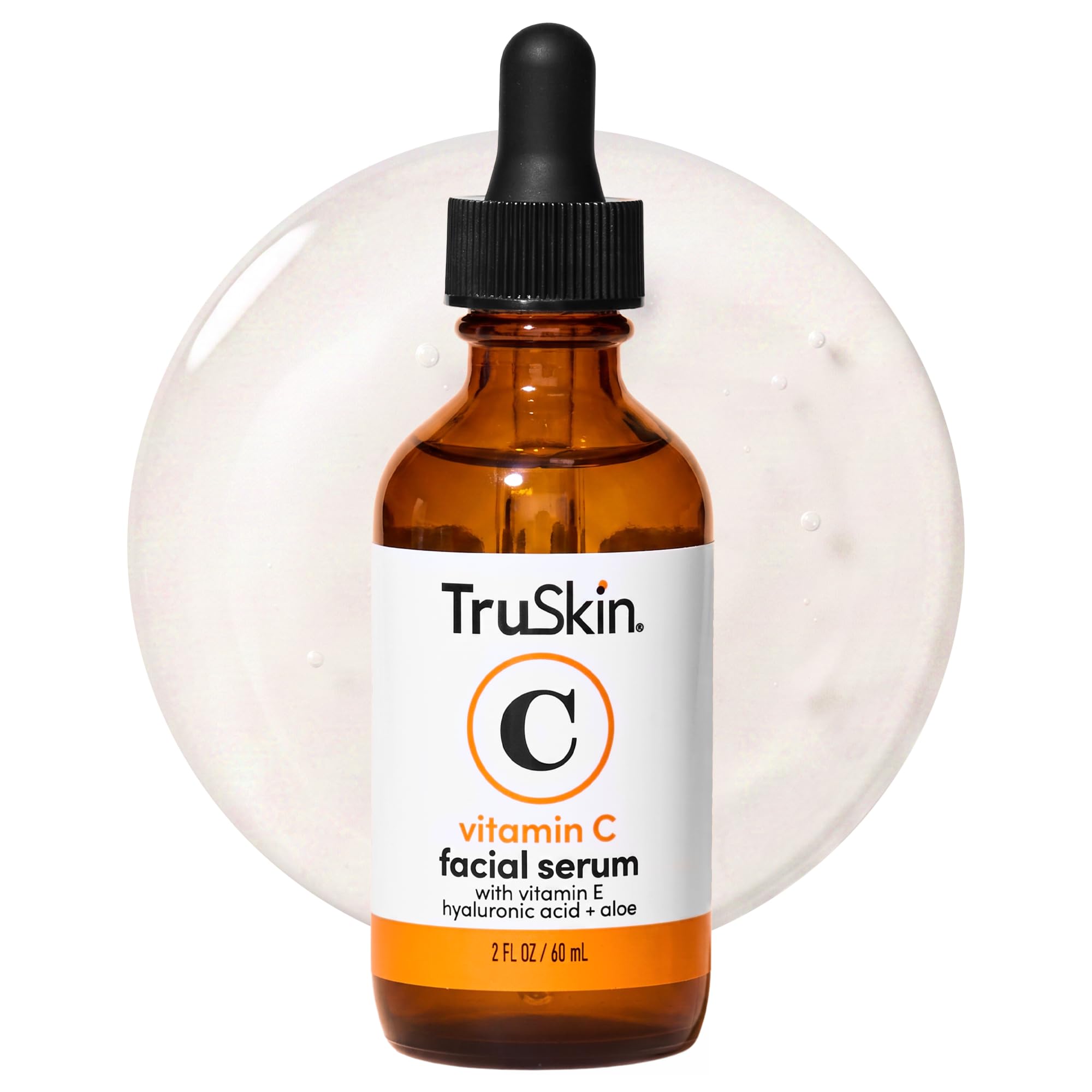
Two fluid ounces is the first thing we noticed, roughly double a standard serum bottle, and the vitamin C inside is sodium ascorbyl phosphate, a stable derivative rather than pure L-ascorbic acid. Together those two facts are why it is our top pick: a formula that will not oxidize its way into uselessness halfway down the bottle, in a size that lets you use it properly on your face, neck, and hands.

In daily morning use it dries down completely. Two pumps cover the face and neck, and it settles in under a minute, so sunscreen and makeup go on without the slip-and-wait routine that makes people skip vitamin C on busy mornings. Aloe and jojoba keep it comfortable over dry patches, and vitamin E adds antioxidant backup.

What it changes in the mirror is gradual. Tone looks more even and less grey after several weeks of steady use, and the effect reads as brightness rather than shine. If your complaint is one specific dark spot rather than overall dullness, a pigment-focused serum will do more for you; for the general glow problem, this is the bottle we tell people to start with, and the one we keep coming back to.

Bottom line: A stable, gentle vitamin C in a generous bottle: the one we tell most people to start with, and the easiest to use every single morning.

2

medicube PDRN Pink Peptide Serum

medicube PDRN Pink Peptide Serum

Glow and firmness

Our Score 9.2/10
Check Price

Worth Noting

  • Can congest acne-prone skin
Size
1.06 oz
Skin Types
All skin types
Key Actives
Salmon DNA PDRN, niacinamide, peptides, adenosine

Salmon DNA is the headline ingredient, and it is not the reason to buy this. PDRN is a nice story; the niacinamide, peptides, and adenosine alongside it are what you can actually see working. The formula itself is a light pink serum that behaves closer to a hydrating essence than to a treatment.

Glow is where it earns its place. If your skin reads tired rather than pigmented, dull across the cheeks and flat in photographs, this is the bottle in this group that goes after that, leaving a plumper, more reflective finish. The peptide and adenosine end of the formula is aimed at that firmer, bouncier feel, and it delivers more of it than the price suggests.

Texture is the catch. A full dropper leaves a tacky film if you follow straight on with moisturizer; half a dropper pressed in and given a minute dries much cleaner, which is the version we settled on. Used that way it is one of the more interesting formulas here, especially if a K-beauty ingredient list is what brought you to this page.

Bottom line: Buy it for the lit-from-within finish rather than for dark spots, and start with half a dropper to keep the tack down.

3

Anua Niacinamide 10 + TXA 4 Serum

Anua Niacinamide 10 + TXA 4 Serum

Dark spots

Our Score 9.0/10
Check Price

Worth Noting

  • Can break out very reactive skin
Size
1.01 fl oz
Fragrance
Fragrance-free
Key Actives
10% niacinamide, 4% tranexamic acid, 2% arbutin

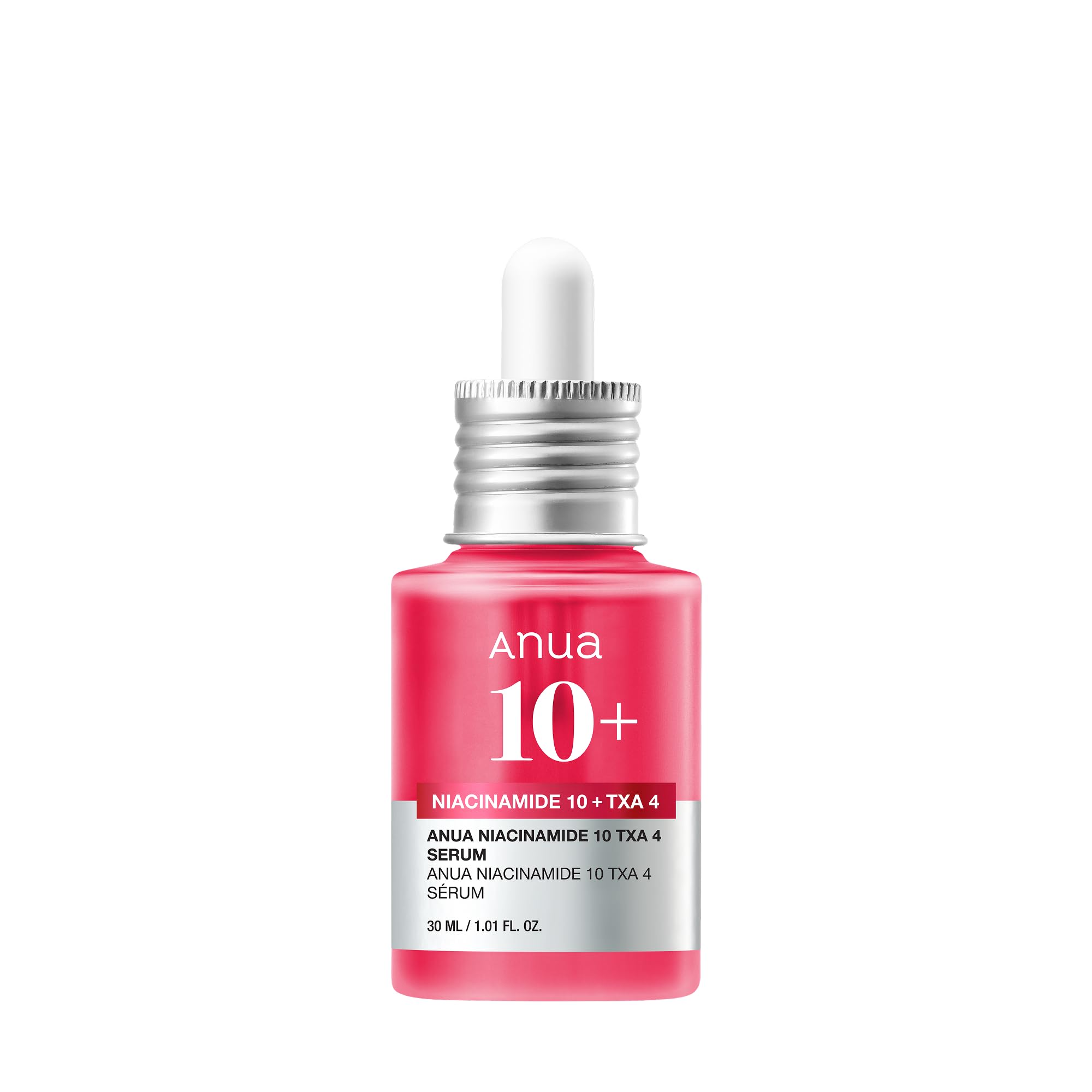
If your complaint is a specific patch, melasma across the cheekbones or a line of post-acne marks, a general brightening serum is the wrong tool, and this is the bottle here that is actually aimed at pigment. Ten percent niacinamide, four percent tranexamic acid, and two percent arbutin is a focused trio rather than a glow-up in a dropper.

It is the most targeted formula in this group, and the one to try when a spot has sat through a whole bottle of vitamin C without moving. Tone reads more even rather than simply shinier; the change is in the pigment, not in the surface shine.

Ceramides and hyaluronic acid keep it from feeling stripping, and it is fragrance-free, which matters when your barrier is already unhappy. The finish is the compromise: it dries to a slight tack, so we used it at night and kept the lighter serums for mornings under makeup. Give it a month of nights before you judge it, because pigment moves more slowly than glow.

Bottom line: The pick for a specific dark patch rather than all-over dullness, as long as you can live with a tacky finish at night.

4

CeraVe Skin Brightening Serum

CeraVe Skin Brightening Serum

Sensitive skin

Our Score 9.0/10
Check Price

Worth Noting

  • The formula can smell faintly metallic
Size
1 oz
Texture
Gel, non-greasy
Fragrance
Fragrance-free
Key Actives
10% L-ascorbic acid, hyaluronic acid, 3 ceramides

It comes out of the tube as a gel rather than a watery serum, which is the first thing that separates it from the rest of this group. What is underneath matters more: ten percent pure L-ascorbic acid, the most potent form of vitamin C, alongside hyaluronic acid and the three ceramides the brand builds its barrier story on.

Pure L-ascorbic acid is also the fussiest form. It oxidizes with light and air, which is why so many vitamin C serums turn orange before they are finished. CeraVe puts it in an opaque tube, and that packaging is doing real work. The gel absorbs without grease and layers under moisturizer without a fight.

For skin that flares at fragrance, this is the one we point to: nothing added, non-comedogenic, and cushioned enough that it does not feel like an active. The trade is speed. Brightness arrives more slowly and more modestly than with the vitamin C serums above, so if you want the fastest visible change, this is the patient choice rather than the quick one.

Bottom line: For reactive or fragrance-sensitive skin, this is the vitamin C we trust: pure L-ascorbic acid in a ceramide base that never feels like a treatment.

5

Mad Hippie Vitamin C Serum

Mad Hippie Vitamin C Serum

Reactive skin

Our Score 9.2/10
Check Price

Worth Noting

  • Can cause rashes on very reactive skin
Size
1.02 fl oz
Formulation
Vegan, no added fragrance
Key Actives
Vitamin C (SAP), ferulic acid, vitamin E

The claim worth repeating is the clinical one: in the brand's testing, none of the participants experienced irritation, and an eight-week study found 94 percent with smoother, brighter skin. Those are the brand's numbers rather than ours, but they match the formula: a stable vitamin C with ferulic acid and vitamin E, no added fragrance or dyes, and a texture closer to a light lotion than a watery serum.

That lotion-like body is the practical difference. It takes a minute to settle, and in return skin feels moisturized rather than tightened, so we did not need a separate hydrating layer underneath in the morning.

The antioxidant trio of vitamins C and E with ferulic acid is the other reason it is here. This is a formula built for years of daily wear rather than a short course, and it is vegan, cruelty-free, and free of parabens, phthalates, and synthetic fragrance if that is how you shop.

So this is our pick for anyone whose history with vitamin C is a story about stinging. It is not the fastest brightener in the group; the trade is comfort over speed, and for a lot of people that is the trade worth making.

Bottom line: Our pick when brightening usually means stinging: the gentlest formula here that still shows up in the mirror.

6

SKIN1004 Tone Balancing Ampoule

SKIN1004 Tone Balancing Ampoule

Value seekers

Our Score 9.2/10
Check Price

Worth Noting

  • Brightening arrives gradually, not dramatically
Size
3.38 fl oz / 100 ml
Texture
Lightweight ampoule with capsules
Key Actives
Niacinamide, tranexamic acid, centella asiatica

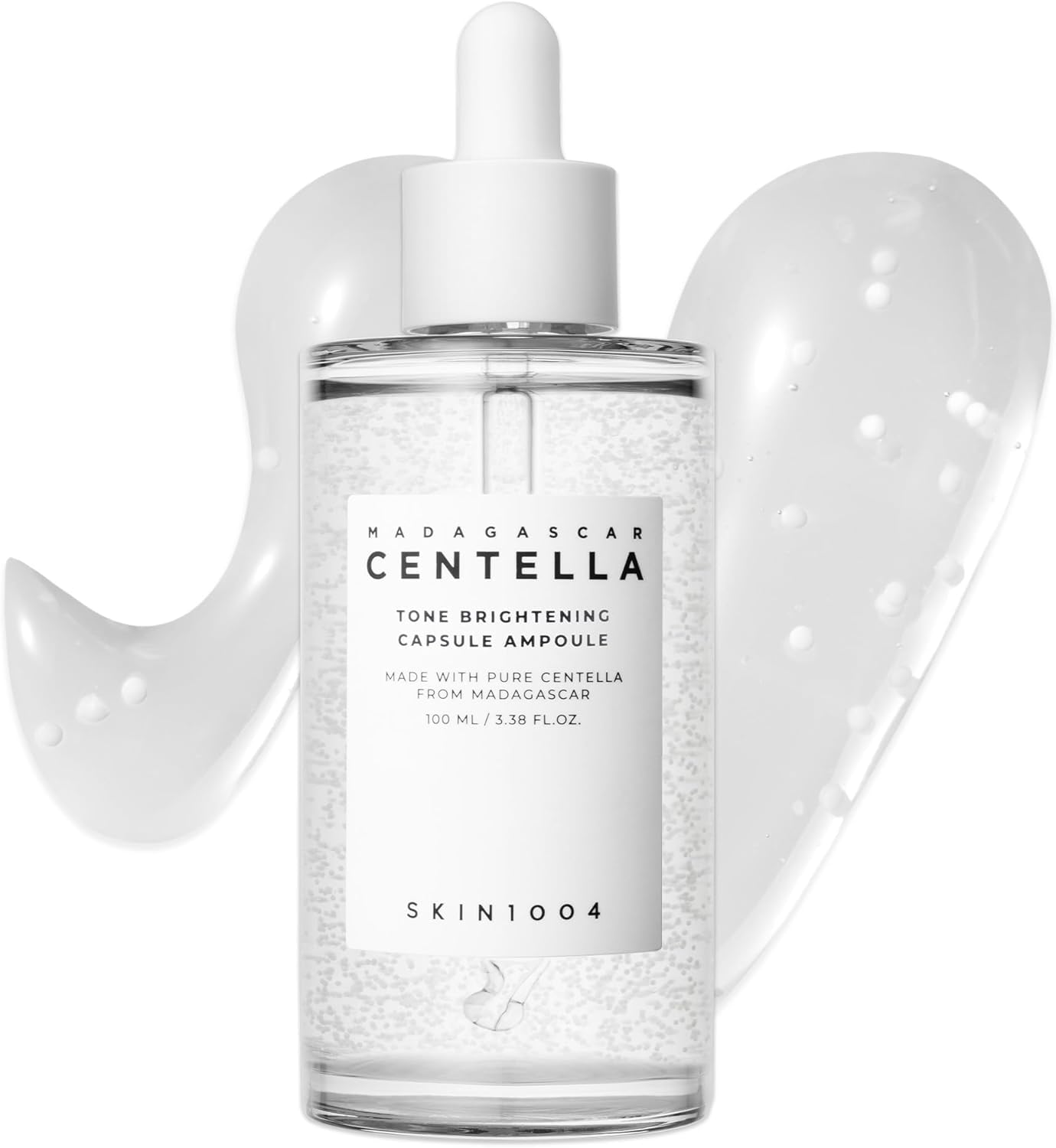
The finish is the first thing you will notice, and it is not the selling point: this ampoule goes on with a light tack that lingers for a few minutes before it dries down. Behind that is 100 milliliters of niacinamide, tranexamic acid, and centella, in a bottle sized for someone who uses serum on more than their face.

Centella is the reason it is gentler than those actives suggest. The capsules dissolve as you press it in, the texture is watery rather than creamy, and skin feels calmed and hydrated rather than treated. If vitamin C has left your barrier irritated, this is a sensible place to reset.

Value is where it wins. The bottle is more than three times the size of the one-ounce options here, and we used it on our neck and the backs of our hands without rationing. As an everyday bottle to keep by the sink, nothing else in this group comes close on cost per use.

Bottom line: The best value here: a 100-milliliter bottle of niacinamide, tranexamic acid, and centella that we used everywhere without rationing.

7

Tree of Life Vitamin C Serum

Tree of Life Vitamin C Serum

Tight budgets

Our Score 8.8/10
Check Price

Worth Noting

  • Jojoba and witch hazel can overwhelm oily skin
Size
1 fl oz
Texture
Silky botanical base
Key Actives
Vitamin C, hyaluronic acid, aloe, jojoba

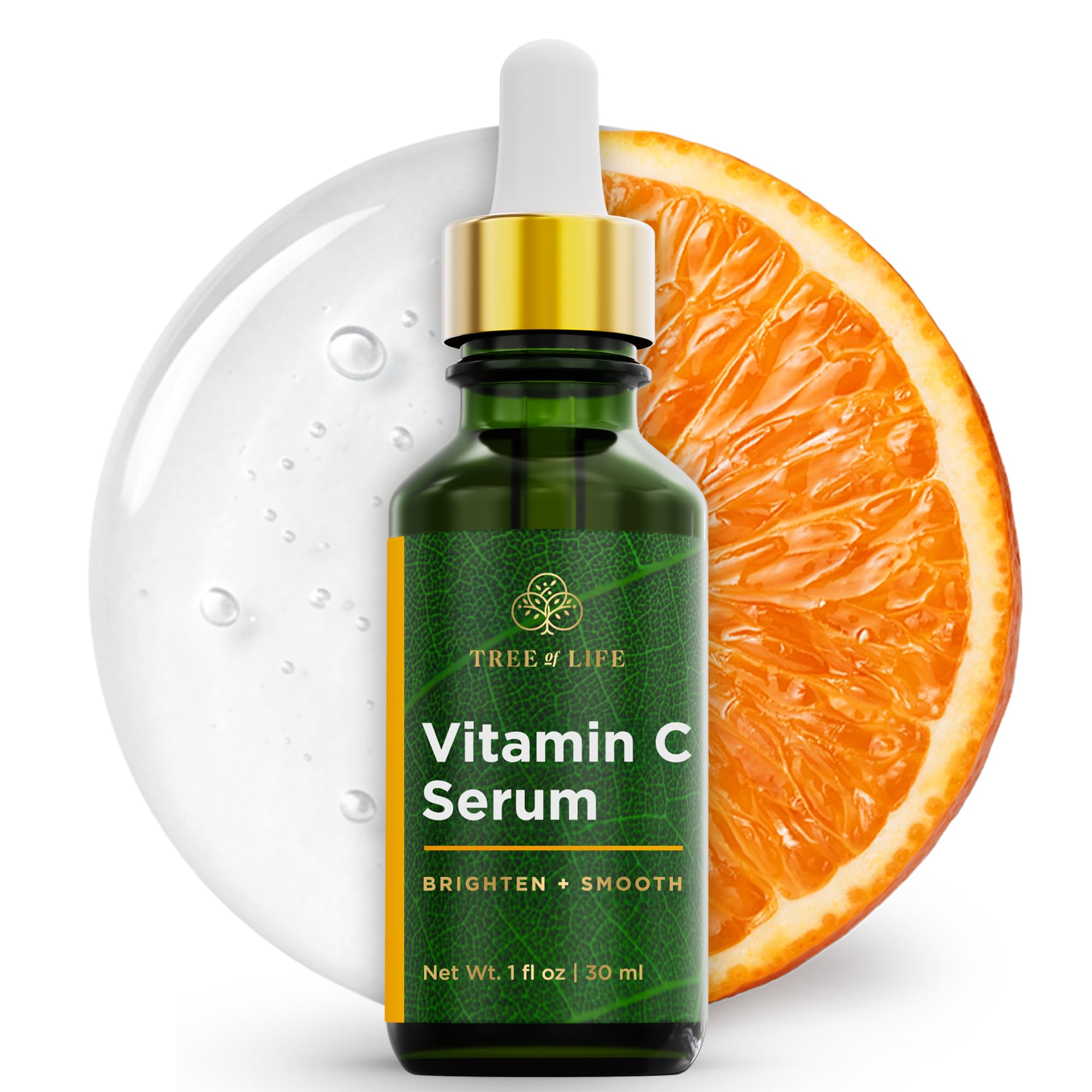
The bottle says serum, the listing calls it a face oil, and the ingredient list splits the difference: vitamin C and hyaluronic acid alongside aloe, jojoba, and witch hazel. That botanical base is what makes it feel unlike the thin vitamin C serums here: silkier, with more cushion on dry skin.

It is the mildest-feeling of the vitamin C options. The scent is faint, application does not sting, and it is the bottle we suggest to someone trying vitamin C for the first time or coming back after a reaction.

Brightening here is slow and cumulative rather than dramatic. Tone looks more even after a month or two of twice-daily use, and the hydration is as much of the effect as the vitamin C. If you want a fast, visible change, this is not the one.

At the lowest price in this group, that is a fair trade. It is also the one to buy as a second bottle for your neck, chest, and hands, where a serum you love is too expensive to use freely.

Bottom line: The cheapest way into a daily vitamin C habit, and the gentlest, with results that take a month or two to show.

8

La Roche-Posay 12% Vitamin C Serum

La Roche-Posay 12% Vitamin C Serum

Texture and clarity

Our Score 9.0/10
Check Price

Worth Noting

  • Can leave a yellow-orange cast
Size
1.06 oz
Key Actives
Vitamin C, hyaluronic acid, salicylic acid
Concentration
12% vitamin C

This is the most expensive bottle here, and it is worth being straight about what that buys: a silky, fast-absorbing serum with pure vitamin C, hyaluronic acid, and salicylic acid, from a brand most dermatologists know by name. What it does not reliably deliver is the most consistent brightening.

Where it does deliver is feel. This is the richest of the vitamin C serums in this group, and we found it goes on like silk, absorbs quickly, and leaves skin looking fresh rather than tight. The salicylic acid is a genuine bonus if texture and clogged pores bother you as much as tone does; it is the only formula here doing both jobs.

The reservation is that visible brightening is the least consistent in this group. Skin looks glossier and more comfortable, but a change in tone is harder to count on than with the cheaper vitamin C serums above. If you want one serum that exfoliates and brightens and you like a rich texture, it earns its place. If brightening is the whole point, spend less.

Bottom line: A silky formula we recommend for texture and clarity first, brightening second, because the salicylic acid is what sets it apart here.

How We Tested the Brightening Serums

We started with ingredient lists rather than front-of-bottle claims: which form of vitamin C, whether the niacinamide was dosed meaningfully, whether tranexamic acid appeared at all, and whether the packaging actually protected the formula from light and air. Anything that hid its actives inside a proprietary blend, or worked out to more per ounce than our testers would realistically repurchase, didn't make the cut. That left 14 serums, which we put into rotation for three months.

Each one lived in someone's real routine instead of on a lab bench — applied after cleansing and before moisturizer in the morning, worn under sunscreen through a workday and a commute, and sometimes layered with retinol at night to see how the actives behaved together. We counted how many drops it took to cover a face and neck, noted whether it sank in or sat tacky, and checked an hour later whether skin felt greasy and whether foundation or SPF pilled on top. Everyone patch-tested new bottles along the jawline and inner forearm first, logging stinging, redness, or breakouts over the opening two weeks.

Sensitive-skinned testers rated fragrance on its own, since a scent you enjoy at 7 a.m. can turn into a sting by midweek, and we asked each person whether they actually looked forward to reaching for the bottle. Photos taken in the same bathroom light every week let us compare tone and dark spots at the four- and eight-week marks; most formulas looked like nothing at two weeks and something real by six. We also watched whether the texture held from the first drop to the last and tracked how far each bottle went, which is the only honest way to talk about what a serum costs to keep using.

How to Choose a Brightening Serum

Pick the Active by the Problem

Vitamin C is the default for dullness: an antioxidant that helps tone look more even over weeks rather than minutes, and the base of most of the formulas here. The form matters more than the number on the front. Pure L-ascorbic acid, at 10 percent in CeraVe's serum, is the most potent and the fussiest, oxidizing with light and air. SAP, the form in TruSkin and Mad Hippie, is stable and gentler and simply works more slowly.

If the complaint is pigment rather than dullness, niacinamide with tranexamic acid is the more direct route, which is what Anua's 10 + 4 formula is built around. Arbutin, also in that bottle, is another pigment-focused ingredient worth looking for on a label.

Match the Strength to Your Skin's Patience

Ten percent niacinamide and 10 percent L-ascorbic acid are both real concentrations, and both can sting skin that has not met them before. Start every other night, patch test on the jaw rather than the cheek, and do not introduce a new serum in the same week as a new exfoliant.

If your skin runs reactive, a stable derivative with a barrier ingredient behind it, such as the ceramides in CeraVe or the centella in SKIN1004, is a better first step than the highest percentage on the shelf. The label word gentle tells you nothing on its own; the form of the active and what sits beside it tell you everything.

Let the Finish Decide When You Wear It

A brightening serum only works if it goes on daily, and the most common reason one gets abandoned is texture. Formulas that dry to a tack, as Anua's and SKIN1004's both do, are fine at night and miserable under foundation at seven in the morning. If you wear makeup, look for something that dries down completely, like TruSkin's, and keep the tackier formulas for your evening routine.

A serum that fights your sunscreen, pills under it, or leaves a film you can feel is a serum you stop reaching for by week three. Test any new bottle on a workday morning before you commit to it as your daytime step.

Buy the Bottle You Will Finish

Vitamin C is the ingredient most likely to be wasted. It degrades with light and air, so a pump or an opaque tube protects the formula in a way a clear dropper often does not, which is why CeraVe's gel lives in a tube.

Volume matters just as much. TruSkin's two-ounce bottle and SKIN1004's 100-milliliter ampoule cost more upfront and far less per use, which pays off if you plan to treat your neck and hands too. Skip the oversized bottle if it will sit half-full on the shelf for a year.

Frequently Asked Questions

Final Verdict

Start almost everyone with TruSkin's vitamin C. It is stable, comfortable, generous enough to use properly on your neck as well as your face, and it layers under sunscreen without a fight, which is most of what makes a brightening serum work in the first place.

Change the pick only when the problem changes. A specific dark patch calls for Anua's niacinamide and tranexamic acid; skin that stings at everything calls for Mad Hippie. La Roche-Posay is the weakest brightener here, silky texture notwithstanding.