Skincare

Best Anti-Aging Serums of 2026

Every anti-aging serum promises the same thing: retinoids, vitamin C, hyaluronic acid, or peptides that smooth texture, soften fine lines, and even out tone over time. The catch is that the active is only half the story. A formula can be beautifully dosed and still sting on contact, smell like a department-store candle, ball up under your sunscreen, or leave your face tight by mid-afternoon. I've been layering serums long enough to know that the bottle you finish is rarely the strongest one — it's the one your skin will put up with, which matters when it costs more per ounce than your moisturizer.

The hard part is patience. Hydration shows up overnight, but real improvement in dark spots and fine lines takes four to six weeks, so plenty of people quit a good serum before it has done anything. My team and I spent ten weeks with 14 formulas, using them morning and night, under makeup and under moisturizer, on oily skin and on skin that flares at the first hint of retinol. What follows is what survived — the ones we'd hand to a friend who wants results without a red, peeling week.

1

CeraVe Resurfacing Retinol Serum

Top Pick
CeraVe Resurfacing Retinol Serum

Post-acne texture

Our Score 9.2/10
Check Price

Worth Noting

  • Too light to replace a moisturizer on dry skin
Size
1 oz
Fragrance
Fragrance-free
Key Active
Encapsulated retinol
Supporting Ingredients
Niacinamide, ceramides

A genuine retinol at a drugstore price is why this one tops our list, but the formula is what keeps it there. The retinol is encapsulated, so it releases gradually instead of landing all at once, and CeraVe buffers it with niacinamide, licorice root and three ceramides rather than leaving you to build the soothing layer yourself. It's fragrance-free and non-comedogenic, which matters more than it sounds when you're putting an active on every night.

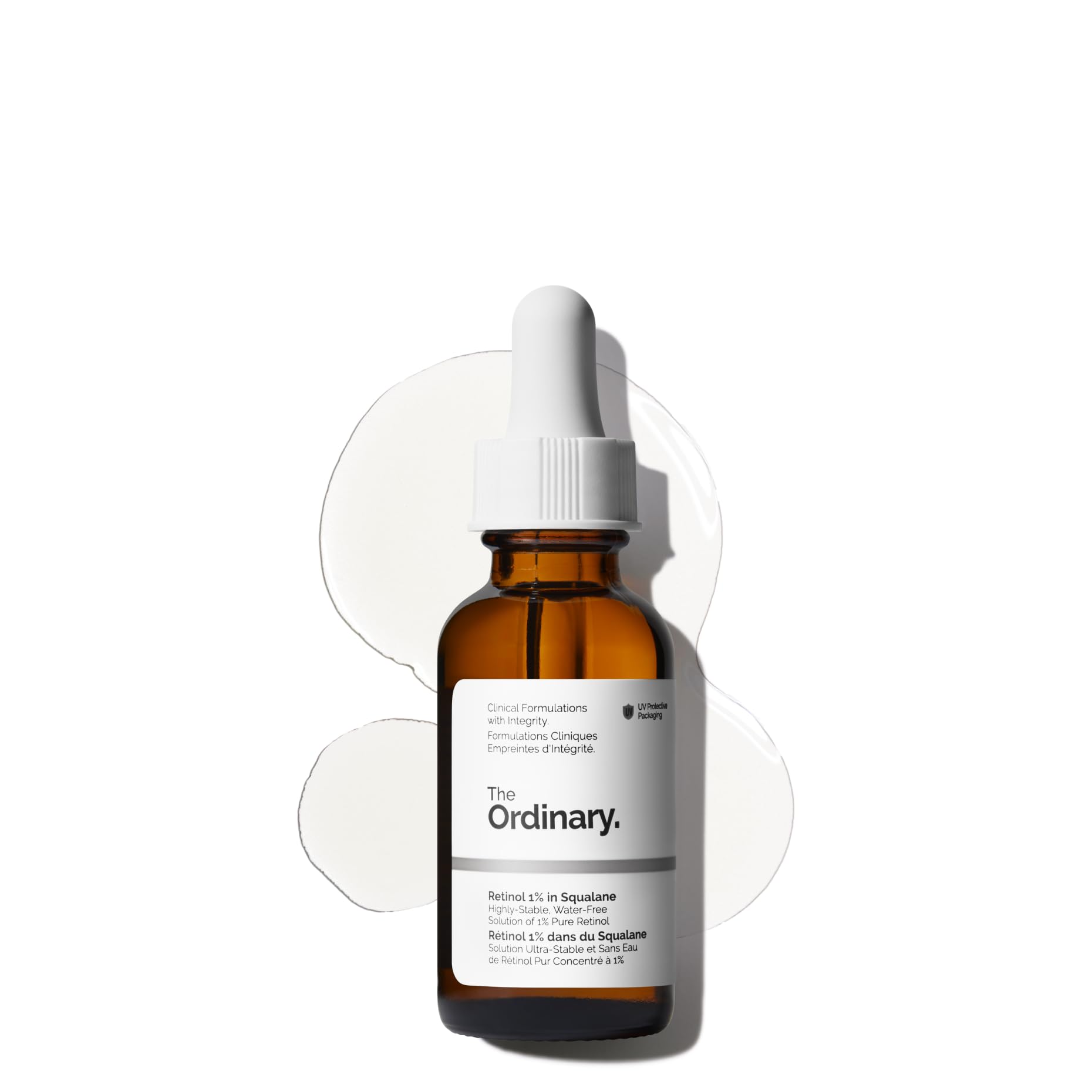
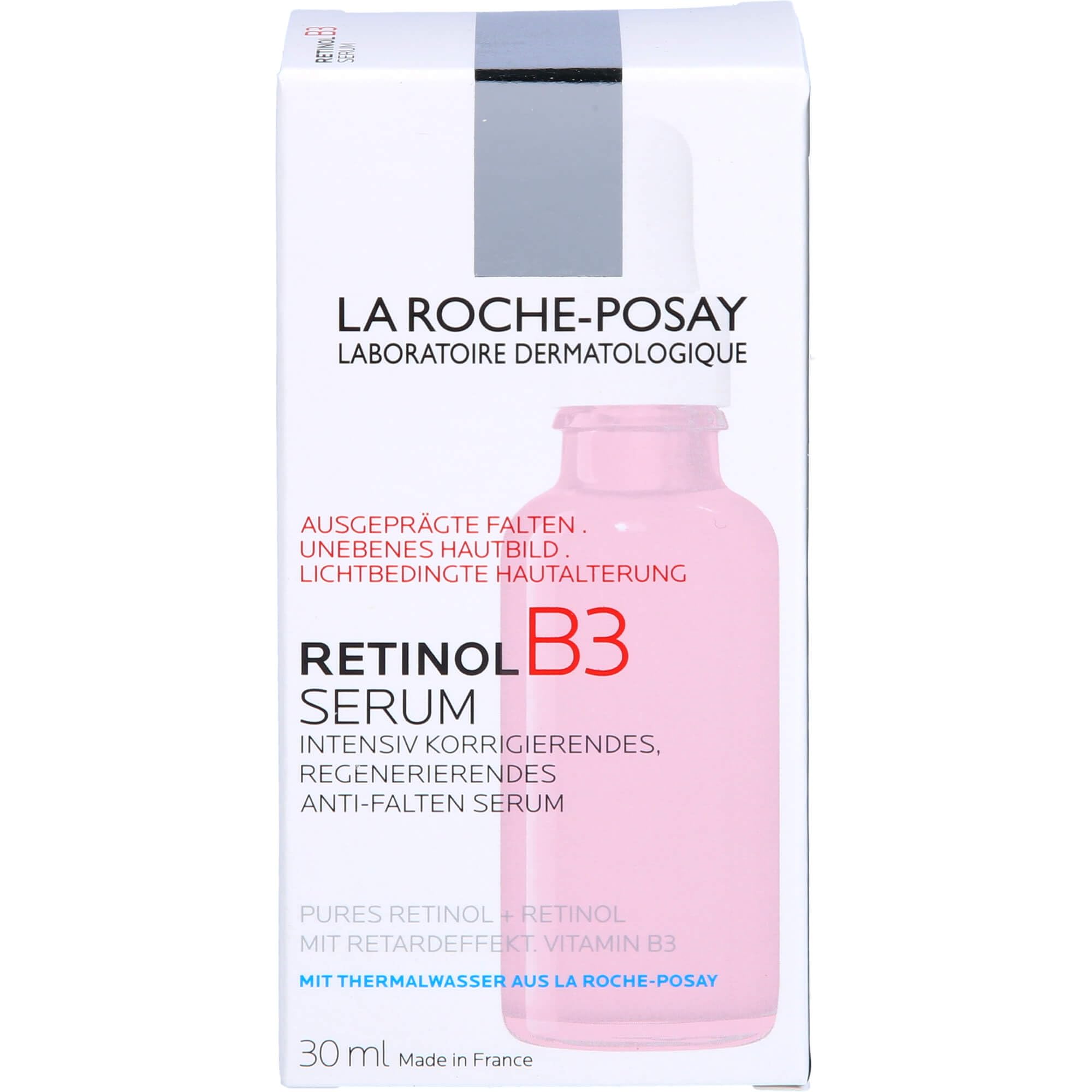
What separates it from the stronger retinols here is pacing. The Ordinary's 1% in squalane and La Roche-Posay's Retinol B3 both ask more of your skin — one in strength, the other in money — and neither is what we hand someone who has never used a retinoid. Encapsulated retinol lets you start at two or three nights a week and build, which is the difference between a bottle you finish and one that gets abandoned after a bad week.

Give it a month before you judge the texture work, and put a moisturizer over it: the formula is light and absorbs fast, but it isn't hydrating enough on its own for dry skin. Where it impressed us most is on the smaller stuff — the evenness of tone and the flat red marks old breakouts leave behind, which is exactly what a retinol is good at and a hyaluronic serum is not.

Bottom line: This is the one we hand to most people: a genuine encapsulated retinol at a drugstore price, buffered with niacinamide and ceramides so it's far easier to live with than the strength suggests.

2

The Ordinary Hyaluronic Acid 2% + B5

The Ordinary Hyaluronic Acid 2% + B5

Layering under actives

Our Score 9.4/10
Check Price

Worth Noting

  • Tacky while drying, and flakes if over-applied
Targets
Fine dry lines
Key Actives
Hyaluronic acid 2%, vitamin B5
Barrier Ingredient
Ceramides
Hyaluronic Acid Types
5

For a minute or two after you apply it, this feels like more than it is: thick, a little gooey, tacky against the palm. That finish is the one thing about it we mind, and it's easy to manage — two or three drops on damp skin rather than a full dropper on dry skin, and most of the stickiness goes. Overdo it and you'll be waiting for it to dry, and you may find flakes at your jawline by afternoon.

Underneath is an unusually complete formula for the money: five weights of hyaluronic acid, pro-vitamin B5, and ceramides to help hold the water where you put it. We reach for it straight after cleansing and before almost anything else, and it's the bottle we suggest to anyone starting a retinol, because hydration is what makes those first weeks bearable.

Be clear about the job. It plumps fine, dry lines and makes skin look rested; it won't resurface or soften a set-in wrinkle, and no hyaluronic serum will. Pair it with one of the retinols here instead of choosing between them — the combination does more than either alone, which is why this stays in the rotation even when something more expensive is on the shelf.

Bottom line: Nothing here is cheaper or easier to layer, and we restock it without thinking — it plumps dry skin and makes a retinol week survivable.

3

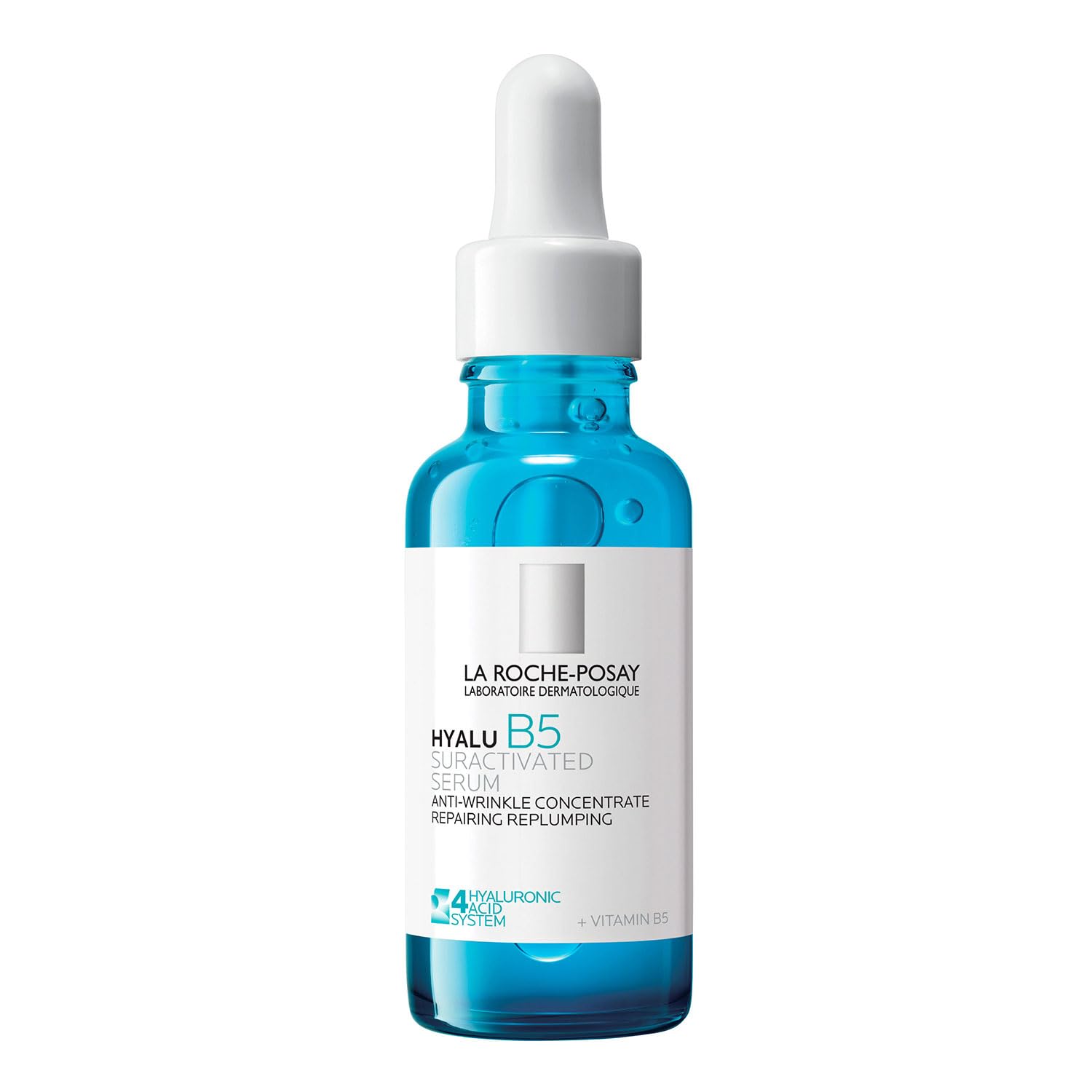
La Roche-Posay Hyalu B5 Serum

La Roche-Posay Hyalu B5 Serum

Dry, dehydrated skin

Our Score 9.2/10
Check Price

Worth Noting

  • Noticeable fragrance on a sensitive-skin formula
  • Premium price for a hydrating serum
Fragrance
Scented
Skin Types
All, including sensitive
Key Actives
Hyaluronic acid, vitamin B5
Also Contains
Glycerin

Two things justify the jump in price over The Ordinary's hyaluronic serum: the texture and the tolerance. This goes on like a light lotion rather than a gel, spreads further than you expect, and leaves skin cushioned rather than wet. In a centrally heated January, that's the difference between a serum you tolerate and one you look forward to.

The formula pairs pure hyaluronic acid with glycerin and vitamin B5, and it's allergy-tested for all skin types including sensitive ones. We're careful with the word sensitive here, because the fragrance is the loudest thing about the product — pleasant if you like scented skincare, and the most likely reason it stings if you don't. Patch test on the jaw before committing to a bottle.

Where it earns its place is dehydrated skin that needs plumping rather than resurfacing. Layered under a retinol at night, it's our favorite pairing in this roundup, and it takes the edge off the tightness that follows a strong active. If your skin is oily and rarely feels tight, the budget option does the same job and you won't miss this one.

Bottom line: Our choice when skin is dry, tight and easily rattled: the most comfortable hydrating serum here, as long as you can live with a noticeable fragrance.

4

The Ordinary Retinol 1% in Squalane

The Ordinary Retinol 1% in Squalane

Experienced retinol users

Our Score 9.2/10
Check Price

Worth Noting

  • Oily finish that absorbs slowly
  • Must be refrigerated once opened
Use
Evening
Base
Squalane
Storage
Refrigerate after opening
Key Active
Retinol 1%

If you have never used a retinoid, this isn't where to start. One percent retinol is a serious concentration, and The Ordinary says plainly that it's for people who have already built a tolerance to lower strengths. The label also calls for daily sunscreen, no other retinoid products in the same routine, and refrigeration after opening — all worth taking literally.

What makes that strength usable is the base. Squalane, a skin-identical oil, carries the retinol and offsets the dryness it usually brings, so dry and mature skin often tolerates this where a gel formula would leave it flaking. The trade-off is the finish: it's oily, it takes its time sinking in, and you don't want your face on a pillow until it has.

We treat it as a twice-or-three-times-a-week serum rather than a nightly one, which is also how a bottle lasts long enough to be worth the money. Judge it after two months, not two weeks, and don't layer it with an acid on the same night. The people who dislike it are usually the people who started with it.

Bottom line: Skip this if you have never used a retinoid. If you have, it's the cheapest way here to step up to a serious strength, and the squalane makes 1% gentler than the number suggests.

5

La Roche-Posay Retinol B3 Serum

La Roche-Posay Retinol B3 Serum

Reactive, sensitive skin

Our Score 9.2/10
Check Price

Worth Noting

  • Premium price for a one-ounce bottle
Size
1 oz
Texture
Lightweight, fast-absorbing
Key Actives
Retinol, niacinamide, hyaluronic acid
Retinol Form
Pure and gradual-release

Set beside the CeraVe serum we recommend as the default, this is the softer landing. La Roche-Posay uses pure retinol alongside a gradual-release form, so the dose arrives in stages rather than all at once, and pairs it with niacinamide and hyaluronic acid — one to calm and brighten, the other to hold water in while skin adjusts.

The result is a formula we're comfortable handing to a first-time retinol user with sensitive skin, which isn't something we say about most retinols. It's lightweight, absorbs fast, and doesn't leave the oily film The Ordinary's squalane version does, so it can go under a morning moisturizer if your skin tolerates daytime use. The change shows up on forehead lines and general evenness rather than in one dramatic moment.

The fragrance is the thing to weigh before you buy. It's stronger than a sensitive-skin serum has any right to be, and if scent sets your face off it will undo the gentleness you came for — patch test first, and treat a sting as your answer. Nothing else here combines this level of tolerance with this light a finish, and for reactive skin that's the trade worth making.

Bottom line: If your skin has reacted to retinol before, start here — pure and gradual-release retinol softened with niacinamide and hyaluronic acid, in the lightest texture of the retinols here.

6

medicube PDRN Pink Peptide Serum

medicube PDRN Pink Peptide Serum

Glow and radiance

Our Score 9.2/10
Check Price

Worth Noting

  • Can cause breakouts on congested skin
  • Sticky on some skin types
Texture
Lightweight pink serum
Skin Types
All skin types
Key Actives
Salmon DNA PDRN, peptides
Also Contains
Niacinamide, adenosine

Salmon DNA is the headline and the reason this serum gets talked about; PDRN, a fragment derived from it, is having a moment in Korean skincare. The work in the bottle is done by less exotic things: niacinamide for tone, peptides and adenosine for the look of firmness, in a light base that leaves skin looking polished within a few uses.

The finish is the selling point. It's a thin, pink-tinged fluid that spreads over damp skin and dries to a soft sheen rather than a shine, which is why it layers under makeup so well. We've had the best results with it in the morning and the retinols at night; the glow is the kind of thing you notice in a photograph before you notice it in the mirror.

Two caveats worth knowing. Congested and acne-prone skin doesn't always get along with it — bumps and closed comedones appearing in the first fortnight are the signal to stop rather than push through. And the texture divides skin: weightless on some, tacky for an hour on others. Dry and normal skin chasing radiance will meet neither problem.

Bottom line: We point you here when you want the lit-from-within look more than resurfacing: peptides and niacinamide in a light pink serum that makes skin look polished within days.

7

Olay Regenerist Micro-Sculpting Serum

Olay Regenerist Micro-Sculpting Serum

A low-effort routine

Our Score 9.4/10
Check Price

Worth Noting

  • Subtle results compared with a retinol
  • Scent despite the fragrance-free label
Use
Morning or evening
Size
1.7 oz
Finish
Silky, non-greasy
Key Actives
Amino-peptide complex, niacinamide

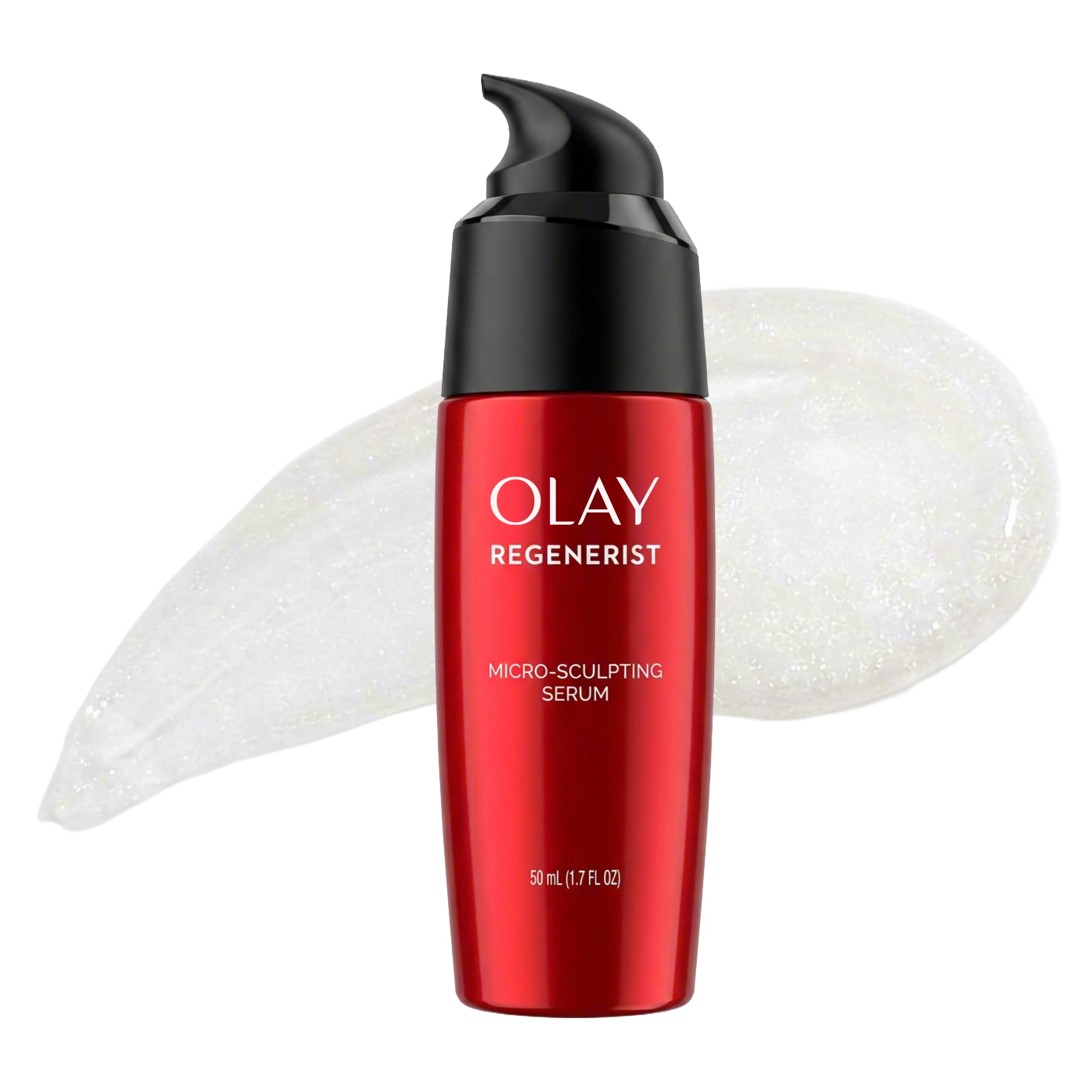
Silk is the word that keeps coming back with this one, and it's accurate. The serum has the slip of a primer and absorbs almost instantly, which is why it works so well under makeup in the morning — no film, no tack, no waiting around before the next layer.

The actives are peptides — Olay's amino-peptide complex — plus niacinamide, formulated to hydrate and improve the look of firmness and volume. The brand's claim is visible wrinkle improvement within two weeks alongside a faster renewal rate; what we can say is that skin feels smoother and more comfortable from the first use, and the visible change is subtle and cumulative rather than dramatic.

It is not a resurfacer, and it isn't trying to be. If fine lines and rough texture are your main complaint, one of the retinols here will do more in a month than this does in three. Where it wins is maintenance and low effort: cleanse, this, sunscreen, out the door.

As a bottle to keep on the shelf for mornings when you have ninety seconds, it earns its place, and it's the one here we never have to think about. Buy it for the texture and the routine, not for a transformation.

Bottom line: The easiest serum here to use every morning: peptides and niacinamide in a silky formula that behaves like a light moisturizer and never fights with makeup.

8

Florence Vitamin C Serum

Florence Vitamin C Serum

Brightening dark spots

Our Score 8.8/10
Check Price

Worth Noting

  • Brightening results vary a lot
  • Noticeable citrus scent
Size
2 fl oz
Targets
Dark spots, uneven tone
Texture
Quick-absorbing gel
Key Actives
Vitamin C, hyaluronic acid, vitamin E

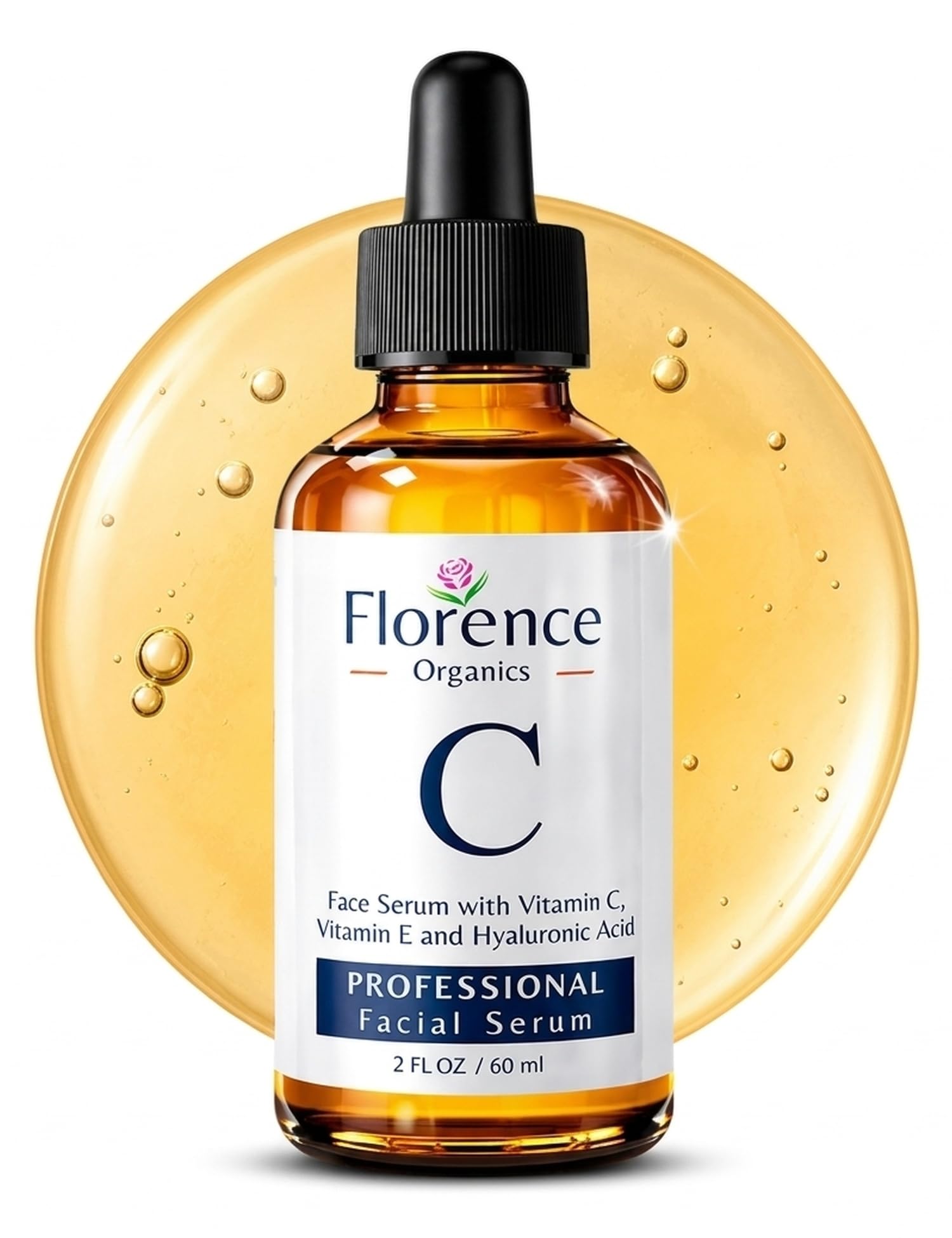
Not every anti-aging serum is chasing wrinkles. This one chases tone: vitamin C for brightness, hyaluronic acid for plumpness, vitamin E alongside, aimed at the dark spots, sun damage and general dullness that make a face read older than its lines do. If your complaint in the mirror is tired rather than creased, this is the right shelf.

The formula is thicker than most here, closer to a gel than water, and it spreads further than the texture suggests — two or three drops covers face and neck. It absorbs quickly, doesn't leave the greasy film that puts people off vitamin C, and carries a light orange scent we find pleasant and a reactive nose might not.

Set expectations around consistency. Brightening is the least predictable result in this roundup: some skin looks clearer in a couple of weeks and some sees nothing in two months. Vitamin C also loses potency once a bottle is open, so a large bottle rewards daily use rather than hoarding — photograph your face at the start so you're judging against something real.

We keep it in the list because nothing else here does brightening on this scale, and because tone is the complaint plenty of people actually have. If lines are your concern, spend the money on a retinol instead.

Bottom line: Dullness and dark spots, not creases, are what this one is for — a vitamin C serum in a big bottle that lasts, though the brightening results are uneven.

How We Chose and Tested the Best Anti-Aging Serums

We started with ingredient panels rather than marketing copy, narrowing a field of roughly 60 candidates down to 14 based on active concentration, whether the hero ingredient came paired with barrier support like ceramides, niacinamide, or squalane, whether the formula was fragrance-free, and what it cost per ounce. Each one then went into a ten-week rotation with testers across dry, oily, combination, and reactive skin.

Serums got used where serums actually get used: at the bathroom sink at 7 a.m. with one eye open, and again at night after cleansing. We timed how long each took to stop feeling tacky, pressed a tissue to a cheek a minute after application to see what lifted off, and layered sunscreen or foundation over the top to check for pilling. Fragranced formulas were logged for what they smelled like and whether the scent lingered, and testers counted how many pumps a full face needed, which told us how long a bottle would realistically last.

Testers with sensitive skin patch-tested on the jawline for three nights before going full-face, and everyone logged stinging, tightness, flaking, and breakouts on a simple scale instead of trusting memory. We took moisture readings at baseline, 30 minutes in, and again at the end of the day to separate serums that genuinely hydrate from ones that just feel wet going on, and weekly photos in the same window light let us compare cheek texture, fine lines around the eyes, and dark spots side by side. The pattern that held across all ten weeks: the formulas people finished were the ones they could use nightly without needing a rest day.

How to Choose an Anti-Aging Serum

Decide Which Active Does the Work

Serum describes a texture, not a job. Retinol and its faster-acting relative retinal are the resurfacing actives — they speed up cell turnover and have the real track record on fine lines and rough texture, which is why a serious routine tends to keep one at night. Hyaluronic acid does the opposite: it holds water in the surface layers and plumps fine, dry lines, and it can run morning and night. Peptides and vitamin C sit in between, peptides for the look of firmness and vitamin C for tone and dark spots.

Pick one resurfacing active and one hydrating one rather than five bottles all claiming everything. The CeraVe retinol and The Ordinary hyaluronic serum together still come in under most single premium serums, and they cover both jobs properly.

Match the Strength to Your Skin's History

This is where most people go wrong, and usually by starting too strong. If you have never used a retinoid, choose an encapsulated or gradual-release formula — the CeraVe and La Roche-Posay Retinol B3 both qualify — and use it two or three nights a week for a fortnight before adding another night. If you have reacted before, the gradual-release route is worth the extra spend.

The trap is assuming more frequent use gets you there faster. It doesn't. It gets you a red, flaky week and a bottle you quietly stop using, which is the only real failure mode in this category.

Texture Decides Whether You Finish the Bottle

Two serums built on similar actives can behave completely differently under a moisturizer or a foundation. The Ordinary's hyaluronic serum is thick and tacky for a minute; the La Roche-Posay is lotion-like and disappears; the squalane retinol is oily and wants a pillow, not a commute. None of that is a defect, but it decides whether the bottle gets used.

If you wear makeup most days, choose something that dries down enough to layer. If you only apply at night, a richer base is a comfort rather than a complication.

Look Past Fragrance-Free on the Label

Fragrance is the most reliable predictor of whether a serum will irritate reactive skin, and the front of the box doesn't always settle it. The CeraVe retinol smells of nothing; the Olay serum is labeled fragrance-free and still carries a scent you'll notice; the La Roche-Posay Hyalu B5 is openly scented and doesn't pretend otherwise.

If your skin stings easily, patch test anything new on the jaw for three nights before going full-face — that goes double for a scented formula marketed at sensitive skin.

Frequently Asked Questions

Final Verdict

If you want one bottle and no more decisions, buy the CeraVe Resurfacing Retinol Serum. It is the only pick here that pairs a genuine anti-aging active with a formula gentle enough to start on, and it does it at a price that makes nightly use easy to justify.

If your skin has reacted to retinol before, or you're simply nervous about starting, the La Roche-Posay Retinol B3 is the softer way in and worth the premium. If hydration rather than resurfacing is what your skin is asking for, The Ordinary's hyaluronic serum is the one we keep restocking.