Skincare

Best Toners for Sensitive Skin of 2026

A toner is supposed to be the quiet step between cleansing and moisturizer. For sensitive skin, it is often the opposite: drying alcohol or added fragrance can leave cheeks hot and tight before your serum even goes on. What you want is a toner that puts moisture back, calms the look of redness, and preps skin without asking it to tolerate anything extra. I check the ingredient list for those two offenders first, then look at whether the formula is watery, milky, or somewhere in between.

Over the past three months, I rotated 14 toners for sensitive skin through my morning and evening routines, applying some with a cotton pad and patting others in with my hands. The ones I kept reaching for felt gentle on reactive days, layered under serum without pilling, and left my face comfortable instead of tight. The best also felt well-formulated, with no sticky residue. Fragrance-free did not always mean irritation-free, and a milky texture did not guarantee moisture. The picks below made the step feel worth doing.

1

CeraVe Hydrating Toner

Top Pick
CeraVe Hydrating Toner

Fragrance-free barrier support

Our Score 9.2/10
Check Price

Worth Noting

  • Can dry down tacky before it sets
Size
6.8 fl oz
Testing
Sensitive-skin tested
Fragrance
Fragrance-free
Key Ingredients
Hyaluronic acid, niacinamide, ceramides

CeraVe's Hydrating Toner is the one we recommend first for most sensitive-skin routines, and the reason is not a dramatic one. It is fragrance-free, alcohol-free, and built around ceramides, hyaluronic acid, and niacinamide, which is the combination we look for when the goal is a calmer, more comfortable barrier rather than a quick tingle. The formula is also sensitive-skin tested, which matters when your face has opinions about everything.

On the skin, it feels like a light, watery layer that absorbs quickly enough to follow with serum and moisturizer. We applied it with our palms rather than a cotton pad, which kept the application light. It is not a treatment toner: it will not exfoliate or target dark spots. What it does is give dry, reactive skin a drink without fragrance or astringent alcohol.

We think it works best as a steady daily step, especially for anyone who has stripped their routine back to the basics. Combination skin can use it morning and night; very dry skin may want to layer it twice or follow with a richer moisturizer. If you want a milky cushion or a botanical soothing treatment, this is not that product. It is the plain, reliable one you keep buying because it does not complicate a sensitive routine.

The bottle is plain and the formula is unglamorous, but that is exactly why it stays in our rotation: it is the toner we reach for when we do not want to think about whether our skin will tolerate the first step.

Bottom line: We recommend CeraVe first for most sensitive-skin routines: it is fragrance-free, barrier-supporting, and easy to layer, though very dry skin may want a milky formula.

2

Haruharu Wonder Black Rice Toner

Haruharu Wonder Black Rice Toner

Very reactive skin

Our Score 9.4/10
Check Price

Worth Noting

  • Bottle is smaller than several picks here
Size
5.07 fl oz
Formula
Vegan, unscented
Fragrance
Fragrance-free
Key Ingredients
Black rice, hyaluronic acid, beta-glucan

The first thing we notice about Haruharu's Black Rice Toner is how little it asks of reactive skin. It is unscented, fragrance-free, and built around black rice extract, hyaluronic acid, and beta-glucan, which gives it a lightweight, slippery texture rather than a creamy one. The label says it is made for sensitive skin, and the formula reads that way: no fragrance, no essential oils, no obvious sting.

We recommend it for very reactive skin because it hydrates without the sting or stickiness that makes some toners feel like a chore. It layers well under serum and moisturizer, and it does not leave a film that makes you want to rinse your face. The hydration is more of a soft, plumped feeling than a heavy cushion, so it suits skin that is dehydrated rather than dry and flaky. We also appreciate that it is unscented without feeling like plain water.

It is not the toner for someone who wants exfoliation, redness treatment, or a milky barrier cream. It is the one we reach for when skin feels tight after cleansing and we want to add water without adding a new active. That makes it a narrow pick, but a useful one.

Bottom line: This is our pick for very reactive skin: an unscented, lightweight hydrating toner that layers without sting, though the bottle is on the small side.

3

BYOMA Milky Toner

BYOMA Milky Toner

Dry, sensitized skin

Our Score 9.4/10
Check Price

Worth Noting

Size
8.47 fl oz
Testing
Dermatologist tested
Fragrance
Fragrance-free
Key Ingredients
Polyglutamic acid, cica, ceramides

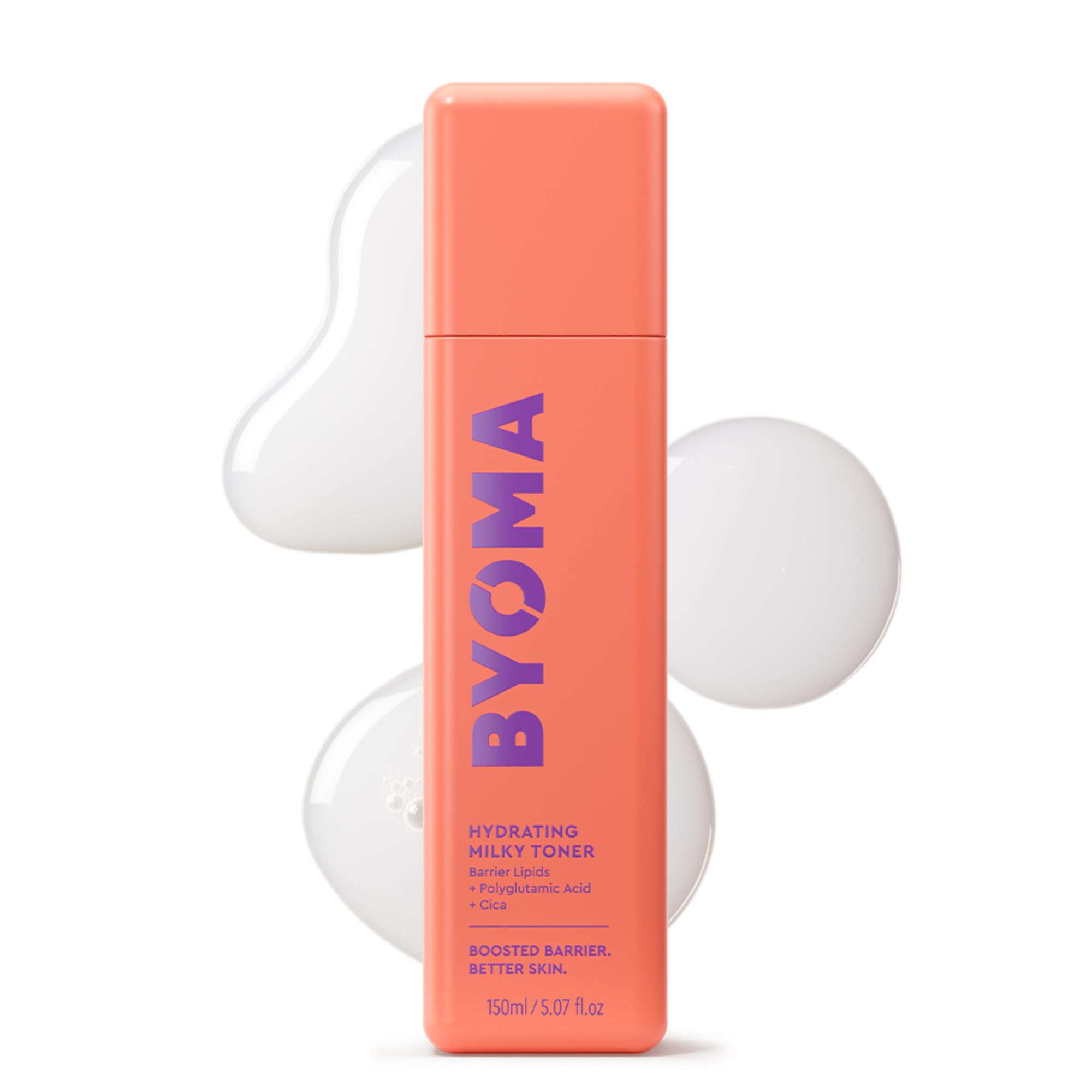
BYOMA's Milky Toner is the one we suggest when sensitive skin feels dry and tight rather than oily or congested. The formula is built around polyglutamic acid, cica, and ceramides, and it is fragrance-free, alcohol-free, and dermatologist tested. That combination reads like a barrier cream in toner form, which is exactly what makes it useful after a reaction or a stretch of cold weather.

The texture is milky, so it adds more cushion than the watery toners here. We like that it does not rely on fragrance to feel soothing; the cica and ceramides do the work. It is also a generous 8.47-ounce bottle, which makes it easier to use daily without rationing. If your skin is oily, this may be more richness than you want.

We see it as a support step rather than a treatment. It will not exfoliate or brighten, and it will not replace a moisturizer on very dry skin. What it does is add a soft, hydrating layer that makes the next steps feel less irritating. For skin that is sensitized from over-exfoliating or too many actives, that is a welcome job.

The bottle is simple and the formula is not trying to be a luxury serum. That is the point: it is a milky toner you can use generously when your skin needs calm rather than another experiment.

Bottom line: We recommend BYOMA when sensitive skin feels dry and tight: its milky cica-and-ceramide formula is built to cushion and support the barrier.

4

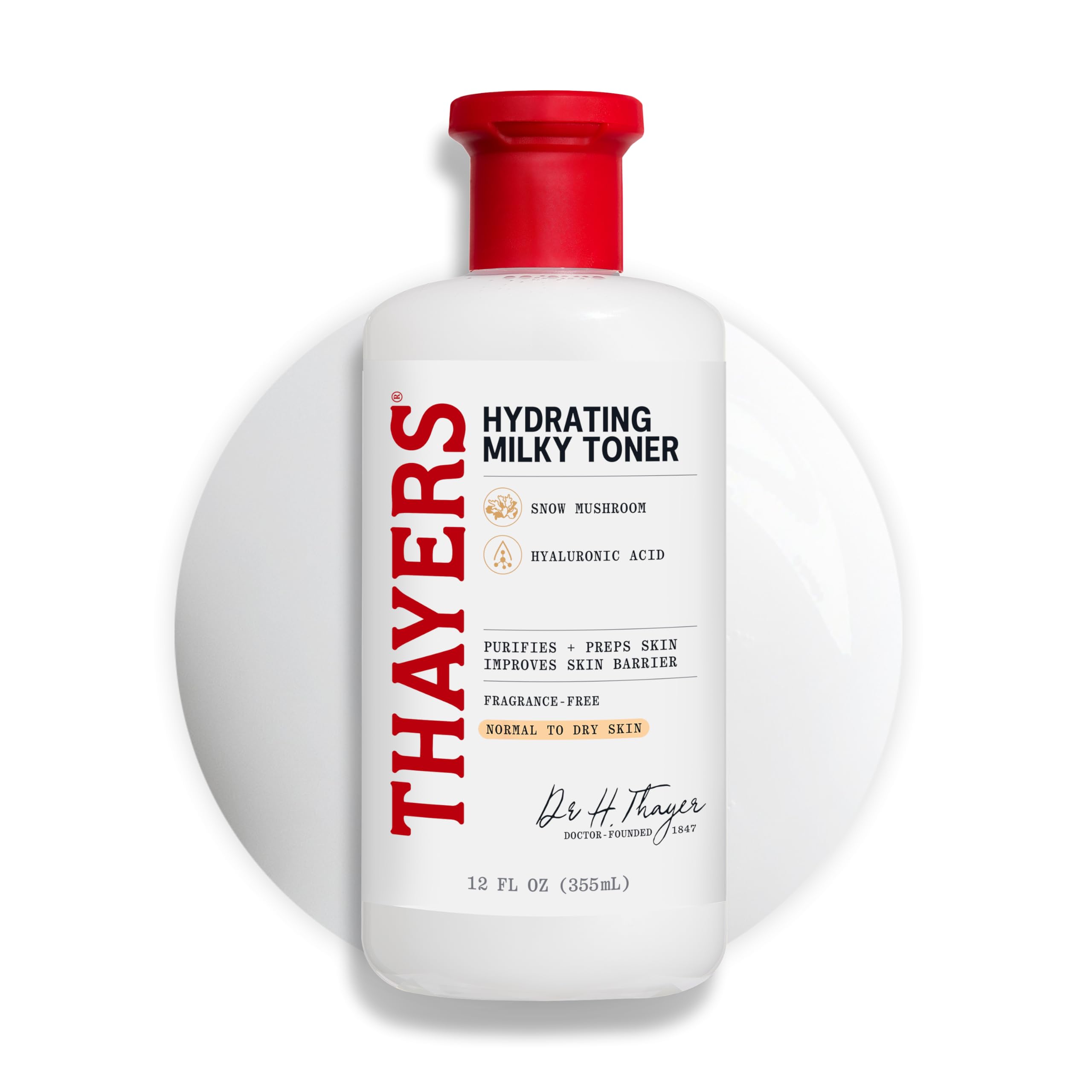
Thayers Milky Hydrating Toner

Thayers Milky Hydrating Toner

Budget dry-skin care

Our Score 9.2/10
Check Price

Worth Noting

Size
12 fl oz
Formula
Milky, non-drying
Skin Type
Sensitive skin
Key Ingredients
Snow mushroom, hyaluronic acid, elderflower water

A 12-ounce bottle of milky toner is a different kind of value from a tiny serum, and that is the first thing we notice about Thayers' Milky Hydrating Toner. It is formulated with snow mushroom, hyaluronic acid, and elderflower water, and it is positioned for sensitive skin with a creamy, non-drying finish. If you go through toner quickly, the size alone is appealing.

We like it for dry, sensitive skin that wants a cushioned layer without a luxury price. The milky texture is more comforting than watery toners, and it absorbs well enough to follow with moisturizer or makeup. It is not a treatment for redness or texture, and oily skin may find it too rich. For a budget daily hydrator, though, it earns its place.

We applied it with our palms and found that a little goes a long way; the bottle should last through a regular routine. It layers nicely under sunscreen without pilling, which is more than we can say for some milky formulas. If your skin is reactive, patch-test first, because a creamy formula can still disagree with you.

Bottom line: We like Thayers Milky for dry, sensitive skin that wants a cushioned layer without a luxury price; oily skin may find it too rich.

5

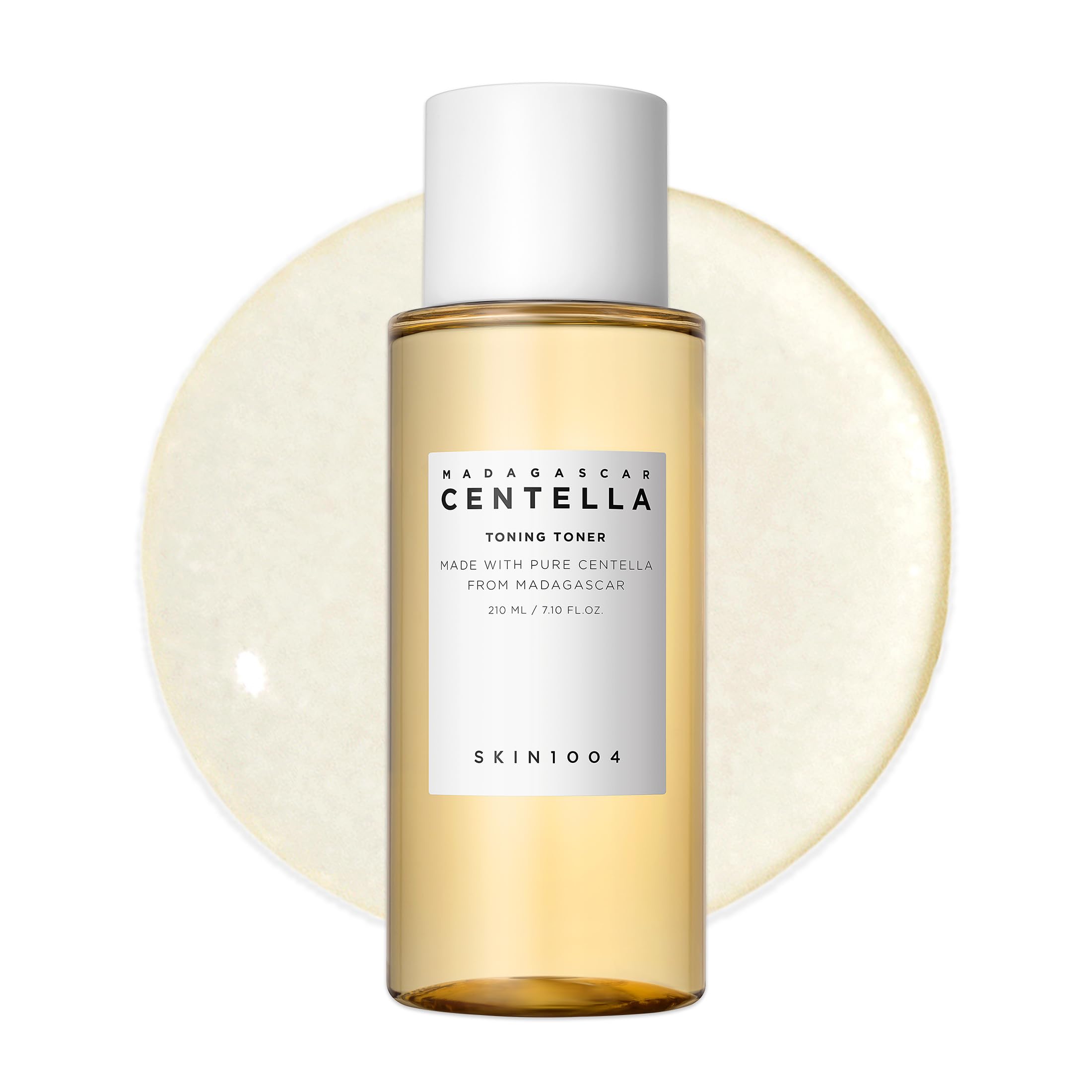
SKIN1004 Centella Toning Toner

SKIN1004 Centella Toning Toner

Gentle texture refining

Our Score 9.4/10
Check Price

Worth Noting

Size
7.10 fl oz
Exfoliant
PHA
Skin Type
Sensitive skin
Key Ingredients
Centella asiatica, hyaluronic acid, betaine

A toner with PHA is a different proposition for sensitive skin, and that is the trade-off at the center of SKIN1004's Centella Toning Toner. It combines centella asiatica, hyaluronic acid, and betaine with a mild polyhydroxy acid, so it is trying to soothe and refine texture at the same time. The bottle is a generous 7.1 ounces, which makes it feel more like a daily staple than a trial size.

The centella is the part we appreciate most. It gives the formula a calming, watery feel, and the PHA is mild enough that it does not read as a harsh exfoliant. We used it on calm skin and found it left a soft, smooth finish rather than a tight one. It is not a replacement for a dedicated soothing toner if your skin is mid-flare.

We suggest it for sensitive skin that also feels congested or rough, as long as you treat it as an exfoliating step rather than a daily hydrator. Two or three nights a week is a better starting point than twice a day, and it should not be layered with another acid on the same night. If your skin is stinging or flaking, skip it until the barrier settles.

The result is a toner that earns a place in a rotation, not one we reach for every single morning. That is a narrower role, but for the right sensitive complexion, it is a useful one.

Bottom line: We suggest SKIN1004 for sensitive skin that also feels congested: centella calms while a mild PHA smooths texture, as long as your skin isn't mid-flare.

6

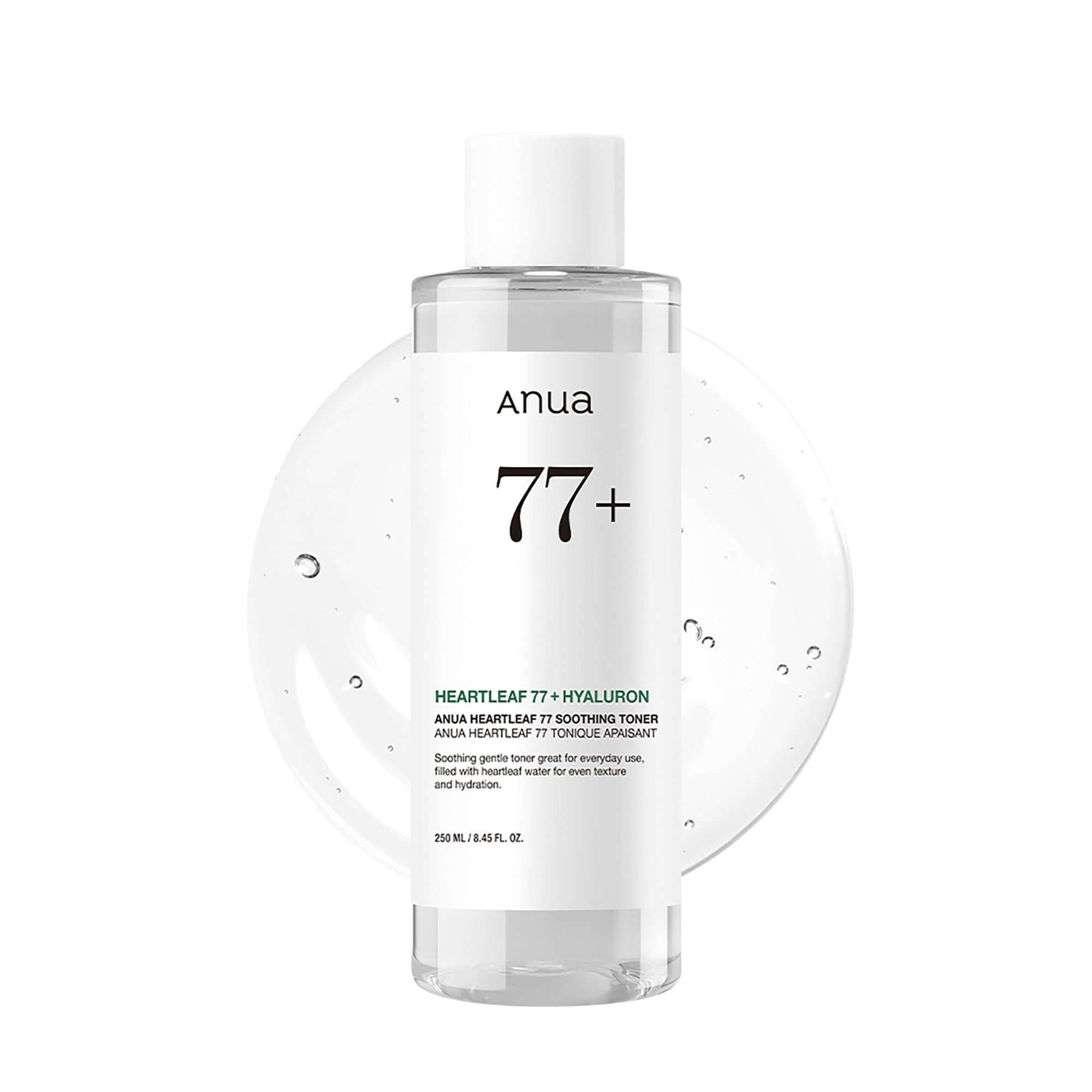
Anua Heartleaf 77 Toner

Anua Heartleaf 77 Toner

Redness-prone skin

Our Score 9.0/10
Check Price

Worth Noting

  • Some breakout-prone skin may not tolerate it
Size
8.45 fl oz
Testing
Non-comedogenic
Fragrance
Fragrance-free
Key Ingredients
77% heartleaf, hyaluronic acid

When redness is the main complaint, we reach for Anua's Heartleaf 77 Toner before a brightening or exfoliating formula. It is built around 77% heartleaf extract plus hyaluronic acid, and it is fragrance-free and non-comedogenic. The texture is watery and light, which makes it easy to layer after cleansing without feeling like you are adding another cream.

The soothing effect is the reason it stays in the rotation. Heartleaf is a calming botanical, and the formula feels cooling on skin that is hot or flushed. We like it after a shower or a long day outside, when the last thing you want is a toner with a strong scent or a tingle. It absorbs quickly and leaves a fresh finish rather than a sticky one.

For sensitive skin that runs red or hot, this is our first choice. It is a calming step, not an exfoliating or brightening treatment, and it works best when you follow with a moisturizer that suits your skin. Keep the rest of your routine simple while you test it.

The bottle is large enough for daily use, and the watery texture makes it a good candidate for layering two or three times. It is the toner we keep for the days when our skin needs less, not more.

Bottom line: For sensitive skin that runs red or hot, Anua Heartleaf is our first choice: it's fragrance-free, soothing, and light, though dry skin will need a moisturizer on top.

7

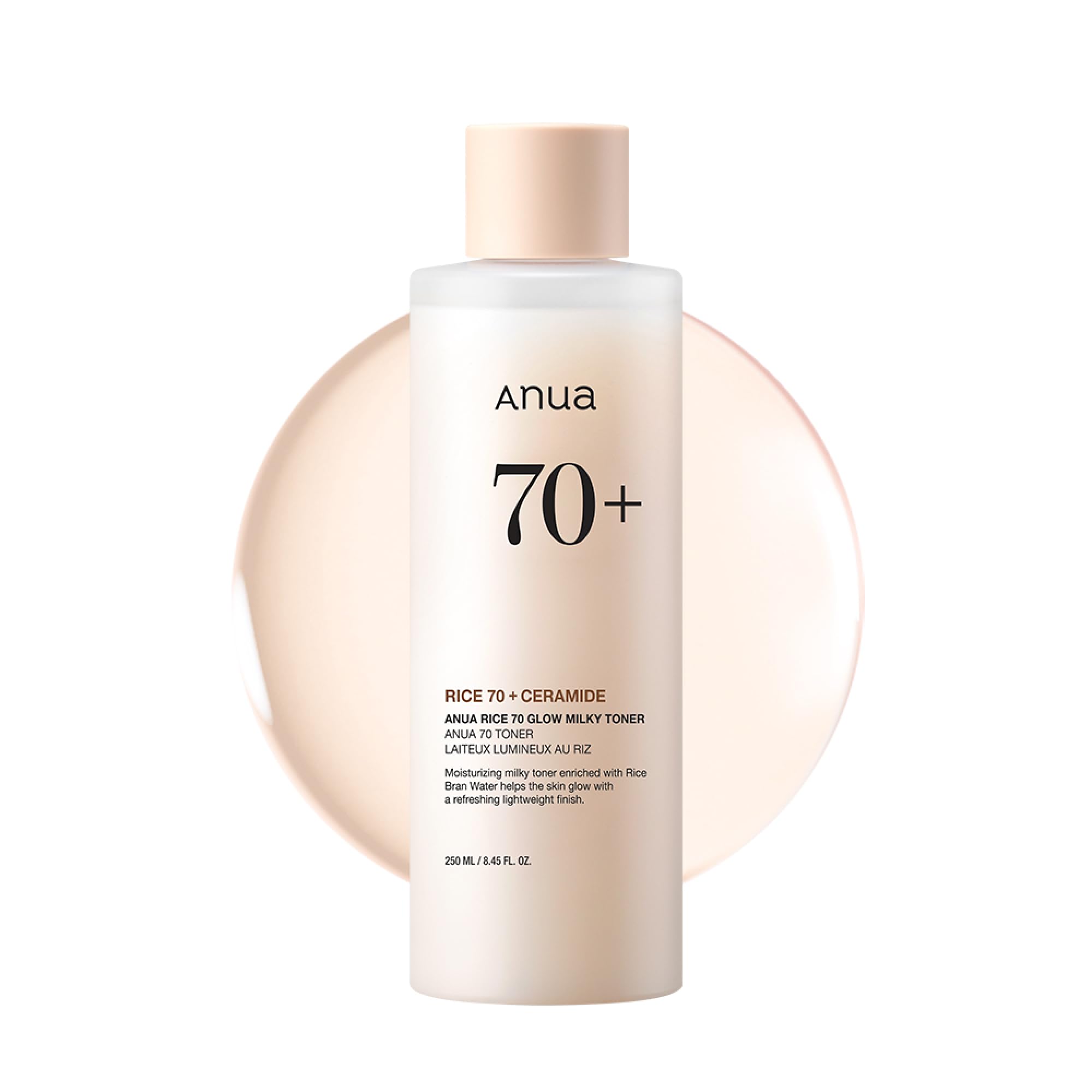
Anua Rice 70 Glow Toner

Anua Rice 70 Glow Toner

Fragrance-free milky glow

Our Score 9.2/10
Check Price

Worth Noting

  • Can break out some sensitive skin
Size
8.45 fl oz
Finish
Non-sticky milky
Fragrance
Fragrance-free
Key Ingredients
70% rice water, niacinamide, ceramides

Anua's Rice 70 Glow Milky Toner is the fragrance-free option we point to when someone wants the glass-skin look without a scented formula. It is made with 70% rice water, niacinamide, ceramides, panthenol, and allantoin, and it has a milky texture that is meant to leave a non-sticky finish. The 8.45-ounce bottle is a practical size for twice-daily use.

The texture is lighter than the word milky might suggest. It spreads easily, absorbs quickly, and layers without a sticky feel, which makes it a good morning toner for combination skin. The niacinamide adds a subtle brightening angle, while the ceramides and panthenol keep the focus on barrier support. It is not a heavy cream, so very dry skin will still need a moisturizer.

We like it as a middle ground between a watery hydrator and a rich milky toner. It gives more cushion than CeraVe without the weight of a cream, and it does not rely on fragrance to feel pleasant. If your skin is oily, you may prefer a lighter formula; if it is dry, you may want to layer it twice.

We recommend it for sensitive skin that wants a fragrance-free milky glow. It is a strong budget-friendly step toward a softer, more even-looking finish, and it layers well enough to use morning or night.

Bottom line: We recommend Anua Rice 70 for sensitive skin that wants a fragrance-free milky glow; breakout-prone skin should patch test first.

8

Thayers Unscented Witch Hazel

Thayers Unscented Witch Hazel

Classic budget toner

Our Score 9.4/10
Check Price

Worth Noting

  • Can feel astringent on dry or reactive skin
Size
12 fl oz
Scent
Unscented
Formula
Alcohol-free
Key Ingredients
Witch hazel, aloe vera

Thayers' Unscented Witch Hazel Toner is the old-school option in this group, and it still has a clear job. It pairs witch hazel with aloe vera, is unscented, and is alcohol-free, so it gives oily or combination skin a classic sweep without the sharp burn of an alcohol-based astringent. The 12-ounce bottle is a budget staple.

The formula is simpler and more astringent than the milky toners here. It feels watery and clean, and it can be a useful step for skin that gets shiny through the day. We like it on a cotton pad around the hairline and jaw, where oil and sunscreen residue tend to collect. It is not the one we reach for when skin is dry or already tight.

Witch hazel is the dividing line. Some sensitive skin loves the fresh, tightened feeling, and oily complexions often do well with it. If you are unsure, patch-test on the jaw before using it all over, and keep a milky toner nearby for days when your skin feels dry.

We reach for it when our skin is oily but not irritated, and we use it sparingly rather than soaking a pad. It is a clean, unfussy step that does not try to be a treatment.

Bottom line: We keep Thayers Unscented as a budget option for oily, sensitive skin that likes a classic witch hazel sweep, not for dry or easily tightened skin.

How We Tested Sensitive-Skin Toners

We started by pulling together a shortlist of toners marketed for sensitive skin, then narrowed it by reading ingredient lists and filtering out anything with drying alcohol or added fragrance. We also grouped the remaining formulas by texture—watery, milky, and exfoliating—so we were not comparing a mild hydrator with a PHA toner as if they did the same job. Price and packaging mattered, but only after the formula looked reasonable for reactive skin.

For three months, 14 toners moved between my bathroom counter and my travel bag. I used each one after cleansing, morning and night, sometimes patting it in with my hands and sometimes applying it with a cotton pad. On reactive days—after a hot shower, a long workout, or too much time in dry office air—I paid attention to whether my skin stung, turned red, or felt tight within a minute of application. I also noted how quickly each one sank in, whether it left a sticky film, and how my skin felt by mid-afternoon.

To judge moisture and skin benefits, I layered each toner under the same moisturizer and sunscreen for a week and checked for flaking, dullness, and that tight feeling around my nose and mouth. I also sniffed each bottle (some fragrance-free formulas still have a noticeable base note) and watched for congestion or breakouts over consecutive days. Quality showed up in small ways: whether the cap leaked, whether the texture stayed consistent, and whether the formula pilled under makeup. The toners that made the list stayed gentle, hydrated without heaviness, and never made me want to skip the step.

How to Choose a Toner for Sensitive Skin

Fragrance and Alcohol Are the First Filters

Fragrance is one of the most common reasons a toner stings, and it can hide behind words like rosewater, elderflower, or essential oils. If your skin reacts easily, start with a fragrance-free formula such as CeraVe, Haruharu, or Anua Rice 70. Alcohol-free matters too, but it is not a guarantee: a toner can be alcohol-free and still tingle because of acids, fragrance, or a preservative your skin dislikes. Patch-test on the jawline before you commit to a full face, and treat unscented as a label to verify rather than a promise.

Match the Texture to Your Skin

Watery toners are the safer starting point for oily, combination, or easily congested skin because they add a light layer of hydration without extra lipids. Milky toners, such as Thayers Milky or BYOMA, add more cushion and suit skin that feels tight or dry after cleansing. The trade-off is richness: a milky formula can feel heavy under sunscreen, and a watery one may not be enough on its own in winter. If you wear makeup most days, test the finish on the back of your hand first; a tacky toner can make foundation drag. Choose the texture that matches how your skin feels an hour after cleansing, not how it feels in the first minute.

Look for Barrier Ingredients, Not Just Botanicals

Ceramides, hyaluronic acid, glycerin, panthenol, and cica are the ingredients we look for first because they support the skin's moisture barrier rather than simply scenting or stripping it. Botanical extracts like heartleaf and centella can be soothing, but they work best alongside those barrier ingredients, not instead of them. Niacinamide is a useful bonus for tone and oil balance, though a small percentage is enough; more is not better for reactive skin. If you are already using a prescription retinoid or an acid serum, keep the toner simple and avoid stacking another active.

Treat Exfoliating Toners as a Separate Category

PHA and BHA toners are not hydrating toners with a bonus; they are exfoliants. A mild PHA, as in SKIN1004 Centella Toning Toner, can smooth texture on sensitive skin that is not actively irritated, but it still belongs in a rotation rather than an all-day, every-day habit for everyone. Start two or three nights a week, skip it when your skin is flaky, sunburned, or stinging, and do not layer it with another exfoliant on the same night. If you want a toner to calm redness, choose a soothing formula and keep the acids for a separate step.

Size and Application Change the Cost

Toner is easy to waste. A cotton pad soaks up more product than needed, especially with watery formulas, so we prefer pouring a few drops into the palm and pressing it into damp skin. Milky toners can be layered two or three times for extra hydration without feeling heavy. Bottle size matters more than the shelf price: a 5-ounce bottle that you use twice a day will disappear faster than a 12-ounce one, and a large bottle is only a good value if the formula suits your skin. Buy small first if you are testing a new fragrance-free formula.

Frequently Asked Questions

Final Verdict

CeraVe Hydrating Toner is the one we recommend first because it gets the sensitive-skin basics right: fragrance-free, alcohol-free, and formulated with ceramides, hyaluronic acid, and niacinamide. It is not the most elegant finish, but it slots into a routine without a learning curve.

If your skin is very reactive and you want the lightest possible layer, choose Haruharu. If it feels dry and tight, BYOMA's milky formula is the better fit.