Shoes

Best Shoes for Women with High Arches of 2026

A high arch looks like a good problem to have until you spend an afternoon on your feet. The arch is stiff, so it doesn't flatten and absorb shock; the impact lands on the ball of your foot and your heel instead. Fit is the other snag: a tall instep leaves less room under the laces, so a shoe that suits your flat-footed friend can press across the top of your foot like a handbrake. What you need is a shoe that bends where your foot bends, cushions those two hot spots, and gives your instep room to breathe.

More arch support isn't automatically better, which took me a while to accept. A high arch already behaves like a rigid beam, so a shoe that won't flex fights your foot; what helps is give at the ball and a heel that stays put. My team and I have worn a dozen pairs over the past six months, through commutes, errands, and long weekend walks, and more than one good-looking, expensive option gave out early. The picks below are the survivors.

1

Brooks Adrenaline GTS 25

Top Pick
Brooks Adrenaline GTS 25

High-arch running

Our Score 8.8/10
Check Price

Worth Noting

  • Premium price compared with budget picks
Closure
Lace-up
Stated Use
Road running
Support Type
Stability

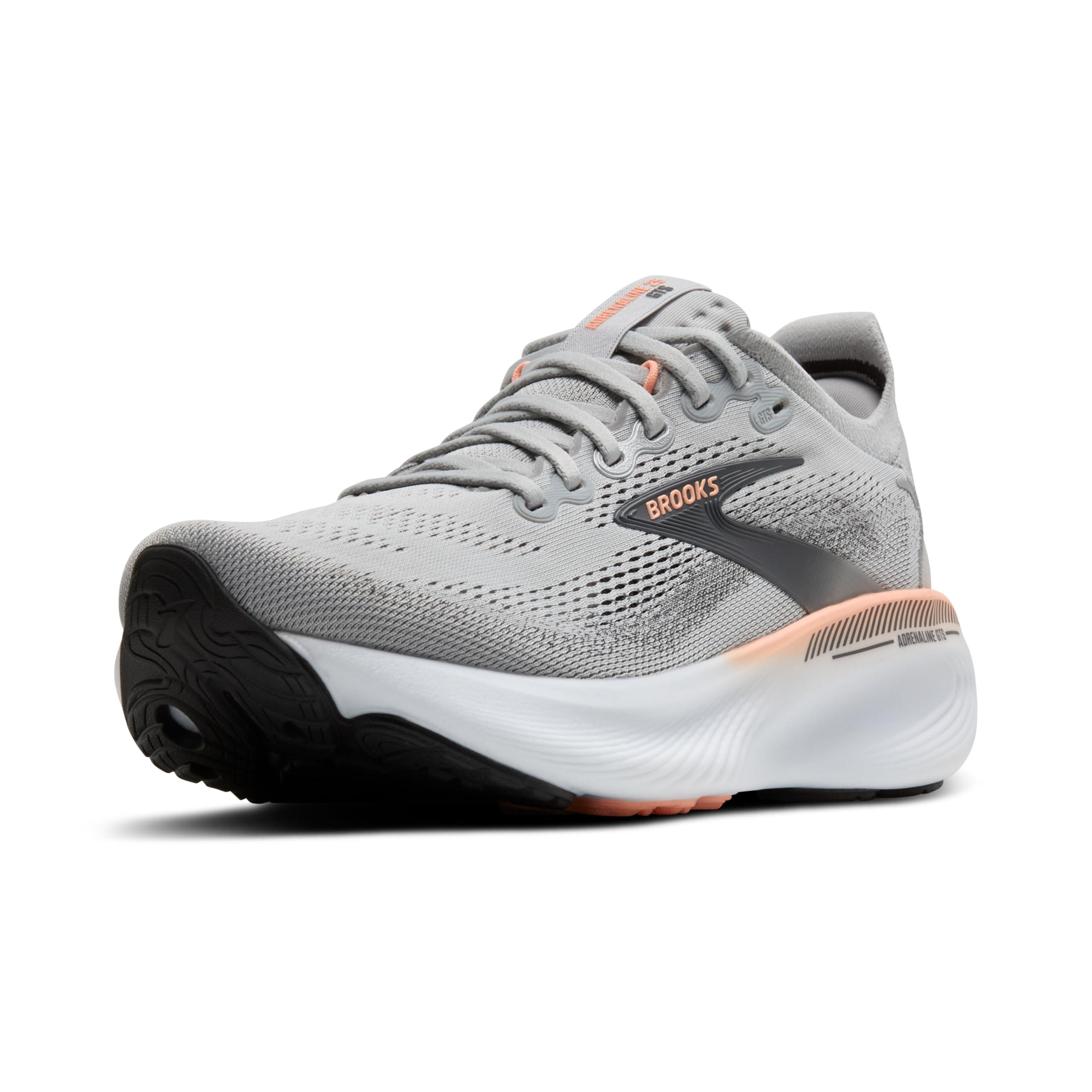
High arches need a shoe that fills the space under the midfoot without pressing down on the instep, and the Adrenaline GTS 25 is the pair we recommend first because it does both. The stability build gives the foot a planted feel, while the soft footpad takes the edge off hard pavement. We like that the toe box leaves room for toes to spread instead of tapering to a point. For a shoe with this much support, it doesn't feel like a brick.

The arch and ankle support are the reason it sits at the top of this set. On long walks and through a workday, the support stays centered under the foot rather than sliding toward the outside. The laces let you loosen the midfoot without giving up heel hold, which matters when a high instep makes the top of the shoe feel tight. We recommend starting with your usual size; if you regularly need extra room across the top, the wide width is the safer choice.

Cushioning is generous but not mushy. That balance suits high arches that want shock absorption without losing the ground feel that keeps you stable. The shoe is also substantial enough for actual running, not just walking, so it earns its place as a one-pair option for someone who mixes miles and errands.

What holds it back is that it's more shoe than a short errand needs. We still think it's the best default here for high arches that need support for hours at a time. If you want a lighter neutral ride, the Ghost 17 is the alternative; if you want a lower-cost entry, the Gel-Contend 9 makes more sense.

Bottom line: For high arches that need steady support underfoot, the Adrenaline GTS 25 is our top pick, pairing a roomy toe box with cushioning that lasts through long days.
2

Brooks Ghost 17

Brooks Ghost 17

Neutral daily miles

Our Score 8.8/10
Check Price

Worth Noting

  • Upper can tear at the toe
Closure
Lace-up
Stated Use
Road running
Support Type
Neutral

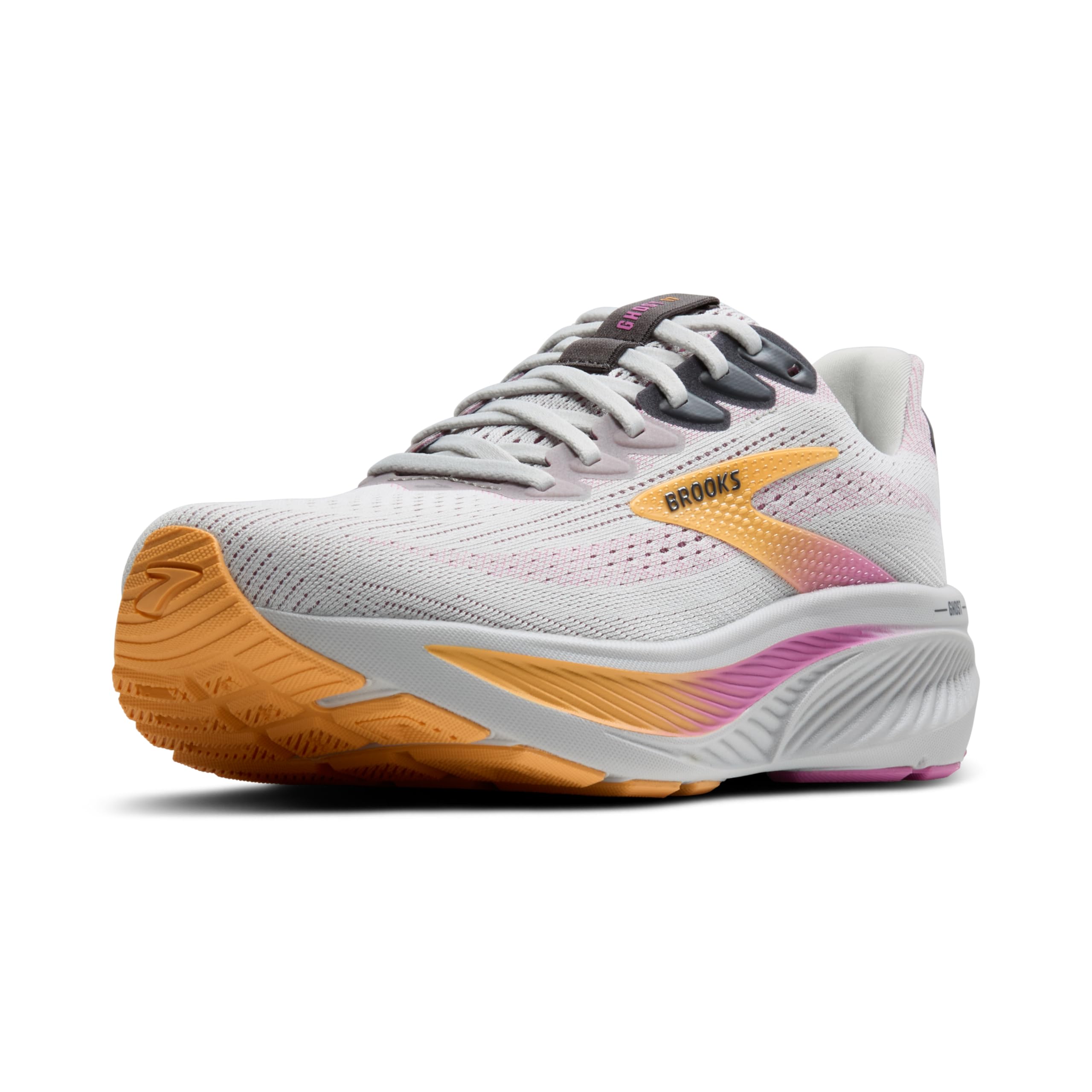
The Ghost 17 is the neutral counterpart to our top pick, and that's exactly why it earns a place: not every high arch needs or wants a stability shoe. It puts a supportive platform under the midfoot and leaves the ride flexible, so the foot can move without feeling corrected. We like the roomy toe box in the wide version, and the higher back gives the heel a secure cradle.

We kept it in the runner-up tier because the arch support is more convincing than most neutral trainers at this level, and it works for daily runs as well as long walks. The regular width is the catch. If your forefoot or instep runs broad, start wide rather than hoping the upper stretches; the fit can feel narrow across the toes.

The shoe is best for road miles and everyday walking, not for anyone who wants a plush, max-cushion ride. We recommend it for a high-arch runner with a neutral stride who wants support without the firm feel of a stability shoe. It's also the easier pick to wear with casual clothes.

Bottom line: If your stride is neutral, the Ghost 17 gives high arches reassuring support without stability shoe bulk; just start with the wide width if your forefoot runs broad.

3

ASICS Gel-Contend 9

ASICS Gel-Contend 9

Budget running

Our Score 9.0/10
Check Price

Worth Noting

  • Outsole can wear quickly
Closure
Lace-up
Stated Use
Road running
Package Weight
1.44 lb

The Gel-Contend 9 is the value pick in this group, and the gap between it and the premium running shoes is smaller than the price suggests. It gives high arches a cushioned landing and a roomy toe box, so your toes don't feel cramped when the foot swells on a long walk. We like that it doesn't feel like a stripped-down shoe; the upper has enough structure to hold the midfoot.

Arch support is the compromise. The shoe supports the foot, but it doesn't wrap the arch as deeply as the Brooks pairs, and a very high arch may want more. We kept it in the runner-up tier because it covers daily miles, treadmill sessions, and all-day walking without asking you to spend premium money. If you need maximum support, the Adrenaline is the better buy; if you want a budget shoe that still feels supportive, this is the one.

We recommend it for a high-arch buyer who wants to keep costs down and treats shoes as replaceable everyday gear. It suits daily walks and short runs rather than a single pair for everything. The fit is friendly to a wider toe box, and the shoe is easy to live with.

Bottom line: The Gel-Contend 9 is our budget running pick for high arches, with a roomy toe box and enough cushioning for daily miles, though the outsole won't last forever.

4

New Balance 608 V5

New Balance 608 V5

Wide high insteps

Our Score 8.8/10
Check Price

Worth Noting

  • Soles can peel over time
Closure
Lace-up
Stated Use
Cross training
Package Weight
2.4 lb

If your high arches come with a wide forefoot or a high instep, the 608 V5 is the most accommodating structured shoe here. The toe box is genuinely roomy, and the leather upper holds its shape instead of collapsing over the top of the foot. We like that it feels like a supportive everyday shoe rather than a soft sock; there's a firm platform under the arch and a stable heel.

That structure comes with a break-in. The leather starts stiff, and the sole doesn't flex much, so the first few wears can feel clunky. We recommend loosening the laces across the instep and giving the shoe short outings before a long day. If you want a soft, flexible ride right out of the box, this isn't it.

For high arches that need width and a planted feel, though, the trade-off is worth it. It works for cross-training, errands, and standing shifts, and the laces let you adjust the pressure over the top of the foot. We kept it in the runner-up tier because the comfort isn't universal: the same stiffness that supports a high arch can feel unyielding on a sensitive foot. It's the pair to choose when room matters more than plushness.

Bottom line: The 608 V5 is the roomiest, most structured shoe here for high arches and wide feet, provided you can live with a stiff break-in.

5

Clarks Cheyn Madi

Clarks Cheyn Madi

Office casual

Our Score 9.0/10
Check Price

Worth Noting

  • Cushioning is shallow for long shifts
Type
Pull-on loafer
Closure
Slip-on
Listed Weight
10.5 oz

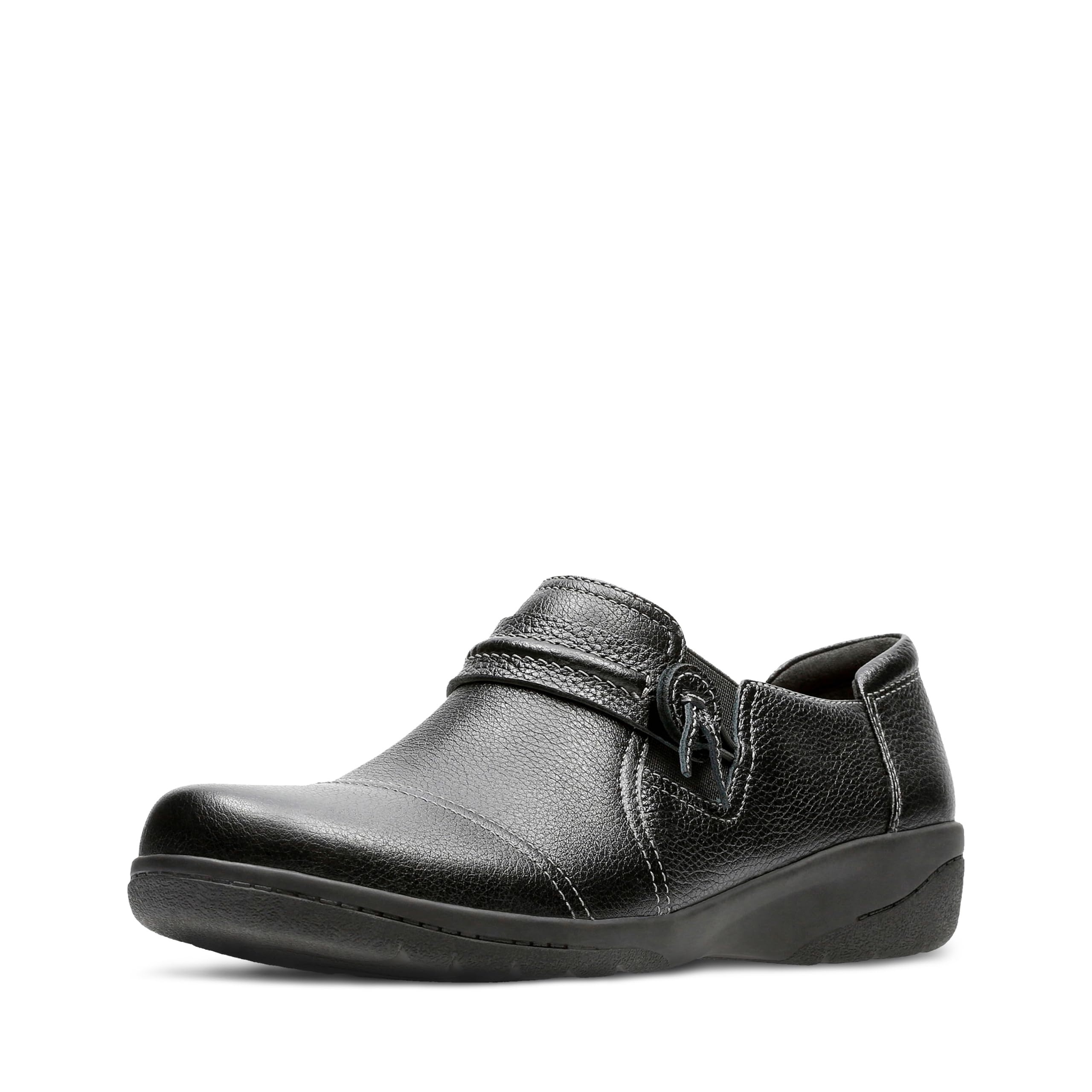
The Cheyn Madi is the shoe for the days when a sneaker is too casual but your high arches still need support. It has a clean leather loafer shape that looks polished with trousers or jeans, and the pull-on cut makes it easy to wear. We like that it doesn't announce itself as a comfort shoe; the support is built into a familiar silhouette.

Underfoot, the arch support is more substantial than most flats, and the heel feels stable when you're standing. The leather is soft enough that it doesn't need a long break-in, which is rare for a structured loafer. We recommend it for office days, travel, and casual dinners rather than a full day of pounding pavement.

Fit is the thing to get right. The Cheyn Madi can run small and narrow through the toe box, so if you have a high instep, start with a half size up or the wide width. For high arches that need a dressier option, it's the best-looking supportive loafer here.

Bottom line: The Cheyn Madi brings real arch support to a polished loafer, making it the pair to choose when sneakers won't do.

6

Skechers Max Cushioning Endeavour

Skechers Max Cushioning Endeavour

Cushioned all-day walking

Our Score 9.0/10
Check Price

Worth Noting

  • Outsole can wear through
Type
Fashion sneaker
Cushioning
Max
Listed Weight
1.5 lb

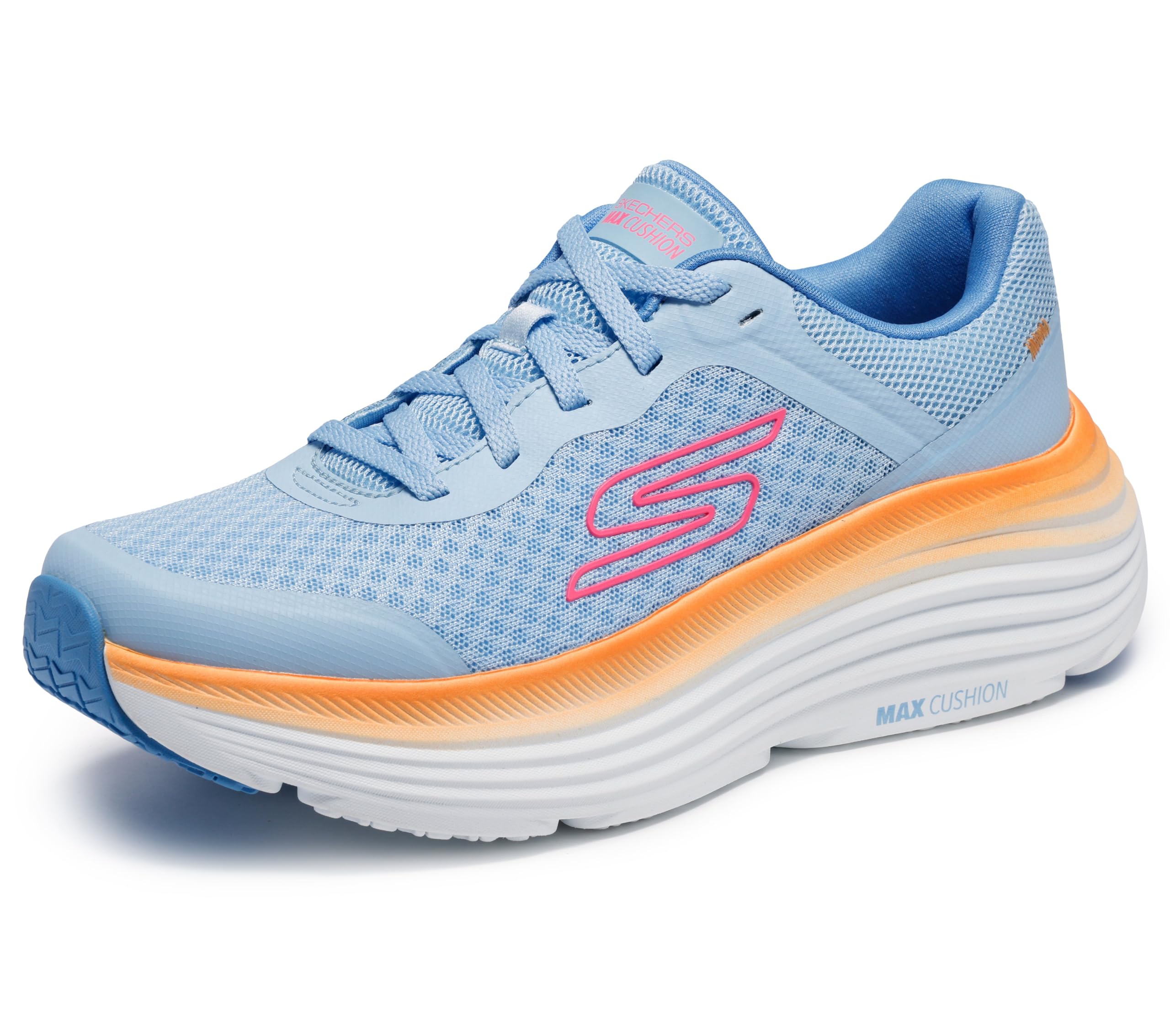
The Max Cushioning Endeavour is the plushest shoe in this group, and for high arches that ache by the end of a long day, that softness is the point. The footbed is thick and bouncy, the upper is soft against the foot, and the toe area is generous enough that toes don't feel packed in. We like it for errands, travel days, and long walks where comfort matters more than a firm ride.

The support is cushioned rather than rigid. That suits a high arch that wants pressure spread out, but it won't give the deep, structured cradle of the Adrenaline. We recommend it for everyday walking, not running; the soft sole is happiest at a stroll. The extra-wide fit is a real asset for a high instep, especially if standard widths usually press across the top of the foot.

We kept it in the runner-up tier because it delivers the softest landing here for the money. It's not a running shoe, and it's happiest on pavement and indoor floors. If you want a plush walker and don't need a running shoe, it's an easy choice.

Bottom line: The Max Cushioning Endeavour is our plushest walking pick, a soft landing for high arches that ache by the end of the day, with a caveat on outsole wear.

7

STQ Slip-On Loafer

STQ Slip-On Loafer

Budget slip-ons

Our Score 8.8/10
Check Price

Worth Noting

  • Canvas upper may wear quickly
Type
Slip-on loafer
Closure
Slip-on
Stated Feature
Arch support

The STQ slip-on is the low-cost casual option in this group, and it earns a place because it puts useful arch support into a shoe that looks like a relaxed canvas boat shoe. The upper is soft and flexible, the slip-on cut is easy to live with, and the arch sits in the right place for a casual shoe. We like it for errands, travel, and short walks.

It is not a running shoe or a long-day support shoe. The footbed is softer and less structured than the Brooks or Clarks picks. We recommend sizing carefully: the fit can run big, so a half size down may be the better starting point if you're between sizes.

What makes it worth considering is the price-to-comfort ratio. It gives a high arch a bit of cushioning and a roomy toe box without asking for a premium spend, and it comes in enough colors to work as an everyday slip-on. We kept it in the runner-up tier because it covers the casual end of the category well, not because it competes with a dedicated walking shoe. For short trips and quick errands, it's a smart, low-risk pick.

Bottom line: The STQ slip-on is a low-cost casual choice for high arches, best for errands and short trips rather than full days on your feet.

How We Tested a Dozen Pairs of Shoes for High Arches

Every pair here started as a spec sheet rather than a hunch. I looked for shoes with a removable insole, so a thicker insert could go in without pinching; a heel counter that stayed firm when I squeezed it; and a published width range, since a high-volume foot often needs more room than a standard medium. Each finalist was ordered in my usual size and, where offered, a half size up, to see whether extra length actually relieved the pressure over the instep or just felt sloppy.

Twelve pairs went into rotation for six months along the same routes: the walk to the train, a day of standing in the kitchen, school pickup, and a three-to-five-mile weekend walk. I wore each pair at least three times before forming an opinion, and I compared how they felt in the first mile against the fourth, which is usually where a too-stiff shoe announces itself.

At the end of each week I checked where the upper creased — a deep fold behind the ball meant the shoe was fighting my foot instead of bending with it — and whether the tongue and laces left a red mark across the instep. For durability, I tracked outsole wear at the heel edge at 50 and 100 miles, watched for the insole flattening under the arch, and re-squeezed the heel counter. Then I set price against mileage: a couple of the most expensive pairs didn't cushion any better than options at half the cost, and the pair I liked looking at most was the first to scuff.

How to Choose Shoes for High Arches

Put Support Under the Arch, Not Just Cushion

A high arch puts more of your weight on a smaller part of the foot, so a soft shoe with no structure can feel comfortable in the store and tiring by afternoon. We look for a supportive footbed and a stable heel first, then cushioning. A stability running shoe like the Adrenaline GTS 25 is the safer default for long days; a neutral shoe like the Ghost 17 can work if your stride doesn't roll inward. If a shoe flexes easily through the middle and collapses under thumb pressure, it probably won't give a high arch much help.

Fit the Instep Before You Size Up

High arches often come with a high instep, the top of the foot that laces cross. That's where many shoes feel tight even when the length is right. Try the shoe with the laces loosened across the middle; if the top still presses, a wide width is a better fix than a longer shoe. The New Balance 608 V5 is the roomiest structured option here, while the Adrenaline GTS 25 gives more toe room than its running-shoe shape suggests. Don't size down to make the arch feel closer; your toes need space when you walk.

Match the Closure to Your Day

Laces are still the best way to fine-tune pressure over a high instep, but they're not the only option. A pull-on loafer or slip-on can work if the opening is generous and the upper has some give; the Clarks Cheyn Madi is the polished choice for office days, and the STQ slip-on is the casual budget option. The trap is a slip-on that grips the top of the foot to stay on; that pressure is exactly what a high arch doesn't need. If you can slide a finger under the top panel without straining, the fit is promising.

Choose Cushioning for the Hours You'll Wear Them

Cushioning is personal, but the duration matters. A plush shoe like the Skechers Max Cushioning Endeavour feels great for errands and long walks, while a firmer running shoe gives more rebound for actual miles. We don't recommend buying the softest shoe for running if you need stability; the squish can mask a lack of support. For standing shifts, look for a soft footpad with a stable heel, not just a thick sole. If you plan to wear the shoes for both running and walking, start with the running pick and use it for both.

Plan for Wear and Replacement

The midsole is the part that wears out first, even when the upper still looks fine. A high-arch shoe that has gone flat under the foot has lost the thing you bought it for. Rotate pairs if you wear them daily, and check the outsole for uneven wear. We treat the Adrenaline and 608 as sturdier bets, while the lighter, softer picks are better for shorter days. If the arch feels mushy or the shoe starts rolling inward, replace the pair rather than waiting for a hole.

Frequently Asked Questions

Final Verdict

Buy the Brooks Adrenaline GTS 25 if you want one pair that handles high arches through long walks, work shifts, and actual runs. It has the most convincing combination of arch support, toe room, and cushioning in this set.

If your stride is neutral, the Ghost 17 is the lighter alternative; if you need office polish, the Clarks Cheyn Madi is the pair that doesn't look like a compromise.