Skincare

Best Retinol for Beginners of 2026

Retinol's bad reputation is mostly earned, and almost always self-inflicted. Start with something too strong, use it too often, and you get a week of stinging, flakes along the nose, and a flush that makes you want to quit by night five. The fix isn't a fancier retinol — it's the right one to start with: a modest strength, ideally cushioned with ceramides, niacinamide, or hyaluronic acid, used two nights a week until your skin stops arguing. Do that, and somewhere around week four you get smoother texture, softer skin, and a more even tone instead of a peeling face.

I have reactive skin and had quietly written off retinoids after one blistering experiment years ago, so I volunteered as the canary. Over the past four months, my team and I worked through 14 beginner formulas, some for a few weeks and a couple for the whole stretch, and the lesson held: pace beats potency every time. Moisturizer over the top, sunscreen every morning, no acids in the same routine. The picks below are the ones that left our testers softer and calmer, not pink and cranky.

1

CeraVe Retinol Serum

Top Pick
CeraVe Retinol Serum

First retinol

Our Score 9.2/10
Check Price

Worth Noting

  • Pump can stop dispensing before the bottle is empty
Size
1 fl oz
Formula
Fragrance-free, non-comedogenic
Key Actives
Encapsulated retinol, niacinamide, hyaluronic acid
Barrier Support
3 essential ceramides

The slow-release design is what makes this the first retinol we recommend. CeraVe uses encapsulated retinol with MVE technology, so the active is designed to release gradually instead of arriving all at once. That matters more to a beginner than a headline percentage, because the adjustment period is where most routines get into trouble. The formula adds niacinamide, hyaluronic acid, and three essential ceramides, so it supports hydration and the skin barrier while skin adapts. It is fragrance-free and non-comedogenic, which keeps a simple evening routine uncluttered.

The instructions are unusually beginner-friendly: apply in the evening and build up to daily use. We start at two nights a week and add a night only when skin stays calm. A pea-sized amount covers the face, and a moisturizer on top is the right move if skin feels tight. The texture is the one point of disagreement—some skin absorbs it quickly, while others find it tacky before moisturizer—so give it a minute to settle. That slow-and-steady approach is exactly what makes it a better first purchase than a stronger serum you have to dilute with moisturizer.

Bottom line: We recommend this as our top pick for most first-time retinol users: slow-release, fragrance-free, and buffered with ceramides and hyaluronic acid.
2

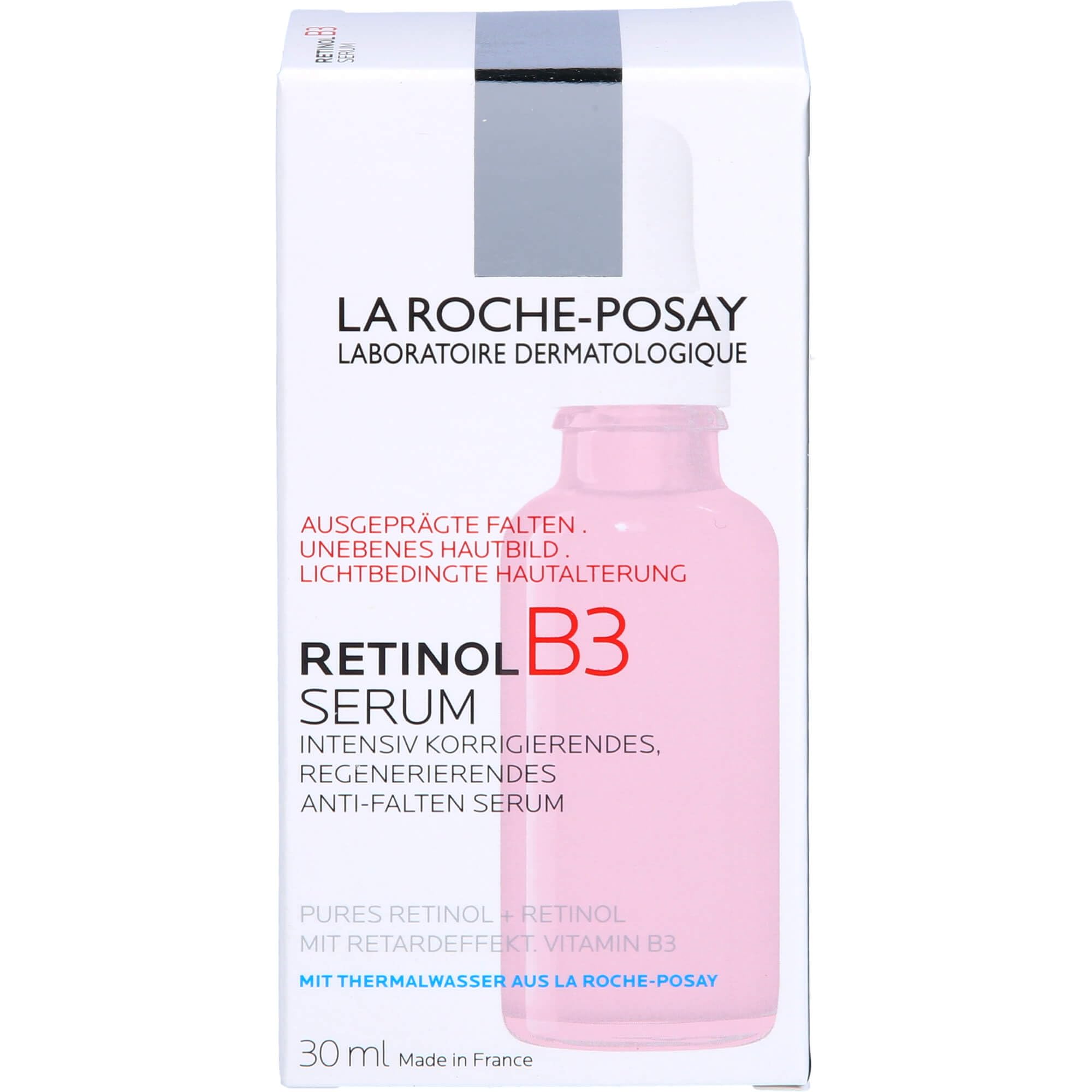
La Roche-Posay Retinol B3

La Roche-Posay Retinol B3

Sensitive skin

Our Score 9.2/10
Check Price

Worth Noting

  • Scent can be overpowering for sensitive skin
Size
1 fl oz
Texture
Lightweight, fast-absorbing
Skin Type
Sensitive skin
Key Actives
Gradual-release retinol, niacinamide, hyaluronic acid

The higher price tier buys a more explicit beginner brief. La Roche-Posay uses pure retinol in a gradual-release system, then adds niacinamide and hyaluronic acid to support the barrier. The brand positions the serum for sensitive skin and retinol beginners, and the lightweight, fast-absorbing texture makes it easy to layer under moisturizer. That combination is why it is our pick for someone who wants a refined retinol serum without starting with a prescription-strength product.

The catch is scent. The formula is not presented as fragrance-free, and the fragrance draws strong reactions—some love it, others find it overpowering. For sensitive skin, that is a real consideration, not a cosmetic detail. Irritation is still possible; this is retinol, not a pass. If you react to scented skincare, CeraVe's fragrance-free serums are the safer starting point. If you tolerate scent and want a hydrating, elegant serum, this is the upgrade we reach for. It does not feel heavy or oily, so it sits well under a night cream without pilling.

Bottom line: Our sensitive-skin pick for beginners who want a gradual-release retinol and will pay more for a refined, hydrating serum.

3

CeraVe Resurfacing Serum

CeraVe Resurfacing Serum

Acne-prone skin

Our Score 9.2/10
Check Price

Worth Noting

  • Can cause breakouts or burning during adjustment
Size
1 fl oz
Formula
Fragrance-free, non-comedogenic
Key Actives
Encapsulated retinol, niacinamide, licorice root
Barrier Support
3 essential ceramides

If your reason for starting retinol is the cluster of dark marks and rough texture left after breakouts, this is the CeraVe we point to first. It uses encapsulated retinol with niacinamide and licorice root, a combination aimed at post-inflammatory hyperpigmentation and uneven tone, and it includes the same three essential ceramides as the rest of the line. The pore-minimizing label is marketing language, but the mix of brightening and barrier ingredients is genuinely useful for acne-prone skin that wants retinol without a separate brightening serum.

We treat this as a budget alternative to the main CeraVe pick, not a duplicate. The texture is light and layers easily, and the fragrance-free formula keeps the routine simple. Because this is still retinol, start slowly and do not stack it with acids. For oily or combination skin that has cleared active breakouts, it is a smart first step. For dry or reactive skin, a cream formula is the gentler route. The one-ounce bottle is the same size as our top pick, so the decision comes down to goal rather than capacity.

Bottom line: A budget-friendly first retinol for post-acne marks and texture, best for oily or combination skin that has cleared active breakouts.

4

Good Molecules Gentle Retinol

Good Molecules Gentle Retinol

Cream formula

Our Score 9.2/10
Check Price

Worth Noting

  • Only sold as a two-pack
  • Can sting on reactive skin
Formula
Cream, fragrance-free
Pack Count
2 units
Skin Types
All skin types, including sensitive
Key Actives
Retinol

The appeal here is the format: this is a cream, not a watery serum, so it can stand in for the moisturizing step while it delivers retinol. The formula is fragrance-free, vegan, and described as suitable for all skin types, including sensitive skin. It is a cream-based retinol designed to soften the look of fine lines and leave skin looking plumper, and that extra moisture is the point.

The texture is smooth and creamy rather than heavy, and it layers well under a plain moisturizer if you need more. It is not a magic wand for deep wrinkles, so give it several weeks and use it three or four nights a week to start. The cream is also a sensible choice for anyone who dislikes the tight, watery feel of a serum.

We like it best for normal-to-dry skin that wants a cushiony night cream and a low-drama introduction. It is not the most transparent option if you want to know the retinol percentage, but the gentle positioning is clear. If you want a single evening step that feels more like skincare than a treatment, this is the one.

Bottom line: A gentle, fragrance-free cream for beginners who want one evening step and normal-to-dry skin.

5

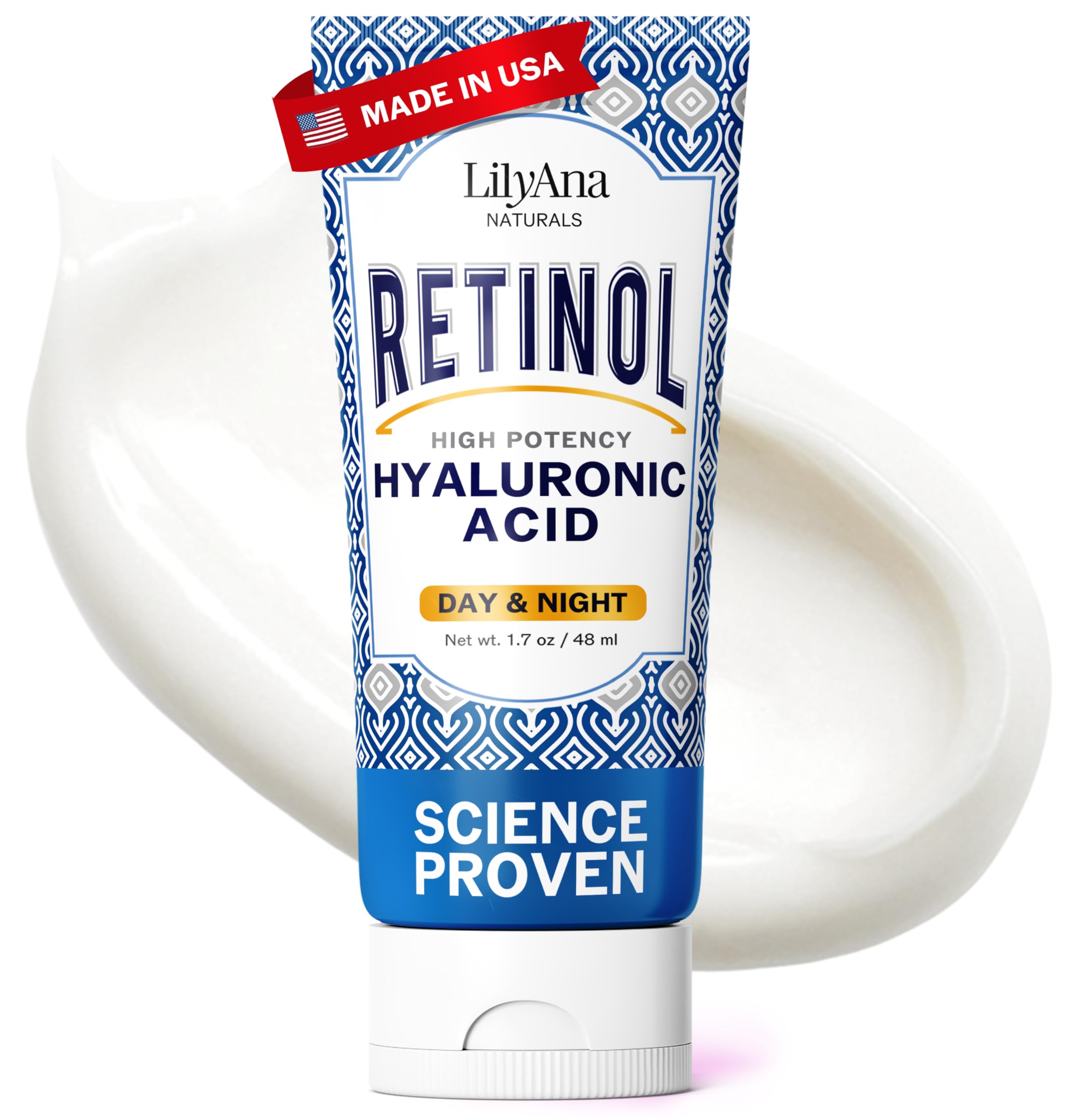
LilyAna Naturals Retinol Cream

LilyAna Naturals Retinol Cream

Dry skin

Our Score 8.8/10
Check Price

Worth Noting

  • Can trigger dermatitis or breakouts on reactive skin
Use
Face and neck
Size
2.08 oz
Formula
Vegan, no artificial fragrance
Key Actives
Retinol, hyaluronic acid, vitamin E

Most retinol products stop at the jawline; this one is explicitly for the face and neck, which is useful if you are treating crepiness or lines lower down at the same time. It is a rich cream with retinol, hyaluronic acid, and vitamin E, and the formula is vegan with no artificial fragrance. The texture is the reason it earns a place: it is creamy and silky rather than watery, so it suits dry skin that wants moisture with its retinol.

The 2.08-ounce size is generous for a retinol face cream, and using it on the neck makes that size useful rather than excessive. A little goes a long way, especially if you are using it two or three nights a week. It is not the product for someone who wants a lightweight serum; this is a cream, and it behaves like one.

We see it as the comfort pick in this group. The brand calls it gentle enough for sensitive skin, and the overall experience is positive on moisturization and softness, with little to no scent. If your skin is dry and resilient, it is a pleasant nightly option. That face-and-neck coverage is the detail that separates it from the serums here.

Bottom line: A creamy face-and-neck retinol for dry skin that wants moisture and a soft, fragrance-free finish.

6

The Ordinary Granactive Retinoid

The Ordinary Granactive Retinoid

Retinoid alternative

Our Score 9.2/10
Check Price

Worth Noting

  • Runny texture can turn tacky
  • Scent is divisive
Use
Evening
Size
1 fl oz
Texture
Emulsion
Key Active
2% Granactive Retinoid

Granactive Retinoid is a different starting point. It uses hydroxypinacolone retinoate, a next-generation retinoid, rather than retinol, and The Ordinary adds Tasmannia lanceolata extract as an anti-irritant. The result is a moderate-strength emulsion designed to improve texture and elasticity with less of the irritation usually associated with retinol. For a beginner who has already stung from a traditional retinol, or who likes a milky, layerable texture, it is a smart detour.

We do not position it as the universal first step, because the beginner instructions and the evidence are less explicit than CeraVe's or La Roche-Posay's. It is also a commitment to a different retinoid, not a way to test whether classic retinol suits you. Still, at the budget end of this group, it is the one we reach for when someone wants retinol-like results but cannot tolerate the real thing. It layers well under moisturizer, and the anti-irritant is a thoughtful touch for reactive skin.

Bottom line: A gentle retinoid alternative for beginners who want anti-aging benefits without a classic retinol formula.

7

celimax Retinol Shot Serum

celimax Retinol Shot Serum

Texture focus

Our Score 9.2/10
Check Price

Worth Noting

  • Can sting or itch on reactive skin
Size
1.01 fl oz
Focus
Wrinkles, pores, elasticity
Formula
Hypoallergenic, dermatologist-approved
Key Actives
Pure retinol, 9 peptides

The K-beauty shelf contributes a lightweight pure-retinol serum with a peptide complex, and the texture is the first thing we notice: it is thin, fast-absorbing, and easy to layer under a moisturizer. It leaves no greasy residue, which is not a given with retinol emulsions. If you want a serum that feels more elegant than a cream, this is the one to consider.

The brand describes it as hypoallergenic and dermatologist-approved for sensitive skin, and the nine peptides are there to support firmness and elasticity. Pure retinol is still pure retinol, though, so the formula demands a slow start even if the texture feels gentle. It is designed for people who already have a routine and want to add a retinol step without a heavy cream.

The formula does not spell out a concentration, which makes it harder to judge strength against the CeraVe and La Roche-Posay options. That is a real gap for a beginner comparing labels. The light texture is still the draw, and the peptide list gives it a point of difference.

We treat it as an also-consider for someone who already likes K-beauty textures and is willing to start slowly, not as the safest first purchase for reactive skin. It is a reasonable step up once you know your skin tolerates retinol, but it is not the place to begin if you are unsure. The elegant finish is what keeps it in the conversation.

Bottom line: A lightweight K-beauty retinol serum for texture-focused beginners who want peptides and an elegant finish.

How We Tested 14 Beginner Retinols

We built the shortlist from the entry-level shelf, from drugstore pricing up through the mid-range serums and creams, filtering for a modest retinol or retinoid percentage and formulas buffered with niacinamide, ceramides, or hyaluronic acid. Anything that paired retinol with a strong exfoliating acid or listed fragrance high in the ingredients got cut before testing began.

Fourteen formulas went home with testers, including two people with genuinely sensitive, easily flushed skin and one who had never used a retinoid at all. Every tester ran a five-night patch test along the jaw before going full-face, then applied it two or three nights a week, logging stinging, tightness, and any flaking in a shared note as we built up frequency.

All of it happened at night, in ordinary bathrooms, layered into a normal routine of cleanser, serum, moisturizer, and a morning sunscreen. We timed how long each formula took to sink in, checked whether it pilled under moisturizer or makeup, noted tacky or gritty residue, and felt our skin at 7 a.m. the next day to see whether it was plump or tight.

Every two weeks we took photos in the same window light to compare tone and any lingering redness, and we tracked how far a bottle stretched at the proper two-pump dose so we could judge cost per month rather than cost per ounce. We were honest about enjoyment too: the smell, the packaging, whether we still reached for it on a tired Tuesday. The ones that made the list softened skin without a single angry morning.

How to Choose a Beginner Retinol

Strength and Delivery Matter More Than the Number

For a first retinol, encapsulated or gradual-release formulas are the safer bet because they meter out the active instead of delivering it all at once. That is the logic behind our top pick and the La Roche-Posay serum. A pure retinol can still work, but it asks you to start at two nights a week and build slowly. If you have already stung from a traditional retinol, a next-generation retinoid like The Ordinary Granactive is a reasonable detour rather than a failure.

Choose a Format You Will Actually Use

Serums are easy to layer and suit oily or combination skin; creams add moisture and simplify the routine. If your main concern is post-acne marks and texture, a fluid with niacinamide like CeraVe Resurfacing is the natural fit. If dryness or sensitivity leads, a cream like Good Molecules or LilyAna gives you more cushion. The best format is the one you can apply consistently without needing three extra steps.

Barrier Support Is the Beginner's Safety Net

Ceramides, niacinamide, hyaluronic acid, and squalane do not make retinol stronger; they make the adjustment easier. We prioritise fragrance-free formulas for first-timers because a scent you love can still be the thing that stings. Look for a short routine: cleanser, retinol, and moisturizer. If a product already includes a cream base, you may not need a separate night cream.

Start Slower Than the Label Suggests

The trap is treating retinol like a nightly serum from day one. Start with two nights a week, use a pea-sized amount for the full face, and put moisturizer over it. If your skin stings, flakes, or turns red, back off rather than powering through. After two or three calm weeks, add a third night; rush the ramp-up and you will spend more time repairing your barrier than treating texture.

Frequently Asked Questions

Final Verdict

For most first-time retinol users, CeraVe Retinol Serum with Niacinamide & Hyaluronic Acid is the one we recommend: encapsulated slow-release retinol, fragrance-free, and buffered with ceramides and hyaluronic acid. It is the easiest pick to use consistently, which matters more than a dramatic-sounding percentage.

If your skin is sensitive and you want a more refined serum, La Roche-Posay Retinol B3 is the upgrade. If you prefer a cream, choose Good Molecules Gentle Retinol Cream; if post-acne marks are the target, CeraVe Resurfacing Serum is the budget route. The deciding question is whether your priority is tolerance, texture, or marks, not which product looks strongest on paper.