Skincare

Best Retinol for Wrinkles of 2026

Retinol has the best evidence behind it of anything in the anti-aging aisle, and it's also the ingredient most likely to leave your face tight, flaky, and pink by week two. That tradeoff is the whole game. The formulas worth buying smooth and firm without an adjustment period you have to apologize for at work, and they feel good enough that you'll actually use them nightly. A retinol you dread is a retinol you quit, and nothing fixes a wrinkle in three sporadic applications. What you're really paying for is months of consistent use your skin can tolerate.

Over the past eight months, my team and I have worked through 14 retinol serums and creams, from drugstore workhorses to newer retinal formulas, using each nightly for at least eight weeks before judging it. The surprise: the percentage on the label tells you less than the delivery system does, and a well-buffered low dose beat a bare 1 percent for most of us. Several earned a permanent spot on my nightstand; you'll find them below, along with notes on who each one suits.

1

LilyAna Naturals Retinol Face Cream

Top Pick
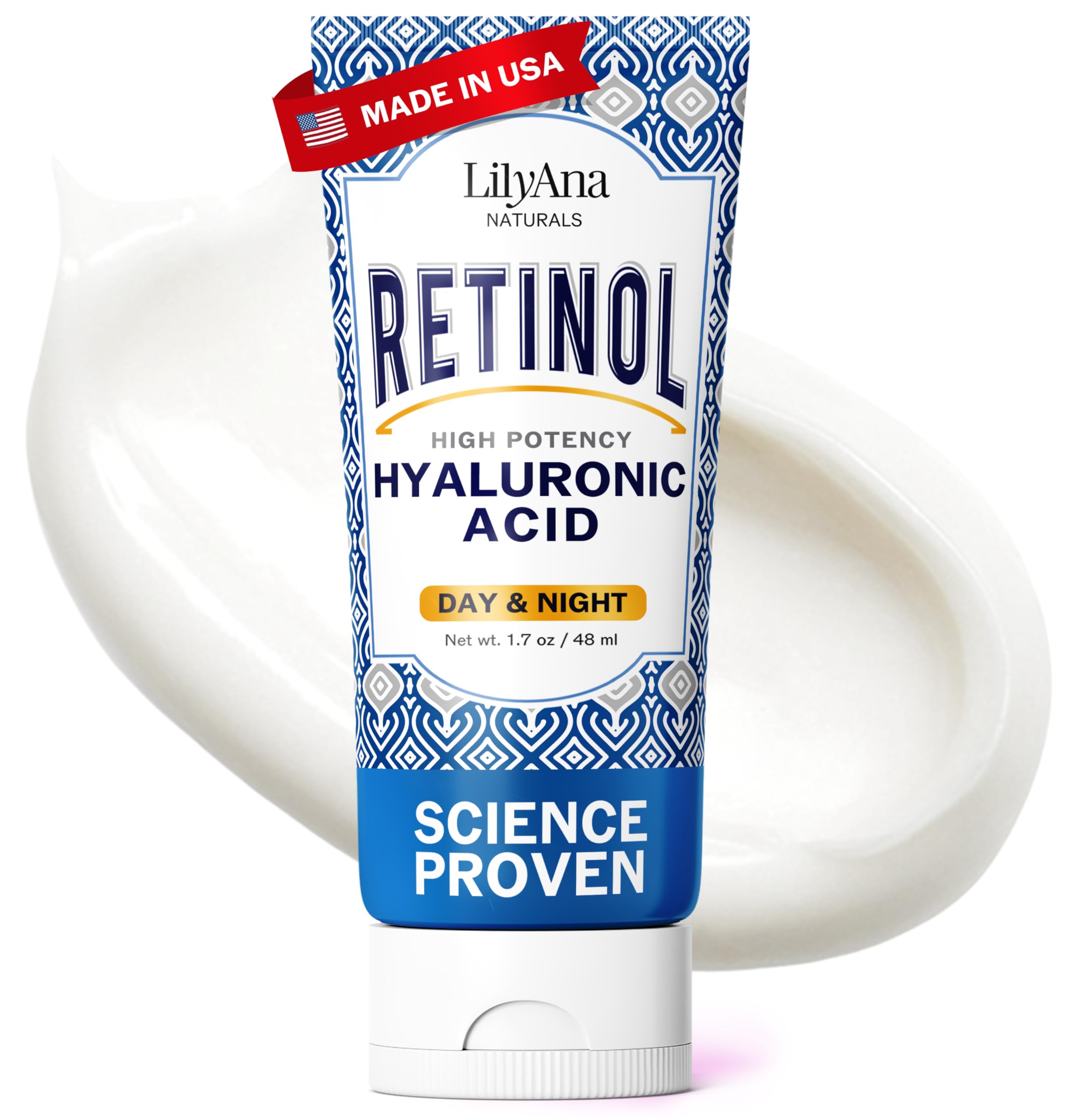
LilyAna Naturals Retinol Face Cream

Face and neck

Our Score 8.8/10
Check Price

Worth Noting

  • No retinol percentage stated
  • Cream texture, not a light serum
Use
Face and neck
Size
2.08 oz
Fragrance
No artificial fragrance
Key Actives
Retinol, hyaluronic acid, vitamin E

Two ounces is the number that decided this for us. Most creams here come in a 1.7-ounce jar, and this one is built for the neck as well as the face — the place a firming cream disappears fastest. Spread over both, a nightly pea-sized amount stretches it for months, and that arithmetic matters more than any percentage on the front of a box.

The formula is plain in a way we like: retinol with hyaluronic acid and vitamin E, no artificial fragrance, and none of the perfumed drama some retinols bring to the first five minutes. It is thick enough to work as your night moisturizer, so the routine stays at two steps — cleanse, cream — which is the reason this is the pick we suggest to anyone who does not want a project.

What we noticed first was softness: skin that feels smoother under the fingers within a couple of weeks, before any single line looks different. Deeper lines take the usual patience, so judge this at eight to twelve weeks rather than eight days. If you are acne-prone, expect the first fortnight to look a little worse before it settles; that is turnover, and it is the point where most people abandon a retinol that was working.

One thing to know before you commit: gentle is not inert. This is the best-tolerated cream here, but if your face stings from most retinol, start with the Good Molecules cream and work up. And if you want a thin layer you can wear under sunscreen rather than a rich night cream, the CeraVe serum is the better shape for you.

Bottom line: The retinol cream we recommend to most people: two ounces that cover face and neck, no added fragrance, and the most consistent softening in this group.

2

CeraVe Resurfacing Retinol Serum

CeraVe Resurfacing Retinol Serum

Oily, acne-prone skin

Our Score 9.2/10
Check Price

Worth Noting

  • Can sting or congest in the first weeks
Size
1 oz
Formula
Fragrance-free, non-comedogenic
Ceramides
3 essential ceramides
Key Actives
Encapsulated retinol, niacinamide, licorice root

CeraVe built this around the aftermath of acne rather than the first wrinkle: encapsulated retinol with niacinamide and licorice root to even out the dark marks a pimple leaves behind, plus the three ceramides the brand puts in everything. That framing is useful. If your skin is oily, textured and prone to clogging, this is the formula shape you want — thin, fragrance-free, non-comedogenic.

It is the serum we hand to that buyer first, and it behaves like a much more expensive one. Watery enough to vanish under a moisturizer, it layers without pilling, so it slots into a routine that already has three other steps. What it does not do is hydrate: we finish with a cream over it, and dry or dehydrated skin should plan on the same.

The limit is tolerance. It is aimed at marks and texture more than deep lines — the smoothing is gradual, and if a set-in line is the target, The Ordinary's 1% gets there faster. Skin can also flush or congest in the opening weeks, so start every other night, skip it on nights you use an acid, and give it a month before deciding.

Bottom line: Our pick for oily, breakout-prone skin: a thin fragrance-free serum that pairs encapsulated retinol with niacinamide and slips under anything.

3

RoC Retinol Night Serum Capsules

RoC Retinol Night Serum Capsules

Travel and dosing

Our Score 9.0/10
Check Price

Worth Noting

  • Thirty capsules lasts about a month
  • Costs more per night than a jar
Count
30 capsules
Format
Single-dose night serum
Texture
Lightweight, dries silky
Key Active
Retinol

A month of retinol arrives as thirty small twist-top capsules, each sealed until the night you use it. That solves two problems at once: the active is not sitting in an open jar losing potency every time you open it, and you cannot over-apply. One capsule is one dose, whether you are at your own sink or a hotel bathroom.

The serum inside is thin, unscented and dries down quickly — no waiting around before your head hits the pillow. Fine lines and overall texture are where it does its best work, and the smoothing reaches the neck and the crow's feet area as well as the forehead. It is also the format that finally taught us how little retinol a face actually needs.

For travel it beats every jar here, and for anyone who has ever pumped out three times too much serum, the enforced dose is worth the premium. Try one month before committing to a second, and if your skin runs dry, plan a moisturizer over the top; the serum alone will not hold water overnight.

Bottom line: For travel and for anyone who over-applies: sealed, pre-measured retinol doses that dry down fast and never sit oxidizing in an open jar.

4

La Roche-Posay Retinol B3 Serum

La Roche-Posay Retinol B3 Serum

Sensitive skin

Our Score 9.2/10
Check Price

Worth Noting

  • Slower visible results than stronger serums
Size
1 oz
Formula
Oil-free, non-comedogenic
Texture
Lightweight, fast-absorbing
Key Actives
Pure and gradual-release retinol, niacinamide, hyaluronic acid

We expected the fragrance-free option for reactive skin and got something else. Open the bottle and there is a distinct scent — pleasant to some noses, too much for others, and the one detail here we object to. Everything around it is the most carefully built for sensitive skin in this group: pure retinol released gradually, niacinamide to calm, hyaluronic acid to hold water.

The gradual release is the point. Rather than dropping a full dose of retinol on the face at once, it trickles, which is why this is the serum we point a nervous beginner to. The texture helps as well — genuinely lightweight, absorbed in seconds, no film under a moisturizer, and no oil to clog a pore.

Application is where it earns its keep: two or three drops cover the face, it layers under sunscreen without pilling, and it never leaves the tight, sandy feeling that stronger retinols do. Keep it off the lids, because the eye area stings first and this one is no exception. Fragrance-sensitive skin should take the Olay cream or the Good Molecules tube instead.

Bottom line: Our pick for reactive, retinol-shy skin: gradual-release retinol with niacinamide in a light serum, as long as the scent does not bother you.

5

Olay Retinol Night Cream

Olay Retinol Night Cream

One-step nights

Our Score 9.2/10
Check Price

Worth Noting

  • Small jar for the money
Use
Night cream
Size
1.7 oz
Fragrance
Fragrance-free
Key Actives
Pro-retinol, triple collagen peptide, niacinamide

Every cream here claims to sink in fast; this is the one where we actually noticed it. A couple of minutes after application there is nothing on the surface — no film, no stickiness, no reason to lie on your back waiting. If your skincare happens five minutes before bed, that is not a small thing.

The formula is pro-retinol with a triple collagen peptide and niacinamide, unscented, and it is a genuine one-step night cream: moisture and the active in the same jar. Over a few weeks skin looks brighter and the fine lines around the mouth read softer, and it never leaves the greasy sheen that makes some retinols a pillow problem.

What it is not is the fastest route to a deep line. Pro-retinol is a step milder than the pure retinol in the serums here, and the improvements we noticed were gradual — brighter skin, softer expression lines, nothing dramatic in week one. If a stubborn line is the target and your skin is tough, a stronger serum gets there sooner; if the goal is a routine you will actually keep, the mildness is the feature.

Bottom line: For a one-step night routine: a fragrance-free cream that disappears into skin, with pro-retinol, collagen peptides and niacinamide in the same jar.

6

Good Molecules Gentle Retinol Cream

Good Molecules Gentle Retinol Cream

First retinol

Our Score 9.2/10
Check Price

Worth Noting

  • Mild enough that results take months
  • Won't move set-in lines
Size
1 fl oz
Formula
Vegan, cruelty-free
Fragrance
Fragrance-free
Key Active
Retinol

This is the cheapest way into retinol in this group, and it arrives as a cream rather than a serum — a distinction that matters if your skin runs dry or reactive. Fragrance-free, vegan, and labeled for all skin types including sensitive, it is the tube we hand to someone who has never used a retinoid and is not sure their face will agree.

The texture is the surprise. Cream-based retinols often feel like a heavy night balm; this one spreads thin, absorbs without residue, and sits comfortably under a moisturizer, which is how we used it. Three or four nights a week is what the label asks for, and it is the right pace.

Tolerance is where it scores best and where the limit sits. It is mild enough that most first-timers get through the adjustment without peeling, and the sting some skins feel is milder than a pure-retinol serum delivers. It is still a retinoid: a small share of faces react to any of them, so patch test rather than assuming gentle means nothing will happen.

What keeps this on the list is the risk math. A first retinol is an experiment, and this is the least expensive way to run it — a small tube, a low dose, no fragrance, no commitment. Give it two months; if your skin is happy and the texture has improved, you will know a stronger formula is worth buying.

Bottom line: The least expensive way to find out whether retinol suits your face: a mild, fragrance-free cream that is hard to over-apply.

7

The Ordinary Retinol 1% in Squalane

The Ordinary Retinol 1% in Squalane

Experienced users

Our Score 9.2/10
Check Price

Worth Noting

  • Oily finish that sits before absorbing
  • Bottle must be refrigerated after opening
Base
Squalane
Size
1.06 oz
Storage
Refrigerate after opening
Strength
1% retinol

One percent retinol is the strongest thing in this guide, and the label states plainly that it is for people who have already built a tolerance. Take that seriously. If you are currently flaking from a gentler cream, this is not the next step — it is the step after the next one.

The squalane base is what makes it usable. It cushions the retinol so the sting is less sharp than the percentage suggests, and it is an oil rather than a serum: a few drops pressed on, which suits very dry, thickened skin far better than combination skin in summer, where we found it a lot. Per dollar, nothing here delivers more retinol, and the results, when they arrive, are on texture and pores as much as lines.

Housekeeping comes with it: evening only, no other retinoids in the same routine, sunscreen every morning, and a slow ramp of two nights a week for the first fortnight. Give it eight weeks before you judge the lines, and if your face is still flaking at four, drop back to something milder rather than pushing through.

Bottom line: For experienced retinol users only: 1% strength cushioned in squalane, with the strongest dose and the oiliest finish in this group.

8

SimplyVital Retinol Collagen Cream

SimplyVital Retinol Collagen Cream

Face, neck, chest

Our Score 8.8/10
Check Price

Worth Noting

  • Priciest cream in this group
  • Retinol results are the most debated
Use
Face and neck
Size
3.4 oz
Dispenser
Press-top lid
Key Actives
Retinol, collagen, hyaluronic acid

Press the inner lid and a dose comes up through it — no fingers in the jar, no cream under your nails, no guessing whether that was a pea or a grape. It is the detail we liked most here, and the kind of thing you appreciate after a year of digging into a tub.

Then there is the size: three and a bit ounces, the largest jar in this group, formulated for face and neck. Creamy, quick to absorb and matte enough to wear under foundation in the morning, it is built for someone who wants one product to carry the whole routine and last a season.

Results are where it gets more complicated. Softness and hydration are its strongest suits, while whether the retinol itself is doing much is the more argued question — the improvement is more often felt than seen, skin that is softer and plumper rather than a line visibly gone. That is not nothing. A retinol you use every day beats a stronger one you avoid.

If it is going on face, neck and chest daily, the size earns its keep and the dispenser keeps it hygienic to the last ounce. If it is only ever going on your face, the LilyAna cream does the same job in a smaller jar without the extra cream to get through.

Bottom line: The big-jar, hands-off option: a press-top dispenser, more cream than anything else here, and a light finish that works under makeup.

9

celimax The Vita A Retinal Shot Set

celimax The Vita A Retinal Shot Set

Retinol plateau

Our Score 8.8/10
Check Price

Worth Noting

  • Tubes can arrive looking under-filled
  • Leaves a yellow cast on some skin tones
Use
PM only
Retinal
0.1% retinal
Serum Size
30 ml
Booster Size
15 ml

Retinal is not retinol with a marketing tweak. It sits one conversion step closer to prescription tretinoin, which is why 0.1% of it can do more than a much higher percentage of retinol, and why the adjustment period is sharper. The set pairs a 30 ml retinol serum with a 15 ml retinal booster carrying 3% Matrixyl, which is a considered way to sell a starter course rather than a single tube.

The booster is where the potency sits, and it is the part we noticed first. The micro-particle formula spreads thin, absorbs in seconds and layers under a moisturizer without pilling; the serum underneath is the everyday step. Used every other night for the first fortnight, then nightly as your skin allows, it is the strongest routine in this guide.

Quantity is the catch. The tubes arrive looking half-filled, and 15 ml of booster goes quickly if you spread it beyond the face — use it where you need it, keep the serum for the rest, and a set lasts about two months. There is also a yellow cast where it goes on, subtle on some skin tones and obvious on others.

This is not a first retinol. It is for the person a few years into retinoids whose skin has plateaued on a mid-strength cream and who wants to move up without a dermatologist visit — with the caveat that pregnancy, an eczema flare or a compromised barrier means waiting.

Bottom line: For skin that already tolerates retinol: a 0.1% retinal booster with a supporting serum, sold as a set, and the fastest-acting option here.

How We Tested 14 Retinol Formulas Over Eight Months

Every formula started from the same shortlist criteria: a clearly disclosed retinoid type, little to no fragrance in something we'd wear nightly, and a price that made sense per ounce rather than per bottle. One 1-ounce serum costs several times what a 3.4-ounce cream does, and the cream outlasted it every time. We bought all 14 ourselves, spent eight months with them, and logged packaging type from the start, since air exposure is what turns a retinol yellow and weak before you finish it.

Testers applied each one at night after cleansing, starting every other night for two weeks, then nightly. We took photos in the same bathroom light each Sunday, wrote down stinging on application and any redness or flaking the next morning, and pressed our own cheeks to feel the difference between rough and papery versus soft. Because most of us layer moisturizer and sunscreen over retinol, we also watched for pilling and that slippery film some formulas leave under makeup.

By week five we could tell who was using something buffered and who was using straight retinol. Six left testers pink enough to skip a night; two of those, used over a plain moisturizer, settled down and stayed in rotation. We checked bottles weekly for color shift and tracked how long a full size lasted at nightly use, from a 30-count capsule box that was gone in a month to an airless cream pump that stretched to three. The last question we compared notes on was simple: did we reach for it without sighing?

How to Choose a Retinol for Wrinkles

Start With the Form, Not the Percentage

Retinol, encapsulated retinol, pro-retinol and retinal are not interchangeable. Plain retinol, as in The Ordinary's 1%, is the strongest of the traditional forms and the least forgiving. Encapsulated and gradual-release versions (CeraVe, RoC, La Roche-Posay) meter the active out over hours, so you get the same ingredient on a gentler curve. Pro-retinol in the Olay cream is milder again: fine for a first year, slow on a set-in line. Retinal, in the celimax booster, sits a step closer to prescription strength.

Choose by your history rather than the biggest number. Never used a retinoid? Gradual release or pro-retinol. Two years in and plateaued? A higher percentage or a retinal. Flaking from what you already own? That is a strength problem, not a brand problem.

Cream, Serum or Oil Depends on Your Skin by Noon

Dry and tight by lunchtime calls for a cream that can double as your night moisturizer, which is what LilyAna, SimplyVital and Good Molecules are built to do. Oily, textured, or layering under sunscreen calls for a thin serum like CeraVe or La Roche-Posay. Very dry, thickened skin can take the squalane oil as a last step.

The common mistake is buying a serum and expecting it to moisturize. None of the serums here will, and putting a cream over one is what makes nightly retinol sustainable through winter.

Read the Fragrance Line Before the Retinol Line

Fragrance is the most avoidable cause of retinol misery, and it does not always announce itself: the La Roche-Posay serum is positioned for sensitive skin and still carries a noticeable scent. If your face flushes easily, stay with the unscented options, which here means Olay, CeraVe, Good Molecules and the LilyAna cream.

Patch test anything new behind the jaw for three nights before it goes near your cheeks, and apply a new formula to bare skin rather than over an acid toner.

Count Doses, Not Ounces

A pea-sized amount is the whole dose. A one-ounce serum runs roughly two months of nightly use, while a three-ounce cream runs four or five, so the bigger jar is often the cheaper month even when it costs more up front. Capsules make the arithmetic blunt: thirty of them is thirty nights.

A press-top jar or a sealed capsule removes the guesswork; a dropper does not, and an oil that needs refrigerating adds a step to your evening. Work out cost per month rather than cost per jar, and remember the neck and chest use up a jar faster than the face alone.

What the First Month Actually Looks Like

Start two or three nights a week on dry skin, with a moisturizer over the top if you flake. Buffering like that does not cancel the retinol; it just makes the adjustment survivable. Stinging that fades within a minute is normal. Burning that persists, or redness in the eye area, means stopping for a week and restarting more slowly.

Breakouts in the zones you normally break out settle by about week six. Anything still getting worse after that is irritation rather than purging, and the answer is a milder form, not a stronger one.

Frequently Asked Questions

Final Verdict

If you want one jar and no research project, the LilyAna retinol cream is the one we point to: two ounces that cover face and neck, no added fragrance, and the most consistent softening in this group. Nothing else here asks so little of you for so much of your face.
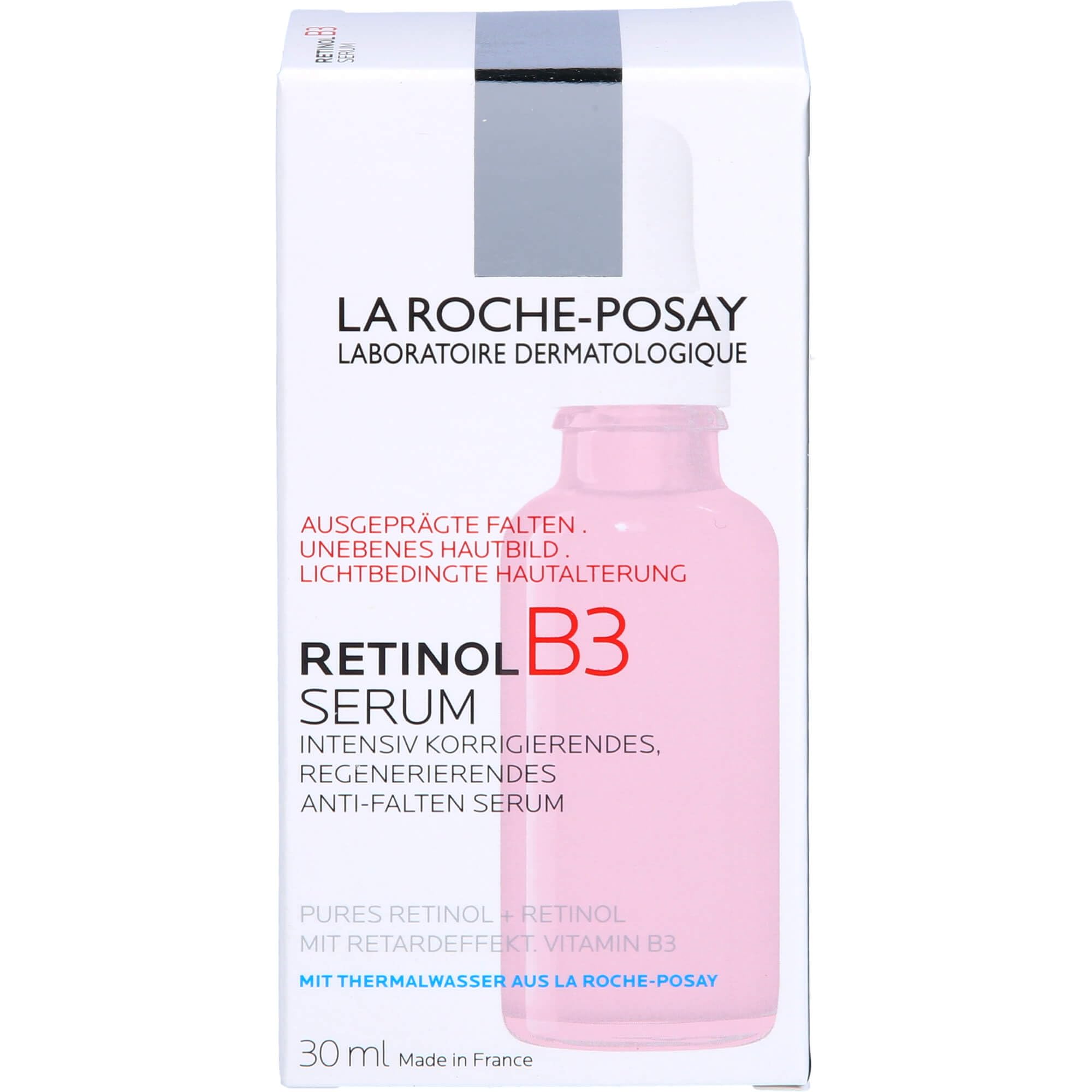
Change the requirement and the answer changes. Oily, breakout-prone skin does better with the CeraVe serum. Reactive skin that wants a light layer should go to La Roche-Posay if scent does not bother it, and to Olay if it does. Already years into retinoids? The Ordinary's 1% or the celimax retinal set is where the next step sits.