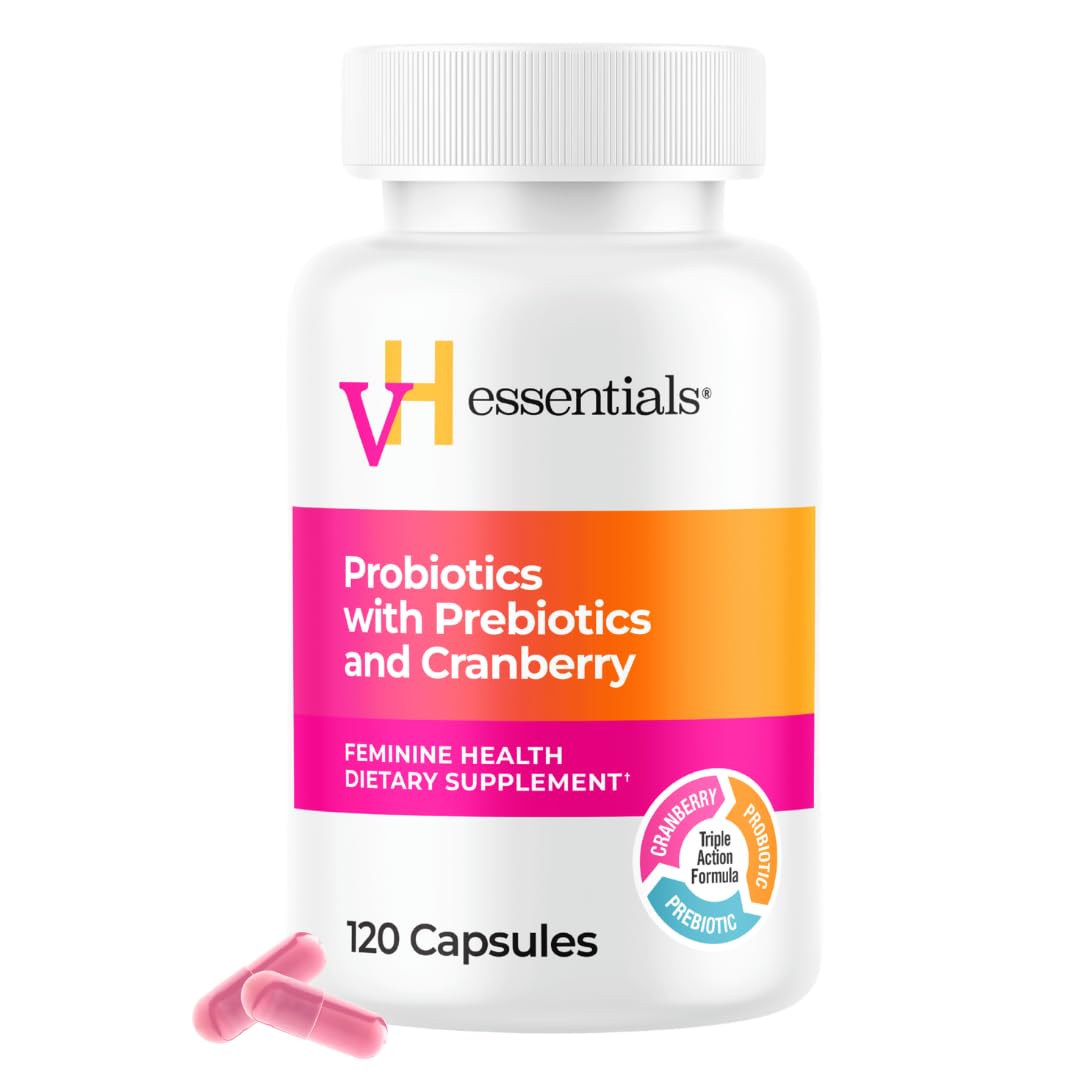
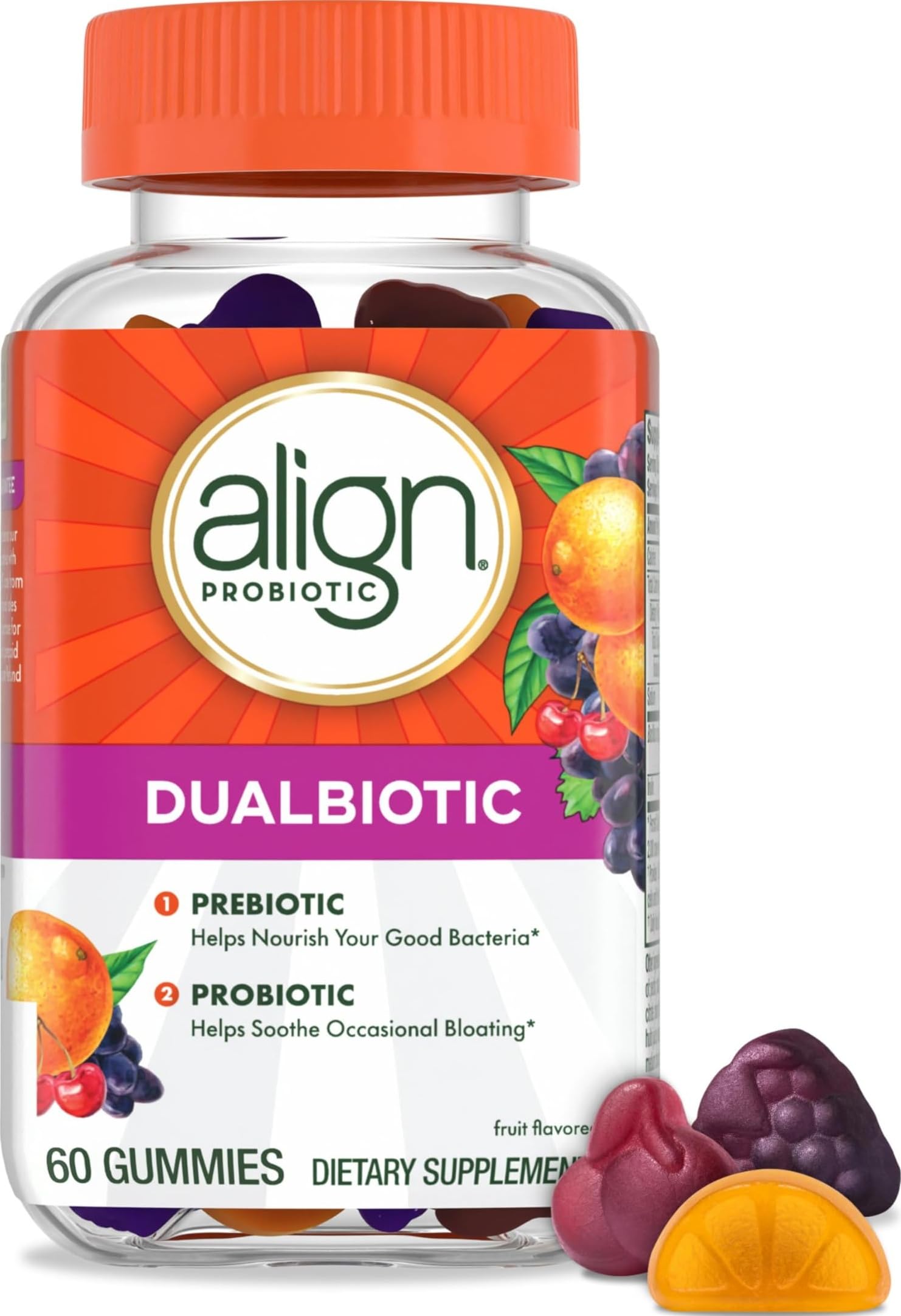
We started with every women's formula we could find that published a full strain list, since a label that won't name its strains can't be checked against anything. From there we narrowed by CFU count, whether a prebiotic showed up in the ingredients at a dose worth taking, whether the capsule was delayed-release or shelf-stable, and cost per serving. Formulas that demanded refrigeration stayed in the running but got flagged, because a bottle that dies in a warm car or a checked bag isn't much use. That left 14, ranging from standard capsules to pearls and fruit-flavored gummies.
Each one got a full course, taken at the same time every morning with breakfast, and we logged what happened in the first three weeks against what happened after: gas, bloating, regularity, and whether anything changed at all. Ease of use got its own scrutiny — capsule size against a normal swallow of water, whether a gummy tasted like candy or like a chewable vitamin, how the bottle smelled the first time we opened it (a couple were noticeably sour, one gummy smelled like fruit snacks), and whether it could be tossed in a carry-on for a weekend without a cooler.
Because a supplement is a subscription in disguise, we calculated cost per day rather than per bottle and asked at the end whether we'd spend our own money on another. Anyone who had a rough first week got notes on whether it settled by day 21 or never did, and that split turned out to be the most useful thing we recorded — several formulas that felt fine on day two were the ones that wore thin by week six.