Skincare

Best Moisturizers for Combination Skin of 2026

Combination skin is really two faces in one: an oily forehead and nose, plus cheeks that can feel tight and flaky by midweek. Most moisturizers pick a side — rich creams that leave your T-zone slick by lunch, or watery gels that disappear before the dry patches are satisfied. The formula that actually earns a spot on your shelf has to do the harder thing: keep both zones comfortable at once, sink in without a fight, and still feel like skin and not a coating four hours later.

I have combination skin myself, so I've learned the hard way that week one is never the verdict — irritation and clogged pores tend to show up later. My team and I spent five months rotating 14 formulas through our morning and evening routines, and the keepers all shared a few habits: they absorbed quickly, stayed matte where it counts, and never stung. A moisturizer you need three pumps of to feel anything isn't a good deal either, so we paid attention to that. The picks below held up across humid weeks and dry office air alike.

1

CeraVe PM Facial Moisturizing Lotion

Top Pick
CeraVe PM Facial Moisturizing Lotion

Everyday combination skin

Our Score 9.4/10
Check Price

Worth Noting

  • Small 3 oz tube for twice-daily use
  • No SPF, so add sunscreen by day
Size
3 oz
Formula
Oil-free
Texture
Lightweight lotion
Key Ingredient
Niacinamide

Combination skin asks a moisturizer to do two opposite jobs: hold enough water to stop the cheeks flaking, and leave a nose that shines by lunchtime completely alone. This oil-free lotion is the one we recommend first because it takes the second job seriously. It is thin, it disappears within seconds, and it finishes close to matte rather than coated. Foundation sits on it without slipping, which is the test that separates a genuinely good facial lotion from a merely pleasant one.

Niacinamide is why it edges ahead of a plain moisturizer for this skin type. CeraVe includes it to help calm skin, and pairs it with a controlled-release delivery system designed to keep hydrating through the night instead of releasing everything in the first ten minutes. In practice, one application after cleansing carried us through a working day without the tight-cheek, shiny-nose combination creeping back.

The caveat is congestion. On skin that breaks out easily, this can be more than the T-zone wants, particularly in summer or layered under a serum. Use a thin layer at night for a week before you commit, and keep it off active breakouts. Where it has been unfailingly comfortable is normal-to-oily combination skin that is dehydrated rather than reactive, and cheeks that need something through winter.

Bottom line: Our default for combination skin: an oil-free, lightweight lotion with niacinamide that hydrates dry cheeks and leaves the T-zone matte rather than slick.
2

CeraVe Ultra-Light Moisturizing Lotion SPF 30

CeraVe Ultra-Light Moisturizing Lotion SPF 30

Morning sun protection

Our Score 9.4/10
Check Price

Worth Noting

  • Small 1.7 oz tube empties fast
SPF
Broad spectrum SPF 30
Size
1.7 oz
Finish
Matte, no white cast
Formula
Oil-free, fragrance-free

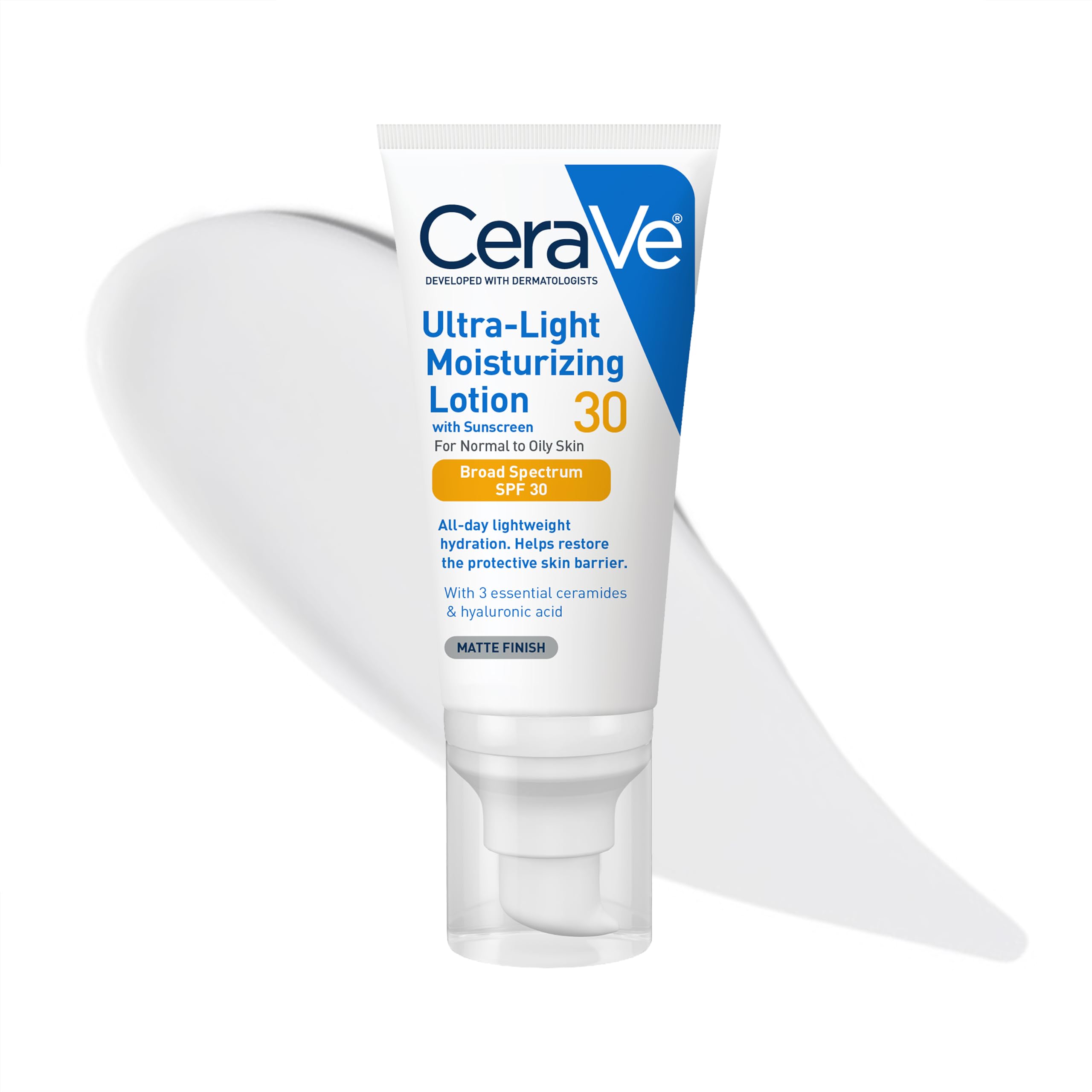
Most SPF moisturizers force a choice between protection and a finish you can live with: white cast, greasy shine, or a film that pills the moment foundation goes on. This one avoids all three. It is broad-spectrum SPF 30, oil-free, and it dries down matte without the chalky look that puts people off wearing sunscreen every day.

That finish is what makes it our morning pick for the oily half of combination skin. On humid days it stays put; on dry cheeks it is light enough to apply a second layer where you need it. We reach for it when the routine has to be one step, and it has never been the reason a makeup look went wrong.

One practical note: it is an SPF, so it can sting if you sweep it too close to the lash line. Pat it around the eyes instead and keep a separate eye cream for that area. Elsewhere it behaves like a normal lotion, with no waiting around and no residue transferring onto a phone screen. It is also fragrance-free and non-comedogenic, which is the least combination skin should ask of a daily sunscreen.

Bottom line: The morning pick: SPF 30, oil-free, matte and without a white cast, so combination skin gets protection and a light moisturizer in one step.

3

Vanicream Daily Facial Moisturizer

Vanicream Daily Facial Moisturizer

Reactive, sensitive skin

Our Score 9.2/10
Check Price

Worth Noting

  • No niacinamide or tone-focused actives
Size
3 fl oz
Texture
Lightweight lotion
Free From
Fragrance, dyes, lanolin, essential oils
Key Ingredients
Hyaluronic acid, 5 ceramides

The back of the Vanicream box is the pitch: no fragrance, no dye, no lanolin, no parabens, no botanical extracts, no essential oils. For combination skin that reddens or breaks out at the first sign of a scented cream, that short list is worth more than any hero ingredient. We keep it as the safe answer for anyone whose skin has reacted before. It is the least eventful moisturizer here, and that is exactly the point.

Inside is hyaluronic acid and five ceramides in a light, pH-balanced lotion carrying the National Eczema Association seal. It absorbs quickly and leaves nothing behind, so sunscreen and makeup go on over it without drag. It is genuinely scent-free rather than masking a smell with something else.

Where it runs out of road is a very dry cheek in February. It is a lotion, not a cream, so we layer it twice on the dry half of the face and once across the T-zone, and that is how it earns a place in a combination-skin routine instead of sitting in a drawer. Relative to the other fragrance-free picks here, it is also the best value of the group.

Bottom line: The pick for reactive combination skin: fragrance-free and essential-oil-free, with hyaluronic acid and ceramides and nothing that tends to cause trouble.

4

Clinique Dramatically Different Moisturizing Lotion+

Clinique Dramatically Different Moisturizing Lotion+

Lightweight daily wear

Our Score 9.4/10
Check Price

Worth Noting

  • No SPF in the formula
Texture
Fast-absorbing lotion
Fragrance
100% fragrance free
Barrier Claim
+21% in 2 hours
Key Ingredients
Glycerin, urea

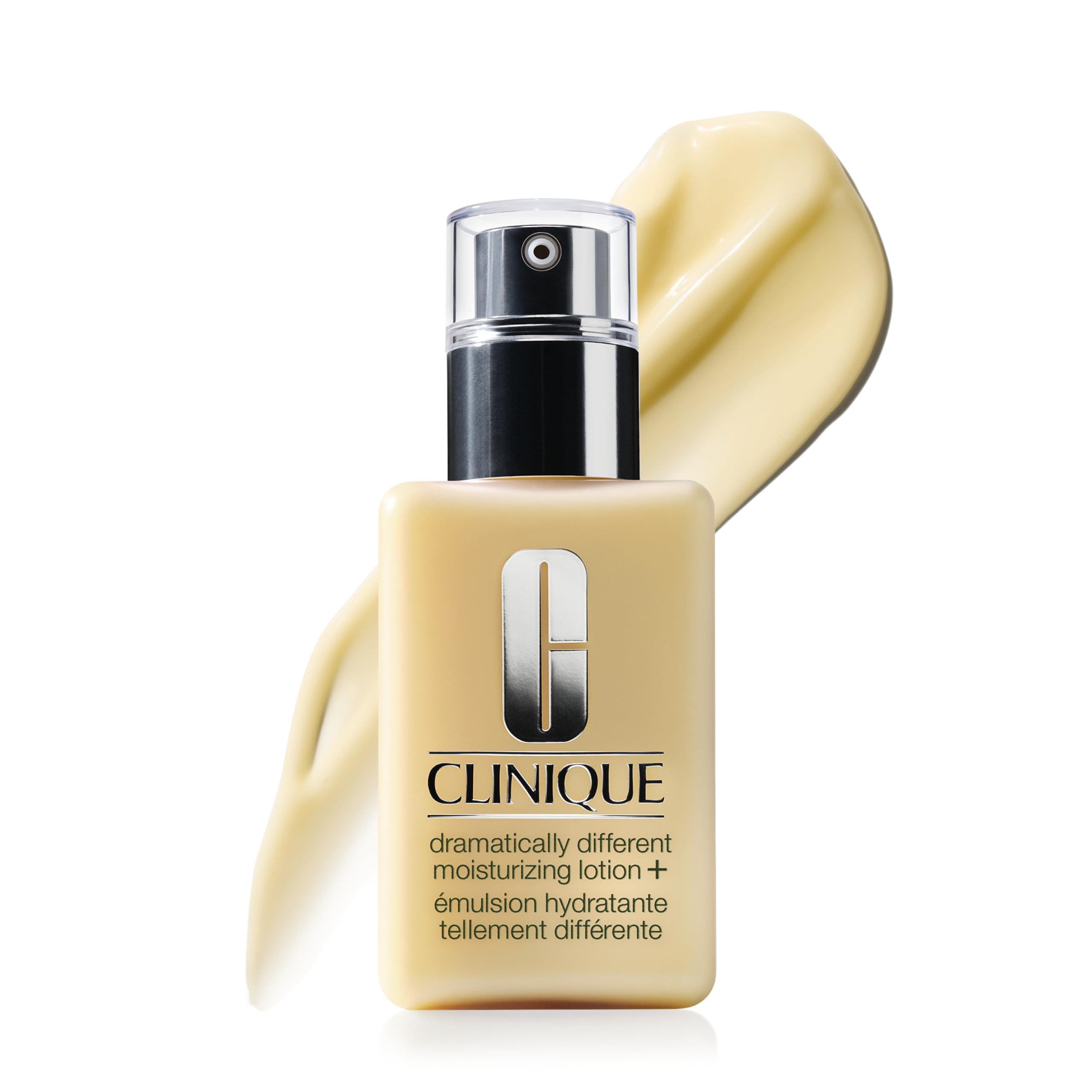
Barrier strength up 21% in two hours is the claim Clinique prints on the box, and it is a more specific promise than most lotions bother to make. The ingredients doing that work are plain: glycerin to bind water, urea to hydrate. So what you are paying for is how it feels going on, and this is where the lotion earns its reputation.

It is thinner than the word lotion suggests, absorbs almost on contact, and leaves a soft, almost powdery finish that does not fight foundation. It is 100% fragrance free, which matters if your combination skin is also sensitive, and a tiny dab covers the whole face. We hand it to people who find most creams too heavy by mid-morning, and it has yet to disappoint them.

This is the pick for someone who wants a featherweight lotion, a formula that has been through clinical testing, and a bit of polish in a routine that has to be quick. It will not do anything dramatic for blemishes or uneven tone. It hydrates, softens and strengthens the barrier, and it does those three things as nicely as anything on this page.

Bottom line: For anyone who wants a featherweight lotion with clinical backing and does not mind paying for the texture, this is the most pleasant formula here.

5

e.l.f. SKIN Holy Hydration! Moisturizer

e.l.f. SKIN Holy Hydration! Moisturizer

Tight budgets

Our Score 9.4/10
Check Price

Worth Noting

  • Dewier finish than the oil-free picks
Size
2.5 fl oz
Formula
Lightweight, non-greasy cream
Key Ingredients
Aloe, jojoba oil, vitamin E

The e.l.f. tube does most of what our top pick does for a fraction of the money: it is light, it sinks in fast, it does not leave a greasy film, and foundation goes over it without complaint. If budget is the deciding factor in your routine, this is where we point first.

The difference is in the extras. Aloe, jojoba oil and vitamin E give it a slightly richer, glowier finish than the oil-free lotions here, which is better on dry cheeks and a touch more shine by late afternoon on the nose. For combination skin that leans normal-to-dry rather than oily, that is a feature. There is a light scent too, noticeable for the first minute and then gone.

What surprised us is how little you need. A pea covers the face comfortably, so the tube keeps going well past the point where a thinner lotion would be finished. It layers under sunscreen without pilling, and it is the friendlier of the budget options through a dry winter. In a shine-prone July, the oil-free formulas still win.

Bottom line: The budget cream we recommend without a caveat about price: light, absorbent and generously sized, though it finishes dewier than the oil-free picks.

6

La Roche-Posay Toleriane Double Repair Face Moisturizer

La Roche-Posay Toleriane Double Repair Face Moisturizer

Compromised barriers

Our Score 9.2/10
Check Price

Worth Noting

  • Costs more than drugstore formulas with similar ingredients
Texture
Lightweight cream
Hydration Claim
48 hours
Key Ingredients
Ceramide-3, niacinamide, glycerin, prebiotics

Prebiotics are the part of this formula most shoppers skim past, and they are the reason it is here. The idea is to support the skin's microbiome while ceramide-3 and niacinamide rebuild the barrier; La Roche-Posay claims the barrier is restored in an hour and that moisture lasts 48. The clock claims are the brand's. What we can speak to is how it behaves on skin that has been over-exfoliated: soothing, quick to settle, and not the least bit stingy.

It is a lightweight cream rather than a gel, and it spreads further than the texture suggests. On a face that is tight across the cheeks and oily down the middle, that middle ground works: enough for the dry half, not so much that the T-zone rebels by mid-morning. Fragrance-free, which is the first thing to check when skin is already unhappy.

Our recurring annoyance is layering. Over a serum, or under certain sunscreens, it can pill, and the fix is timing rather than quantity: apply it to slightly damp skin and give it a minute before the next step. Once we adjusted, the pilling stopped.

So this is the one we suggest when combination skin is angry rather than simply mixed: flaking from a retinoid, red around the nose, still oily in the middle. It is a repair job first and a moisturizer second, and that is the gap it fills in this group.

Bottom line: Reach for this when combination skin is irritated rather than simply mixed: a barrier-repair cream that calms tight, flaky cheeks without greasing the middle.

7

COSRX Snail Mucin 92% Face Moisturizer

COSRX Snail Mucin 92% Face Moisturizer

Humid-weather hydration

Our Score 9.0/10
Check Price

Worth Noting

  • Sticky until it fully dries
Size
3.52 oz
Texture
Lightweight gel-cream
Key Ingredient
92% snail secretion filtrate

Snail secretion filtrate at 92% is the sort of ingredient you have to try before you believe, and the texture does not help the sales pitch: straight from the container it is a slippery gel that strings a little before it settles. What it does well is cool and calm.

It is a gel-type cream, so it spreads thinly and sinks in quickly, with a tacky minute or two before it dries down completely. Applied before makeup it is fine as long as you wait; rushed, it grabs foundation.

Hydration is where it splits, and our experience landed on the dry side: on a flaking cheek it is not enough on its own. Layered under a cream on the dry half of the face and used alone across the T-zone, it makes far more sense, and that is the combination-skin application we settled on.

This is the one we reach for in humid weather and on oily-leaning combination skin that wants something cooling after cleansing. The brand recommends a patch test and here we agree: snail mucin suits a lot of people and not everyone, and one night on the jaw tells you which group you are in.

Bottom line: A cooling gel-cream we like for oily-leaning combination skin in warm weather, as long as you layer something richer over the dry patches.

8

Dr.Althea 345 Relief Cream

Dr.Althea 345 Relief Cream

Redness and blemishes

Our Score 9.2/10
Check Price

Worth Noting

  • Half-ounce tube runs out fast
  • Tube gets hard to squeeze near the end
Size
0.50 fl oz
Texture
Silky cream
Key Ingredients
Niacinamide, ceramides, centella
Non-comedogenic
Clinically tested

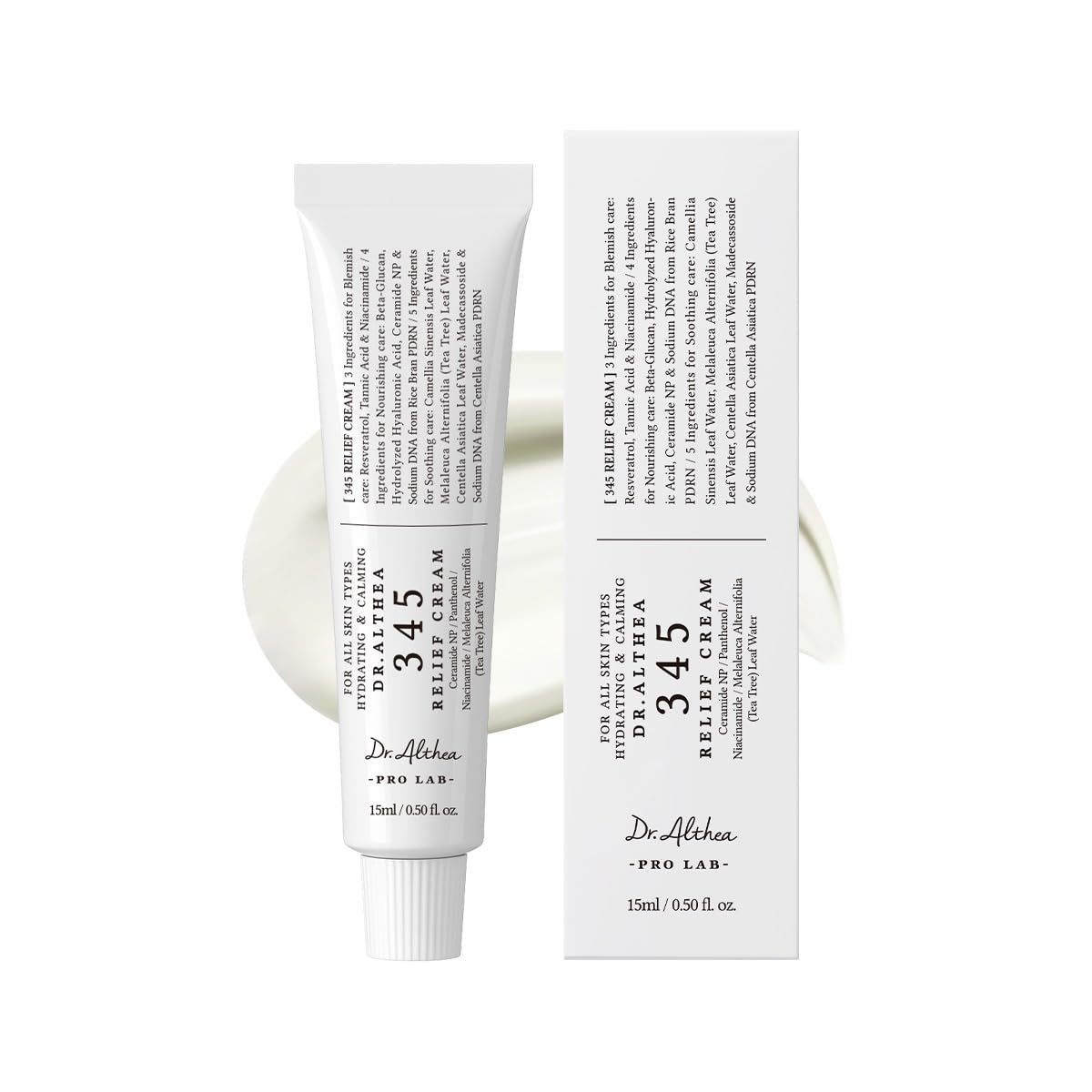
Most moisturizers pick a side, blemish care or barrier repair. This one splits the difference: niacinamide and plant extracts aimed at dark spots and uneven tone on one hand, ceramide NP, resveratrol and centella on the other. For combination skin that breaks out on the chin and flakes on the cheeks, that combination is the whole appeal.

The finish is where it surprises. It is called a cream and behaves closer to a gel: silky, light, absorbed quickly, with a soft glow rather than a matte finish. It is clinically tested as non-comedogenic, which is the claim that matters if your T-zone is the congested part.

We rate it for combination skin that is dealing with redness or the marks acne leaves behind, and for anyone whose cheeks sting after a strong active. It is a soothing formula first and a heavy-duty moisturizer second, so pair it with something richer on very dry patches. Where it earns its place over the snail mucin cream is on redness, where it is the calmer of the two.

Bottom line: The calming pick for combination skin dealing with redness and post-blemish marks, provided you accept that half an ounce will not last long.

How We Tested Moisturizers for Combination Skin

We started with a shortlist of more than 60 moisturizers marketed to combination skin and cut it down by reading ingredient panels and customer reviews — out went anything leading with heavy butters, along with light gels built on alcohol. Fourteen made it into testing, and a small group of us with combination skin used each one twice daily for five months, applied to freshly cleansed skin with no other actives layered on top, so we could tell what each formula was doing on its own.

Every bottle got a three-night patch test along the jawline before it went anywhere near the full face; we logged stinging, redness, and any new bumps, since irritation is what ends a moisturizer relationship fastest. Then it joined the real routine: applied to damp skin after a morning shower and again after evening cleansing. At the 15-minute mark we pressed a blotting sheet to the forehead and nose to see how much oil came away, and checked cheeks in daylight for tightness or flaking, then looked again two hours later for shine.

Texture we judged by how the product left the tube, whether it spread in one pass or needed dragging across the cheeks, and whether it stayed consistent to the last pump. We also ran a makeup test, foundation at 8 a.m. and a mirror check at 2 p.m., and counted how many pumps a full face took so we could compare cost per application rather than per bottle.

How to Choose a Moisturizer for Combination Skin

Start with the base, not the claims

A moisturizer's ingredient base tells you which half of combination skin it was built for. Shea butter, beeswax and heavy emollients are lovely on a flaking cheek and miserable on a nose that already produces oil, because they sit on the surface and shine. Begin with an oil-free lotion or a gel-cream and apply it everywhere; if your cheeks still feel tight an hour later, add a richer cream to those areas only. Two products used in two zones beats one product that is wrong for half your face.

Fragrance decides more outcomes than any active

When combination skin reacts to a new moisturizer, fragrance is the first thing to take out of the equation. Several picks here are fragrance-free for that reason, and one of the budget creams is lightly scented, which suits plenty of people and not the ones who flush easily.

If you have reacted before, choose a fragrance-free formula and patch test it on the jaw for two or three nights before committing to the whole face. The extra step costs you three nights; a breakout costs you two weeks.

Do the SPF math before you buy two products

If you wear sunscreen every morning anyway, an SPF moisturizer removes a step. The catch is finish: sunscreen filters are what make a lotion pill, cast white or sting near the eyes, so a dedicated SPF moisturizer with a matte finish does more for daily consistency than a superior cream you skip on busy mornings. SPF 30 is a sensible floor for a commute and a day indoors near windows, and you reapply for real sun.

Work out cost per ounce, not per tube

The tubes in this group run from half an ounce to three and a half, and the shelf price says nothing until you divide. A pea-size amount covers the whole face, so a 3 oz tube is the sensible everyday buy and a half-ounce is a trial size, however elegant the cream inside. If you are deciding between two similar formulas, put the money into the larger version of the one you will actually use twice a day.

Frequently Asked Questions

Final Verdict

If we were buying one moisturizer for combination skin today, it is the CeraVe PM lotion: oil-free, light, cushioned with niacinamide, and well behaved under makeup. Add the CeraVe Ultra-Light SPF 30 in the morning if you want sun protection without a second layer, and switch to Vanicream if your skin has ever objected to fragrance.

The rest of the list answers narrower problems. A barrier that is irritated rather than merely mixed calls for the La Roche-Posay cream, a gel-texture preference points to the COSRX jar, and redness or post-blemish marks are where the Dr.Althea tube makes sense.