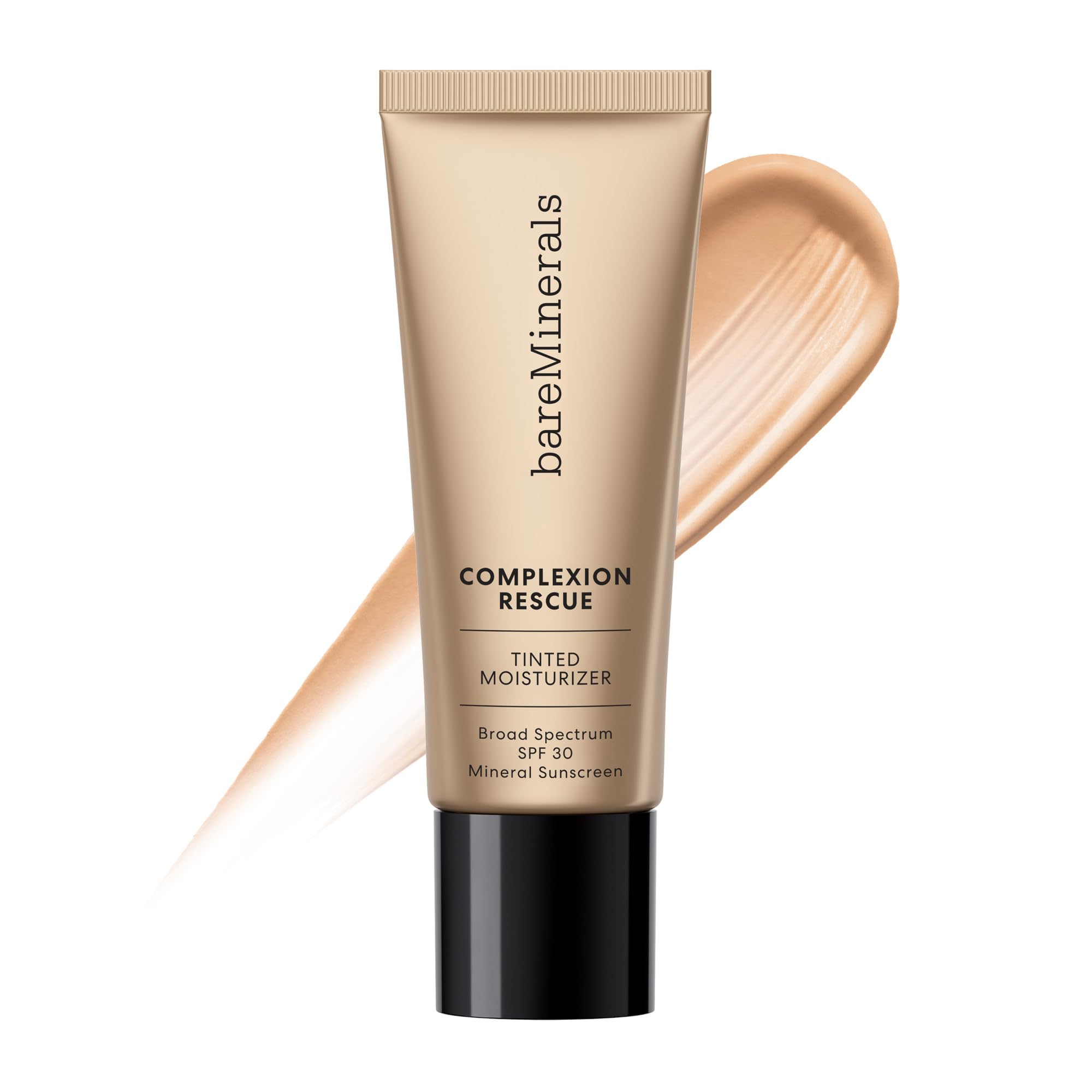
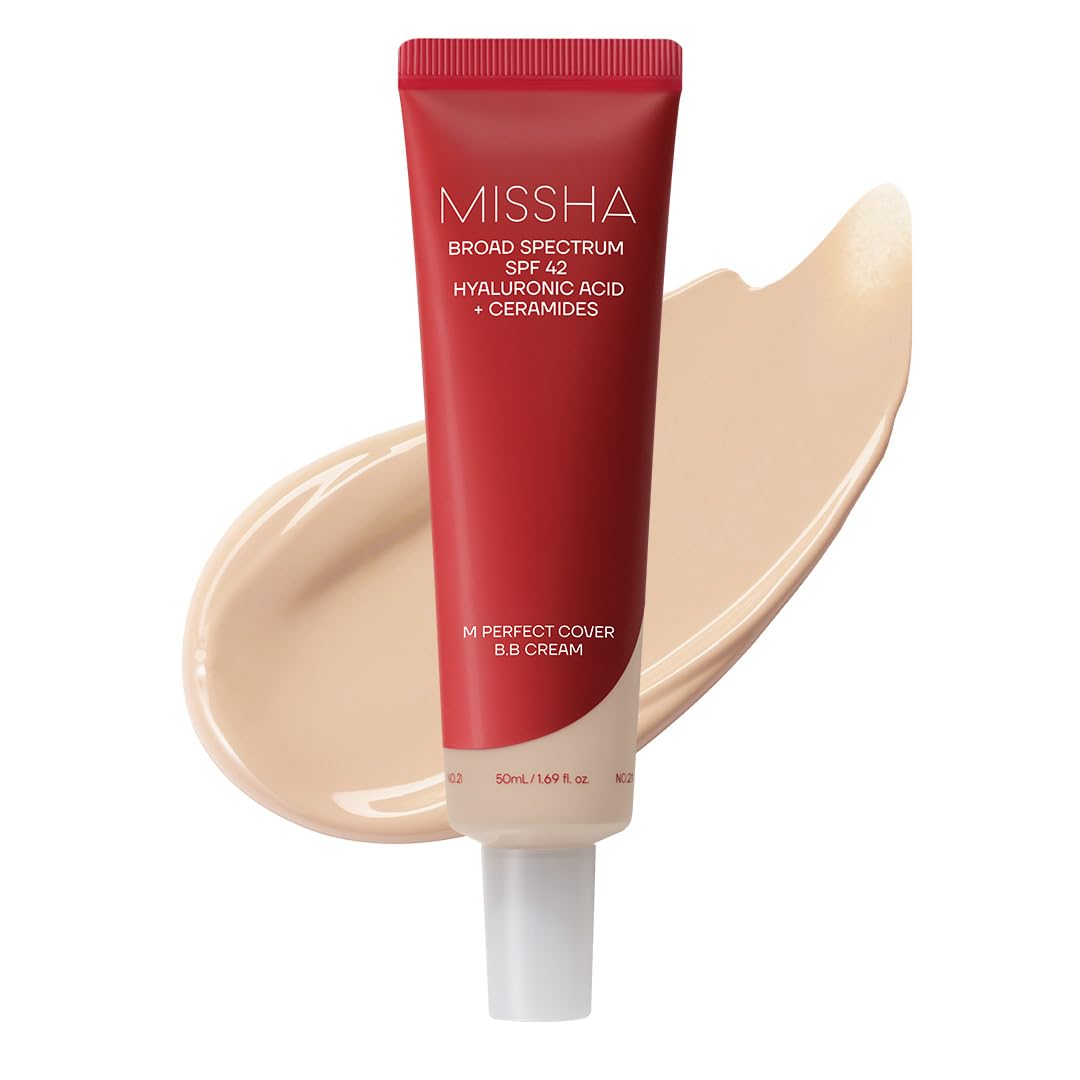
We built the shortlist from the tinted moisturizers, BB creams, and tinted serums sold in the widest shade ranges, then filtered by what actually sits on mature skin: hydrating ingredients like hyaluronic acid and squalane, mineral versus chemical sun filters, and cost per ounce so drugstore tubes competed against the pricier ones. Fragrance was the first cut. Anything strongly perfumed went to the back of the line, since scent tends to bother the thinner, drier skin around the eyes and cheeks.
Each of the 12 spent at least two weeks in rotation, applied over the same morning moisturizer, in the same order, with two candidate shades swiped on opposite sides of the jaw. We checked color match three times: under a bathroom light, again at a north-facing window, and at 4 p.m. on blotting paper to see where the pigment had migrated. Weekend and workday mornings counted equally — one of us is out the door in six minutes flat, and anything that needed careful blending lost points for it.
The coverage pass was deliberately unglamorous. We applied half a pump, then a full one, and took daylight photos to see how much redness and dark spots actually faded and whether the finish read dewy, flat, or chalky. We noted texture with our fingers — a few grabbed at dry patches on contact and came straight out of rotation. At day's end we compared both cheeks for patchiness, creasing along the nasolabial folds, and that faint gray cast some tints develop by evening. Value came down to cost per ounce against how little we needed per application.