Skincare

Best Moisturizer for Oily Skin of 2026

Oily skin sets a trap: skip moisturizer and your face pumps out extra oil to compensate, but reach for the wrong cream and you're shining by mid-morning with a new breakout by the weekend. What oily skin actually needs is water, held in place — light enough to sink in fast, steady enough to keep the barrier calm all day. That's the balance these moisturizers strike: real hydration, no slick.

I've lost count of the "oil-free" creams that left my forehead shining by lunch, so we stopped trusting the label and started wearing them. Over the past five months, my team and I tested 14 moisturizers on oily and combination skin — in morning routines, under makeup, and overnight. Here's something first-time buyers rarely hear: dehydrated skin often reads as oily skin, so the fix usually isn't a harsher cleanser but a humectant-rich moisturizer that pulls water in rather than a heavy one that sits on top. The picks below run from featherweight gels to creams sturdy enough for a dry winter, and every one of them passed the lunchtime shine test.

1

CeraVe PM Facial Moisturizer

Top Pick
CeraVe PM Facial Moisturizer

Everyday oily skin

Our Score 9.4/10
Check Price

Worth Noting

  • Small 3-ounce tube for twice-daily use
Size
3 oz
Oil-free
Yes
Key Ingredient
Niacinamide

Plenty of oily-skin moisturizers advertise themselves as oil-free and then feel like a film. CeraVe PM takes the opposite route: the label says normal to dry, which is not the first place an oily-skin shopper looks, but the oil-free lotion disappears quickly and leaves a soft, not slippery, finish. That mismatch is exactly why we keep it at the top of this list.

The ingredient list is doing quiet work. Niacinamide is there to help calm skin, and the MVE delivery system is designed for controlled release rather than a rush of moisture that sits on the surface. In our testing, that translated into a comfortable base under sunscreen and makeup, with none of the tight, stripped feeling that can make oily skin overproduce later. We reach for it morning or night when we want hydration without a visible sheen.

Compared with Vanicream Daily Facial, CeraVe PM has the edge if your skin responds well to niacinamide; Vanicream is the safer bet if you want the shortest, plainest formula. The 3-ounce tube is not huge for twice-daily use, but a little spreads far. If you have been avoiding moisturizer because everything feels greasy, this is the one we hand over first.

Bottom line: CeraVe PM is the default we recommend for oily skin: an oil-free, lightweight lotion with niacinamide that hydrates without a greasy finish.

2

Vanicream Daily Facial Moisturizer

Vanicream Daily Facial Moisturizer

Sensitive oily skin

Our Score 9.2/10
Check Price

Worth Noting

  • Basic formula offers no brightening step
Size
3 fl oz
Fragrance-free
Yes
Key Ingredients
Hyaluronic acid, 5 ceramides
Non-comedogenic
Yes

Vanicream's Daily Facial Moisturizer is what we reach for when a reader wants the shortest possible ingredient list. It is fragrance-free, dye-free, and free of lanolin and botanical extracts, so there is less to react to; the formula still includes hyaluronic acid and five ceramides. On oily skin, the result is a light lotion that sinks in without a sticky residue.

We like it best as a morning moisturizer under sunscreen, because it does not leave much of a finish behind. It is a moisturizer first, not a brightening treatment, so if you want niacinamide or vitamin C to do extra work, choose a different step. What it does give you is a dependable, non-comedogenic base that plays well with active ingredients.

Compared with CeraVe PM, Vanicream is the quieter choice: fewer actives, fewer surprises for reactive skin. The 3-fluid-ounce bottle is a sensible size for daily use. If your oily skin also stings or flakes around acne treatments, this is the one we choose.

Bottom line: For reactive oily skin, Vanicream Daily Facial is the low-risk pick: lightweight, fragrance-free, and packed with ceramides and hyaluronic acid.

3

La Roche-Posay Toleriane Double Repair

La Roche-Posay Toleriane Double Repair

Barrier repair

Our Score 9.2/10
Check Price

Worth Noting

  • Premium price for a daily moisturizer
Texture
Lightweight cream
Skin Types
All skin types
Moisture Claim
48 hours
Key Ingredients
Ceramide-3, niacinamide, glycerin

La Roche-Posay's Toleriane Double Repair is the pick for oily skin that is also irritated or over-exfoliated. It pairs ceramide-3 and niacinamide with glycerin and prebiotics, and the cream is light enough to spread easily. We like that it aims at barrier repair rather than just surface moisture; when skin is tight and shiny at the same time, that is the balance you want.

The texture is where it divides. Our experience was that it absorbs quickly when applied to damp skin, but it can pill if you layer too much or rub it over a serum that has not settled. A thin layer, pressed in rather than massaged, solves most of that.

Compared with CeraVe PM, La Roche-Posay is creamier and more soothing on compromised skin, while CeraVe PM is lighter and easier to layer under makeup. It is also not the cheapest option here, though it sits in the middle of this group on price. If your oily skin is mostly comfortable, CeraVe PM is the simpler buy; if it stings after actives, this is the one we keep on hand.

Bottom line: La Roche-Posay Toleriane Double Repair is our barrier-repair pick for oily skin that stings, with ceramides and niacinamide in a lightweight cream.

4

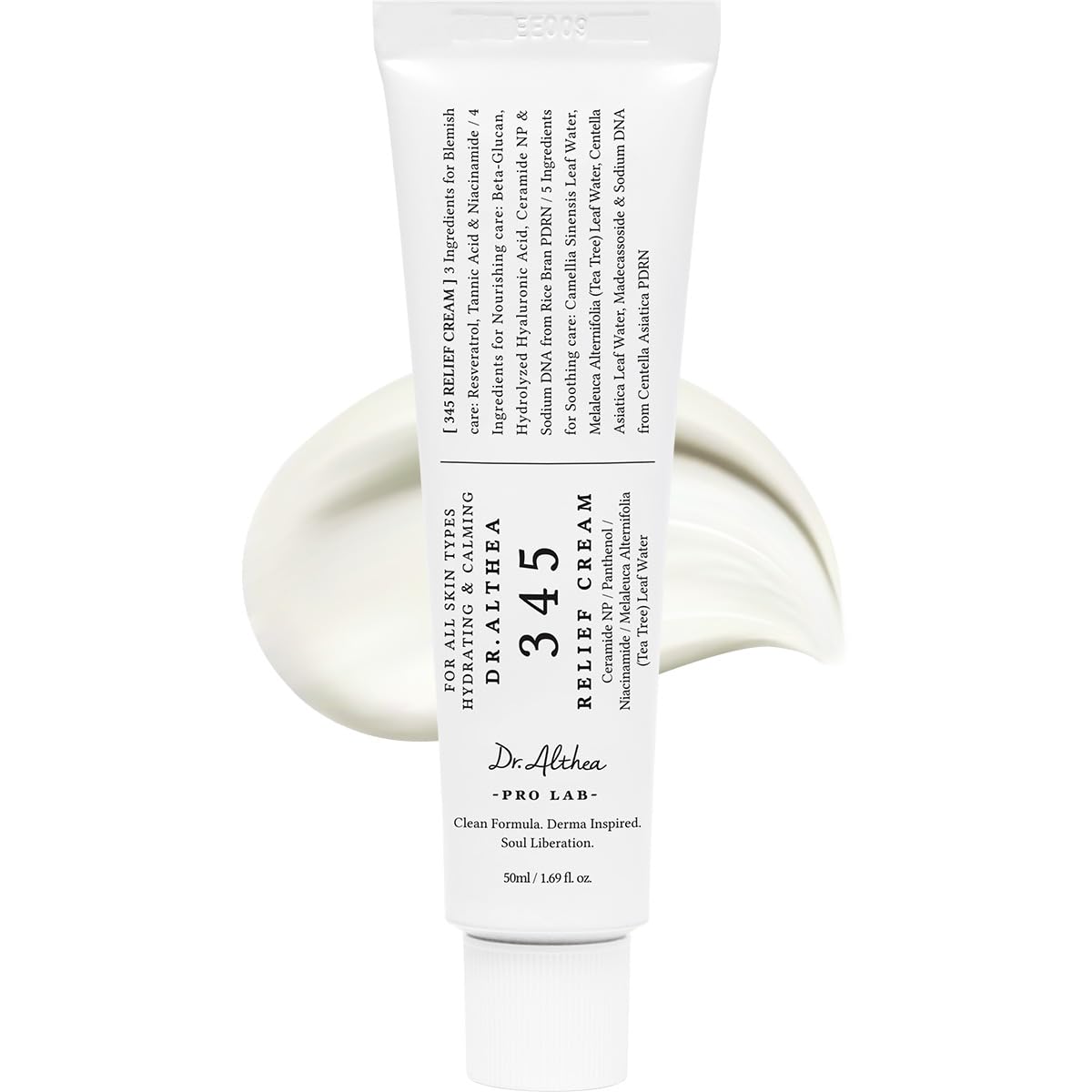
Dr.Althea 345 Relief Cream

Dr.Althea 345 Relief Cream

Blemish-prone skin

Our Score 9.2/10
Check Price

Worth Noting

  • Tube can be hard to squeeze near the end
Size
1.69 fl oz
Finish
Silky, non-greasy
Key Ingredients
Niacinamide, centella, ceramide NP
Non-comedogenic
Yes

Dr.Althea's 345 Relief Cream is the most targeted pick here for oily skin that breaks out. The formula stacks niacinamide with centella asiatica, tea tree leaf water, and madecassoside, which is a soothing, blemish-focused lineup rather than a plain moisturizer. It is clinically tested as non-comedogenic, and the finish is silky rather than heavy, so it does not undo the work of a lightweight routine.

We were struck by how calming it felt on red, irritated patches without leaving a greasy layer. The 1.69-fluid-ounce tube is smaller than the CeraVe or Vanicream options, and the price puts it in the premium tier of this group, so it is not the one we recommend for someone who wants a simple everyday lotion. But if your oily skin is also reactive and prone to post-acne marks, the extra soothing ingredients earn their keep.

The packaging is a small annoyance: the tube gets harder to squeeze as it empties. That is a minor trade-off for a cream that layers well under makeup and does not turn shiny by afternoon. Compared with La Roche-Posay, Dr.Althea is more blemish-focused and a bit lighter; La Roche-Posay is the better barrier-repair choice if stinging is your main issue.

Bottom line: Dr.Althea 345 Relief Cream is the targeted choice for oily, blemish-prone skin, pairing niacinamide and centella in a silky, non-greasy formula.

5

CeraVe AM Facial Moisturizer SPF 30

CeraVe AM Facial Moisturizer SPF 30

Daytime sun protection

Our Score 9.0/10
Check Price

Worth Noting

  • White cast risk on deeper skin tones
SPF
30
Size
3 oz
Oil-free
Yes
Key Ingredient
Niacinamide

The CeraVe AM moisturizer solves a real oily-skin problem: it puts broad-spectrum SPF 30 into a face lotion that is oil-free and fragrance-free. The formula uses micro-fine zinc oxide, plus niacinamide and hyaluronic acid, so it can serve as the last step of a morning routine without a separate sunscreen on short days. We like that it is non-comedogenic and does not add another scented product to skin that is already active.

The catch is the finish. It is heavier than CeraVe PM, and zinc oxide needs careful blending. We found that a thin layer, applied before the rest of the face is fully dry, spreads more evenly; if you need a flawless base under makeup, use a dedicated sunscreen instead.

Compared with the other picks here, CeraVe AM is the one we choose when sun protection is the priority and we want one step instead of two. It is not the most elegant texture in this group, but it is oil-free and budget-friendly, and that combination is hard to argue with for a daily commute or a short lunch walk.

Bottom line: CeraVe AM is the one-step SPF pick for oily skin, though its zinc formula needs careful blending and feels heavier than a plain lotion.

6

The Ordinary Natural Moisturizing Factors + HA

The Ordinary Natural Moisturizing Factors + HA

Budget hydration

Our Score 9.2/10
Check Price

Worth Noting

  • Can break out some acne-prone skin
Texture
Lightweight
Non-greasy
Yes
Key Ingredients
Amino acids, fatty acids, ceramides, urea, HA

The Ordinary's Natural Moisturizing Factors + HA is the budget pick we keep coming back to when we want a plain, lightweight moisturizer. It uses amino acids, fatty acids, ceramides, urea, and hyaluronic acid to support the skin barrier, and it has a non-greasy finish that works well under sunscreen. For oily skin, that combination is more useful than a long list of plant extracts.

It is not the most elegant formula here. The texture is a bit tacky while it dries, and it can pill if you apply too much or layer it over a heavy serum. We also found that it does not suit every oily, acne-prone face; a patch test is worth the two minutes before you commit.

The finish is the main compromise. It feels less refined than CeraVe PM and takes longer to settle, so we save it for mornings when we are not rushing into makeup. On the plus side, the barrier-support ingredients are exactly the kind oily skin needs when actives leave it tight and flaky.

Compared with CeraVe PM, The Ordinary is cheaper and keeps the focus on barrier ingredients rather than niacinamide, but it has a tackier dry-down. If you want the lowest-cost way to add a lightweight moisturizer to an oily-skin routine, this is it; if you want a more refined finish, pay a little more for CeraVe PM or Vanicream.

Bottom line: The Ordinary NMF + HA is the budget route to lightweight barrier hydration, though acne-prone skin should patch test first.

7

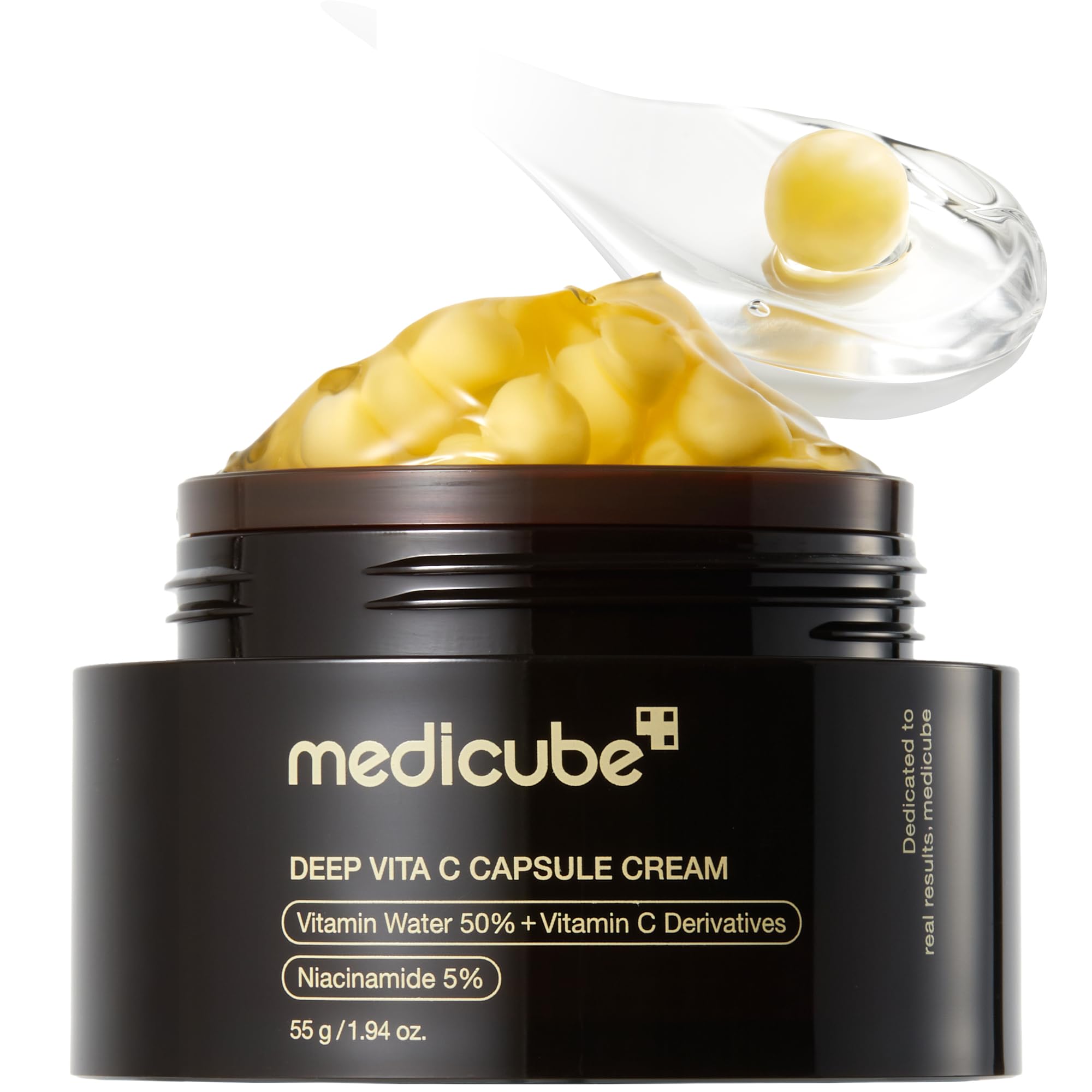
medicube Capsule Cream

medicube Capsule Cream

Brightening gel-cream

Our Score 9.2/10
Check Price

Worth Noting

  • Scented formula may bother sensitive skin
Format
Capsule-to-gel cream
Skin Benefit
Radiance
Key Ingredients
5% niacinamide, vitamin C, sea buckthorn

The medicube Capsule Cream is the fun one in this group: you pop the vitamin C capsules and blend them into the gel base, adjusting the ratio to your liking. That bit of theater is backed by 5% niacinamide and sea buckthorn extract, and the gel-cream texture is a better fit for oily skin than a rich cream. We like it when the goal is brightness and a dewy finish rather than plain barrier repair.

The trade-off is that it is not the most predictable formula here. The texture can feel sticky if you use too much of the capsule side, and the scent is noticeable. The brand's low-irritation testing is reassuring, but sensitive skin can still sting, especially if you are already using actives. We kept it to a thin layer in the morning and found it layered well under sunscreen.

Compared with Dr.Althea, medicube is more about glow and vitamin C than calming blemishes. If your oily skin is relatively stable and you want a brightening moisturizer with a bit of novelty, it earns a place; if you are reactive or prefer fragrance-free, choose Vanicream or CeraVe PM instead.

Bottom line: medicube Capsule Cream is a brightening gel-cream for oily skin that wants a dewy finish, but the scent makes it a poor fit for reactive skin.

How We Tested These Moisturizers on Genuinely Oily Skin

We started with a shortlist of about 30 formulas at drugstore and mid-range prices, then cut anything built around heavy butters, loaded with fragrance, or priced per ounce in a way that only makes sense if you use it twice a week. Ingredient panels counted for more than marketing copy: I looked for humectants near the top of the list, ceramides and niacinamide for barrier support, and no drying alcohol high up. That left 14 moisturizers, which my team and I used for five months, from a sticky summer into the first weeks of indoor heating.

Every tester applied their assigned moisturizer to a clean face each morning and went about a normal day. At 2 p.m. we pressed blotting paper to foreheads and cheeks and compared the oil rings, which told us more about grease than any first-impression test ever could. We also timed how long each formula stayed tacky — checking at two, five, and ten minutes — because a cream that needs ten minutes to settle is one you won't reach for on a rushed morning. Half the group layered theirs under foundation and sunscreen, and we noted whether makeup went on smoothly or slid around by lunch.

Anyone with reactive skin patch-tested on the jawline for five straight days before committing to full-face use, and we logged stinging, redness, and any new closed bumps along the chin. Because this is a twice-a-day habit, we weighed cost per ounce against how many pumps it took to cover a face, so a small tube that demands four pumps didn't get credit for being cheap. Several formulas that felt lovely in the first hour thinned out by afternoon and left cheeks tight after cleansing the next morning. The ones that made the list are the ones testers asked to keep using once the testing period ended.

How to Choose a Moisturizer for Oily Skin

Choose the texture around your shine, not your skin type

Oily skin is not one texture. If your face is shiny by midday but comfortable after cleansing, a gel-cream or light lotion is usually enough; CeraVe PM and medicube take that route. If your skin feels tight or flaky after washing, a light cream such as La Roche-Posay Toleriane Double Repair gives more cushion without turning greasy. We prefer to apply these to damp skin and use less than seems necessary. A pea-sized amount spread over a damp face is easier to distribute than a larger amount on dry skin.

Check the oil-free and non-comedogenic labels, then patch test

Oil-free and non-comedogenic are useful filters, but they are not promises. A formula can be oil-free and still feel heavy, and non-comedogenic testing does not guarantee your pores will agree. We treat those labels as a starting point, then patch test along the jawline for a few days before using a new moisturizer all over. If you are acne-prone, keep the rest of the routine stable so you can tell what caused a breakout. Vanicream Daily Facial and Dr.Althea 345 Relief Cream are the clearest label-first picks here.

Use niacinamide and ceramides as support, not a cure

Niacinamide is the ingredient oily-skin shoppers see most often, and it is useful for calming skin and supporting the barrier. It is not a substitute for moisture. We look for niacinamide alongside ceramides, glycerin, or hyaluronic acid rather than in a formula that feels thin and drying. CeraVe PM pairs niacinamide with controlled-release moisture; The Ordinary takes a simpler barrier-repair route with amino acids and ceramides. If your skin stings with vitamin C or acids, choose the quieter formula and add the active separately.

Treat SPF as a separate decision

An SPF moisturizer is convenient, but it is not automatically enough sun protection. Most of us do not apply a moisturizer as generously as we apply sunscreen, so the labeled SPF is not the protection you actually get. Use CeraVe AM SPF 30 for a short commute or a day mostly indoors, and keep a dedicated sunscreen for long outdoor time. If the SPF formula leaves a cast or pills under makeup, do not force it; a separate lightweight sunscreen over CeraVe PM is a better routine.

Frequently Asked Questions

Final Verdict

CeraVe PM is the moisturizer we recommend first for oily skin: oil-free, lightweight, and built around niacinamide and controlled-release hydration. It is the easiest default for daily use, and it layers well under sunscreen or makeup. If your skin is reactive, Vanicream Daily Facial is the gentler choice; if you break out along with oiliness, Dr.Althea 345 Relief Cream is the more targeted pick. Start with the one that matches your main problem, not the longest ingredient list.