Skincare

Best At-Home Laser for Black and Brown Skin of 2026

If you have black or brown skin and you've shopped for an at-home hair removal device, you've hit the same wall: every box claims to be safe for all skin tones, and almost none explain how. IPL goes after pigment in the hair, so the closer your skin sits to that pigment, the more careful the device has to be. The good ones build the caution in through a skin sensor, cooling, and energy levels that stay low enough to be safe but steady enough to work.

I've done this at home for years, and my team and I just spent seven months with nine devices, tracking how close to painless each session actually was, how fast hair thinned out, and what our skin looked like the next morning. Value had less to do with price than with how many sessions a device survives — and the picks below are the ones we'd hand to a friend without a warning.

1

Ulike Air 10

Top Pick
Ulike Air 10

Deep-tone safety

Our Score 8.8/10
Check Price

Worth Noting

  • Premium price
Energy
26J per 4-pulse burst
Cooling
Sapphire ice cooling below 65°F
Full-body Time
10 minutes
Skin-tone Sensor
SkinSensor

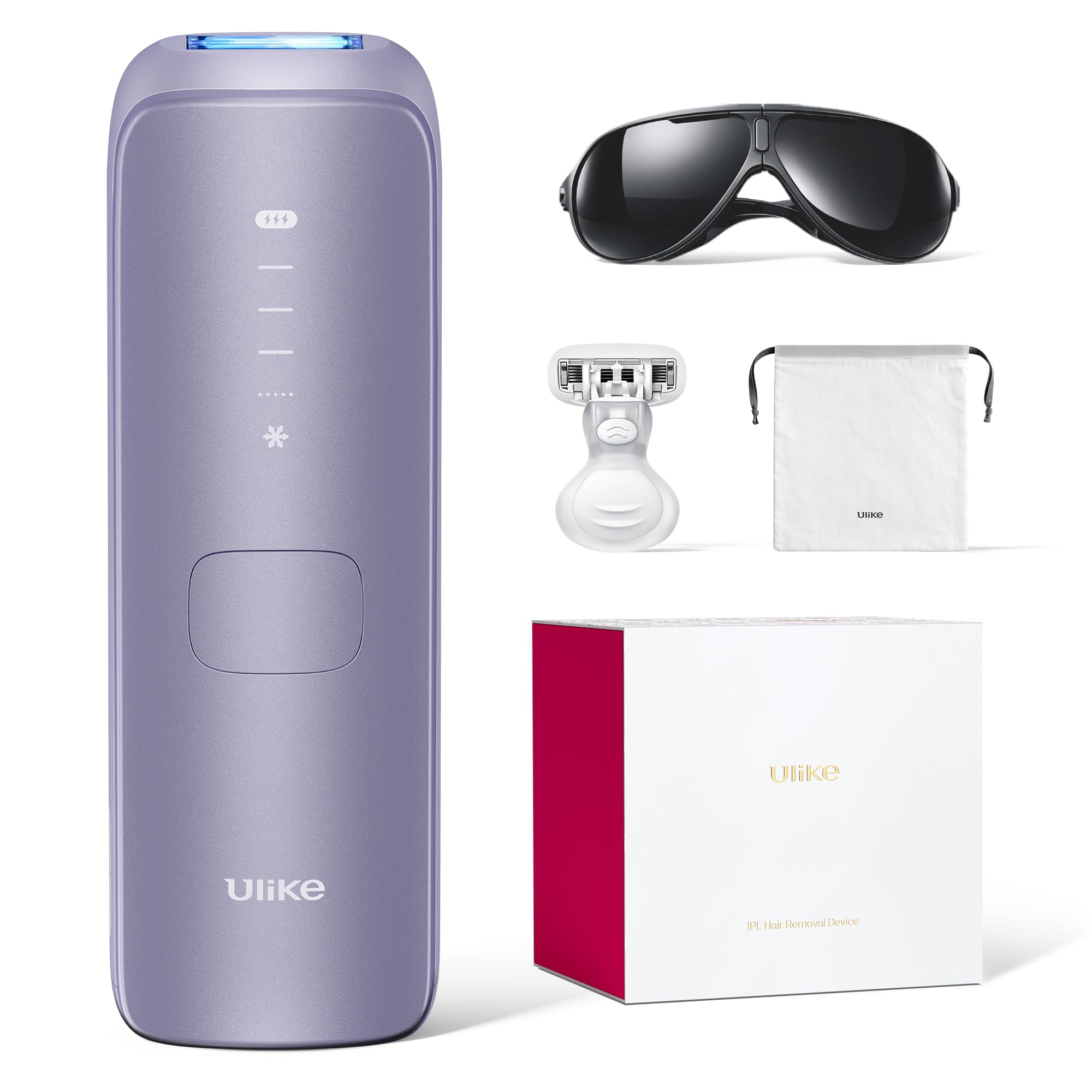
The pair of features we care about most in this category is a skin-tone sensor and active cooling, and the Air 10 is the one here that puts both in the same package. Its SkinSensor reads skin tones and adjusts output, while the sapphire cooling plate is designed to stay below 65°F through a full session. On deeper skin, where the margin between a useful flash and an uncomfortable one is narrow, that combination is the whole story.

We rank it as the best overall for Black and brown skin because the sensor sets a safer ceiling and the cooling makes a gentler setting easier to live with. Dual lights and the USHR mode give it enough punch for stubborn hair, and the 10-minute full-body estimate is realistic for a weeknight routine. At 14.4 ounces, it's light enough to hold through legs and underarms without feeling like a workout. It's the one we recommend first.

The caveat is built into IPL itself: if the sensor reads your tone as outside its range, it can limit the flash, and turning up the level won't change that. Treat that as a safety boundary, not a defect. For medium-brown to deep-brown skin that the sensor accepts, the Air 10 is the least compromised choice here. If it refuses to fire on your tone, no other setting on this device solves it.

Bottom line: Our top pick for Black and brown skin: the SkinSensor and sapphire cooling make a cautious, consistent routine easier to keep than any other device here.
2

Ulike Air 4

Ulike Air 4

Corded full-body power

Our Score 9.0/10
Check Price

Worth Noting

  • Corded design limits mobility
Energy
24J
Cooling
Sapphire ice cooling at 64°F
Flash Interval
0.4 seconds
Skin-tone Sensor
Integrated skin safety sensor

The Air 4 takes the same safety-first idea as the Air 10 and trades a little portability for corded power. Its integrated skin safety sensor and sapphire ice cooling at 64°F are the features we look for first on darker skin, and the 24J output gives coarse hair more to work with. The 0.4-second flash interval is quick enough to keep a leg session from dragging.

Corded power is the real differentiator. The output doesn't taper as a battery drains, and Auto-Glide is built for sweeping passes over arms, legs, and the bikini line. The 2.91-pound body is heavier than the top pick's, which you notice over a long session, but the trade is steady energy and a lower price than the Air 10. For someone who treats in one spot and wants a no-fuss routine, that's a sensible swap.

We rank it just behind the Air 10 because the sensor-and-cooling story is nearly as strong and the 24J setting is more than most people need for underarms and lower legs. It's the better choice if you want corded consistency and don't mind staying near an outlet. What keeps it from the top spot is the extra weight, not the performance.

Bottom line: Corded 24J power, a skin safety sensor, and 64°F cooling make the Air 4 the one we choose for steady output in one spot.

3

Michael Todd Lumos

Michael Todd Lumos

Budget sensor cooling

Our Score 8.8/10
Check Price

Worth Noting

  • Slower flash interval than the Air 4
Cooling
50°F cooling
Power Levels
9
Full-body Time
Under 10 minutes
Skin-tone Sensor
Built-in skin sensor

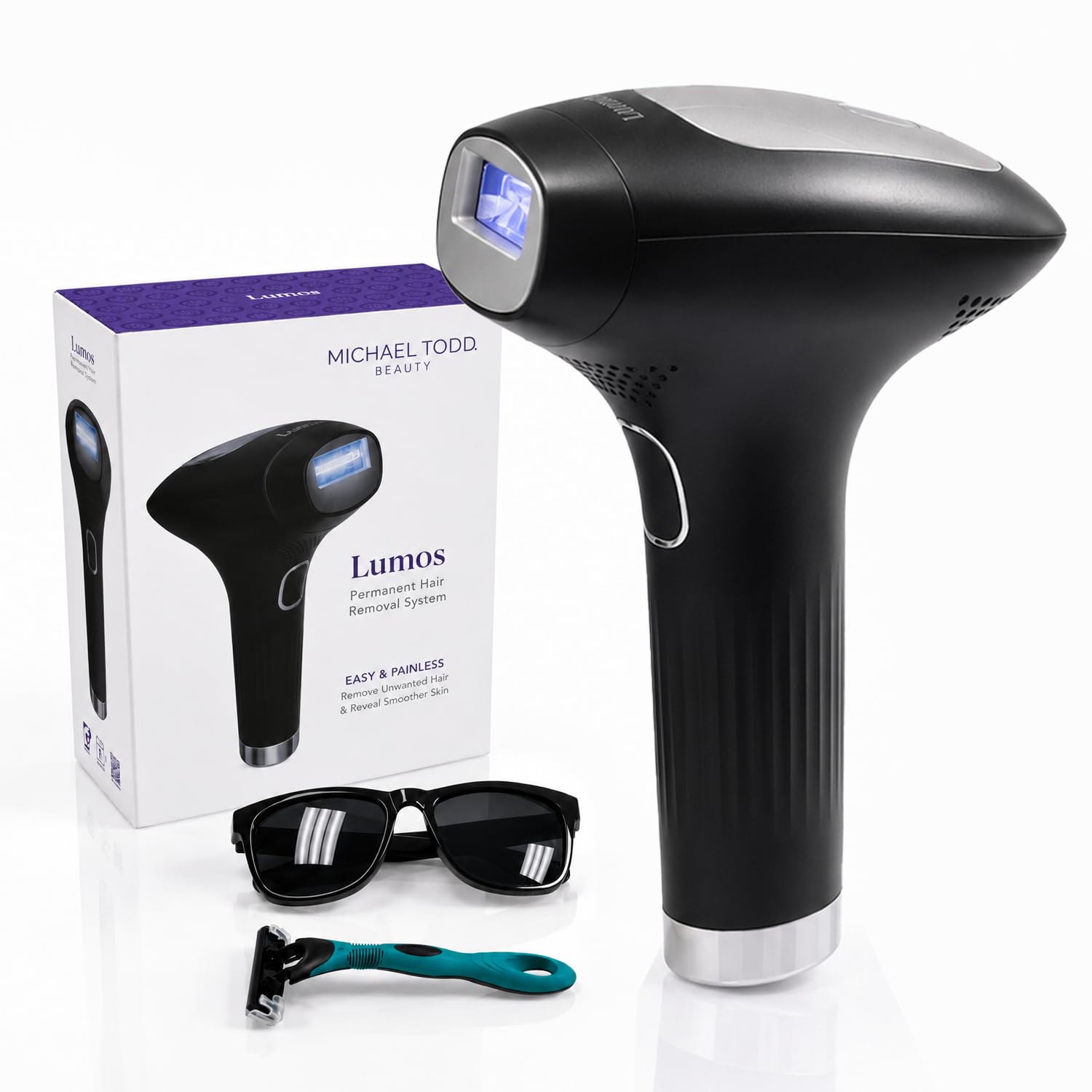
A built-in skin sensor and a 50°F cooling plate at a budget price is the reason the Lumos earns a spot. It also gives you nine power levels, which is more granular control than most devices at this end of the set, and the auto-flash is quick enough for legs and arms. The 2.14-pound body is light enough to hold through a full pass, and the under-10-minute full-body claim is realistic for a device with an auto mode.

We recommend it as the budget pick because it doesn't strip out the two features that make darker-skin treatment more tolerable. The trade is a slower flash interval than the Ulike Air 4, so large areas take a little longer. The cooling is the part we appreciate most: it makes the lower settings feel less like a compromise, and that's what keeps a routine going long enough to see results. It won't match the raw power of the Air 4, but most people don't need that for underarms, bikini line, and lower legs. If you're treating smaller areas, the lighter body and finer control are the bigger win.

Bottom line: The Lumos is the budget pick we point to when you want a built-in skin sensor and 50°F cooling without paying premium-device money.

4

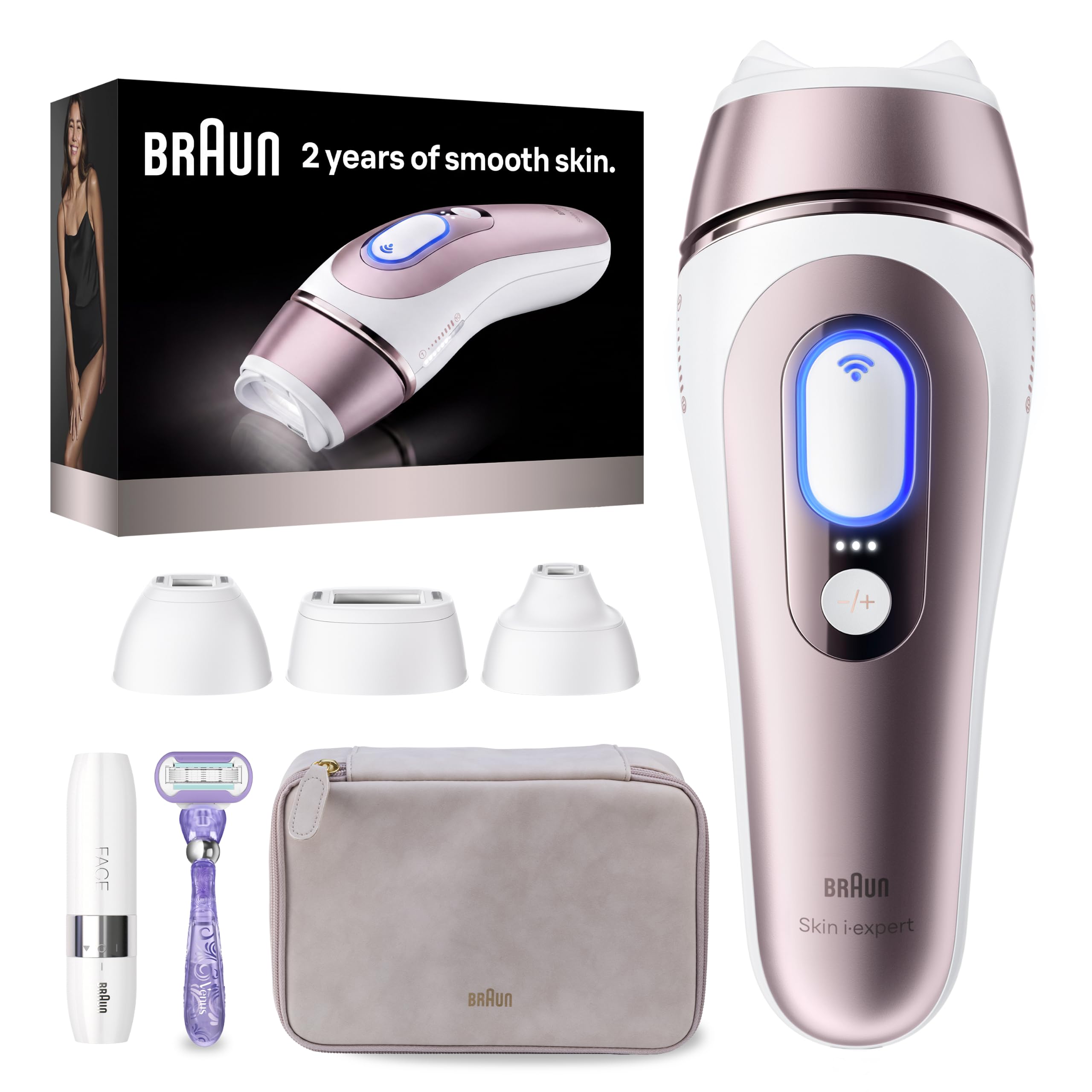
Braun Skin i-Expert PL7219

Braun Skin i-Expert PL7219

Guided coverage

Our Score 8.8/10
Check Price

Worth Noting

  • No active cooling plate
Cooling
—
Full-body Time
10 minutes
Skin-tone Sensor
—
Coverage Guidance
App tracker

The Braun Skin i-Expert PL7219 is the most guided device here. An app walks you through each pass and tracks coverage in real time, and the package includes two smart heads plus a facial trimmer. The 10-minute full-body estimate and twice-monthly schedule are built for someone who wants a routine spelled out rather than guessed at. The two heads also make the face-and-body switch less fiddly than swapping one attachment.

We like it for anyone who loses track of where the head has been, especially on the back of the legs or around the bikini line. The app turns a tedious sweep into something closer to a guided session, and that kind of feedback is genuinely useful when consistency is the hard part. It's a premium device, and the guidance is the feature you're paying for.

What gives us pause for this particular buyer is the safety story: the maker doesn't advertise a skin-tone sensor, so you're relying on the device's chart and your own patch test rather than an automatic tone check. If your tone sits comfortably inside the range and you want the app, it's a strong pick. For deeper tones, start with one of the Ulike models instead.

Bottom line: App-guided coverage is why we keep the PL7219 on the list, though the missing advertised skin-tone sensor makes it a medium-tone pick.

5

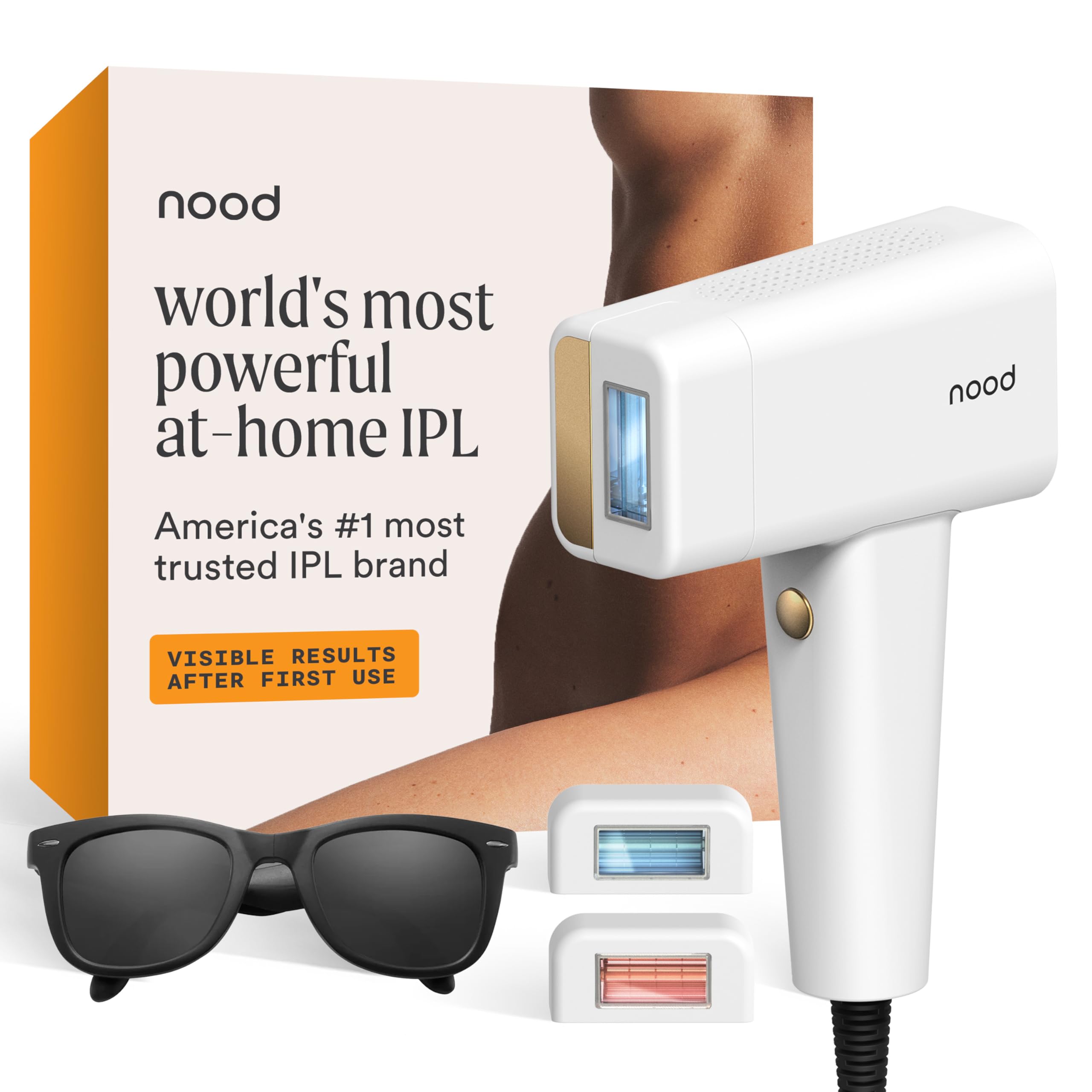
Nood Flasher Pro

Nood Flasher Pro

Fast cooling sessions

Our Score 8.4/10
Check Price

Worth Noting

  • Heavier than the top pick
Cooling
CryoSoothe cooling
Extra Lens
Anti-aging lens
Flash Guarantee
Lifetime replacement
Skin-tone Sensor
—

The Flasher Pro's pitch is simple: strong flashes, a cooling plate called CryoSoothe, and a second lens for anti-aging treatments. It's the only device here that tries to do something beyond hair removal, and the lifetime flash replacement guarantee is a welcome answer to the disposable feeling of these machines. The cooling effect is the feature that stands out for sensitive areas.

We rank it as an also-consider rather than a top pick for Black and brown skin because the maker doesn't advertise a skin-tone sensor. That doesn't make it unusable, but it puts more responsibility on you: check the tone chart, patch-test, and stay on lower settings until you know how your skin responds. The cooling still earns it a place for medium-brown tones and anyone who wants the anti-aging lens.

Where it wins is speed and comfort. The CryoSoothe plate takes the heat out of the flash, and the device is built for quick passes over larger areas. The anti-aging lens is a genuine extra rather than a novelty, and the lifetime flash guarantee makes the higher price easier to justify. It's a reasonable alternative for medium-brown tones that fit its chart.

Bottom line: Strong cooling and a lifetime flash guarantee keep the Flasher Pro on our list, but without an advertised skin-tone sensor we treat it as a medium-tone alternative.

6

INIA HAUTE Pro

INIA HAUTE Pro

Coarse hair

Our Score 9.0/10
Check Price

Worth Noting

  • No skin-tone sensor advertised
Modes
Zone-specific modes
Cooling
Ice-cooling care
Full-body Time
10 minutes
Skin-tone Sensor
—

The HAUTE Pro leans on a deep-root coarse-hair mode and ice-cooling care, and it does it at a budget price. The 10-minute full-body claim and zone-specific modes make it feel more tailored than the price suggests, and the 2.2-pound body is easy to handle. For thick, stubborn hair on legs and underarms, that combination is the pitch.

The cooling head is the part that makes the biggest difference in use: it takes the edge off the flash and makes longer passes feel less daunting. The adjustable modes also give you a way to start gentle and move up, which is the right approach on darker skin. It's not a device that rewards rushing; the results depend on settling into a schedule.

We put it in also-consider because the safety package is less complete than the Ulike picks, and for this buyer that matters more than the lower price. If your tone is within the chart and you mainly want a budget option for coarse hair, it's worth a look. For deep tones, the HAUTE Pro is a coarse-hair specialist, not a safety blanket.

Bottom line: We point budget-minded shoppers with coarse hair to the HAUTE Pro, as long as their tone falls inside its chart and they accept manual tone checks.

How We Tested At-Home Lasers for Deeper Skin Tones

We started by reading spec sheets the way a shopper would: first filtering out anything that didn't publish a skin-tone range or a built-in sensor, then cross-checking reviews for complaints about burns, dark patches, or a device that shut itself off halfway up a leg. That left nine units, which we bought ourselves and used for seven months.

Testing happened where hair actually grows: legs on Sunday nights, underarms before a wedding, the jawline in a bathroom mirror, the bikini line with a hand mirror and some patience. Before the first full session with each device, we patched the inner forearm and left it 48 hours, then photographed the spot in the same window light at 24 and 72 hours to see whether redness faded or settled into something darker. On the legs we shaved a 2-centimeter square and counted the hairs inside it every two weeks, noting both what disappeared after a session and what grew back.

We rated pain out loud, session by session, from "didn't notice" to "put it down." Functionality got judged on boring things: how long a full leg took, whether the cord reached the couch, whether the head fit under an arm without contorting. On the app-connected models we set reminders, let the app run a guided session, then checked whether it remembered our energy level and treated areas or quietly reset. Value came down to flashes per device and what replacement parts cost. And since none of it matters if your skin reacts, we kept a running photo log of every treated area for the full seven months.

How to Choose an At-Home Ipl for Black and Brown Skin

Start With the Skin-Tone Sensor

The first question is not how many joules a device delivers but whether it will flash on your skin at all. A skin-tone sensor reads the contrast between your skin and your hair and adjusts or blocks the flash; that's why the Ulike Air 10 and Air 4, and the Michael Todd Lumos, are easier to recommend for deeper tones. Check the maker's tone chart before you buy, and treat a sensor that refuses to fire as a safety feature. If your tone sits at the deepest end of the chart, a salon consultation is the more responsible route.

Cooling Is a Consistency Feature

Cooling is often sold as a pain feature, but its real value is consistency. A sapphire or ice-cooling plate keeps the treatment head from getting hot, which makes lower settings easier to tolerate on underarms, bikini line, and legs. That matters more on darker skin, where you should start low and stay there until you know how your skin responds. We look for a cooling plate that stays cold through a full pass, not just the first few flashes. The Ulike Air 10 and Michael Todd Lumos make this a headline feature; on devices without it, shorter sessions and lower levels are the workaround.

Ignore the Joules Race

Higher energy is not automatically better for Black and brown skin. The useful combination is enough energy to affect coarse, dark hair without overdriving the skin, and that balance is set by the sensor and your comfort, not by the biggest number on the box. Dark hair responds because it absorbs the light; grey, white, and very light hair usually don't. We prefer a device with clear levels and a tone sensor over one that only advertises a big output. If a device has no tone sensor, the tone chart and a patch test are doing the safety work.

Choose a Routine You'll Actually Keep

Most devices ask for two or three sessions a week at the start, then move to maintenance, so speed and coverage matter. A 10-minute full-body pass, an auto-flash mode, and a coverage guide make the routine easier to repeat; a corded model gives steady power but ties you to an outlet. We prioritize devices that fit a real weeknight, because the best IPL is the one you keep using. The Braun PL7219's app tracker is the clearest example of guidance done well, while the Ulike Air 4 trades some mobility for corded consistency.

Budget for Reliability, Not Just Purchase Price

At-home IPL is a one-time purchase only if the device lasts. Look for a clear warranty, a flash-count or replacement guarantee, and a return window you can live with. A corded unit removes battery wear from the equation; a lifetime flash guarantee, like the Nood Flasher Pro's, is a meaningful promise if the rest of the device holds up. We don't treat a low price as a saving if the device fails early. Buy from a seller with straightforward returns, and keep the receipt.

Frequently Asked Questions

Final Verdict

We recommend the Ulike Air 10 as the default for Black and brown skin because its SkinSensor and sapphire cooling make the cautious setting the easy one to keep. It's a premium device, and it won't suit every depth of tone, but it's the most complete package here.

If you want steadier corded power for less, the Ulike Air 4 is the better fit. On a tighter budget, the Michael Todd Lumos keeps a tone sensor and cooling without the premium price.