Wellness

Best Organic Protein Powders for Women

Half the battle with plant protein is texture: plenty of organic tubs go into the blender as a fine powder and come out as sweetened sand, no matter what the front label promises. Add a chalky aftertaste or a bloated hour afterward and the tub ends up at the back of the pantry, half used. What you're actually shopping for is a powder that dissolves clean, tastes good enough to drink five days a week, and delivers enough protein per scoop to justify the price. I've been drinking these things for years, and over the past five months my team and I worked through 12 organic protein powders to separate the ones that earn their shelf space from the ones that only market well.

1

EarthChimp Organic Vegan Protein Powder

Top Pick
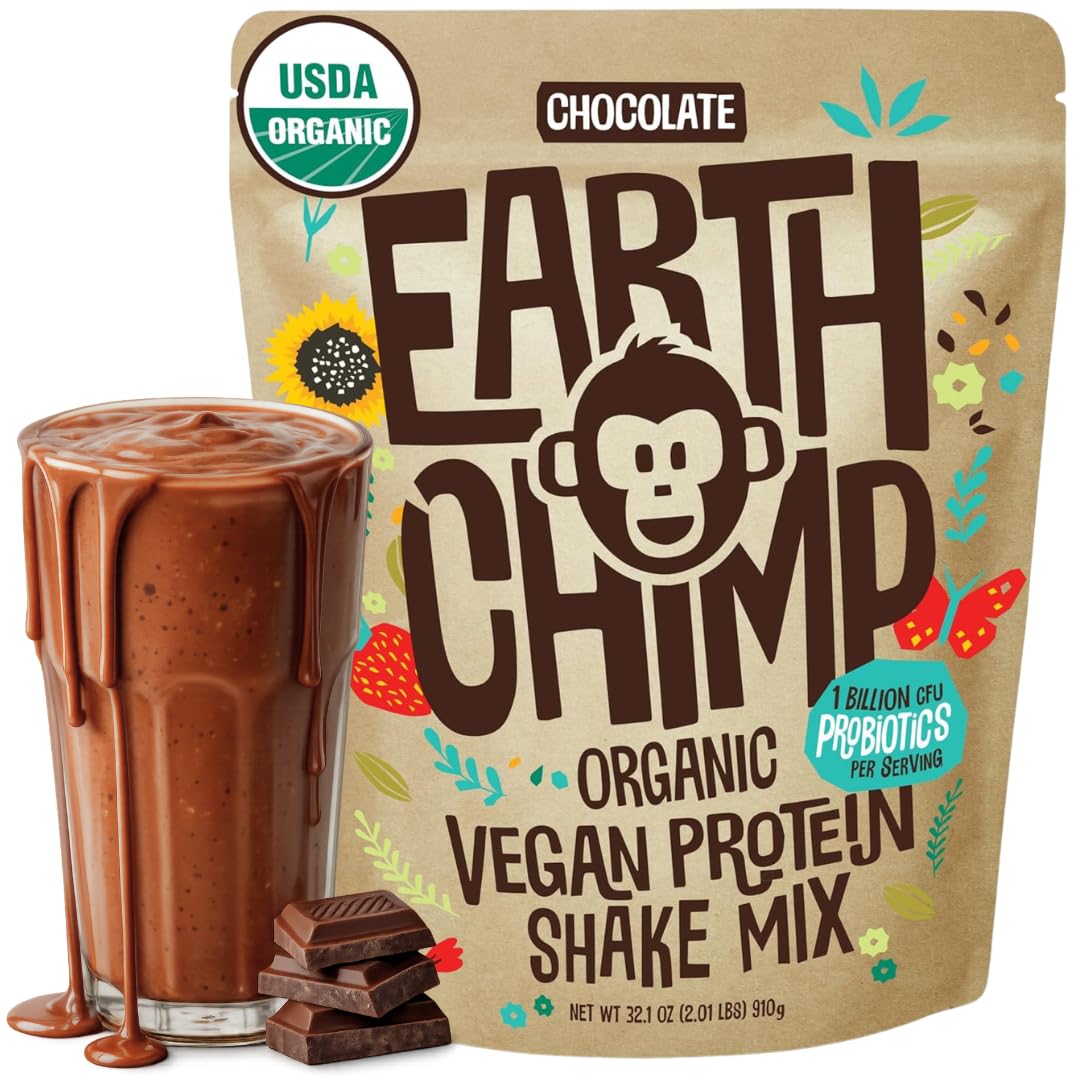
EarthChimp Organic Vegan Protein Powder

Daily chocolate shake

Our Score 9.0/10
Check Price

Worth Noting

  • Pricier per tub than our value pick
  • A 35g scoop for 20g of protein
Added Sugar
0g
Serving Size
1.23 oz
Sweetened With
Monk fruit and dates
Protein Per Serving
0.71 oz

Almost every plant protein here is sweetened with stevia or a sugar alcohol, and if either of those reads bitter or cooling to you, the tub is a write-off by the second shake. EarthChimp sweetens with monk fruit and leans on dates, banana and organic cocoa for the rest, and that single decision is why it tops this list. It's the closest thing here to a chocolate drink you finish on purpose rather than one you get through because you paid for it.

The numbers hold up. Each 35-gram serving carries 20 grams of plant protein with all nine essential amino acids, 4 grams of fiber and 120 calories, with no added sugar. There's a billion CFU of probiotics in the scoop, the ingredient list stays in plain English — organic cocoa, dates, banana, baobab, cinnamon, turmeric — and there's no carrageenan, erythritol or artificial sweetener anywhere in the formula. It's USDA Organic and certified vegan, which matters if the seal is the reason you're shopping this category at all.

Where it earns its price against the cheaper tubs is in the glass. It disperses in a shaker with water without the sandy residue that gives pea protein its reputation, and it thickens rather than turning watery — good news for a smoothie, less so if you like a thin shake. Blended with almond milk and a frozen banana it's genuinely dessert-adjacent.

The chocolate reads dark rather than milk-chocolate sweet, and the monk fruit lands sweet enough that nothing else is needed. If you want a neutral base for green smoothies, take the vanilla instead — the cocoa is assertive enough to argue with spinach.

Bottom line: Our default pick: real cocoa and monk fruit instead of stevia, 20 grams of complete plant protein, and a texture that survives a shaker bottle.
2

Orgain Organic Vegan Protein, Chocolate Fudge

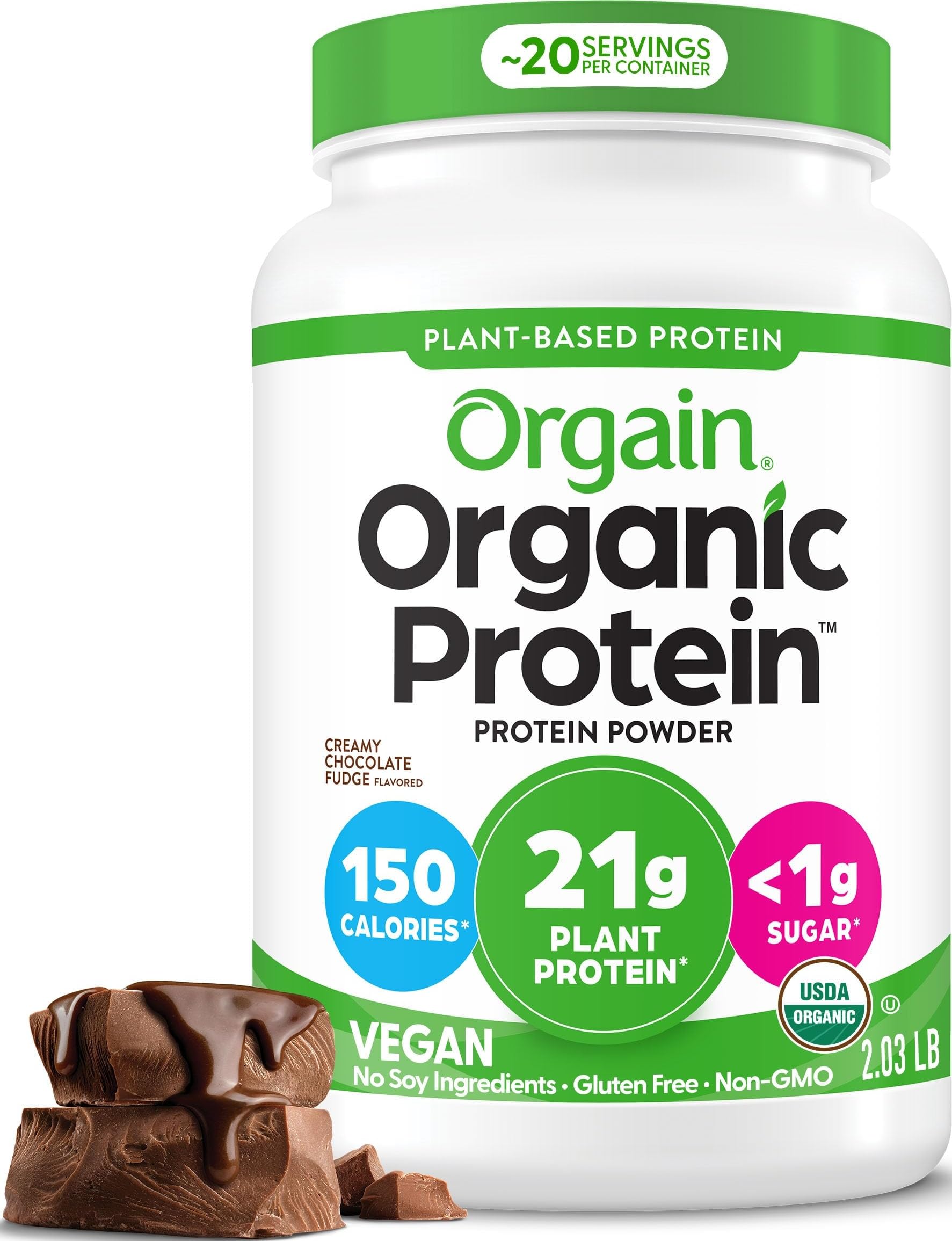
Orgain Organic Vegan Protein, Chocolate Fudge

Everyday value

Our Score 9.0/10
Check Price

Worth Noting

  • Sweetness dominates a water-only shake
Container Size
2.03 lb
Protein Sources
Organic pea, brown rice, chia
Sugar Per Serving
0g
Protein Per Serving
0.74 oz

Organic certification usually arrives with a markup attached, and Orgain is the tub that shrugs it off. The chocolate fudge version is the cheapest of our picks and it gives up very little for that: 21 grams of protein from organic pea, brown rice and chia, all nine essential amino acids, zero grams of sugar, and none of the erythritol, carrageenan, soy or dairy that send people hunting for a cleaner label in the first place. It's USDA Organic and certified plant-based.

This is the one we point to when someone wants a protein shake without turning it into a project. It mixes in a shaker bottle, no blender required, and the chocolate flavor is strong enough to carry plain water on a rushed morning — a low bar that a couple of powders even in this group still miss.

The honest limitation is texture. Pea and brown rice blends are prone to chalk, and this one can leave a fine grit at the bottom of the glass if you shake and drink in the same minute. Let it stand for a minute after shaking, or run it through a blender with a banana, and the complaint largely disappears — which is why we treat it as a technique problem rather than a reason to skip the tub.

Worth knowing if you're choosing between Orgain's own tubs: the superfoods version beside this one adds a greens blend and a gram of sugar. The chocolate fudge keeps the sugar at zero, and for a daily shake that's the version we reach for.

Bottom line: The budget answer to organic protein: 21 grams from peas, brown rice and chia, zero sugar, and a chocolate strong enough to carry water.

3

Sunwarrior Warrior Blend, Vanilla

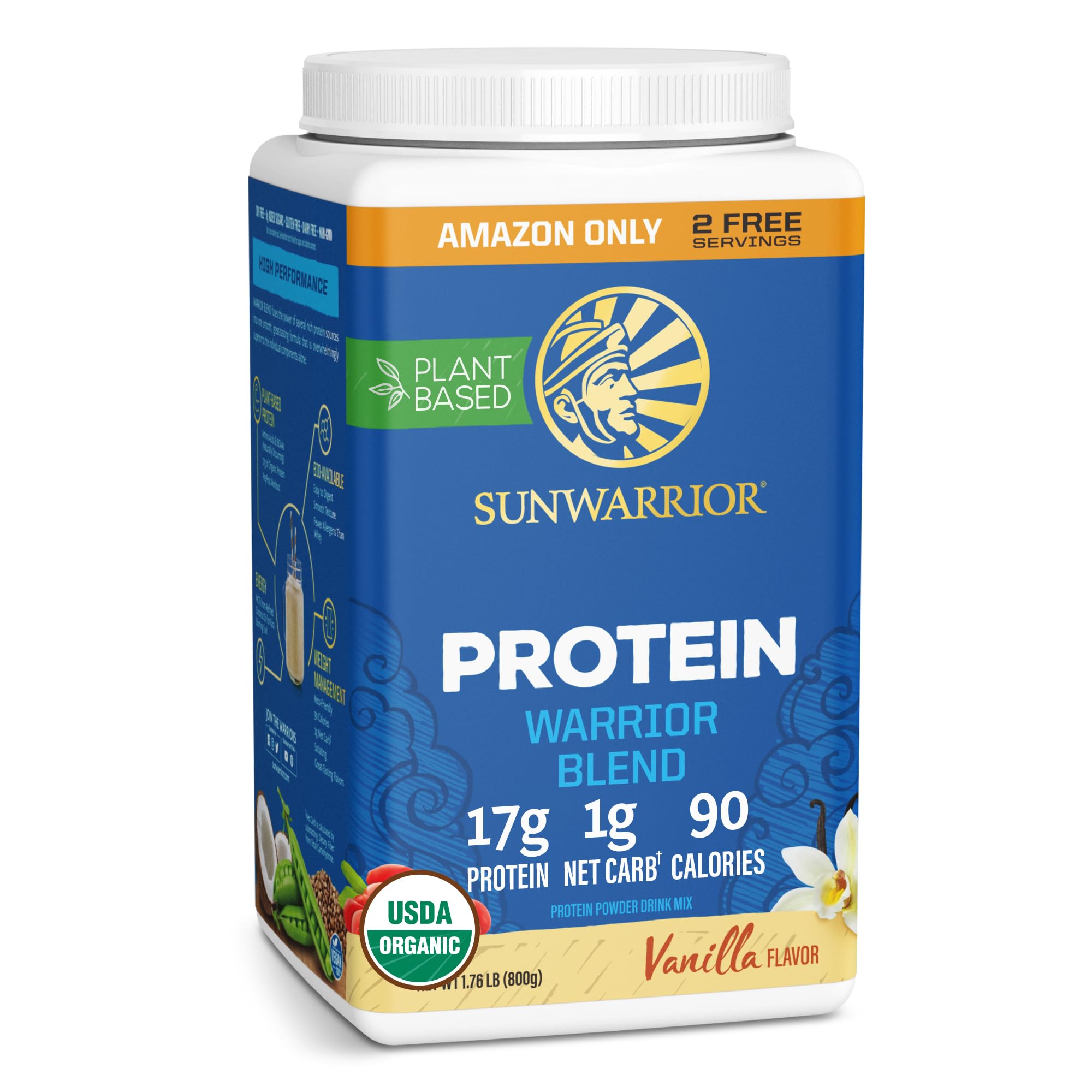
Sunwarrior Warrior Blend, Vanilla

Post-workout shakes

Our Score 9.0/10
Check Price

Worth Noting

  • Cost per serving rises fast at two scoops
Flavor
Vanilla
Servings
32
Amino Profile
Similar to whey
Container Size
1.76 lb

Most plant powders ask a whey drinker to accept a downgrade, and Warrior Blend is the one here that doesn't feel like one. Sunwarrior formulates it around an amino acid profile similar to whey, which is why it's the pick we hand to anyone moving off dairy or stacking a post-training shake. Take the vanilla: it's softly sweet, without the sharp stevia edge that ruins so many vanilla plant proteins.

Thirty-two servings per 1.76-pound tub is the most of any pick here, and the powder behaves. It mixes cleanly in a shaker with water, almond milk or a smoothie base — no clumps, no gritty layer at the bottom — and it's been the gentlest of the group on the stomach, which counts for a lot when you're drinking one most days and can't afford to dread it.

Where it slips is value. The tub isn't cheap and cost per serving is the number that gives us pause — fair for a protein this drinkable at one scoop a day, harder to justify at two. Sunwarrior also sells this blend in a 17-serving tub, which is the sensible way to try it before committing to the large one.

Bottom line: If you're switching off whey, start here: an amino profile built to match it, 32 servings per tub, and a vanilla without a sweetener aftertaste.

4

KOS Organic Vegan Protein, Chocolate

KOS Organic Vegan Protein, Chocolate

Sensitive stomachs

Our Score 8.6/10
Check Price

Worth Noting

  • The priciest tub in this lineup
Servings
28
Added Enzymes
Digestive enzyme blend
Container Size
2.58 lb
Sweetened With
Stevia and monk fruit

A protein shake that leaves you bloated is a protein shake you stop drinking, which is why the enzyme blend in KOS matters more than the flavor copy suggests. Every scoop carries a proprietary digestive enzyme blend alongside organic pea protein, and it's erythritol-free — sweetened with stevia and monk fruit rather than sugar alcohols. If dairy-free powders have given you trouble before, this is where to start.

It's also the biggest tub here at 2.58 pounds and 28 servings, and the flavor is the most dessert-like of the group: organic Peruvian cacao, sea salt and organic coconut milk make it read as a chocolate drink. We noticed the salt especially — it keeps the sweetness from going flat the way it does in cheaper chocolate powders, and it's the reason this one doesn't taste like a supplement wearing a chocolate hat.

The catch is texture. KOS is the grainiest of our picks — blended with milk and a handful of ice it smooths out, but shaken with water and nothing else it sits thick on the tongue. Treat it as a blender powder and the complaint goes away entirely.

Bottom line: The one to try if shakes usually leave you bloated: digestive enzymes in every scoop, 28 servings, and cacao closer to dessert than supplement.

5

Garden of Life Raw Organic Meal, Vanilla

Garden of Life Raw Organic Meal, Vanilla

Meal replacement

Our Score 8.6/10
Check Price

Worth Noting

  • Gritty and chalky compared with the other picks
Format
Meal replacement shake
Servings
28
Certifications
USDA Organic, Non-GMO Project Verified
Protein Per Serving
0.71 oz

Grit is the first thing to say about Raw Organic Meal, because it's the thing that decides whether you keep the tub. The powder is coarser than everything else here and it doesn't fully dissolve in a shaker — blend it with milk, fruit and ice and you get a thick, earthy vanilla shake; shake it with water and you'll be chewing the last third of the glass.

What you get for that tolerance is the fullest formula in this group. Twenty grams of plant protein arrives with whole-food vitamins and minerals rather than a synthetic panel, plus live probiotics and enzymes including lipase, lactase and papain. It's certified USDA Organic and Non-GMO Project Verified, and 28 servings per tub puts it in line with the others.

We treat it as breakfast rather than a post-workout scoop. It's filling in a way a 120-calorie protein shake simply isn't, and it holds that fullness for a few hours — the trade is a vanilla that reads earthy rather than sweet, closer to a green smoothie than a dessert. If you want a shake that tastes like a treat, this isn't it. If you want one that stands in for a meal you'd otherwise skip, it's the most substantial option on this page.

Bottom line: The most complete formula here and the hardest to drink: 20 grams of protein with whole-food vitamins and probiotics, and a grit only a blender fixes.

How We Tested 12 Organic Protein Powders

We started with the organic, plant-based powders that turn up on every best-seller list and in the aisles of stores we already shop, then narrowed by the label: a USDA Organic seal, at least 20 grams of protein per serving, no artificial sweeteners or colors, and third-party testing where the brand published it. Anything that missed those marks was cut before we spent a dollar, which left 12 tubs — all purchased at retail rather than sent as samples.

For five months those tubs lived in my kitchen cabinet and my gym bag. Every weekday morning I blended a scoop with oat milk, a frozen banana, and ice in the same blender on the same setting, noting whether the powder vanished into the liquid or left grit at the bottom of the cup. Twice a week I shook one with plain water in a shaker bottle for 30 seconds — no blender, no milk, the way most people actually drink these — and watched for clumps, foam, and how long the foam took to settle.

Each powder got at least two weeks of daily use, long enough to get past the first sip and notice what lingers: chalkiness, a stevia aftertaste that camps out on the back of your tongue, or a sweetness that turns cloying by day four. We paid just as much attention to the hour after drinking it — whether anyone felt heavy or gassy, and whether a 25-gram shake actually held us to lunch. Two testers with sensitive stomachs ran a week on every powder specifically to flag that.

For value, we weighed each scoop on a kitchen scale and counted the servings a tub really delivered against the number printed on the label, since a heaping scoop can quietly turn 28 servings into 20. Then we compared what a single serving of usable protein cost.

How to Choose an Organic Protein Powder

Read the Protein Against the Scoop Size

Twenty grams of protein is a solid figure until you notice it took a 35-gram scoop to get there. The rest of that scoop is fiber, cocoa, sweetener and the ingredients that help the powder disperse — nothing alarming, but all of it the reason a tub empties faster than you budgeted for. Look at protein per serving and serving size together, then check servings per container: the tubs here that publish a count run 28 to 32, roughly a month at one shake a day.

Our picks land at 20 or 21 grams of protein per serving, which is the useful range for a daily supplement. Well under that and you're buying flavored powder with a protein garnish.

Decide Which Sweetener You Can Live With

Stevia is the default sweetener in this category and the most divisive one: some drinkers taste only sweetness, others get a bitter finish that lingers past the last sip. Monk fruit lands rounder, erythritol adds a cooling sensation, and dates or banana give a softer sweetness at the cost of a gram or two of sugar. If you already know stevia isn't for you, pay the premium for a monk fruit powder — EarthChimp is the one here — because a tub you dread is money spent twice.

What the Organic Claim Actually Means

A front label can shout organic while only part of the formula qualifies. The USDA Organic seal means at least 95 percent organic ingredients by weight; 'made with organic' allows a lower bar, and one organic ingredient in an otherwise conventional blend doesn't earn the seal. EarthChimp, Orgain and Garden of Life state the certification on the tub, which is the version worth paying for. If the certification is the whole reason you're in this aisle, confirm it before you start comparing flavors.

Plan for Texture Before You Buy

Pea protein is the backbone of most plant powders and the source of the chalk. Water is the hardest test a powder faces; milk, a frozen banana or thirty seconds in a blender all cover for a coarse grind. If you drink your shake at a desk or in the car, buy for smoothness — EarthChimp and Sunwarrior behave best in a shaker here — and if you're blending anyway, texture costs you nothing and you can choose on nutrition instead.

Digestion Is Where the Extras Earn Their Price

Plant proteins concentrate the compounds that cause gas, and pea protein can sit heavily during the first week of daily use. Powders that add digestive enzymes, as KOS and Garden of Life do, or a probiotic, as EarthChimp does, are doing something practical rather than decorative. If bloating is why you stopped drinking shakes before, those additions are worth paying for. If you've never had the problem, skip the premium and buy the flavor you'll actually finish.

Frequently Asked Questions

Final Verdict

If you want one answer, it's EarthChimp. The monk fruit sweetener and real cocoa make it the tub most likely to survive past week two, and 20 grams of complete organic protein with probiotics is a sound daily base. Choose Orgain instead if value decides it — the cheapest tub here, still 21 grams and zero sugar, with a chalky finish that a minute of resting fixes.

And if a protein shake has ever left you bloated enough to quit, start with KOS and its enzyme blend rather than working through the list.