Skincare

Best Night Serum of 2026

The trouble with shopping for a night serum is that every bottle makes the same promise: smoother texture, more even tone, moisture that lasts until morning. In practice, the step meant to do the heavy lifting in your routine is also the one with the most room to go wrong — sticky for twenty minutes, pilling under your moisturizer, or leaving your cheeks stinging by night two. What a good one actually fixes is quieter than the label suggests: skin that isn't tight when you wake up, dark marks that fade slowly, and a surface that takes everything you layer over it better.

Percentages on a label tell you very little. A high dose of an active with nothing soothing beside it is a recipe for redness, and a humectant-heavy serum wants something occlusive on top or it simply evaporates. Over ten weeks, two other testers and I put 14 night serums through our full evening routines, and the differences in how they wore overnight were obvious — texture, scent, how much came off on the pillow, and how our skin looked at 7 a.m. The picks below are the ones we kept reaching for.

1

CeraVe Resurfacing Retinol Serum

Top Pick
CeraVe Resurfacing Retinol Serum

Overall anti-aging

Our Score 9.2/10
Check Price

Worth Noting

Size
1 oz
Formula
Fragrance-free, non-comedogenic
Key Active
Encapsulated retinol, niacinamide
Barrier Support
3 essential ceramides

Encapsulated retinol, niacinamide, and three ceramides in one fragrance-free serum is the combination that made this our top pick. It targets the things a night serum should: fine lines, post-acne marks, uneven texture, and the look of pores, while the ceramides keep the barrier from feeling stripped. We also appreciate that it is non-comedogenic, because a retinol that clogs pores defeats the purpose.

We used it as the anchor of a simple night routine: cleanse, apply a thin layer, follow with moisturizer. The texture is light enough to disappear under a cream, and a little goes further than we expected. Results are not overnight; the point is consistent use, and we noticed the biggest difference in how even our skin looked rather than in a single dramatic change.

The caveat is the retinol itself. Even encapsulated retinol can sting or cause purging when you start too fast, and sensitive skin may need to begin every other night and build up. We prefer it as a first retinol for someone with post-acne texture or early fine lines, not for anyone already using a prescription retinoid. It is the retinol we point to when someone wants visible change without rebuilding their whole routine.

Bottom line: We recommend this for post-acne texture and early fine lines because encapsulated retinol, niacinamide, and ceramides work together without stripping the barrier.
2

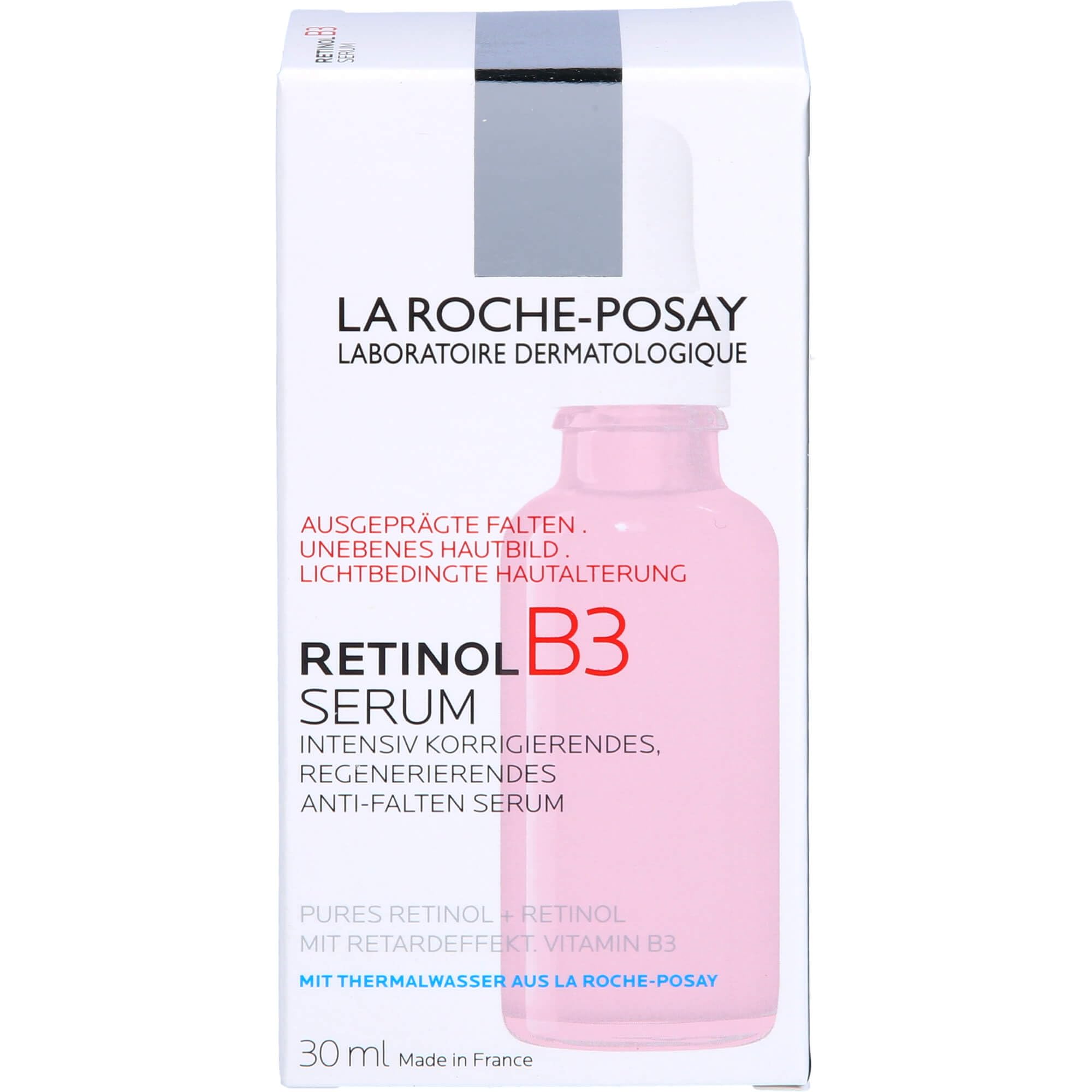
La Roche-Posay Retinol B3 Serum

La Roche-Posay Retinol B3 Serum

Fine lines

Our Score 9.2/10
Check Price

Worth Noting

Size
1 oz
Finish
Lightweight, fast-absorbing
Skin Type
Sensitive skin, retinol beginners
Key Active
Pure and gradual-release retinol, niacinamide, hyaluronic acid

La Roche-Posay's retinol serum takes a different route from the CeraVe pick: pure retinol is paired with gradual-release retinol, niacinamide, and hyaluronic acid, so the formula is trying to smooth fine lines and dark spots while keeping hydration in the mix. That makes it a more cushioned option for someone who wants anti-aging results but has been nervous about retinol.

The texture is light and fast-absorbing, and it layers cleanly under moisturizer. We found the niacinamide and hyaluronic acid gave it a more comfortable feel than a bare retinol, especially on nights when our skin was already a little tight. It is still a retinol, though, and the brand's sensitive-skin positioning is not a free pass: start slowly and use sun protection during the day.

Our reservation is the price and the scent. This is the premium retinol in this group, and the fragrance is noticeable enough that scent-sensitive skin should think twice. If you want a gradual-release retinol with extra hydration and do not mind paying for it, this is the one we point to; if you want the simplest barrier-friendly retinol, the CeraVe is the better value.

Bottom line: We point to this when you want a gradual-release retinol with extra hydration and sensitive-skin positioning.

3

The Ordinary Niacinamide 10% + Zinc 1%

The Ordinary Niacinamide 10% + Zinc 1%

Oily, blemish-prone skin

Our Score 9.4/10
Check Price

Worth Noting

Size
1.06 oz
Targets
Oil, pores, blemishes
Texture
Lightweight water-based
Key Active
10% niacinamide, 1% zinc PCA

Ten percent niacinamide is a lot, and that is exactly why this serum earns a place in a night routine for oily, blemish-prone skin. The formula pairs it with 1% zinc PCA, which is the part that helps with shine and congestion, and the water-based texture is light enough to sit under moisturizer without feeling like another layer. We reach for it when our skin is behaving more oily than dry.

The results we care about are practical: less midday shine, smoother texture around the nose and chin, and a more even look to old marks over time. It is not a hydrating serum in the plush sense, and it will not replace a moisturizer. We patch-tested first and kept it to a thin layer, because the 10% concentration is strong enough to sting if your barrier is already irritated.

That is the trade-off: this is a focused oil-control and texture serum, not the gentlest all-rounder. If your skin is sensitive, the CeraVe retinol or a lower-strength niacinamide makes more sense; if you are oily and want a cheap, no-frills way to calm shine and bumps, this is the one. The small bottle still lasts a while because a few drops cover the whole face.

Bottom line: We reach for this when oil and texture are the main problem, because the 10% niacinamide and zinc formula is focused and effective for blemish-prone skin.

4

COSRX Snail Mucin 96% Serum

COSRX Snail Mucin 96% Serum

Soothing hydration

Our Score 9.2/10
Check Price

Worth Noting

  • Can trigger breakouts in blemish-prone skin
Size
3.38 oz
Finish
Natural glow
Texture
Lightweight essence
Key Active
96.3% snail secretion filtrate

The first pump is a texture test: thick, slippery, and a little stretchy, exactly what you expect from a 96.3% snail secretion filtrate essence. We spread it over damp skin and followed with moisturizer, and the tackiness settled within a few minutes. What stayed was a soft, slightly glassy finish that made it easy to understand why this formula has such a following.

Our verdict is that it is best for soothing hydration rather than serious anti-aging. On nights when our skin felt dry or flushed, it was the serum we reached for because it calmed the surface and left it plump without a heavy cream. The 3.38-ounce bottle is also generous for the price, which matters if you want to use it on the neck and décolletage without rationing.

The limits are real: the tacky phase is not for everyone, and we kept it away from active acne, using it on dry, reactive patches instead. If you want a soothing layer with a bit of novelty and a lot of moisture, it is a strong choice; if your skin clogs easily, patch-test it first.

Bottom line: We like this as a soothing hydration layer for dry or flushed skin that needs a soft, glassy finish.

5

The Ordinary Hyaluronic Acid 2% + B5

The Ordinary Hyaluronic Acid 2% + B5

Budget plumping

Our Score 9.4/10
Check Price

Worth Noting

Size
1.06 oz
Texture
Water-based
Key Active
5 types of hyaluronic acid, vitamin B5
Barrier Support
Ceramides

Five forms of hyaluronic acid, plus ceramides and pro-vitamin B5, is a lot of hydration engineering for a serum at the budget end of this group. The texture is thin and watery, and it spreads further than the price suggests. We tap it onto damp skin after cleansing and seal it with moisturizer, which is the difference between plump skin and a tight, tacky finish.

Our take is that this is the best pure hydration value here. It does not try to be a retinol or a niacinamide treatment; it simply adds water-binding layers and a bit of barrier support. On nights when our skin felt dehydrated but not necessarily irritated, it was the easiest serum to reach for because it layered under almost anything.

The catch is that hyaluronic acid needs moisture around it. Applied to dry skin or left without a moisturizer, it can feel sticky and leave the surface tight. We also noticed it can flake if we piled on too many layers. Use it on damp skin, keep the layer thin, and follow with a cream; do that, and it is a reliable budget plumping step.

Bottom line: We keep this as our budget plumping step for dehydrated skin, especially when it goes on damp and gets sealed with moisturizer.

6

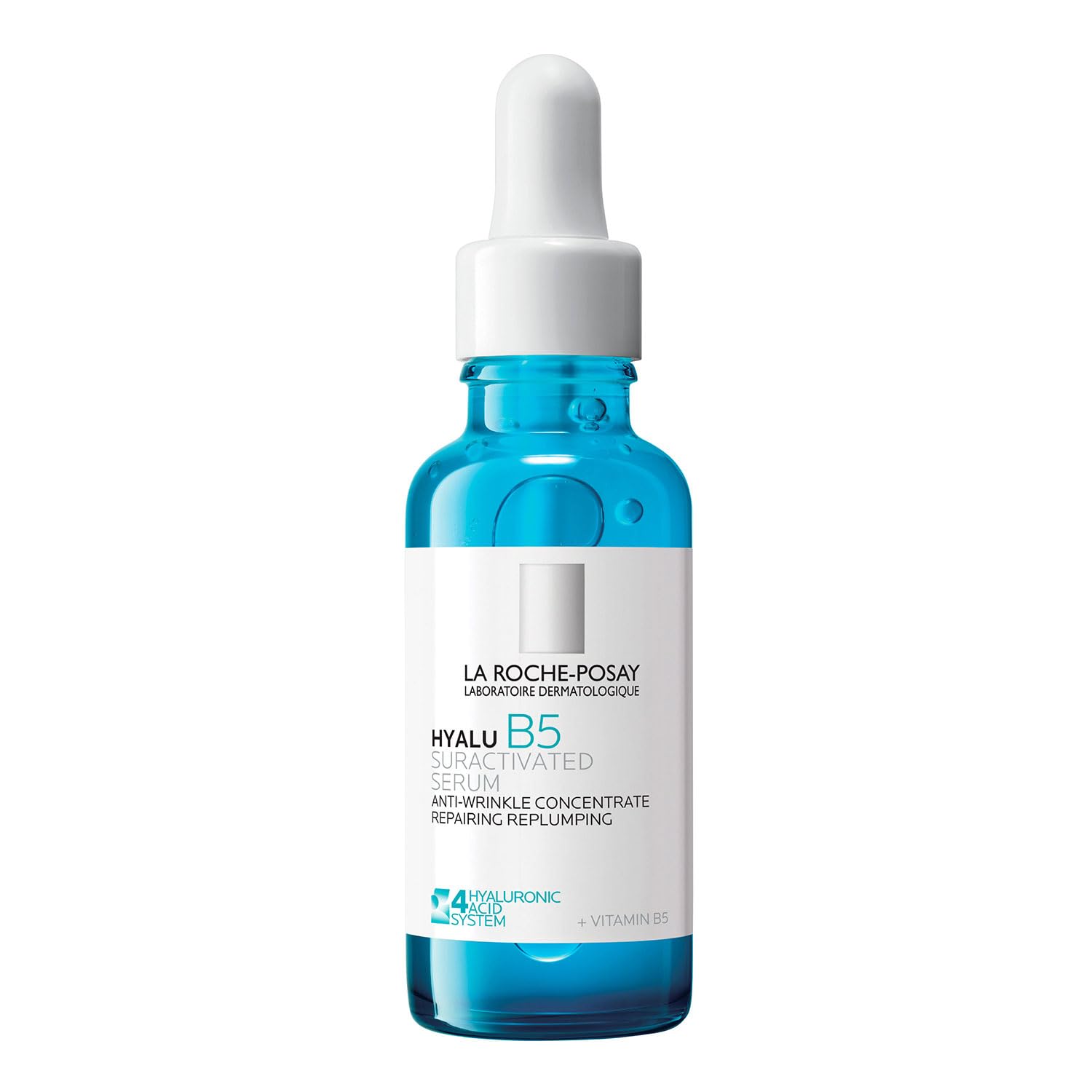
La Roche-Posay Hyalu B5 Serum

La Roche-Posay Hyalu B5 Serum

Dry, mature skin

Our Score 9.2/10
Check Price

Worth Noting

Testing
Dermatologist tested, allergy-tested
Texture
Rich, plumping
Skin Type
All skin types, including sensitive
Key Ingredients
Hyaluronic acid, glycerin, vitamin B5

The Hyalu B5 is the richest hydrating serum in this group, and that is the first thing you notice. It has a plush, almost lotion-like texture for a serum, with pure hyaluronic acid, glycerin, and vitamin B5 doing the work. We reach for it on nights when our skin feels tight after cleansing or when a retinol night has left the surface a little dry.

It absorbs more quickly than the texture suggests and leaves a soft, cushioned finish rather than a wet film. The hydration lasts through the night, and we liked it under a simple moisturizer without feeling like we were wearing two creams. The formula is allergy-tested and positioned for sensitive skin, which is reassuring if you tend to react to active-heavy serums.

The trade-offs are the price and the fragrance. This is a premium hydrating serum, and the scent is noticeable enough that fragrance-sensitive skin should sample it first. It also does not contain retinol or niacinamide, so it is not the one to choose if you want a treatment step rather than a comfort step.

Our verdict is that it earns its place for dry, mature, or easily dehydrated skin that wants plumping and barrier comfort more than another active. If you want the same hydration for less, the Ordinary HA is the budget route; if you want the richer texture and the sensitive-skin testing, this is the upgrade. Just go in knowing it is a comfort serum, not an all-in-one anti-ager.

Bottom line: We choose this when dry, mature skin needs rich hydration and barrier comfort more than another active.

7

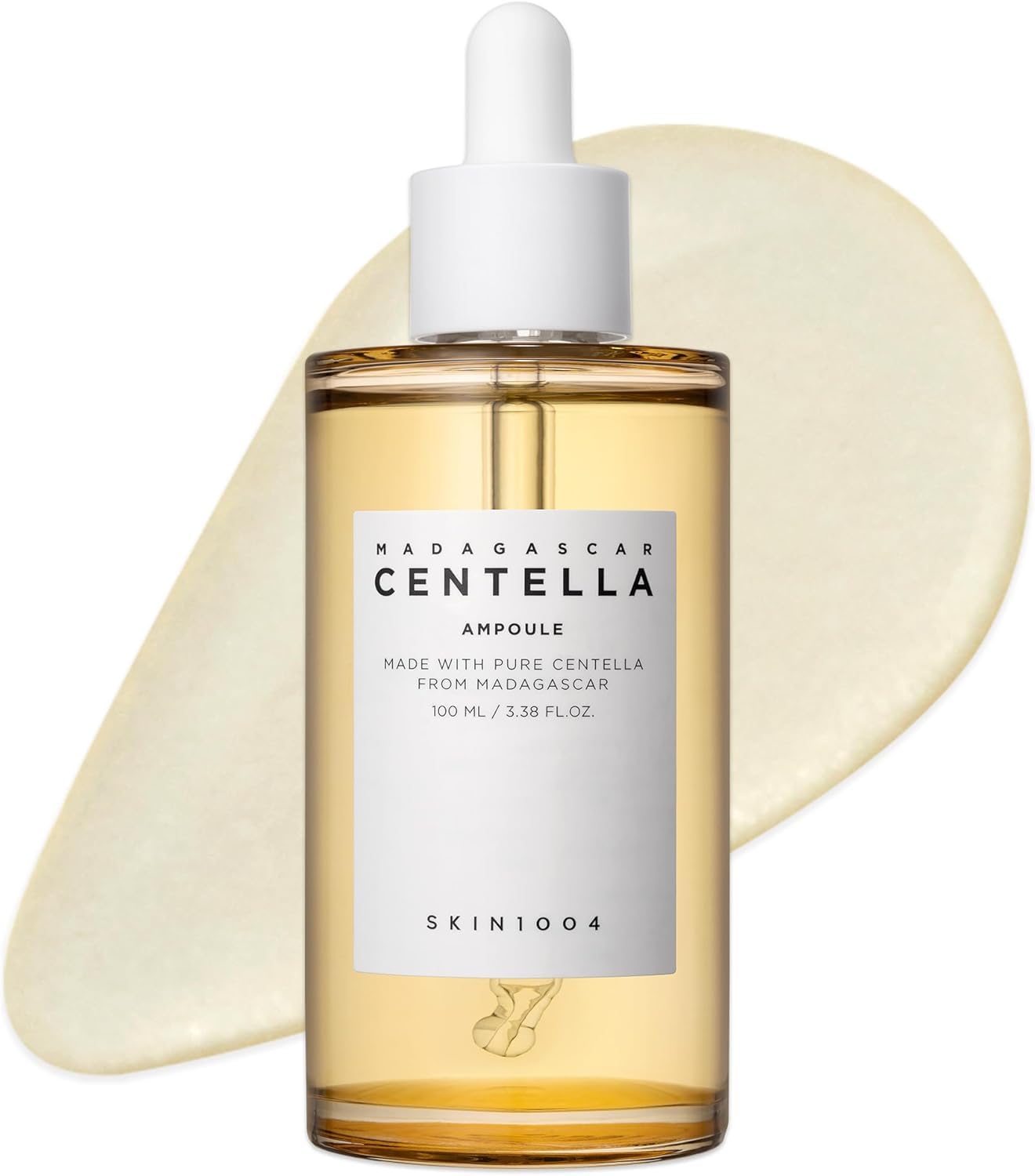
SKIN1004 Centella Ampoule

SKIN1004 Centella Ampoule

Redness-prone skin

Our Score 9.2/10
Check Price

Worth Noting

Size
3.38 fl.oz
Finish
Non-greasy
Texture
Lightweight, fast-absorbing
Key Active
Madagascar Centella Asiatica extract

Centella asiatica is the single headline ingredient here, and the formula is built around it rather than around a long active list. The ampoule is watery and fast-absorbing, which makes it easy to layer on nights when your skin is too irritated for retinol or niacinamide. We used it on redness-prone areas and found it more soothing than treatment-focused.

The 3.38-ounce bottle is unusually generous for a serum, and the texture stays light enough to use on the neck and chest without feeling sticky. It is not a dramatic resurfacing product; the appeal is calm, hydrated skin that looks less flushed in the morning. If your skin is reactive and you want a simple soothing step, it fits that role.

Our reservation is that centella is not for everyone. Some reactive skin loves it, and some breaks out from it, so patch-test before committing to the full bottle. It also will not do the work of a retinol or a niacinamide serum, so do not expect it to fade marks or refine pores on its own. Keep it in the rotation for flare-ups rather than as your only serum.

Bottom line: We rely on this for redness-prone nights when skin needs calming hydration and a lightweight layer.

8

medicube PDRN Pink Peptide Serum

medicube PDRN Pink Peptide Serum

Firmness and glow

Our Score 9.2/10
Check Price

Worth Noting

Size
1.06 oz
Texture
Lightweight pink serum
Skin Type
All skin types
Key Active
Salmon DNA PDRN, niacinamide, peptides, adenosine

PDRN, or salmon DNA, is the headline in medicube's pink serum, but the formula also includes niacinamide, peptides, and adenosine. That combination is aimed at firmness, glow, and a more even look rather than at intense exfoliation. The texture is lightweight and slightly pink, and it absorbs quickly enough to sit under moisturizer without much waiting.

We found it most useful as a glow-and-firmness step on nights when our skin did not need a retinol. The niacinamide and peptides give it more substance than a plain hydrating serum, and the finish is fresh rather than heavy. It is not a replacement for a dedicated retinol if fine lines are your main concern, but it is a pleasant way to add a treatment layer.

The formula can feel sticky if you use too much, and the mix of actives means breakout-prone skin should introduce it slowly. We also treat the PDRN claims with some restraint: the peptides and niacinamide are the familiar workhorses here, and the pink color is not what earns it a place. That does not make it a bad serum; it just makes it a support step.

Our verdict is that it is a good supplementary pick for someone who wants a modern peptide serum with a glow finish and does not mind paying midrange money for it. If your priority is proven retinol or barrier repair, the CeraVe and La Roche-Posay picks are more direct. If you are curious about PDRN, start here and keep your retinol on a separate night.

Bottom line: We see this as a midrange glow-and-firmness step for anyone curious about PDRN and peptide serums.

How We Tested the Best Night Serums

We started with a shortlist of about 60 serums and read ingredient lists before we read a single review. Actives had to be at a concentration with real evidence behind them, formulas needed a supporting cast — ceramides, glycerin, panthenol, centella — to buffer the stronger ones, fragrance had to be absent or far down the list, and the price per ounce had to make nightly use something you'd actually sustain. That filtering left 14.

Each of the three of us patched a drop behind the ear for three nights before anything went on our faces, since one tester has reactive skin that flushes easily, one is oily and blemish-prone, and one runs dry and dehydrated. Every serum got at least two weeks of nightly use on clean, slightly damp skin with a plain moisturizer over it. We logged how it felt in the first two minutes — tacky, slippery, greasy, or gone — whether a scent lingered, whether it pilled under morning sunscreen, and how many drops a full face took, which is how we calculated cost per night.

Every Sunday we photographed bare skin under the same bathroom light and compared it against a mark or patch of texture each tester had picked at the start. Each morning we noted tightness across the cheeks and shine down the nose, and pressed a tissue to one cheek to see whether anything greasy came off. We also wrote down stinging on contact, redness along the nose, and any flaking around day four or five on the retinols, and we tracked how long a bottle lasted — anything that ran dry in under six weeks lost ground on value.

How to Choose a Night Serum

Match the Active to Your Main Concern

Retinol is the one to choose for fine lines, post-acne marks, and rough texture; niacinamide suits oiliness, enlarged pores, and blemish-prone skin; hyaluronic acid is for dehydration and plumping; snail mucin and centella are for soothing and comfort. We prefer one clear primary active over a serum that claims to do everything, because it is easier to tell whether it is working and easier to pull back if your skin reacts. A formula like CeraVe's, which pairs retinol with niacinamide and ceramides, is the exception we trust because the supporting ingredients have a job.

Respect Your Skin's Tolerance

Strength is not the same as results. A 10% niacinamide serum can be excellent for oily skin and too much for a reactive barrier, while a gradual-release retinol may suit a first-time user better than a high-strength formula. We patch-test behind the ear or along the jaw before using a new active on the whole face, and we start retinol two or three nights a week rather than nightly. If a serum stings, itches, or leaves skin tight, stop and simplify before adding it back.

Decide How Much Texture You Will Tolerate

Night serums sit under moisturizer, so a tacky or pilling finish is more than a cosmetic annoyance. Hyaluronic acid serums need damp skin and a seal of moisturizer; snail mucin can feel slippery before it dries; rich formulas like Hyalu B5 feel plush but take longer to settle. We apply thin layers and wait a minute before the next step. If you sleep on your side or use a silk pillowcase, a serum that never quite dries will be the one you stop reaching for.

Spend Where the Formula Earns It

The budget end of this group is genuinely strong: The Ordinary's niacinamide and hyaluronic acid serums prove that a focused formula does not need a luxury markup. We reserve the premium spend for formulas that add something specific, such as La Roche-Posay's gradual-release retinol or the richer Hyalu B5 texture. Check the bottle size against how much you use, especially if you apply serum to your neck. A larger bottle at a midrange price can be better value than a tiny premium one.

Frequently Asked Questions

Final Verdict

We recommend CeraVe Resurfacing Retinol Serum as the default night serum for most shoppers because it pairs encapsulated retinol with niacinamide and ceramides, so it goes after texture, marks, and fine lines without abandoning barrier support. If your skin is sensitive and you want a gradual-release retinol, La Roche-Posay Retinol B3 is the upgrade; if oil and breakouts are the main issue, The Ordinary Niacinamide 10% + Zinc 1% is the more direct, budget-friendly choice.