Skincare

Best Lotions for Combination Skin of 2026

Combination skin is a negotiation you redo every morning: your forehead and nose want nothing to do with a rich cream, and your cheeks act personally offended by anything light. The wrong formula leaves the T-zone shining by lunch or the jaw tight and flaky by three. What you actually need is a lotion that hydrates evenly without announcing itself — one that sinks in, layers under sunscreen, and doesn't turn on you halfway through the day. Over the past six months, my team and I put 14 formulas through full morning and evening routines to find the ones that genuinely balance.

The tricky part is that combination skin isn't fixed — the balance shifts with the season, the office thermostat, and the week you're having. A formula that feels perfect in January can turn into a raincoat by July. So texture and absorption carried a lot of weight: the good ones spread thin, disappear in under a minute, and leave no film for makeup to catch on. The ones that held up over those six months are below.

1

CeraVe PM Daily Moisturizer

Top Pick
CeraVe PM Daily Moisturizer

Overall balance

Our Score 9.4/10
Check Price

Worth Noting

  • No SPF for daytime wear
Size
3 oz
Texture
Lightweight lotion
Skin Types
Normal to dry
Key Ingredients
Niacinamide, MVE

The oil-free lotion is the reason CeraVe PM is our default for combination skin. It spreads thin, sinks in without a shine, and leaves the T-zone comfortable rather than slick. Niacinamide and MVE delivery are the functional core; we noticed the finish more than the ingredient list, because it never feels like a cream sitting on top of the skin.

We used it at night and on bare-skin mornings, and the texture is the part that makes it flexible. It is labeled for normal to dry skin, which sounds richer than it is; on combination skin, it hydrated dry cheeks without turning the center of the face into a slip hazard. The 3-ounce bottle is easy to keep in a bathroom drawer, and a little goes further than the size suggests. We also appreciate that it does not leave a tight film after it dries.

What we keep coming back to is the balance: it is light enough for shine-prone skin, substantial enough for dry patches, and practically scentless. If you want a single product that feels like nothing on the T-zone but still leaves cheeks comfortable, start here. The only thing we plan around is sunscreen, because this formula does not include it.

Bottom line: We recommend CeraVe PM first for combination skin: it is oil-free, lightweight, and scentless, with niacinamide and MVE for steady hydration without a greasy finish.

2

Cetaphil Daily Hydrating Lotion

Cetaphil Daily Hydrating Lotion

Everyday combination skin

Our Score 9.2/10
Check Price

Worth Noting

  • No SPF for daytime use
Size
3 oz
Texture
Lightweight lotion
Skin Types
Combination
Key Ingredients
Hyaluronic acid

The combination-skin label on Cetaphil's bottle is a useful shortcut, but the texture is what sold us. It is a watery lotion that spreads in a thin layer and disappears quickly; there is no cushion or film left behind. Hyaluronic acid gives it a hydrating brief, and the fragrance-free formula stayed comfortable on our reactive days.

For combination skin, that thinness is the point. We used it in the morning under makeup and at night when the T-zone wanted less, and it kept dry cheeks from feeling tight without making the center of the face shiny. The 24-hour moisture claim is a listing claim, not something we timed; what we can say is that it lasted through a normal workday.

The catch is the consistency. It is runny enough to slide through your fingers if you are not ready, so we learned to dispense a little at a time and pat it in. That is a technique fix, not a reason to skip it. If your cheeks are very dry in winter, you may want a richer layer on top; for most combination skin, this is the lightest everyday option here.

Bottom line: We reach for Cetaphil when we want the thinnest, most water-light layer for combination skin; it hydrates without shine, though it is not the richest choice for very dry cheeks.

3

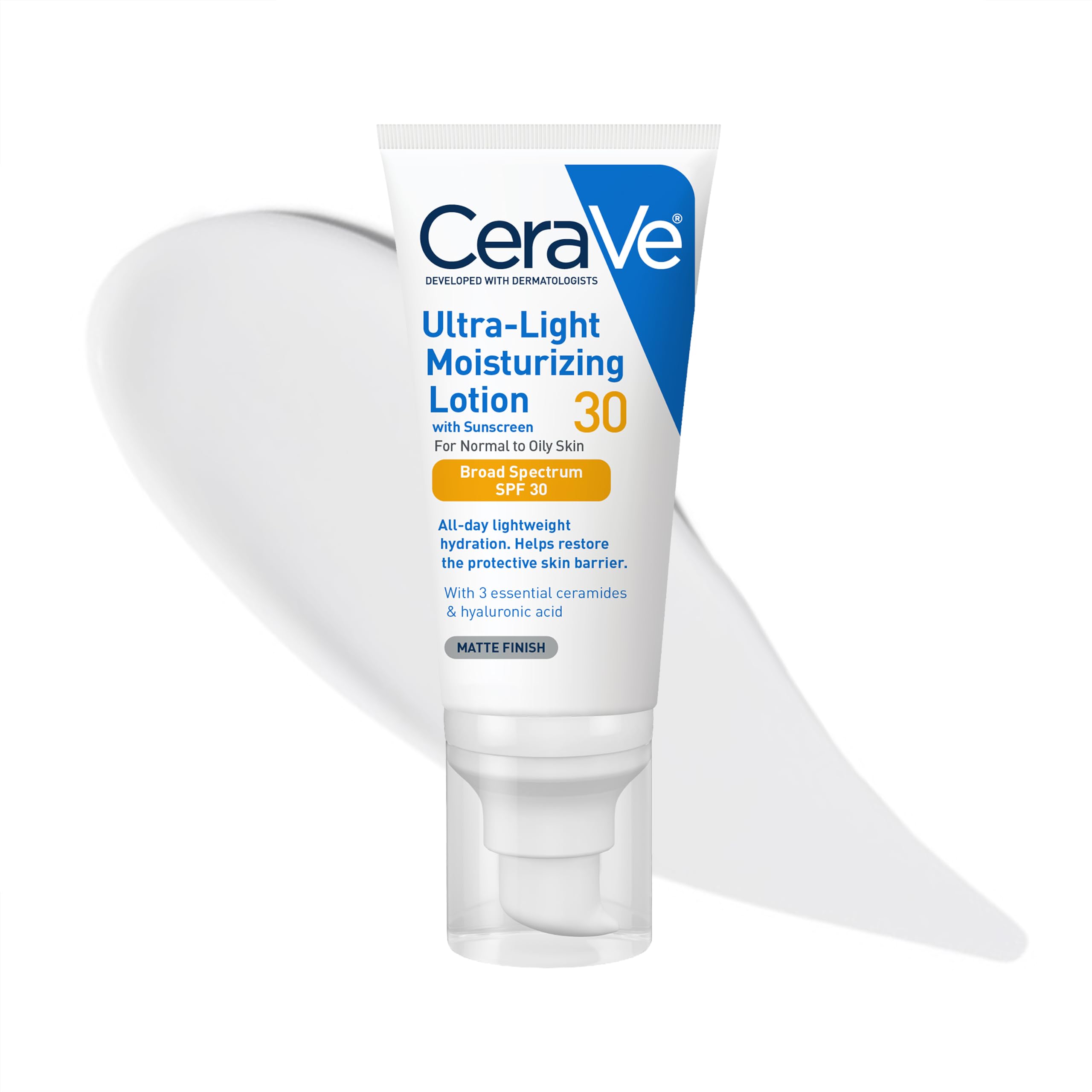
CeraVe Ultra-Light SPF 30

CeraVe Ultra-Light SPF 30

Daytime protection

Our Score 9.4/10
Check Price

Worth Noting

  • Small tube empties quickly with daily use
SPF
30
Size
1.7 oz
Finish
Matte
Key Ingredients
Ceramides

A moisturizer with SPF usually asks you to accept a compromise: white cast, a heavy film, or a smell. CeraVe Ultra-Light avoids all three. It is the matte-finish pick here, and that finish is why we kept reaching for it on humid mornings when the T-zone sets the tone for the whole day.

The formula is oil-free and fragrance-free, with ceramides and broad-spectrum SPF 30. We found it spreads like a lotion rather than a sunscreen, and it dries down without the tacky pause we expect from some SPF moisturizers. It is not a replacement for a dedicated sunscreen if you are spending the day outside, but for a commute and a normal workday, it is the easiest way to get protection into a combination-skin routine.

The eye area is where we are careful. If you apply it close to the lash line, it can sting, so we keep it on the face and use a separate eye cream or nothing at all. That is a small placement issue, not a reason to abandon it. For the shine-prone side of combination skin, this is the daytime pick we recommend first.

Bottom line: If you want moisturizer and SPF in one step, we have not found a better fit here: CeraVe Ultra-Light dries matte, leaves no white cast, and feels genuinely light.

4

Vanicream Daily Facial Moisturizer

Vanicream Daily Facial Moisturizer

Sensitive combination skin

Our Score 9.2/10
Check Price

Worth Noting

  • A touch richer than a gel
Size
3 fl oz
Texture
Lightweight lotion
Skin Types
Sensitive
Key Ingredients
Hyaluronic acid, ceramides

The ingredient list is the pitch: no fragrance, dye, lanolin, parabens, botanical extracts, or essential oils. That short list is why Vanicream is the pick for combination skin that also reacts easily. It is a lightweight lotion with hyaluronic acid and five ceramides, and it has the National Eczema Association seal, which matters if your skin protests at the first sign of a new product.

We tested it on the days when the T-zone was oily and the cheeks were flaky, and it handled both without a greasy after-feel. It sinks in quickly and leaves a soft, natural finish rather than a glow. That makes it a good base for makeup, though it will not give you the dewy look some Korean creams do.

The finish is soft and natural rather than dewy, which we prefer for daytime. For sensitive combination skin, the trade-off is worth it: you get barrier ingredients without a long list of potential irritants. We prefer the calm finish to a prettier bottle.

Bottom line: Vanicream is our pick for combination skin that reacts easily: the short, fragrance-free formula calms without grease, and the ceramides support a stressed barrier.

5

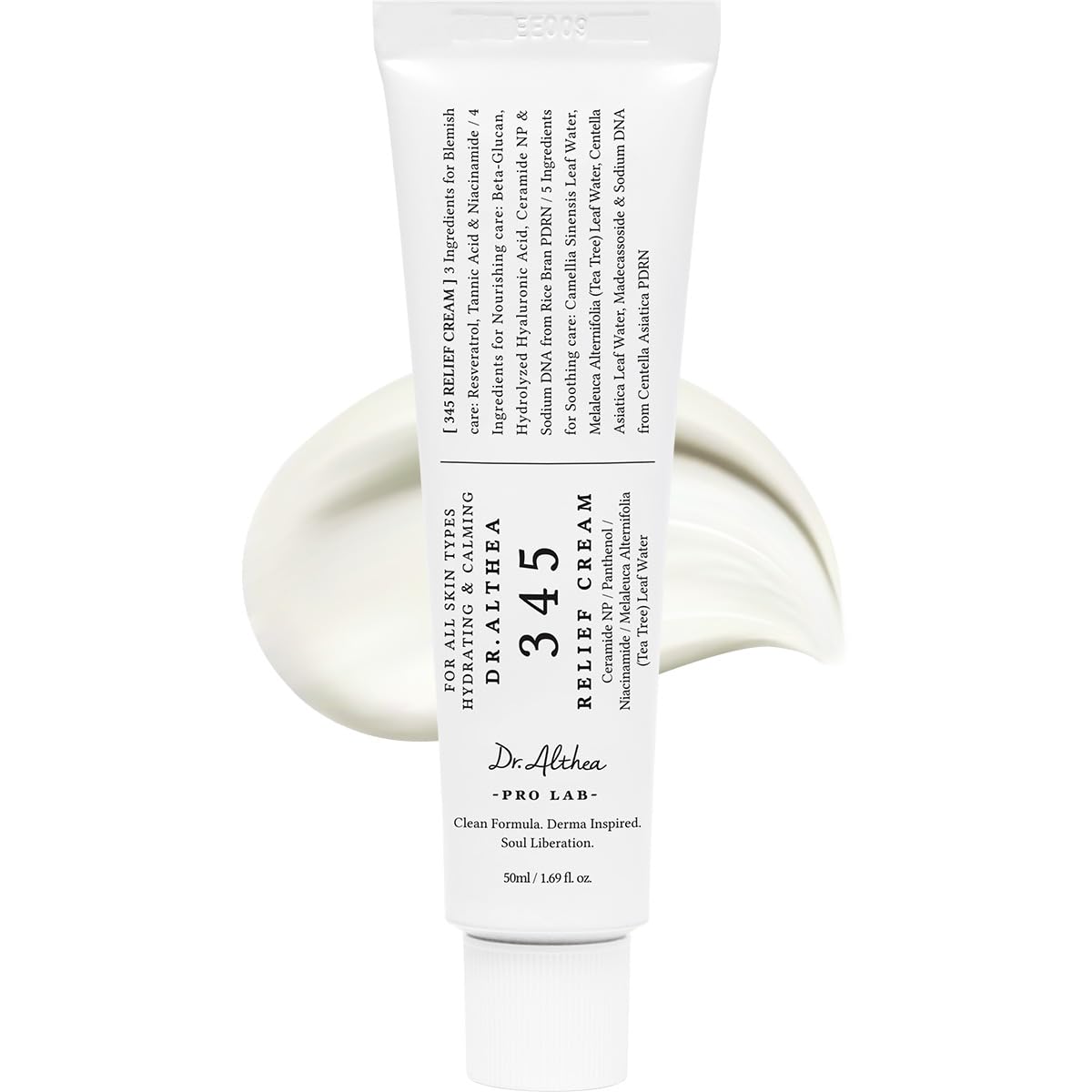
Dr.Althea 345 Relief Cream

Dr.Althea 345 Relief Cream

Blemish-prone skin

Our Score 9.2/10
Check Price

Worth Noting

  • Small tube for the price
Size
1.69 fl oz
Texture
Silky cream
Skin Types
Sensitive, blemish-prone
Key Ingredients
Niacinamide, centella

Dr.Althea's 345 Relief Cream reads like a product built for combination skin that breaks out: niacinamide for tone, centella and madecassoside for redness, ceramide NP for the barrier, and a silky finish that is not greasy. We were interested before we opened the tube because those are the ingredients we look for when the T-zone is both oily and irritated.

In use, it is the most soothing cream here. It has enough body to comfort dry cheeks but spreads thin enough that we did not feel it sitting on the oily parts of the face. The finish is semi-matte rather than powdery, and it layers well under makeup. If your combination skin is also acne-prone, this is the one we point to first.

The packaging is the annoyance. The tube is a cool concept until it gets low, when the design makes the last third harder to squeeze out than it should be. That is a small irritant, not a formula problem. We still keep it in the rotation for weeks when the skin is reactive and we want one cream that calms rather than coats.

Bottom line: For combination skin that also breaks out, we choose Dr.Althea: it soothes redness and blemishes with a silky, non-greasy finish that layers neatly under makeup.

6

La Roche-Posay Toleriane Double Repair

La Roche-Posay Toleriane Double Repair

Barrier repair

Our Score 9.2/10
Check Price

Worth Noting

  • Middling value for the amount
Texture
Lightweight cream
Moisture
48 hours
Skin Types
All skin types
Key Ingredients
Ceramide-3, niacinamide

The creamy texture is the first thing we noticed, and it tells you where this moisturizer fits. It is richer than a watery lotion but still spreads without a heavy film, so it is the pick for combination skin whose dry cheeks need more than a gel can give.

The formula is built around barrier repair: ceramide-3, niacinamide, glycerin, and prebiotics, with a 48-hour moisture claim. We did not time the 48 hours; we can say it kept dry patches comfortable through a full day and felt soothing on windburned cheeks. It is fragrance-free, which is a plus for reactive skin.

The trade-off is makeup. On some foundations, we saw it pill around the nose and hairline, especially when we applied too much. A thinner layer and a minute to set solved it for us. If you do not wear base makeup, this is an easy barrier-repair pick; if you do, it asks for a little patience.

Is it the best all-rounder here? No. CeraVe PM is lighter and easier to layer. But for the combination-skin person who wants a creamier night option and does not mind the extra step, it earns its place.

Bottom line: We recommend La Roche-Posay when dry cheeks need barrier repair more than oil control; the creamy texture is soothing, though it asks for a thin layer under makeup.

7

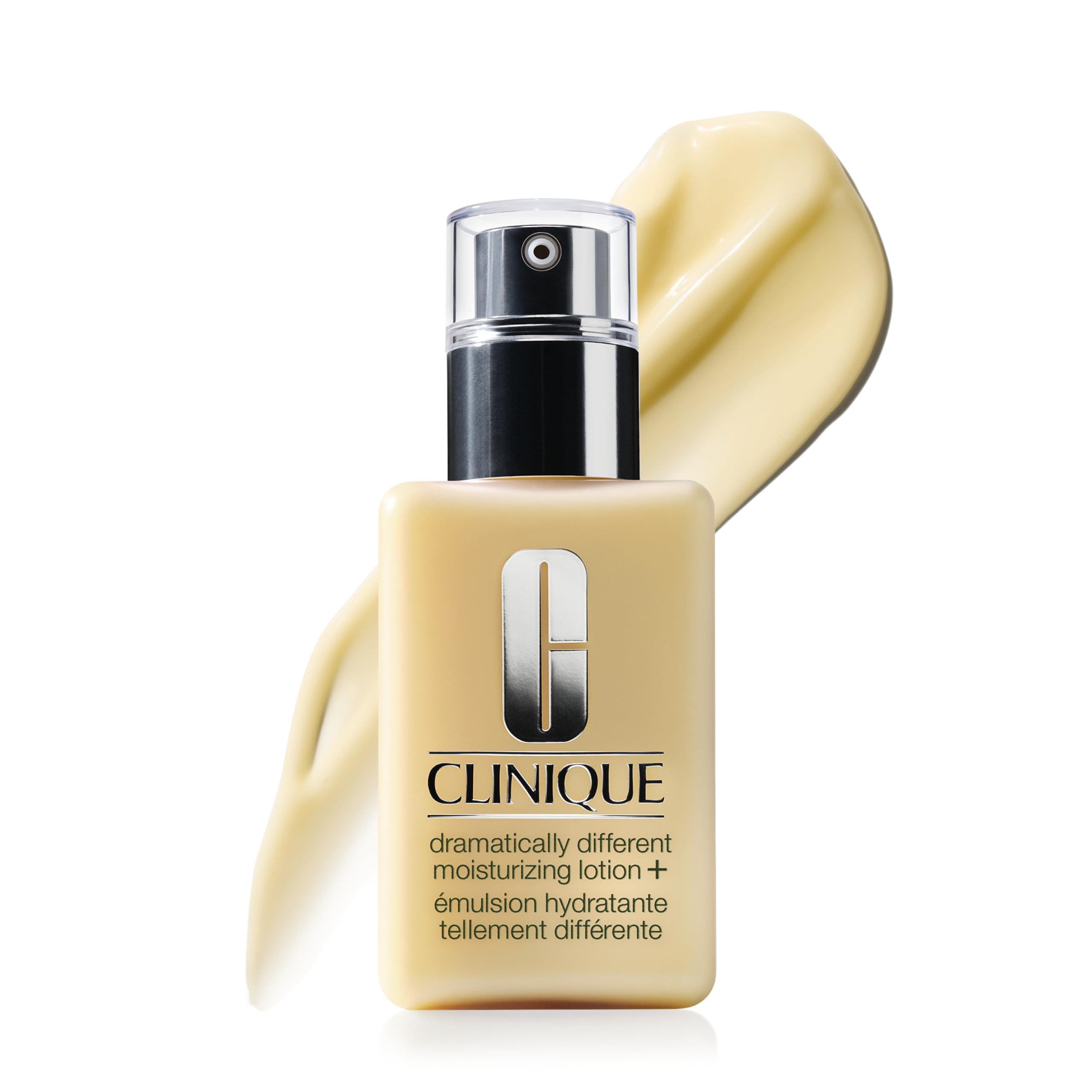
Clinique Dramatically Different Lotion+

Clinique Dramatically Different Lotion+

Premium routine

Our Score 9.4/10
Check Price

Worth Noting

Texture
Lightweight lotion
Moisture
Long-lasting
Skin Types
Sensitive
Key Ingredients
Glycerin, urea

The premium price is the first thing to get out of the way: Clinique's Dramatically Different Lotion+ costs more than most picks here, and it does not add SPF or a trendy ingredient. What it does offer is a classic, lightweight lotion texture that has stayed in routines for decades.

The formula uses glycerin and urea to bind moisture, and it is allergy tested and fragrance-free. We did not verify the two-hour barrier claim; we did notice that it absorbs quickly and leaves a soft, non-greasy finish. It is a reasonable choice for sensitive combination skin that wants a plain lotion rather than a treatment.

We liked it most under makeup. It does not pill, it does not leave a glow that turns shiny by lunch, and the pump gives you control over the amount. On dry cheeks it is comfortable; on the T-zone it is light enough to forget. It is not a treatment product, and it will not mattify the way the CeraVe SPF does.

So why pay more? For the pump, the reliable texture, and the fact that it is a no-drama lotion you can use morning and night. If you want a premium product that feels like a classic rather than a serum, this is the one. If you want the best value, CeraVe PM does the same job for less.

Bottom line: Clinique is the premium pick we keep for the person who wants a classic, no-drama lotion: it is light, non-greasy, and reliable under makeup, at a higher price.

8

The Ordinary NMF + HA

The Ordinary NMF + HA

Budget barrier care

Our Score 9.2/10
Check Price

Worth Noting

  • Can break out reactive skin
Texture
Lightweight cream
Fragrance
Fragrance-free
Barrier Support
NMF + HA
Key Ingredients
Amino acids, ceramides

The price is the headline, but the formula is why The Ordinary's NMF + HA stays in the rotation. It is a lightweight cream built from amino acids, fatty acids, ceramides, urea, and hyaluronic acid, and it has the National Eczema Association seal. That is a lot of barrier support for a product that costs less than most of the others here.

We found it spreads easily and dries down without a greasy film. It is not as watery as Cetaphil or as creamy as La Roche-Posay; it sits in the middle, which makes it a good night option for combination skin. In the morning, it works under sunscreen as long as you give it a minute to set.

The texture can be deceiving. It feels light going on, but it does not always give dry cheeks the same cushion as a richer cream. On very dry days, we layered it twice or topped it with a balm on the cheeks. That is a routine tweak, not a flaw.

The formula will not suit every reactive face, so a patch test is worth the 24 hours. For everyone else, it is the best budget barrier cream here and a smart way to spend less without dropping the ingredients that matter.

Bottom line: The Ordinary is the budget barrier pick we recommend when you want ceramides and hyaluronic acid without a high price; just patch test if your skin is reactive.

9

ANUA PDRN Hyaluronic Cream

ANUA PDRN Hyaluronic Cream

Under makeup

Our Score 9.2/10
Check Price

Worth Noting

  • Can break out reactive skin
Size
2.02 fl oz
Texture
Lightweight cream
Skin Types
Breakout-prone
Key Ingredients
PDRN, hyaluronic acid

The no-pilling claim is what made us try ANUA's PDRN cream under makeup. Plenty of lightweight moisturizers feel fine on bare skin and then roll into little bits under foundation; this one stayed put. That alone makes it worth a look for combination skin that wants a smooth base.

The texture is a light cream that absorbs fast and leaves a silky, non-sticky finish. It has hyaluronic acid and PDRN derived from salmon DNA, and the brand lists it as non-comedogenic. We did not test the DNA claim; we did notice that it made the skin look fresher and slightly glowy without turning the T-zone into an oil slick.

It is also one of the better options here for layering. We used it under sunscreen and foundation without pilling, and it did not make the face feel like it had an extra layer. The 2.02-ounce tube is small enough to travel with and easy to keep in a morning routine.

The caveat is reactive skin. This is not the one we recommend first if your skin is easily irritated, so a patch test is the sensible first step. If your skin tolerates it, the finish is one of the prettiest here.

For the right face, it is a lovely daytime cream: light, glowy, and makeup-friendly. It will not replace a richer night cream on dry cheeks, but it is the one we reach for when the morning routine has to end in foundation.

Bottom line: ANUA is the one we reach for when makeup has to go on smoothly: it is light, glowy, and does not pill, though reactive skin should patch test first.

How We Tested 14 Lotions for Combination Skin

We built the shortlist from the formulas dermatologists recommend most often and the ones readers ask about by name, then cut anything heavily fragranced, anything that skewed toward a rich night cream, and anything priced so high that using it twice a day felt wasteful. That left 14 lotions, from watery gels to cushioned creams.

Each one went into a real routine for six months. Testers applied it on clean skin every morning and again at night, and we deliberately layered the morning application under sunscreen and foundation to see whether it pilled, slid, or grabbed. We noted how long each took to disappear into the skin and how the T-zone looked by mid-afternoon — shine on the forehead and nose knocked more than one formula out of contention.

Skin compatibility got its own log. Anyone with reactive or acne-prone skin recorded stinging, redness, or small bumps around the nose and hairline within the first week, and a few formulas were dropped for that alone. We tracked fragrance too — whether a scent was listed and whether you could still smell it ten minutes in — and did the unglamorous math on price per ounce against how many pumps a single face actually needs. Hydration was judged the morning after, by feel rather than by the label: tight cheeks were a fail, and so was a film sitting on top of the skin.

How to Choose a Lotion for Combination Skin

Match the texture to the two zones

A gel is the easiest choice if shine is the main complaint, but it can leave dry cheeks tight. A lotion sits in the middle: thin enough to spread over the T-zone, with enough emollients to soften cheeks. A cream is best saved for night or winter, or for cheeks that flake.

We prefer a lightweight lotion for most combination skin because it gives you room to layer more on the cheeks without adding a second product. If you want one bottle for morning and night, start with a lotion like CeraVe PM or Cetaphil.

Look at the finish and how it layers

A moisturizer can be non-greasy and still pill under foundation. That usually comes from too much product or a formula that does not set; a thin layer and a minute of wait time fix most of it. If you wear makeup daily, choose a fast-absorbing lotion with a matte or natural finish.

CeraVe Ultra-Light is the matte option here; ANUA is the one we reach for when we need a smooth base. Save richer creams for night, when pilling does not matter.

Prioritize barrier ingredients and a short irritant list

Ceramides, niacinamide, glycerin, and hyaluronic acid are the ingredients we look for in a combination-skin lotion. They support the barrier without turning the formula into a heavy cream. Fragrance-free and non-comedogenic labels matter if your skin breaks out or stings easily.

Vanicream is the safest bet for reactive skin; Dr.Althea is the better fit when blemishes and redness are part of the picture. A long botanical list is not automatically better.

Decide whether SPF belongs in the moisturizer

A moisturizer with SPF saves a step in the morning, but it is not a free lunch. You still need to reapply for extended sun exposure, and some formulas leave a cast or sting near the eyes. For combination skin, a matte SPF 30 like CeraVe Ultra-Light is the most comfortable compromise we tested.

If your skin is dry, layer a plain lotion underneath. At night, use a separate moisturizer without SPF.

Spend where it changes your routine

The budget picks here are not compromises. CeraVe PM, Cetaphil, and The Ordinary all use barrier-friendly ingredients and cost less than the premium options. Pay more only if you want a specific texture, a pump, or a creamier night product.

We prefer to spend on the formula we will use every day, not on the label. If a premium lotion makes you more consistent with your routine, it can be worth it; if not, put the difference toward a sunscreen you will actually reapply.

Frequently Asked Questions

Final Verdict

CeraVe PM Daily Moisturizer is the one we recommend first for combination skin. It gives the T-zone a light, oil-free layer, gives dry cheeks enough moisture, and stays practically scentless. If you want an SPF moisturizer for daytime, CeraVe Ultra-Light is the better choice; if you prefer a formula explicitly labeled for combination skin, Cetaphil is the thinner, water-light option. We keep all three in the rotation because they solve different parts of the same routine.