Jewelry

Best Fitness Watches for Women of 2026

A fitness watch asks you to make a trade: the pretty ones often track like an afterthought, and the ones that record everything look like lab equipment. Most of us are trying to dodge that trade. What you want is a watch that passes at dinner and still gets it right — your steps on the dog walk, your heart rate through a spin class, the hours you actually slept instead of the hours you spent staring at the ceiling.

I wore a bulky GPS watch for years, mostly out of habit. Over the past six months, my team and I have worn 12 fitness watches, from budget trackers to full GPS smartwatches, through workouts, workdays, and overnight. Two things surprised me: setup and phone pairing vary wildly from watch to watch, and two watches can land dozens of steps apart on the same walk. Fit matters more than spec sheets admit, too — a smaller case on a small wrist reads as jewelry, a larger one reads as a sports watch you forgot to take off. The ones below are the watches we kept reaching for after testing ended.

1

Garmin vívoactive 5

Top Pick
Garmin vívoactive 5

Serious training

Our Score 8.6/10
Check Price

Worth Noting

  • No text replies from the wrist on iPhone
  • Reliability is the open question
GPS
Built-in
Battery
Up to 11 days in smartwatch mode
Display
1.2" AMOLED, 390 x 390
Water Resistance
50 meters

Eleven days is the number that reorganized our week. In smartwatch mode the vívoactive 5 runs up to 11 days between charges, or five with the display always on, and that is the difference between a watch you keep on overnight and one you leave on the nightstand. Switch on GPS for a long run and the count falls fast, as it does on every watch here, but on ordinary days we stopped thinking about the charger entirely.

As a training tool it's the most complete watch in this group. Built-in GPS means you can run, ride or hike without your phone, more than 30 sport profiles cover everything from strength work to swimming, and Body Battery, sleep coaching and HRV status turn the readings into something you can act on. The 42 mm case weighs about an ounce and a third, so it sits flat on a smaller wrist instead of sliding around, and the AMOLED display is crisp at 390 by 390.

Two things surprised us. The menus go deeper than a casual wearer needs, and the first week is genuinely fiddly while you learn where everything lives. The lens is also the part to protect: ours picked up fine scratches faster than the screen quality deserves, which matters if you wear a watch against gym equipment. Neither is a reason to skip it — they're the cost of the data.

What the premium buys is interpretation rather than features. A morning readiness number that shifts after a bad night's sleep, coaching that assumes you'll keep it on in bed — budget watches here hand you a dashboard, and this one hands you a decision.

Bottom line: If you want one watch that handles training, sleep and recovery without a nightly charge, this is the one we recommend — provided you're on a phone that can live without text replies from your wrist.

2

aeac Smart Watch AR-01

aeac Smart Watch AR-01

Everyday all-rounder

Our Score 8.8/10
Check Price

Worth Noting

  • Bluetooth link can drop and need re-pairing
  • No text replies from the wrist
Battery
Up to 10 days
Display
1.32" AMOLED, 466 x 466
Case Size
43 mm
Water Resistance
3ATM

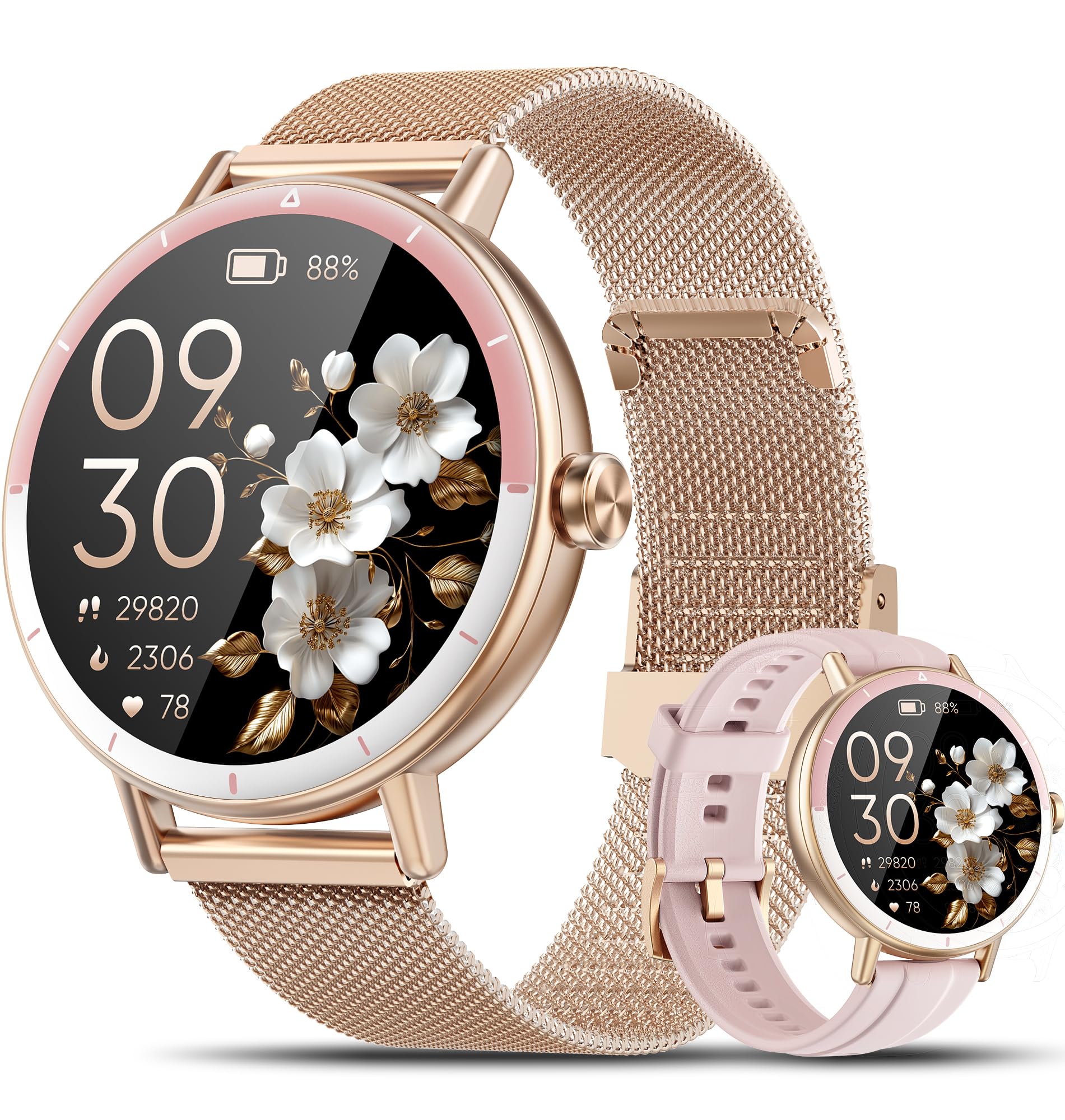
Rose gold, a metal link band and a 1.32-inch AMOLED display at 466 by 466: the AR-01 is the one here that looks like it came off a jewelry counter rather than out of a sports drawer. That matters more than it sounds. A watch you like the look of is a watch you keep wearing, and the finish is the detail we came back to on the days we weren't exercising.

Underneath the finish it's a genuinely useful everyday tracker. Heart rate, sleep, blood oxygen and stress all land in one app, cycle tracking is built in, and 110-plus sport modes run from yoga to swimming on the back of a 3ATM rating. It's rated for up to 10 days on a two-hour charge; realistically you'll plug it in weekly, which is a different life from a nightly routine. At this price we expected to make excuses for it and didn't have to.

The weak spot is the connection. Pairing is quick out of the box, but calls and messages are where it's least consistent: you can answer a call from your wrist, yet text replies are limited, and the Bluetooth link can drop and need re-pairing. If your phone is in your hand all day that will grate. If you mainly want steps, sleep and a call alert while your hands are full, it's a fair trade.

Bottom line: The best-looking watch here that still covers the health basics properly, with a battery that outlasts a long weekend — we recommend it to anyone who wants a tracker that reads as a dress watch.

3

Apple Watch SE 3

Apple Watch SE 3

iPhone owners

Our Score 9.4/10
Check Price

Worth Noting

  • About 18 hours per charge
  • iPhone only
Battery
Up to 18 hours
Case Size
40 mm
Compatibility
iPhone only
Health Sensors
Temperature sensing

One question decides this watch: is your phone an iPhone? That's the only phone it will pair with. If the answer is yes, the SE 3 gives you the tightest integration here — messages, calls, Siri, your existing apps — with none of the third-party app friction that comes with the budget watches.

As a fitness tracker it covers the fundamentals properly. Workouts log without much input from you, the rings nudge you off the couch, sleep tracking runs on its own, and temperature sensing feeds the Vitals and Cycle Tracking apps. That last part is the one place here where cycle data comes from a sensor rather than a manual log. Fall and crash detection with automatic emergency calling is the feature nobody wants to need and a real reason some people buy it.

The battery is the honest compromise: about 18 hours, so a daily charge, though it tops up faster than the previous generation. The 40 mm case suits smaller wrists, but if you like a large watch face this one will feel small, and size is the most divisive thing about it. Android users can stop reading, because nothing here works for you.

Bottom line: For anyone already living in Apple's world this is the easiest watch to own, with the best safety features in this group — just plan on charging it every single day.

4

HOMOGO Smart Watch

HOMOGO Smart Watch

Budget do-everything

Our Score 9.2/10
Check Price

Worth Noting

  • No built-in GPS for phone-free runs
Bands
Stainless steel and silicone
Display
1.83" HD touchscreen
Sports Modes
100+
Water Resistance
IP68

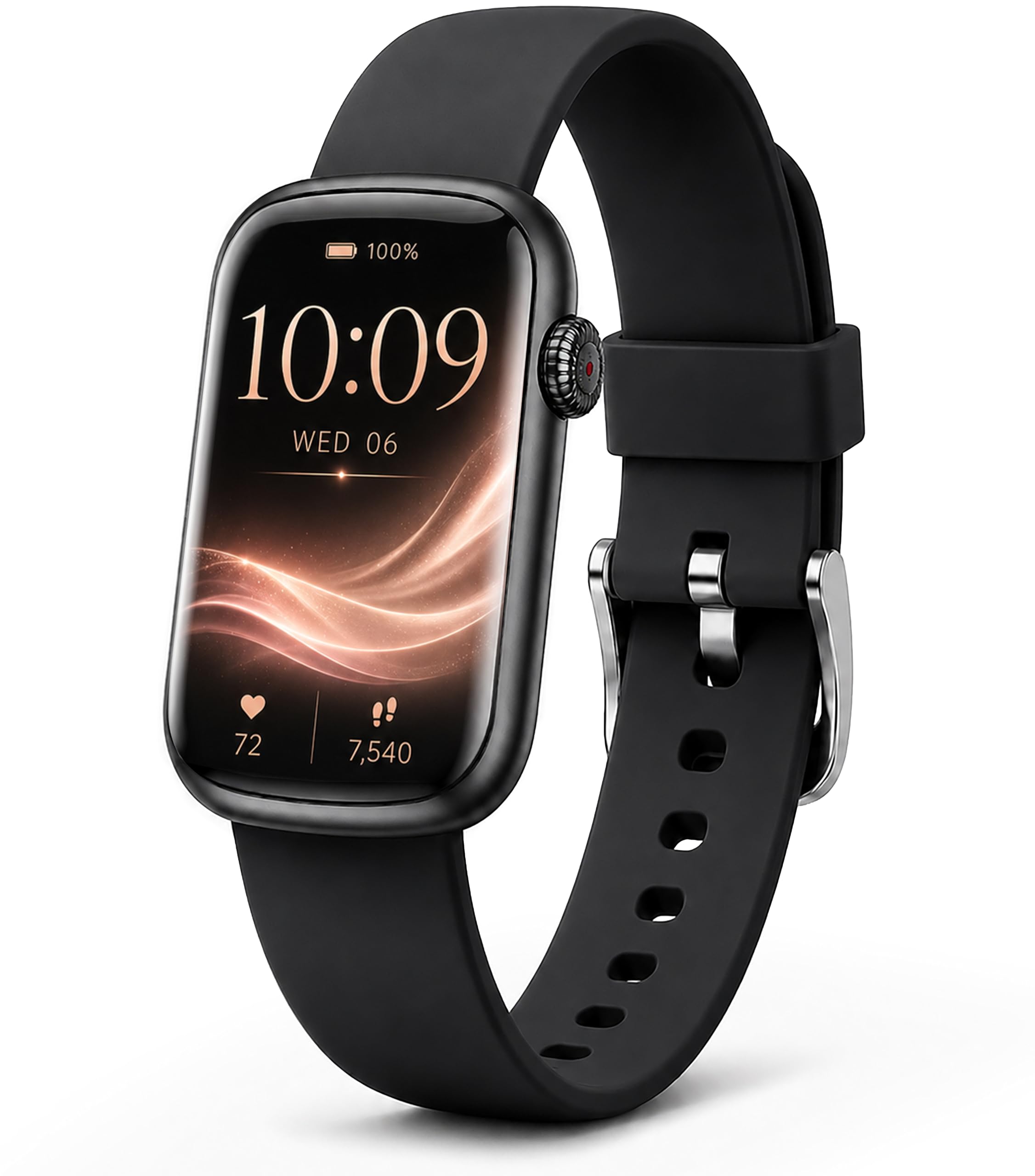
Two bands arrive in the box, a stainless-steel one and a silicone one, and that single detail tells you who this watch is for. Wear the steel to work and the silicone on a run and you've covered both without buying anything extra. The 1.83-inch screen is the largest here, and it's bright enough to read at a glance outdoors.

We expected the usual budget compromises and found fewer than we expected. Heart rate, blood oxygen, stress, sleep and cycle tracking all report into the VeryFit app, more than 100 sport modes include auto-detection for walking and running, and Bluetooth calling with noise reduction handles the noisy end of a walk. Calls connect, contacts store, and the battery goes days between charges rather than hours.

The one place it shows its price is workout depth. This watch counts your runs rather than analysing them: no pace zones, no recovery guidance, no route unless your phone comes along. For the everyday tracking most of us actually do, that's the right thing to give up.

Bottom line: Two bands, a big bright screen and a battery that keeps going — this is the budget watch we suggest to friends who aren't sure they'll stick with wearing one.

5

KEEPONFIT DR05

KEEPONFIT DR05

Dressy everyday wear

Our Score 9.6/10
Check Price

Worth Noting

  • LCD screen, not AMOLED
  • Several days per charge, not a full week
Bands
Metal and silicone
Display
1.27" round touchscreen
Sports Modes
100+
Water Resistance
IP68

Round watches are rare in this group, and round rose-gold watches rarer still. The DR05 is a 1.27-inch circle in a case that reads as jewelry first and tracker second. For anyone who has avoided smartwatches because they look like a phone strapped to the wrist, that is the entire argument in one sentence.

It isn't only a face. Heart rate, blood oxygen, stress and sleep are measured continuously, menstrual cycle tracking is built in, and more than 100 sport modes cover the gym and the pool thanks to an IP68 rating. Bluetooth calling works, notifications arrive, and pairing with an iPhone took a couple of minutes.

The screen is the compromise: an LCD rather than the AMOLED used on the aeac, so blacks look grey and outdoor visibility is merely fine. On a watch this small we minded less than expected, because you're reading a time and a heart rate, not watching video.

Battery lands in the several-days range rather than the week-plus of the Garmin, which is the honest trade for a case this small: you charge it while you shower rather than on a schedule. For a watch that goes to dinner and still counts the walk there, we'll take it.

Bottom line: The dressiest watch here: a small round rose-gold case, two bands and all the health basics, and the one we reach for when a smartwatch would look out of place.

6

MorePro HM08

MorePro HM08

Slim, light wear

Our Score 10.0/10
Check Price

Worth Noting

  • Only seven sport modes
  • No GPS of its own
Display
1.47" slim display
Watch Faces
300+
Sports Modes
7
Water Resistance
IP68

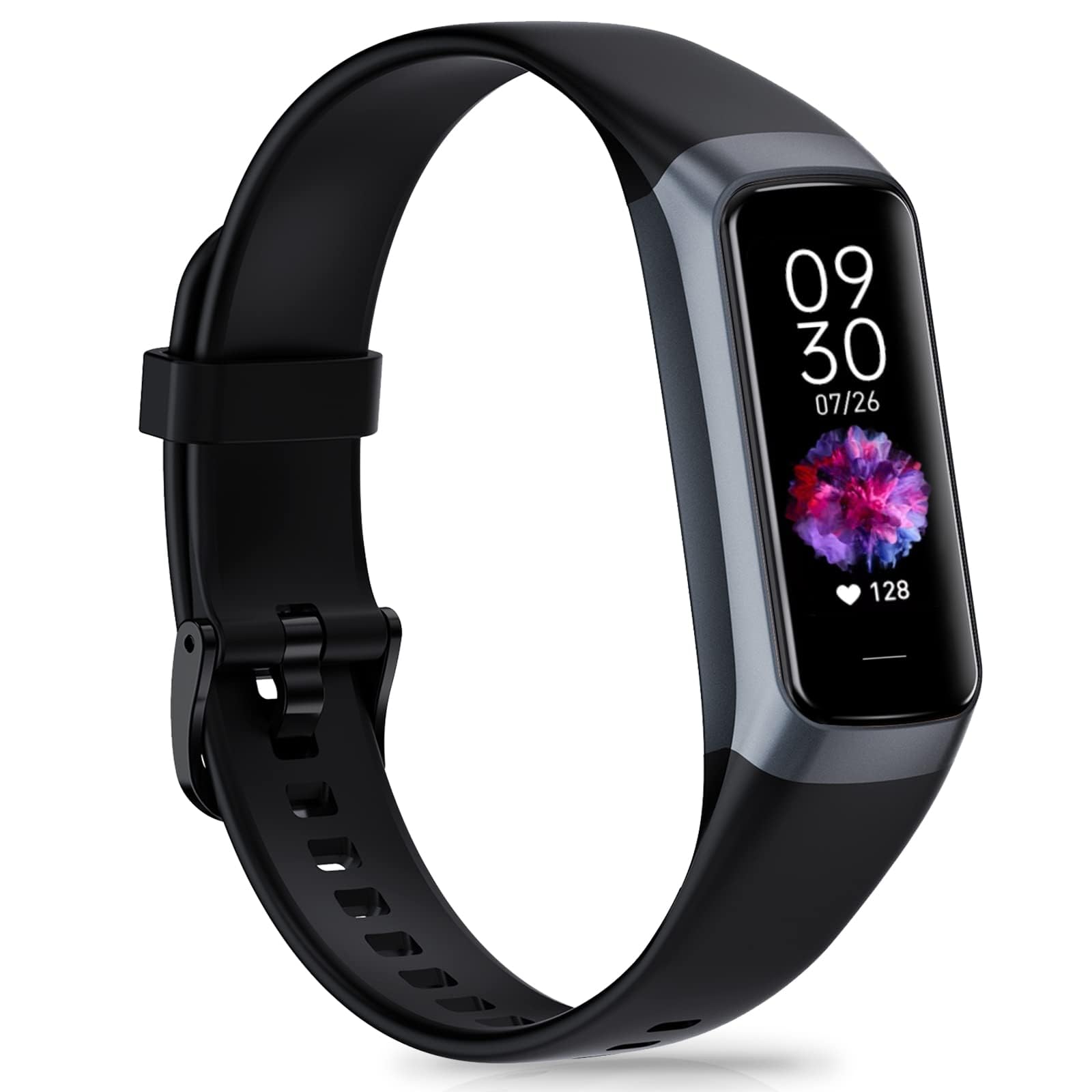
At 1.47 inches on a 16 mm band, the HM08 is closer to a fitness bracelet than a smartwatch, and that is the whole reason to choose it. It disappears under a sleeve, it's light enough to sleep in, and with 300-plus watch faces you can dress it to match whatever you're wearing. If every other watch here feels like too much hardware, start here.

What it tracks is wellness rather than training. Heart rate runs continuously, blood pressure and sleep are logged for the app to chart, and cycle tracking covers periods, safe periods and ovulation estimates. Sport modes run to seven — running, walking, cycling, climbing, basketball, elliptical and yoga — which frames this as a daily-movement tracker rather than a race-prep tool.

Two caveats worth knowing. Wrist-based blood pressure is a trend to glance at, not a reading to act on, since this is not a medical device. And the small screen makes deep menus tedious, so do the setup in the app and use the watch for glancing, not configuring.

Bottom line: A slim, bracelet-like tracker for anyone who wants sleep, heart rate and cycle data without a chunky watch on her wrist — just don't expect real workout analysis.

7

Bakoor Fitness Tracker

Bakoor Fitness Tracker

First tracker

Our Score 8.0/10
Check Price

Worth Noting

  • Step counts can overread arm movement
  • No warranty listed
Display
1.10" AMOLED
Sports Modes
25
Water Resistance
IP68

The 1.10-inch AMOLED screen is the smallest here, and that is the appeal. The Bakoor sits on the wrist like a slim band, weighs almost nothing, and doesn't catch on sleeves or jacket cuffs. For sleeping, gardening, or anyone who has never got on with a big watch, the size is the feature rather than the compromise.

It covers the essentials: 25 sport modes, continuous heart rate, sleep stages and blood pressure in the app, plus IP68 protection for sweat and rain. The screen is genuinely easy to read for its size, which is a compliment we didn't expect to pay at this end of the range.

Step counting is where it wobbles. Counts can drift high on days with a lot of arm movement, so wear it on your non-dominant wrist, snug above the bone, and compare a week's total against your phone before you trust the number. There's also no stated warranty, which is worth knowing before you hand one to a kid.

Bottom line: Small, light and inexpensive in the best sense — a good first tracker for a teenager or anyone testing the habit, as long as you don't need the step count to be exact.

How We Tested the Best Fitness Watches for Women

We started with roughly 40 watches sold for women and thinned the list by case size, whether the companion app works on both iPhone and Android, call and text handling, battery claims, and price. Anything whose app we couldn't stand using for a week got cut, which left us with 12 watches to test over six months.

Each watch got paired to an iPhone and to an Android phone on the same afternoon, and we timed how long it took from unboxing to the first saved workout. Then we walked to the far end of the house and out to the driveway with the phone left on the kitchen counter to see where notifications stopped arriving, and noted which alerts came through and which were quietly dropped.

For wear testing, each watch stayed on a wrist for a full week, including overnight. We wore them to the gym, on runs, in the shower, and while hauling groceries, and we checked the cases afterward for scratches and scuffed screens. Step counts got compared against a hand tally on a fixed one-mile loop, which is where the true accuracy gap showed up. Each watch was then run flat and charged to see how many days it actually lasted, and sleep data was matched against a written log of the nights we woke up.

Appearance was judged the least scientific way possible: worn with work clothes, gym clothes, and pajamas, and rated on whether it read as a piece of jewelry or a gadget. We also weighed what each watch did against what it cost.

How to Choose a Fitness Watch for Women

Decide How Much Accuracy You Actually Need

Every watch here counts steps; the question is whether the number deserves your trust. Wrist sensors read arm motion, so pushing a cart or gesturing through a meeting can register as walking, and optical heart rate lags during fast intervals. Wear the watch on your non-dominant wrist, snug above the bone, and compare a week of step totals against your phone before you rely on it.

If you want guidance rather than a nudge, the gap widens. The Garmin turns the same sensors into readiness and recovery calls the budget models don't attempt, while the cheap watches hand you a dashboard of raw numbers and let you draw the conclusions.

Match Battery Life to Your Charging Routine

Battery is a habit question dressed up as a specification. The Apple Watch runs about 18 hours and expects a nightly charge; the Garmin and the aeac run a week or more; the rest land in between. GPS sessions and always-on displays cut every one of those numbers sharply, so read the rating as a best case rather than a promise.

If your phone already charges by the bed, a nightly routine costs you nothing. If you travel, sleep in your watch, or know you'll forget, buy the week-plus models and accept a little more bulk on the wrist.

Get the Case Size Right for Your Wrist

Cases here run from a 1.10-inch display up to a 43 mm round face, and the difference is comfort as much as looks. A case wider than the flat top of your wrist will overhang and catch on cuffs; a 40 to 42 mm case or a slim band sits closer to the arm. Hold the watch against the back of your wrist before ordering and check that the lugs don't extend past the edges.

Weight matters just as much if you plan to sleep in it, and sleep tracking only works when you do. A 1.3-ounce case and a slim bracelet-style tracker feel very different at 2 a.m. from a steel-banded watch.

Know What GPS and Water Ratings Mean

Only two watches here have GPS built in, so only those two let you leave the phone at home and still map a run; everything else borrows your phone's signal. If phone-free miles are the point, that one line in the spec sheet narrows the field to the Garmin and the Apple Watch.

Water ratings are where the marketing blurs most. IP68 means splashes, sweat and hand-washing, not laps. Look for 3ATM or a 50-meter rating if you swim, and skip hot tubs and seawater whatever the label says, since heat and salt degrade the seals on any of them.

Budget Apps Versus Brand Apps

The aeac, the HOMOGO and the KEEPONFIT all run through the same third-party app, and the MorePro and Bakoor use their own. These apps cover the basics but rarely let you reply to messages on iOS, and translated menus are common. Apple and Garmin run mature apps with years of history behind them.

Decide how much of your health data you want sitting in a small app before you buy. If you only ever glance at steps and sleep, the budget route is fine. If you plan to compare months of training, the bigger platforms earn their premium.

Frequently Asked Questions

Final Verdict

Buy the Garmin vívoactive 5 if you want a real training partner: built-in GPS, a week and a half between charges, and recovery guidance that goes well beyond a step count. It is the watch we recommend first to anyone who will actually use the data.

If your phone is an iPhone and safety features plus app polish matter more than battery life, the Apple Watch SE 3 is the better fit. And if you want a watch you're happy to be seen in that skips the charging ritual, the aeac AR-01 is the value pick.