Skincare

Best Dark Spot Correctors of 2026

Dark spots are patient. They arrive after one careless beach afternoon or a stubborn breakout, then settle in for months while you buy bottle after bottle hoping something works. The real worry with a corrector isn't whether it glows; it's that it will sting, leave your skin red and flaky, and cost more than the spot was worth. A good one fades pigment gradually while your skin stays calm, feels nice enough that you look forward to applying it, and doesn't ask much of your budget.

I've been layering brightening serums into my routine for years, and over the past five months my team and I have lived with 14 of them — mornings before work, nights after cleansing — photographing the same cheek and jaw in the same window light each week. What surprised me is how little the active percentage mattered next to the formula around it: a strong serum that pills under sunscreen loses to a gentler one you'll actually wear every day. What's below earned a permanent spot in the rotation, and in a couple of cases, a place in my travel bag.

1

Anua Niacinamide 10 + TXA 4 Serum

Top Pick
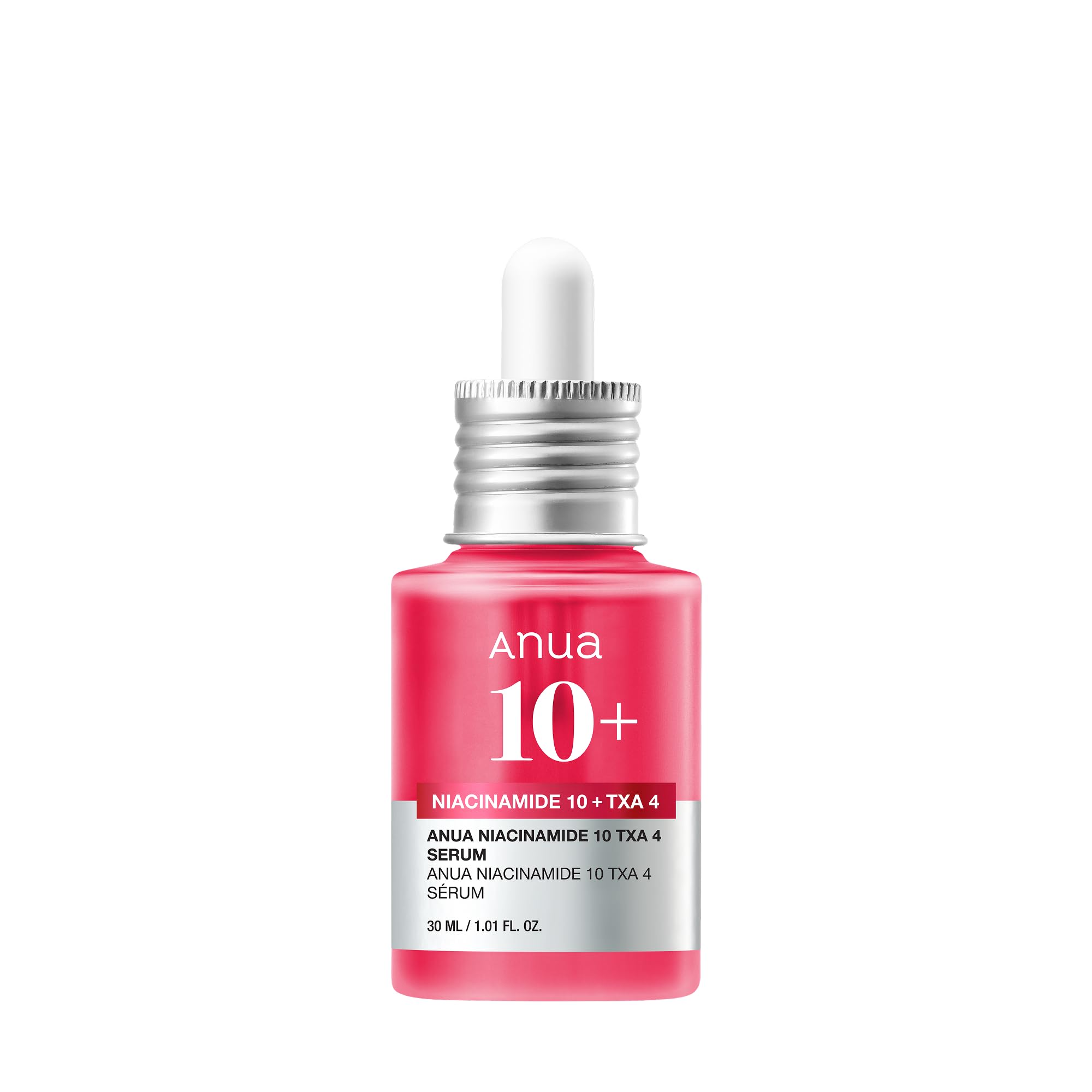
Anua Niacinamide 10 + TXA 4 Serum

Stubborn dark spots

Our Score 9.0/10
Check Price

Worth Noting

  • Smallest serum bottle in this guide
  • Breakouts on skin that can't take 10% niacinamide
Size
1.01 fl oz
Texture
Watery, fast-absorbing
Fragrance
Fragrance-free
Key Actives
10% niacinamide, 4% tranexamic acid, 2% arbutin

Three actives at strengths the label actually states — 10% niacinamide, 4% tranexamic acid, 2% arbutin — is the reason this is the bottle we hand someone who can point at the mark bothering her. Most brightening serums here lead with vitamin C and treat pigment as a bonus; this one is built the other way round, and it shows in what we watched for: brown marks left behind by breakouts, sun patches at the temples, the uneven band along the jaw. Of everything in this guide, it is the most directly aimed at discoloration.

A drop or two is the whole dose. The liquid is thin and watery, it sinks in during the time it takes to screw the dropper back on, and it leaves a faint tackiness for a minute — the one thing about it we minded. Apply it before moisturizer and the feeling is gone before you leave the bathroom.

Two things to know before you commit. The bottle is the smallest of the serums here, so the cost per ounce is higher than the shelf price suggests and it will run out well before a two-ounce serum does. And 10% niacinamide is a real strength: if your skin has ever reacted to a brightening product, start every other night for two weeks rather than going twice daily from day one.

If the problem is a whole face that photographs gray, TruSkin's vitamin C suits better. If it's three specific marks you've been color-correcting under concealer for a year, this is the one to buy.

Bottom line: The most targeted dark-spot formula in this guide, with three stated actives and no fragrance — worth the small bottle.
2

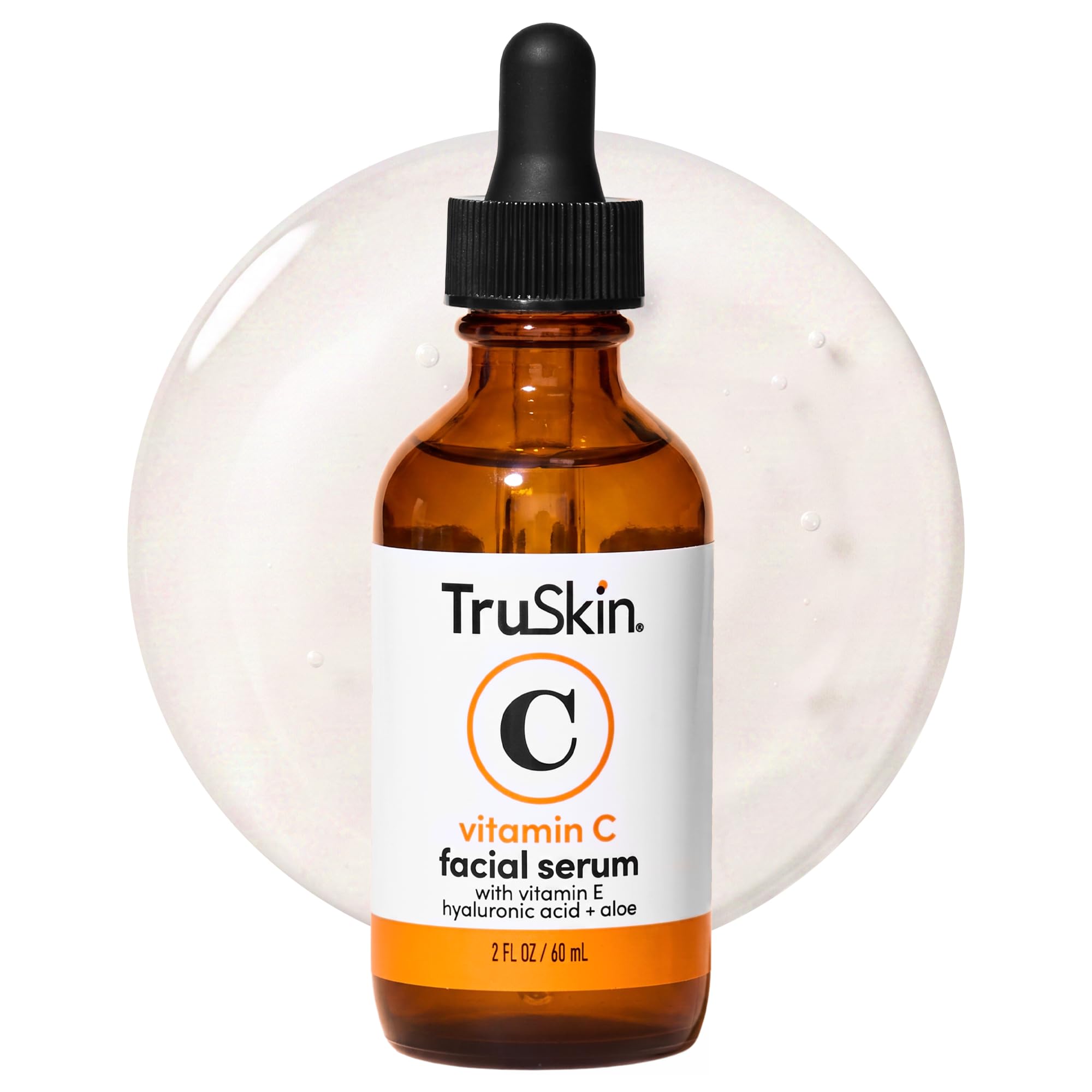
TruSkin Brightening Vitamin C Serum

TruSkin Brightening Vitamin C Serum

Overall dullness

Our Score 8.8/10
Check Price

Worth Noting

  • Stinging on skin already using acids or retinoids
Size
2 fl oz
Finish
Dries down completely
Key Actives
Vitamin C (SAP), hyaluronic acid, vitamin E

Not everyone shopping this category has a single spot. If your face reads flat and tired in photographs — dullness rather than a distinct patch — you want a brightening serum, and this is the one that does that job best in the guide.

We reach for it in the weeks when nothing is wrong with our skin except that it looks bored. Two or three pumps of a light serum carrying SAP, a gentle form of vitamin C, plus botanical hyaluronic acid, vitamin E, aloe, and jojoba, and it dries down completely: no film, no pilling under sunscreen, nothing to wait around for. The two-ounce bottle is the largest serum here, which matters more than any single ingredient when you're using something twice a day.

The catch is tolerance. SAP is chosen for being gentler than ascorbic acid and the formula is built to be used daily, but stinging and redness are still possibilities, especially on skin already using an acid or a retinoid. Try it on the jawline for a few nights before you commit the whole face.

Buy it for overall glow, not for one deep mark — the vitamin C here brightens broadly, and it takes its time doing it.

Bottom line: We recommend it when dullness is the complaint rather than one stubborn mark — the biggest serum bottle here and the easiest to use daily.

3

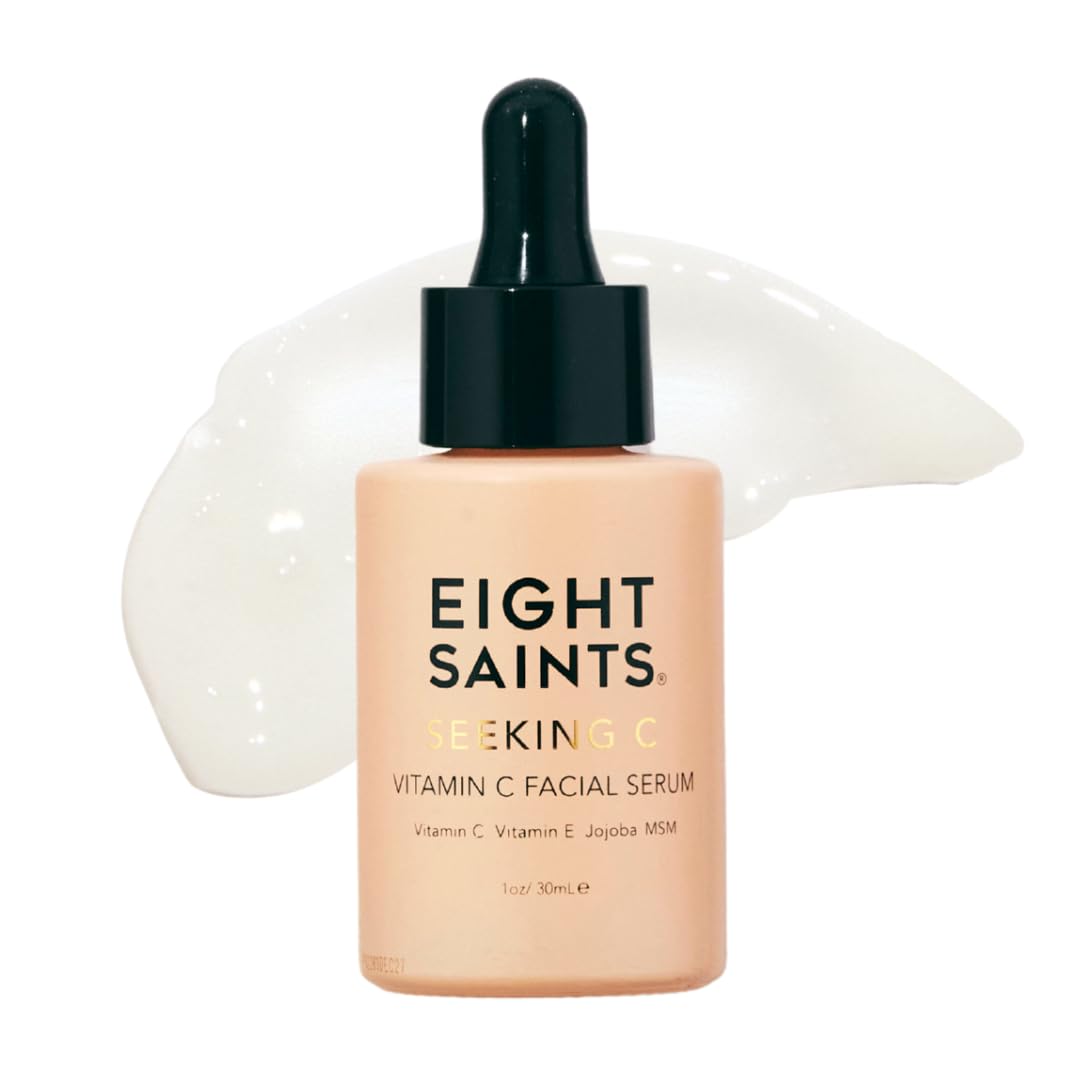
Eight Saints Seeking C Serum

Eight Saints Seeking C Serum

Daily glow upkeep

Our Score 9.4/10
Check Price

Worth Noting

  • Premium price for a one-ounce bottle
  • Gentle actives mean slow going on hard marks
Size
1 oz
Scent
Citrus
Key Actives
Vitamin C (SAP), hyaluronic acid, vitamin E, jojoba

The citrus smell hits first and then it's gone into your skin, and together those two things make this the most pleasant formula in the guide to use every single morning. That sounds trivial until you remember a brightening serum only works if you keep reaching for it.

Underneath the scent is a sensible formula: SAP vitamin C, hyaluronic acid, vitamin E, jojoba, and aloe, with the brand claiming eight hours of continued activity after application. It absorbs in seconds, leaves nothing sticky, and sits under moisturizer and SPF without the rolling that makes people give up on layering.

What it won't do is hit a hard mark quickly. This is a gentler vitamin C than the ascorbic acid formulas, so the tone evening is gradual, and the one-ounce bottle sits at the premium end of this group. If you have a single dark spot you want gone by a specific date, it isn't the tool; if you want your skin to look consistently well across a season, it is.

Bottom line: We think this is the one you'll actually finish: quick, pleasant, and gentle enough for every morning, provided you're not chasing one stubborn mark.

4

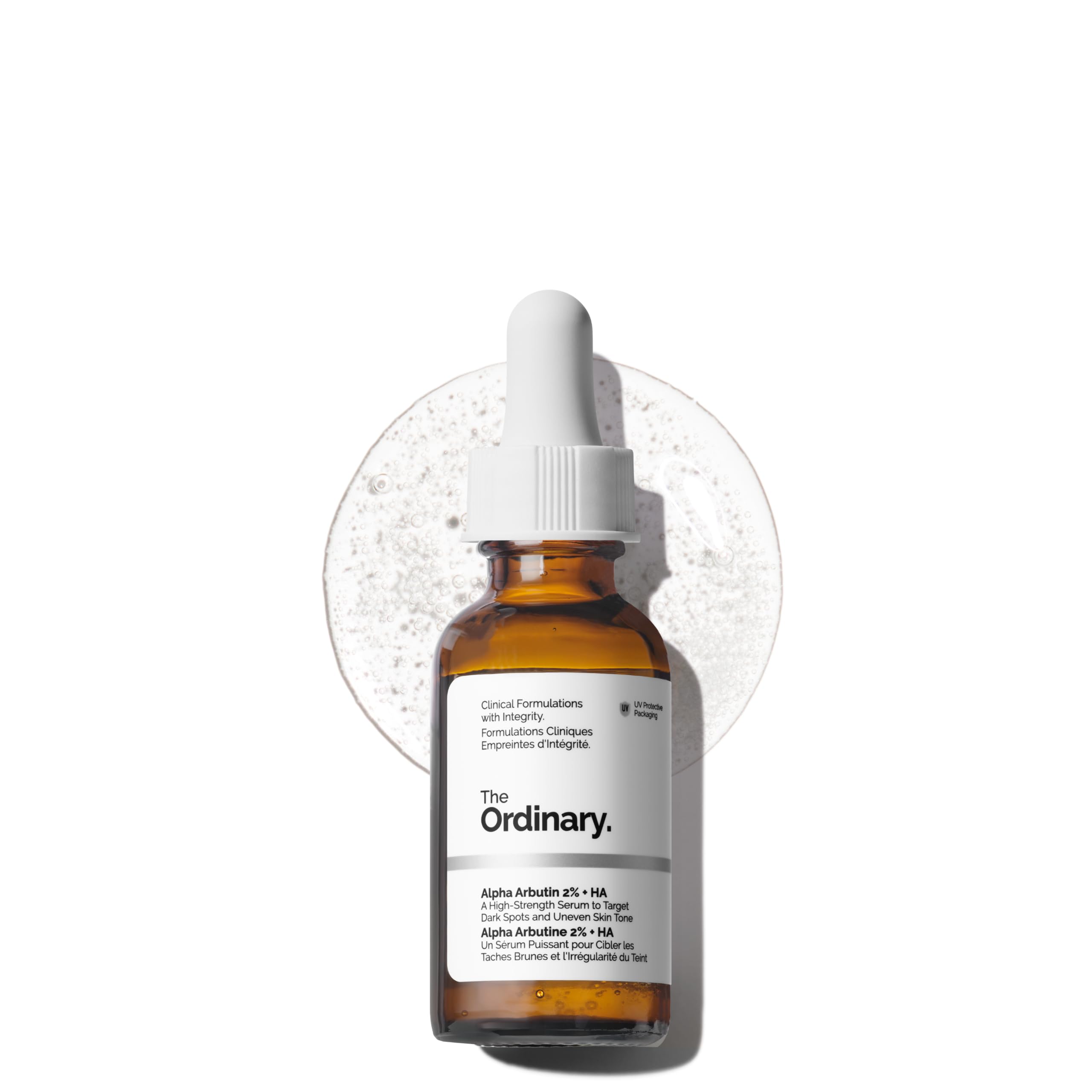
The Ordinary Alpha Arbutin 2% + HA

The Ordinary Alpha Arbutin 2% + HA

First brightening step

Our Score 9.0/10
Check Price

Worth Noting

  • Sharp, medicinal smell in the first minute
  • Fading builds over weeks, not days
Size
1 fl oz
Format
Water-based serum
Key Actives
2% alpha arbutin, hyaluronic acid

The cheapest bottle here is also the plainest: 2% alpha arbutin in a water-based hyaluronic serum, with nothing layered on top to make the label more interesting.

What we appreciate is how little it asks of you. A few drops on clean skin morning and night, thin enough to disappear under whatever comes next, no pilling, no stickiness. It slots into a routine you already like rather than demanding a new one, which isn't something we can say about every bottle on this page.

It also takes its time. Alpha arbutin works gradually, and the smell — sharp, faintly medicinal — is the thing most likely to put you off in the first week; it fades within a minute, but it's there. The directions also ask for daily sun protection alongside it, which you should be doing anyway if fading is the goal.

Two drops is the dose, morning and night. Adding more doesn't move it along any faster.

Bottom line: We send first-time brightening shoppers here for one well-known active, the lowest price in this guide, and a formula with nothing extra to react to.

5

Pond's Clarant B3 Dark Spot Cream

Pond's Clarant B3 Dark Spot Cream

Dry, flaky skin

Our Score 9.2/10
Check Price

Worth Noting

  • Too rich for oily skin
  • Two jars is a long commitment
Size
7 oz, 2 pack
Skin Type
Normal to dry
Key Actives
Vitamins B3 and C

Think of this as a moisturizer that happens to take on dark spots. The jar is enormous — seven ounces, and this variant brings two of them — and the cream is rich, built for normal-to-dry skin, with vitamins B3 and C doing the tone work.

It goes on thicker than a serum and then absorbs faster than you expect, with none of the greasy film you brace for from a cream this rich. The scent is light and clean and hangs around for about a minute.

Here's our honest read: buy it for the moisture and treat the evening of tone as the bonus. The brand's own timeline is two to four weeks of twice-daily use for visible change, which is a fair test to give any of these. If your marks are deep and stubborn, a dedicated serum will do more for them; if your skin is dry and flaky from October to March, this is the one that gets used up rather than forgotten.

Warm a little between your fingers in cold weather — a cream this thick spreads better that way and you'll get through a jar more slowly.

Bottom line: We recommend it for dry skin and a two-step routine: a rich cream that evens tone slowly and moisturizes from the first night.

6

celimax Pore+Dark Spot Cream

celimax Pore+Dark Spot Cream

Reactive skin

Our Score 8.8/10
Check Price

Worth Noting

  • 1.18 fl oz tube empties quickly
Size
1.18 fl oz
Fragrance
Fragrance-free
Skin Type
Sensitive
Key Actives
5% niacinamide, 5% tranexamic acid

Fragrance-free, hypoallergenic, and built around 5% niacinamide with 5% tranexamic acid: this is the cream we point to when someone says every brightening product she's tried has made her face sting.

It's thick going on and absorbed within a few minutes, and it holds enough moisture that a separate night cream felt redundant to us. Houttuynia cordata and allantoin are in there to calm rather than to decorate the label, and there's no scent at all left sitting on your skin overnight.

We keep it in the guide for reactive skin, which is exactly where it earns the place: a cream format that does the tone work without the bite of a 10% niacinamide serum. Just know what you're getting. At 1.18 ounces it's a small tube for something you'll use twice a day, and it will run out well before a jar of Pond's will. On a stubborn, long-established mark, a concentrated serum still does more.

Bottom line: We keep this one for reactive skin: a fragrance-free cream that brightens gently and doubles as your night moisturizer.

7

La Roche-Posay Mela B3 Serum

La Roche-Posay Mela B3 Serum

Sun-driven spots

Our Score 8.6/10
Check Price

Worth Noting

  • Most expensive per ounce in this guide
  • Noticeable fragrance
Targets
Sun, age, and post-acne spots
Skin Types
All skin tones and types
Key Actives
Melasyl, 10% niacinamide

Melasyl plus 10% niacinamide is the most specific ingredient story in this guide, and it is priced accordingly. The pitch is one serum for sun spots, age spots, and post-acne marks across every skin tone — broader than most formulas here even attempt.

It's also the nicest of the serums to apply. Silky rather than watery, absorbed almost immediately, and it disappears under makeup and sunscreen without pilling. The fragrance is the one jarring note: it's noticeable, and not everyone will want it on their face twice a day.

Results are where it gets complicated. Of everything we tested, the feedback on this one splits the hardest — some saw skin tone even out within a few weeks, others finished the bottle with nothing to show for it.

We still keep it, because nothing else here targets sun-driven pigment on deeper skin tones this specifically and because the texture beats anything else on the page. But it's the most expensive bottle per ounce in the guide, and the one to try last if a cheaper formula has already moved your marks.

Bottom line: We recommend it for stubborn sun-driven pigment and anyone who wants the silkiest texture here, with the caveat that it costs the most and results vary.

8

Palmer's Eventone Fade Cream

Palmer's Eventone Fade Cream

Body and hands

Our Score 8.8/10
Check Price

Worth Noting

  • Richer than a water-based serum
Size
2.7 oz
Skin Types
All
Key Ingredient
Cocoa butter

Cocoa butter first, corrector second: this is the tube for someone whose dry skin is the obvious problem and whose spots are the visible one.

It's a thick 2.7-ounce cream aimed at dark spots, age spots, and uneven tone while it softens and improves suppleness, built on the cocoa butter, shea, and coconut oil that Palmer's has been formulating around for the better part of two centuries. What that means in the hand is a cream that spreads further than a serum and feels like something on your skin rather than nothing.

That richness is the point and also the limit. It's comfortable on hands, arms, the back of the neck, and the spots a precious little serum feels wrong to spend on — which is where it makes the most sense to us, as a cream you can be generous with.

It's the cheapest corrector here by a wide margin, and the one we hand someone treating spots below the jaw as well as above it. Give it the same stretch of weeks you give a serum rather than judging it in ten days.

Bottom line: We reach for it when the spots are on hands and arms as much as the face: the cheapest corrector here, in the richest cream.

What Five Months With 14 Dark Spot Correctors Taught Us

We started by pulling every corrector we could find that named its active up front — niacinamide, vitamin C, alpha arbutin, tranexamic acid, vitamin B3 — and cut anything that promised brightening without a concentration to back it up. Then we read through customer reviews looking for the two complaints that come up again and again: stinging and pilling. We kept a mix of watery serums, richer creams, and budget staples, and landed on 14 products we tested for five months.

Every tester patch-tested behind the ear for three nights before starting, then worked the product into a real routine — one in the morning under sunscreen and makeup, one at night after cleansing — and photographed the same cheek and jaw in the same window light at weeks two, four, eight, twelve, and sixteen. The first ten minutes told us plenty: whether skin stung or tightened, whether a scent lingered past the next step, and whether the formula sat tacky or sank in. On work mornings we noted whether the serum rolled into little pills under SPF.

By week four we were comparing photos side by side, watching whether the edges of spots actually softened or only the surrounding tone brightened, and whether any glow survived past lunch. We tracked longevity in both senses: whether fading held through a week of skipped applications, and how many weeks a bottle lasted at the labeled dose, which is where value really shows up. Three products came off the list early, after testers with reactive skin reported redness that lasted into the next morning.

How to Choose a Dark Spot Corrector

Start With the Mark You Actually Have

Three ingredient families do most of the work here, and which one you want follows from what you're fading. Brown marks left by breakouts and general unevenness respond to niacinamide paired with tranexamic acid — the combination in Anua's serum and celimax's cream. Overall dullness and a gray cast are a vitamin C job, which is why TruSkin and Eight Saints lead with it. A single stubborn patch on a sensitive face is where alpha arbutin, as in The Ordinary's bottle, is the gentler route.

The trap is assuming a longer ingredient list means a stronger product. Percentages do the work, and only some labels state them: 10% niacinamide is a different product from 5%, even when both bottles promise the same evening of tone.

Serum, Cream, or Pad

Format decides whether you'll actually use the thing. A serum is the most flexible — thin, layerable, easy under sunscreen and makeup — which is why most of this guide is serums. A cream earns its place when your skin is dry anyway, replacing a step rather than adding one; Pond's and celimax both moisturize and correct in a single pass. Pads and toners suit people who won't stand at a sink with a dropper. Buy the format that matches the routine you already keep, not the one you plan to start.

Build Up Slowly, Whatever the Label Says

Irritation is the most common complaint in this category, and it usually isn't an allergy — it's too much, too fast. A 10% niacinamide serum used twice a day on skin that has never met the ingredient is a reliable way to end up stinging and spotty. Start every other night for two weeks, keep the rest of the routine boring, and add one new brightening product at a time. If you already use an acid or a retinoid, alternate nights instead of layering both.

Read the Label for What It Doesn't Say

A percentage in the product name is useful; 'dermatologist tested' is not. The first tells you how much active you're getting, the second tells you nothing about how much. What is worth checking is fragrance, because this is something you leave on your face twice a day — Anua and celimax are both fragrance-free, while the La Roche-Posay serum carries a noticeable one. If your skin has reacted before, start unscented and save the fragranced formulas for when your barrier is calm.

Do the Cost-Per-Ounce Arithmetic

A one-ounce serum used twice a day disappears in weeks, while a seven-ounce cream can last a season, so the bottle that looks affordable is sometimes the expensive one. Divide by size before deciding, and think about where the product will go: something you also want on hands, neck, and arms has to be cheap enough to use generously, which is part of why Palmer's earns its place. Two serums priced alike can differ by a factor of two in how long they last.

Frequently Asked Questions

Final Verdict

Anua's Niacinamide 10 + TXA 4 Serum is our pick for most people because it does the specific job in the name: three brightening actives at strengths the label states, no fragrance, and a texture light enough to live under sunscreen. The bottle is small and the first two weeks ask for patience.

If your complaint is general dullness rather than a particular mark, TruSkin's vitamin C handles that for less per ounce and lasts roughly twice as long.