Skincare

Best Creams for Rosacea of 2026

Rosacea creams are tricky: the wrong one can sting, sit greasy under sunscreen, or soothe for an hour and then leave your cheeks tight by lunch. I’ve learned to look past the “calming” claims and check whether a formula feels compatible with reactive skin—no tingling, no flush, no heavy film. What you want is a cream that moisturizes without irritation, absorbs quickly enough to layer, and eventually helps take the edge off redness. The best ones earn their place twice a day, not just on a bad flare day.

Over the past six months, my team and I tested 12 creams made for sensitive, redness-prone skin, comparing texture, spreadability, and how each behaved under sunscreen and at night. We tracked skin sensitivity and irritation—including stinging, tightness, and heat—plus greasiness, absorption, and whether redness looked calmer after consistent use. Value mattered too, since a cream only works if you can afford to use enough of it. Some felt lovely but did little for redness; others were plain but dependable. The picks below reflect that balance of comfort, tolerance, and visible relief.

1

La Roche-Posay Toleriane Double Repair

Top Pick
La Roche-Posay Toleriane Double Repair

Daily barrier care

Our Score 9.2/10
Check Price

Worth Noting

  • Not a dedicated rosacea treatment
Size
3.2 oz
Texture
Lightweight cream
Fragrance
Fragrance-free
Key Ingredients
Ceramide-3, niacinamide, glycerin, prebiotic

The first thing we look for in a rosacea cream is a formula that supports the barrier without asking reactive skin to tolerate much. La Roche-Posay's Double Repair does that with ceramide-3, niacinamide, glycerin, and a prebiotic complex, and it is fragrance-free. That combination is why it is our default: it moisturizes like a daily cream, not a treatment, and niacinamide is a useful supporting ingredient for redness-prone skin. The texture is a light cream, not a balm, which matters if you wear it under makeup or sunscreen.

In use, it spreads easily and sinks in quickly enough to sit under sunscreen. We found that a little goes further than expected; if you layer it on thickly, it can leave a slight film or pill under makeup. Start with a pea-sized amount and let it settle before the next step. That pilling is the main quirk we noticed, and it is easy to avoid once you know about it.

It will not replace prescription therapy, but as the everyday moisturizer most people need—barrier support, fragrance-free, non-greasy—it is the safest recommendation here. The 3.2-ounce tube is also a practical size for daily use. If your skin is very dry, you can layer a richer night cream over it without fighting the texture.

Bottom line: We recommend this as the default daily cream for rosacea-prone skin: ceramides and niacinamide support the barrier in a light, fragrance-free formula that layers easily.
2

Clinique Redness Solutions Daily Relief

Clinique Redness Solutions Daily Relief

Dedicated redness care

Our Score 9.0/10
Check Price

Worth Noting

  • Visible redness results vary
Size
1.7 fl oz
Formula
Microbiome technology
Fragrance
Fragrance-free
Skin Suitability
Rosacea-prone, sensitive skin

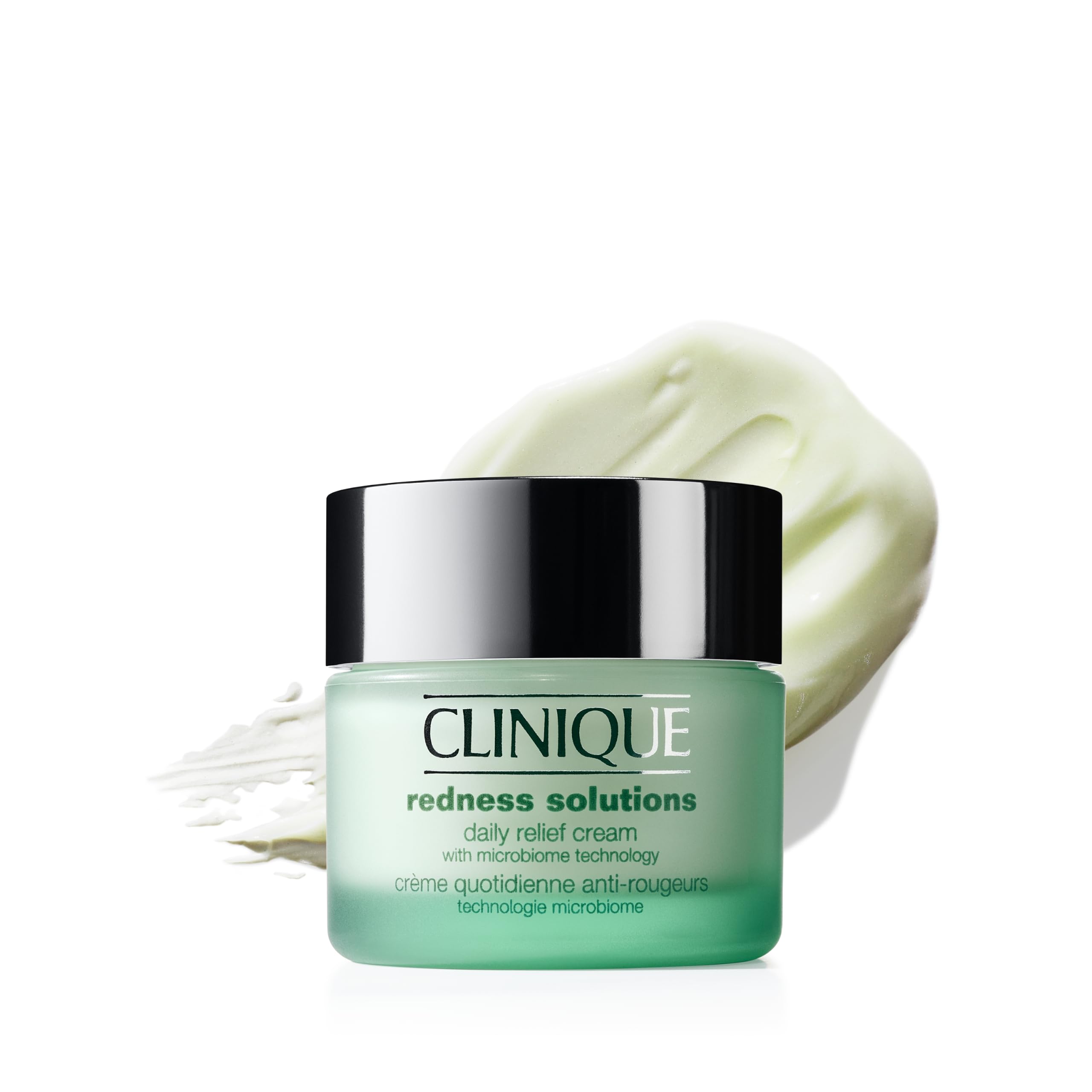
Clinique's Redness Solutions is one of the few creams here that says plainly it is appropriate for skin with rosacea. That matters if you want a product built around redness-prone skin rather than a general sensitive-skin moisturizer. It is fragrance-free, allergy tested, and described as extra-gentle, and it comes in a 1.7-ounce jar. The texture is a soft cream that feels more cushioned than a lotion.

We found it soothing and easy to wear. The cream feels soft rather than heavy, and it sits well under makeup without a greasy residue. It layers over a serum without pilling in our experience. At a premium price, the calculation is whether you want a dedicated redness cream or a more affordable barrier moisturizer.

If your main goal is a moisturizer you can use during a flare without added fragrance or a long ingredient list, it is a strong choice. If you are looking for the most moisturizer for the price, the budget picks here make more sense. Patch testing is still worth doing. The jar is small enough to keep on a bathroom shelf, but you will use it up faster than a large tube if you apply it morning and night.

Bottom line: We reach for this when you want a cream explicitly labeled for rosacea-prone skin: it is gentle, fragrance-free, and soothing, with a premium price to match.

3

Vanicream Daily Facial Moisturizer

Vanicream Daily Facial Moisturizer

Sensitive skin value

Our Score 9.2/10
Check Price

Worth Noting

  • May be too light for very dry skin
Size
3 fl oz
Free From
No common irritants
Certification
National Eczema Association Seal
Key Ingredients
Hyaluronic acid, 5 ceramides, glycerin

The National Eczema Association Seal is the detail that makes us reach for Vanicream first when a reader wants a simple, low-irritant moisturizer. The formula uses hyaluronic acid and five ceramides, and leaves out fragrance, dye, lanolin, parabens, and botanical extracts. For rosacea-prone skin, that short list is the appeal: fewer things to react to. The pump tube is easy to control, which helps when you want a thin layer.

It is lighter than a traditional cream, so it layers well under sunscreen and makeup. We found it hydrates without a greasy finish, and it does not leave the tight feeling some lotions do. It is fragrance-free in the literal sense—no added scent—which is what reactive skin needs. The 3-ounce tube is a sensible size for daily use.

This is not a redness treatment; it is the moisturizer you build the rest of your routine around. If your skin is reactive and you want to spend less, it is the value pick here. For a first moisturizer while you simplify your routine, it is hard to argue with. We like it under a mineral sunscreen because it does not roll off.

Bottom line: This is the one we recommend when budget and a short, gentle ingredient list matter most; it moisturizes sensitive skin without fragrance or common irritants.

4

Avène Tolerance Control Soothing Recovery

Avène Tolerance Control Soothing Recovery

Reactive skin

Our Score 9.2/10
Check Price

Worth Noting

  • May feel waxy if applied heavily
Size
1.3 oz
Free From
Fragrance, preservatives
Key Ingredients
Postbiotic, squalane, glycerin
Skin Suitability
Sensitive, reactive skin

Avène's Tolerance Control comes in a 1.3-ounce tube, which is the first thing you notice if you are used to larger moisturizers. The formula is designed for reactive skin: fragrance-free, preservative-free, and built around a postbiotic ingredient, squalane, and glycerin. It is the one we keep for skin that stings before it reddens. The tube is small enough for a travel bag.

We found it calming and cushioned, with a texture that feels richer than a lotion but not heavy. A little goes a long way, which matters given the size. It absorbs without a strong scent or a cooling alcohol feel. It is not a redness treatment in the conventional sense; it is a comfort cream for a barrier that is already angry.

If your skin reacts to fragrance or preservatives and you want something to settle it quickly, the premium is easier to justify. If you need a large tube for daily body use, look elsewhere. For a reactive flare, the small size may be the point: you are not committing to a huge jar of something new.

Bottom line: We keep this for skin that reacts to almost everything: the preservative-free, fragrance-free formula calms quickly, but the tube is small for the money.

5

DearKlairs Blue Calming Cream

DearKlairs Blue Calming Cream

Flushing and heat

Our Score 9.0/10
Check Price

Worth Noting

  • Lightweight moisture only
Size
2.11 oz
Fragrance
Fragrance-free
Cooling Claim
Clinically tested 5.9°C drop
Key Ingredients
Guaiazulene, EGF, ceramide

DearKlairs' Blue Calming Cream earns its name from guaiazulene, the blue-tinted ingredient used here for redness and irritation. The clinical claim is a 5.9°C drop in skin surface temperature right after application; the cooling effect is the reason to consider it. It also includes EGF and a ceramide complex, so it is not just a cooling gel.

We like it as a daytime layer when skin is flushed from heat, exercise, or actives. It feels light, absorbs quickly, and leaves a silky finish rather than a heavy film. It layers well under sunscreen without pilling. The 2.11-ounce tube is easy to keep in a bathroom cabinet.

For flushing and heat, it is the most pleasant option here. We reach for it in the morning, then use a richer cream at night if skin feels tight. It is a calming step, not a complete routine. The tube is easy to control, and a little covers the face.

Bottom line: We like this as a cooling layer for flushing and heat, especially in warm weather or after actives; it soothes quickly and layers under sunscreen.

6

EltaMD PM Restore

EltaMD PM Restore

Overnight repair

Our Score 9.2/10
Check Price

Worth Noting

  • Premium price for a night cream
Use
Nighttime
Size
3.2 oz
Fragrance
Fragrance-free
Key Ingredients
Hyaluronic acid, niacinamide

EltaMD's PM Restore is a night cream first, which changes how we judge it. It is oil-free, fragrance-free, and non-comedogenic, with hyaluronic acid and niacinamide. The 3.2-ounce jar is generous for a night product, and the formula is aimed at dry, damaged, or sensitive skin. The jar is easy to scoop from, though it is less hygienic than a tube.

We found it light enough to forget you are wearing a night cream, and it leaves skin soft rather than greasy in the morning. The texture is more lotion than balm, so it layers well after a serum. It does not feel occlusive, so very dry skin may want an extra layer.

Reactive skin should still patch test, because a product can be fragrance-free and still sting. We paid attention to that with this one, since niacinamide can be a trigger for some people. A little goes a long way, which helps justify the jar.

So the decision comes down to routine: if you want one dedicated nighttime moisturizer that feels light and leaves skin soft, this is our pick. If you want a single cream for morning and night, the top pick is easier to justify. It is a considered night step rather than an all-day workhorse.

Bottom line: This is our pick for a dedicated night cream: niacinamide and hyaluronic acid in a fragrance-free formula that feels light, though it costs more than most here.

7

Cetaphil Redness Relieving Night Cream

Cetaphil Redness Relieving Night Cream

Budget redness care

Our Score 8.8/10
Check Price

Worth Noting

  • Redness relief is inconsistent
Size
1.7 oz
Fragrance
Fragrance-free
Key Ingredients
Licorice extract, allantoin, caffeine
Skin Suitability
Redness-prone, sensitive skin

Cetaphil's Redness Relieving Night Cream is the budget option for someone who wants a cream labeled for redness-prone skin without spending much. It uses licorice extract, allantoin, and caffeine, is fragrance-free and non-comedogenic, and comes in a 1.7-ounce tube. The licorice and allantoin are the soothing part.

We found it easy to apply and not greasy, with a light lotion-cream texture that works under makeup. It absorbs quickly enough to use before bed without a heavy feeling. The pump is the weak point: it can stop drawing product while the tube still feels full, so keep that in mind if you like to use every last bit.

As a first redness cream, it is a reasonable budget experiment. It is not the most elegant texture here, and it is not the one we reach for when skin is very dry. The tube is small, so it is not the best value per ounce, but it is an easy way to try a dedicated redness formula. We like that it does not smell like anything.

Bottom line: This is the budget redness cream we suggest for simple overnight hydration, with licorice and allantoin to soothe; visible redness is not guaranteed.

8

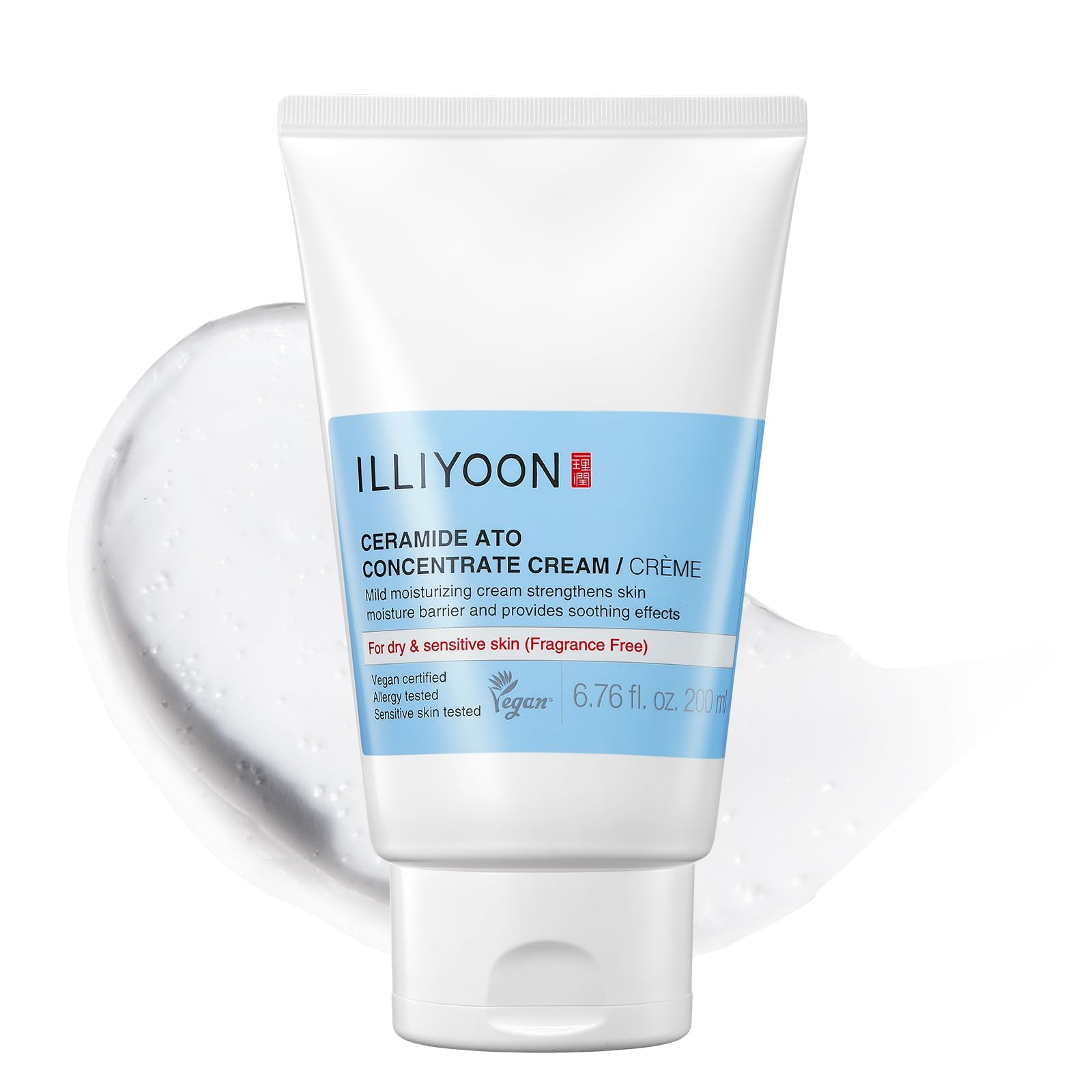
Illiyoon Ceramide Ato Concentrate Cream

Illiyoon Ceramide Ato Concentrate Cream

Very dry skin

Our Score 9.4/10
Check Price

Worth Noting

  • Too rich for oily or combination skin
Use
Face and body
Size
6.76 fl oz
Fragrance
Fragrance-free
Key Ingredients
Plant-sourced ceramides

The 6.76-ounce bottle is what makes Illiyoon's Ceramide Ato Concentrate Cream stand out: it is a face-and-body cream that costs about the same as many smaller face moisturizers. The formula uses plant-sourced ceramides and is fragrance-free, with the brand claiming up to 100 hours of moisture retention. The cream is thick in the bottle but spreads without a heavy film.

We found it rich but not greasy, and it absorbs better than its thickness suggests. For rosacea-prone skin that is also very dry, that combination is useful, especially in winter. We used it on dry patches and found it cushioning rather than occlusive.

It is gentle enough for daily use on the face, and the large size makes it practical for the body too. A little goes a long way, so the bottle lasts. The big bottle is a practical choice for winter.

It is not a dedicated redness cream. But if dryness is the bigger problem, it is the most economical way here to get a ceramide-rich cream. For a compromised barrier, that is a useful trade.

Bottom line: We recommend this for rosacea-prone skin that is also very dry; the large ceramide cream is fragrance-free, cushioning, and works on the body as well as the face.

9

Eucerin Redness Relief Night Creme

Eucerin Redness Relief Night Creme

Dry night care

Our Score 8.8/10
Check Price

Worth Noting

  • Redness relief is inconsistent
Use
Nighttime
Size
1.7 oz
Free From
Fragrance, dye
Key Ingredients
Licochalcone

Eucerin's Redness Relief Night Creme is built around licochalcone, a licorice-root extract, and is meant for redness-prone skin at night. It is fragrance-free, dye-free, and non-comedogenic, and comes in a 1.7-ounce jar. The cream is thicker than a lotion, so it suits a night routine.

We found it rich and soothing, the kind of cream that feels good on dry, tight skin at the end of the day. It has a creamy texture that spreads easily. It leaves skin soft in the morning, though it takes a few minutes to settle.

It can feel greasy if you apply too much, so a little is enough. The jar is best for nighttime use rather than under makeup. That richness is the point for dry skin, but it is not a cream for oily skin.

The formula is simple and the licorice-root extract is the reason to choose it over a plain barrier cream. The jar is also easy to use when your hands are dry. The jar is small, so you will not get a lot of product for the price.

If you have dry, redness-prone skin and want a dedicated night cream, it is worth considering. If you prefer a lighter texture or want a cream that works under makeup, the top pick or Clinique is easier to wear. For a dry-skin night routine, it earns its place.

Bottom line: This is a solid night option for dry, redness-prone skin, with licorice-root extract and a rich feel, but visible redness is not a sure thing.

10

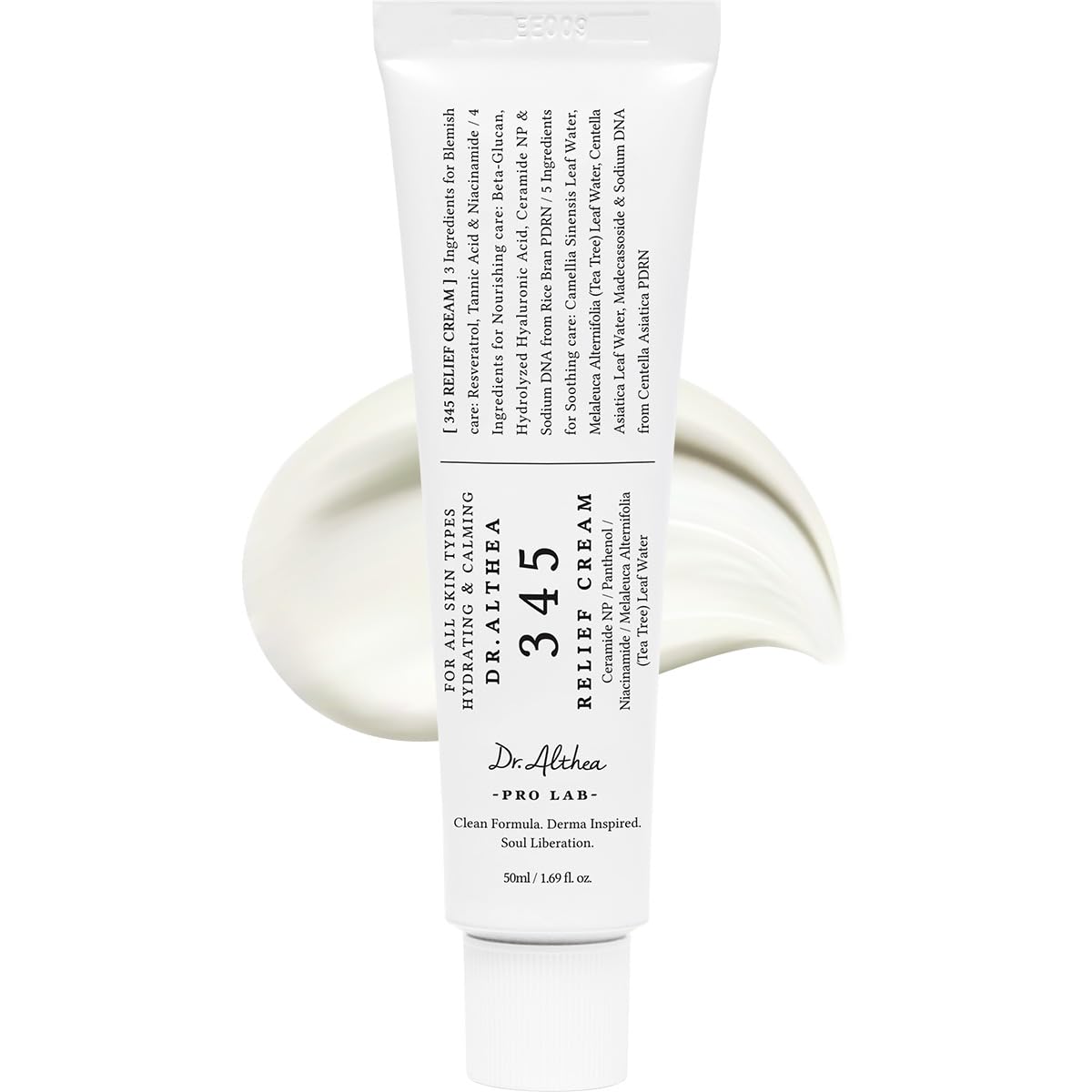
Dr.Althea 345 Relief Cream

Dr.Althea 345 Relief Cream

Blemish-prone soothing

Our Score 9.2/10
Check Price

Worth Noting

  • Not specifically formulated for rosacea
Size
1.69 fl oz
Texture
Silky, non-greasy
Key Ingredients
Centella, madecassoside, niacinamide
Non-comedogenic
Clinically tested

Dr.Althea's 345 Relief Cream is a K-beauty soothing cream built around centella asiatica leaf water, madecassoside, niacinamide, and tea tree leaf water. It is clinically tested non-comedogenic and vegan, and the 1.69-ounce tube is sized like a treatment rather than a body cream. The cream is described as having a multi-layered texture, but it feels more like a light lotion.

We found it light and silky, with enough slip to spread easily and no greasy finish. It is a pleasant cream for sensitive, blemish-prone skin that also reddens. It does not feel sticky or heavy on the skin.

It layers well under sunscreen, and the tube is easy to control when you want a small amount. The packaging gets harder to squeeze as it empties, which is a small annoyance. A little goes a long way, so the small tube lasts longer than it looks.

The centella and madecassoside give it a calming feel, while niacinamide supports the barrier over time. It fits well alongside a barrier moisturizer. The tea tree leaf water adds a subtle cooling feel.

We see it as a supporting pick rather than a first choice. If you want a lightweight cream for redness and blemishes together, it earns a place. For combination skin that reddens easily, that balance is useful.

Bottom line: We like this as a light, soothing cream for sensitive, blemish-prone skin; centella and niacinamide calm without heaviness and layer well under sunscreen.

How We Tested Rosacea Creams on Reactive Skin

We started with a long list of creams marketed for rosacea or sensitive, redness-prone skin, then narrowed it by reading ingredient lists, checking price per ounce, and filtering out formulas that were meant for occasional use rather than daily wear. That left 12 creams, which we tested over six months.

Each one got a solo run so we could judge it on its own: mornings after cleansing and before sunscreen, evenings on bare skin, and extra applications during flare-ups after a hot shower or a spicy meal. We noted whether it spread easily, sank in or sat on top of the skin, and left a greasy film under a phone or against a pillowcase. On humid days we watched for heaviness; in air-conditioning we checked whether cheeks felt tight by mid-afternoon and whether a cream eased that tightness.

Within the first few minutes, we logged stinging, tingling, heat, or tightness—the reactions that make sensitive skin give up on a cream. Over weeks, we compared redness in the same bathroom light each morning and evening, and noted whether rough patches felt softer and looked less inflamed. We also kept track of how much product a single application required and whether a jar lasted long enough to feel worth repurchasing.

How to Choose a Cream for Rosacea

Start With Tolerance

Before you compare redness claims, look at what the cream leaves out. Fragrance, drying alcohol, and long botanical lists are common triggers for reactive skin, and a short ingredient list is easier to patch test. We prioritise fragrance-free, non-comedogenic formulas for this reason. Vanicream is the clearest example here: five ceramides, hyaluronic acid, and no fragrance, dye, lanolin, or parabens. If your skin has reacted to several creams, start with the plainest formula you can find and add actives later.

Barrier Ingredients Do the Quiet Work

Ceramides, glycerin, hyaluronic acid, and niacinamide are the ingredients we look for first. They do not promise to erase redness, but they help the skin hold water and reinforce the barrier that rosacea-prone skin often struggles with. La Roche-Posay's Double Repair pairs ceramide-3 with niacinamide and glycerin; Illiyoon leans on a multi-ceramide complex. If your skin is dry and tight, a ceramide cream is a better first purchase than a dedicated redness product. If your skin is oily, look for a lighter lotion-cream.

Match Texture to Your Routine

A cream you wear under sunscreen and makeup needs a different texture from one you apply at night. Light lotions and gels sit better in the morning; richer creams can feel suffocating during the day but are useful at night. DearKlairs Blue Calming Cream is the lightest option here and works well for flushing; EltaMD PM Restore is designed for overnight use. If you can only buy one, choose the texture that matches when you will actually use it. A cream that pills under sunscreen will not get worn.

Know What Dedicated Redness Creams Can Do

Creams labeled for redness often add licorice extract, caffeine, allantoin, or centella. These can soothe and temporarily calm the look of flushed skin, but they are not a cure, and results vary. Clinique Redness Solutions is explicitly appropriate for rosacea-prone skin; Cetaphil and Eucerin use licorice-root ingredients. We treat these as comfort products, not replacements for prescription therapy. If visible redness is your main concern, give a dedicated cream several weeks and keep a simple barrier cream underneath. If it stings, stop.

Size and Packaging Matter More Than You Think

A 1.3-ounce tube is fine for testing a reactive-skin cream, but it is expensive to use daily. A 6.76-ounce face-and-body cream is a better value if you know you tolerate it. Jars are easy to use but less hygienic; tubes and pumps keep the formula away from your fingers. Check the pump before you commit, too—some stop drawing product before the tube is empty. We prefer a tube for a first purchase and a larger bottle once you know the formula suits you.

Frequently Asked Questions

Final Verdict

For most people, we recommend La Roche-Posay Toleriane Double Repair as the daily cream: it supports the barrier with ceramides and niacinamide, feels light, and is fragrance-free. If you want a cream labeled specifically for rosacea, Clinique Redness Solutions is the better fit, provided you are comfortable with the premium price. If budget is the deciding factor, Vanicream does the plain barrier job for less.